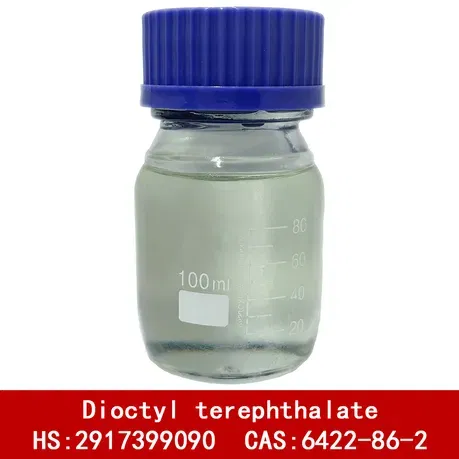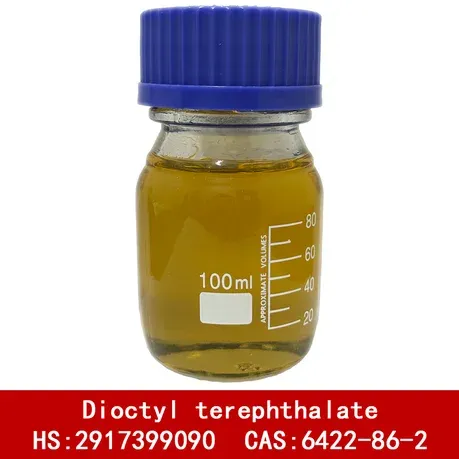

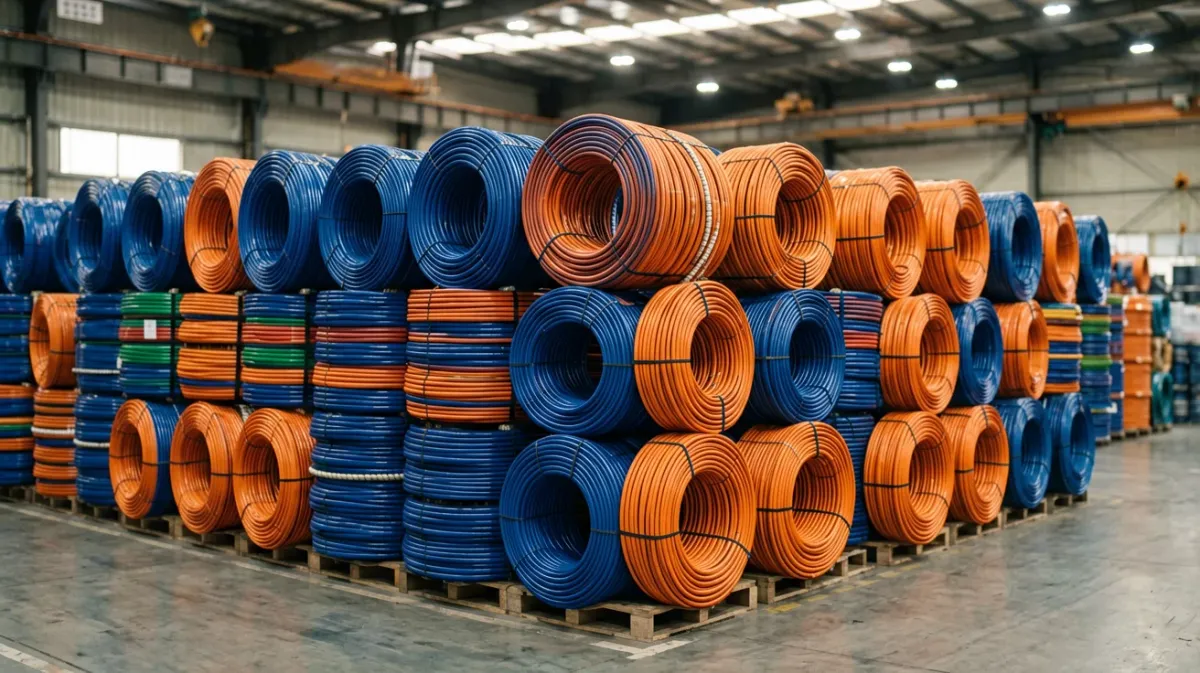
In the wire and cable industry, the choice of plasticizer directly determines product safety, longevity, and regulatory compliance. DOTP (Dioctyl Terephthalate), a non-phthalate plasticizer, has become the material of choice for PVC wire and cable manufacturers worldwide鈥攄elivering superior heat resistance, excellent electrical insulation, and full compliance with international environmental regulations. This guide explores why leading cable producers are transitioning to DOTP and how it performs across different wire and cable applications. For the complete physical and chemical property data behind DOTP's performance, see our DOTP Technical Properties Guide.
Why PVC Wire and Cable Demands High-Performance Plasticizers
PVC (polyvinyl chloride) is the most widely used insulation and sheathing material in the cable industry, accounting for over 60% of all wire and cable insulation globally. However, rigid PVC alone is brittle and unworkable鈥攊t requires plasticizers to achieve the flexibility, elongation, and processability that cable manufacturing demands.
For PVC wire and cable applications, the plasticizer must meet stringent requirements that go far beyond simple softening:
- Heat resistance 鈥?Cables in building walls, industrial plants, and automotive engine compartments routinely operate at 70鈥?05掳C for decades. The plasticizer must resist thermal degradation and volatilization.
- Electrical insulation 鈥?Even minor plasticizer migration can compromise dielectric strength, leading to short circuits or fire hazards.
- Low-temperature flexibility 鈥?Cables installed in cold climates must remain flexible at temperatures as low as -40掳C without cracking.
- Migration and extraction resistance 鈥?Contact with oils, solvents, and soils can extract plasticizers from PVC, causing embrittlement and insulation failure.
- Regulatory compliance 鈥?RoHS, REACH, and global phthalate bans require non-phthalate solutions for cables used in buildings, vehicles, and consumer electronics.
Traditional phthalate plasticizers like DOP (DEHP) fail on multiple fronts鈥攑articularly heat resistance and regulatory compliance. This is where DOTP plasticizer offers a decisive advantage.
Key Properties of DOTP for Wire and Cable Applications
Dioctyl Terephthalate (CAS 6422-86-2) is a terephthalate ester with a symmetric, aromatic molecular structure that provides fundamentally different performance characteristics compared to ortho-phthalate esters like DOP. Here are the properties that matter most for cable applications:
| Property | DOTP | DOP (DEHP) | Advantage |
|---|---|---|---|
| Volume resistivity (惟路cm) | 鈮?1.0 脳 1012 | ~ 1.0 脳 1011 | 10脳 better insulation |
| Heat loss at 125掳C (%) | 鈮?2.0 | ~ 4.0鈥?.0 | 2鈥?脳 lower volatilization |
| Low-temp flexibility (掳C) | -40 to -50 | -25 to -35 | Superior cold resistance |
| Migration resistance | Excellent | Moderate | Minimal plasticizer loss |
| Phthalate content | Zero (non-phthalate) | 100% phthalate | Full regulatory compliance |
| Soaping resistance (70掳C, %) | 鈮?0.5 | ~ 3.0鈥?.0 | 6鈥?0脳 better extraction resistance |
Superior Heat Resistance
The symmetric para-positioned ester groups in DOTP's molecular structure create stronger intermolecular forces with PVC chains, resulting in significantly lower volatility at elevated temperatures. In standard heat loss tests at 125掳C over 24 hours, DOTP typically loses less than 2% of its mass鈥攃ompared to 4鈥?% for DOP. This translates directly to longer cable service life, especially in high-temperature environments such as industrial wiring, power cables, and automotive harnesses.
Outstanding Electrical Insulation
Volume resistivity is a critical parameter for cable insulation鈥攈igher values mean better dielectric performance and lower leakage current. DOTP achieves volume resistivity values of 1.0 脳 1012 惟路cm or higher, approximately 10 times that of DOP. This makes DOTP the preferred PVC wire cable plasticizer for applications requiring high electrical safety margins, including building wiring, communication cables, and appliance cords.
Excellent Low-Temperature Performance
DOTP-plasticized PVC compounds maintain flexibility at temperatures as low as -40掳C to -50掳C, significantly outperforming DOP-based compounds that typically become stiff and crack-prone below -30掳C. This is essential for cables installed in cold climates, refrigeration systems, and outdoor infrastructure.
Migration and Extraction Resistance
In cable applications, plasticizer migration can cause insulation shrinkage, loss of flexibility, and contamination of adjacent materials. DOTP's aromatic terephthalate structure provides superior resistance to migration into polystyrene and other polymers, as well as excellent resistance to extraction by oils, solvents, and soapy water. This is particularly important for automotive cables, which are routinely exposed to engine oils and hydraulic fluids.
DOTP vs DOP in Wire and Cable: A Direct Comparison
While DOP (DEHP) was once the dominant plasticizer for PVC cables, regulatory pressure and performance limitations have driven a decisive shift toward DOTP. Here is how the two compare in cable-specific performance categories:
| Performance Category | DOTP | DOP (DEHP) | Winner |
|---|---|---|---|
| Heat aging resistance (100掳C, 7 days) | Tensile strength change 鈮?卤20% | Tensile strength change 鈮?卤30% | DOTP |
| Volume resistivity at 20掳C | 鈮?1.0 脳 1012 惟路cm | ~ 1.0 脳 1011 惟路cm | DOTP |
| Low-temperature cold bend | Passes at -40掳C | Passes at -25掳C | DOTP |
| Oil resistance (ASTM #2 oil, 70掳C) | Weight change 鈮?2% | Weight change 鈮?8% | DOTP |
| RoHS / REACH compliance | Fully compliant | Restricted / banned | DOTP |
| Cost (per ton) | Moderate | Lower | DOP (but non-compliant) |
The verdict is clear: DOTP outperforms DOP in every technical category relevant to cable performance. While DOP may have a lower per-ton price, the total cost of non-compliance鈥攊ncluding product recalls, market access restrictions, and liability risks鈥攎akes DOP an increasingly untenable choice for cable manufacturers.
DOTP Applications Across Wire and Cable Types
Building and Construction Wiring
Building wires operate behind walls and under floors for 30鈥?0 years, making long-term stability critical. DOTP-plasticized PVC insulation meets the requirements of IEC 60227 (PVC insulated cables) and IEC 60332 (fire performance), with heat resistance ratings up to 105掳C (Class C). The non-phthalate chemistry also satisfies green building standards such as LEED and BREEAM, which increasingly restrict phthalate content in construction materials.
Automotive Wire Harnesses
Automotive cables face extreme conditions: engine compartment temperatures exceeding 100掳C, exposure to fuels and lubricants, and vibration stress. DOTP's combination of heat resistance, oil resistance, and low-temperature flexibility makes it the ideal plasticizer for automotive PVC cables meeting ISO 6722 and LV 112 standards. Major automotive wire manufacturers have already transitioned to DOTP-based compounds for their 2-ethylhexanol-derived insulation systems.
Communication and Data Cables
Category 5e/6/6A data cables and fiber optic drop cables use PVC jackets that must maintain precise dimensional stability and flexibility over long installation runs. DOTP's low migration rate ensures that jacket dimensions remain stable over time, preventing signal attenuation caused by insulation shrinkage. The high volume resistivity of DOTP also minimizes crosstalk between adjacent conductors in high-density cable bundles.
Appliance and Electronic Cords
Power cords for household appliances must comply with IEC 60227 and UL 62 standards, which specify strict requirements for heat deformation, cold bend, and insulation resistance. DOTP-based PVC compounds easily meet these requirements while also satisfying the growing consumer demand for phthalate-free products in homes and offices.
Regulatory Compliance: Why DOTP Is the Future-Proof Choice
The regulatory landscape for phthalate plasticizers has shifted dramatically. Here are the key regulations driving the transition to DOTP in the cable industry:
- EU REACH 鈥?DEHP (DOP) is listed as an SVHC (Substance of Very High Concern) and requires authorization for use. DOTP is not a phthalate and is fully REACH compliant.
- EU RoHS 2 鈥?Restricts DEHP, DBP, and BBP to 0.1% by weight in electrical and electronic equipment. Cables used in electronics must comply.
- US CPSC 鈥?Prohibits DEHP, DBP, and BBP in children's products at concentrations above 0.1%. Cables in toys and juvenile products fall under this rule.
- China GB/T 26572 鈥?Limits phthalate content in electronic information products, mirroring RoHS restrictions.
- Global green building codes 鈥?LEED v4.1, BREEAM, and WELL Building Standard all incentivize or require phthalate-free building materials, including cables.
For cable manufacturers, the message is clear: DOTP is not just an alternative鈥攊t is the regulatory-safe choice. Shandong Changxing Plastic Additives Co., Ltd. provides DOTP that has passed SGS testing for phthalates (17 substances, all not detected), EN 71-3 element migration, and PFAS total fluorine screening, giving cable manufacturers a complete compliance package for global market access.
Formulation Guidance: Using DOTP in PVC Cable Compounds
Transitioning from DOP to DOTP in PVC cable formulations requires attention to a few key differences:
| Parameter | DOTP Formulation Note |
|---|---|
| Dosage | Typically 40鈥?0 phr for insulation, 50鈥?0 phr for sheathing. DOTP can be used as a 1:1 replacement for DOP in most formulations. |
| Processing temperature | DOTP has a slightly higher viscosity than DOP. Increase mixing temperature by 5鈥?0掳C for optimal plasticizer absorption. |
| Gelation time | Slightly longer than DOP due to higher molecular weight. Allow 10鈥?5% additional mixing time during compounding. |
| Compatibility | Excellent compatibility with PVC. Can be blended with other plasticizers (e.g., TOTM for extreme heat, DINCH for toy-grade) for custom performance profiles. |
| Stabilizer selection | Works well with Ca-Zn stabilizers and Ba-Zn stabilizers. Avoid lead-based stabilizers for full regulatory compliance. |
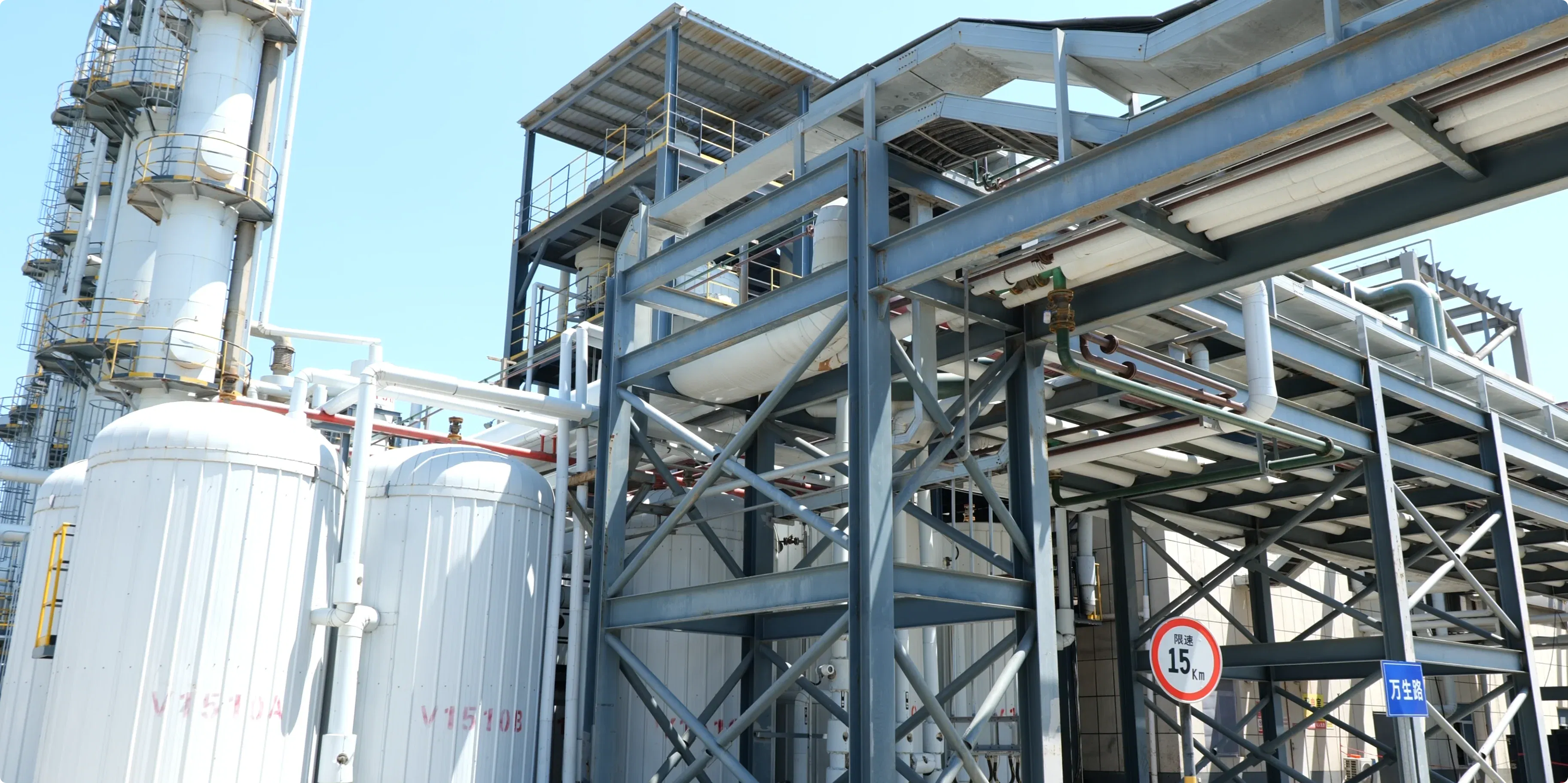
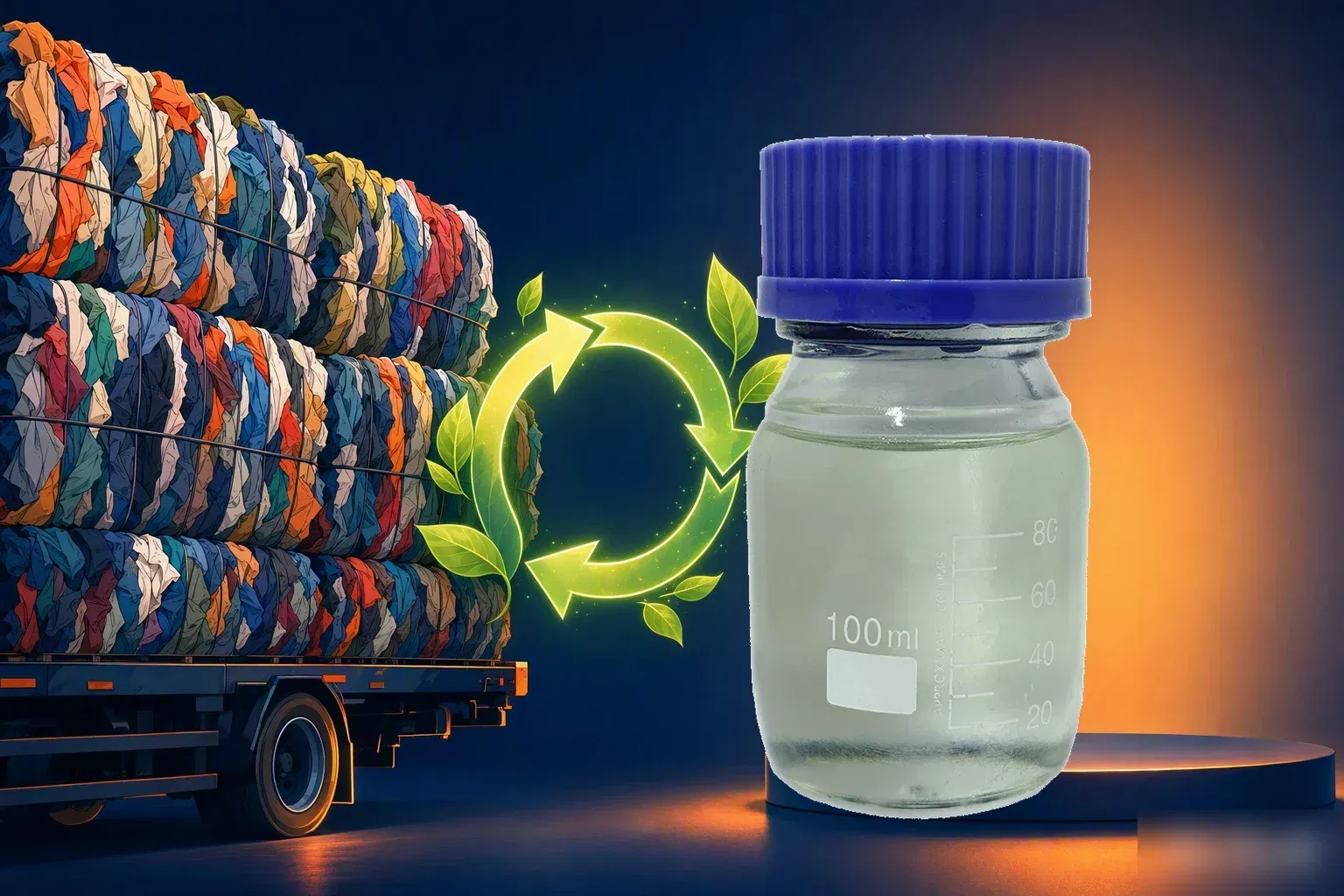
For manufacturers seeking a reliable Dioctyl Terephthalate supply, Shandong Changxing Plastic Additives Co., Ltd. offers DOTP produced from recycled PET via an internationally advanced process, with an annual capacity of 300,000 tons across the group. Our DOTP is certified under ISO 9001, ISO 14001, ISO 45001, and ISO 50001 management systems, ensuring consistent quality for demanding cable applications.
Industry Standards and Test Methods for DOTP in Cables
When specifying DOTP for PVC cable applications, manufacturers should reference the following standards and test methods:
- IEC 60227 鈥?Polyvinyl chloride insulated cables of rated voltages up to and including 450/750 V
- IEC 60332-1 鈥?Tests on electric and optical fibre cables under fire conditions
- UL 62 鈥?Flexible cord and fixture wire (US standard)
- UL 1581 鈥?Reference standard for electrical wires, cables, and flexible cords
- ISO 6722 鈥?Road vehicles 鈥?60 V and 600 V single-core cables (automotive)
- GB/T 8815 鈥?General purpose PVC compounds for wire and cable insulation (China)
- ASTM D1203 鈥?Standard test method for volatile loss from plastics using activated carbon
DOTP-based PVC compounds consistently meet or exceed the requirements of these standards, providing cable manufacturers with confidence in product certification and market acceptance.
References and External Resources
- IEC 鈥?International Electrotechnical Commission Standards
- ECHA 鈥?REACH Wire & Cable Compliance
- UL Standards & Engagement 鈥?Wire and Cable
Frequently Asked Questions
Can DOTP replace DOP 1:1 in PVC cable formulations?
Yes, in most PVC cable formulations DOTP can be used as a direct 1:1 replacement for DOP by weight. Typical dosages are 40–60 phr for insulation and 50–80 phr for sheathing. However, because DOTP has slightly higher viscosity and molecular weight, manufacturers should increase mixing temperature by 5–10°C and allow 10–15% additional gelation time for optimal plasticizer absorption.
What temperature rating can DOTP-plasticized PVC cables achieve?
DOTP-plasticized PVC cables can achieve heat resistance ratings up to 105°C (Class C per IEC 60227), compared to a typical maximum of 70–80°C for DOP-based compounds. This makes DOTP suitable for building wiring in hot climates, industrial power cables, and automotive engine compartment harnesses that require sustained high-temperature performance.
Is DOTP compliant with EU RoHS and REACH for cable applications?
Yes, DOTP is fully compliant with both EU RoHS 2 and REACH. Unlike DOP (DEHP), which is listed as an SVHC under REACH and restricted to 0.1% under RoHS, DOTP is a non-phthalate plasticizer with zero phthalate content. Shandong Changxing's DOTP has passed SGS testing for 17 phthalate substances (all not detected), EN 71-3 element migration, and PFAS total fluorine screening.
How does DOTP improve electrical insulation in PVC cables?
DOTP achieves volume resistivity values of ≥ 1.0 × 10¹² Ω·cm, approximately 10 times higher than DOP (~ 1.0 × 10¹¹ Ω·cm). Higher volume resistivity means better dielectric performance, lower leakage current, and reduced risk of short circuits. DOTP's superior migration resistance also prevents plasticizer leaching that could otherwise compromise insulation integrity over decades of service.
What standards apply to DOTP-plasticized PVC cables?
Key standards include IEC 60227 (PVC insulated cables up to 450/750 V), IEC 60332-1 (fire performance), UL 62 and UL 1581 (US flexible cord standards), ISO 6722 (automotive 60 V and 600 V cables), GB/T 8815 (Chinese standard for PVC cable compounds), and ASTM D1203 (volatile loss testing). DOTP-based PVC compounds consistently meet or exceed all these requirements.
Ready to Source Premium DOTP for PVC Wire and Cable?
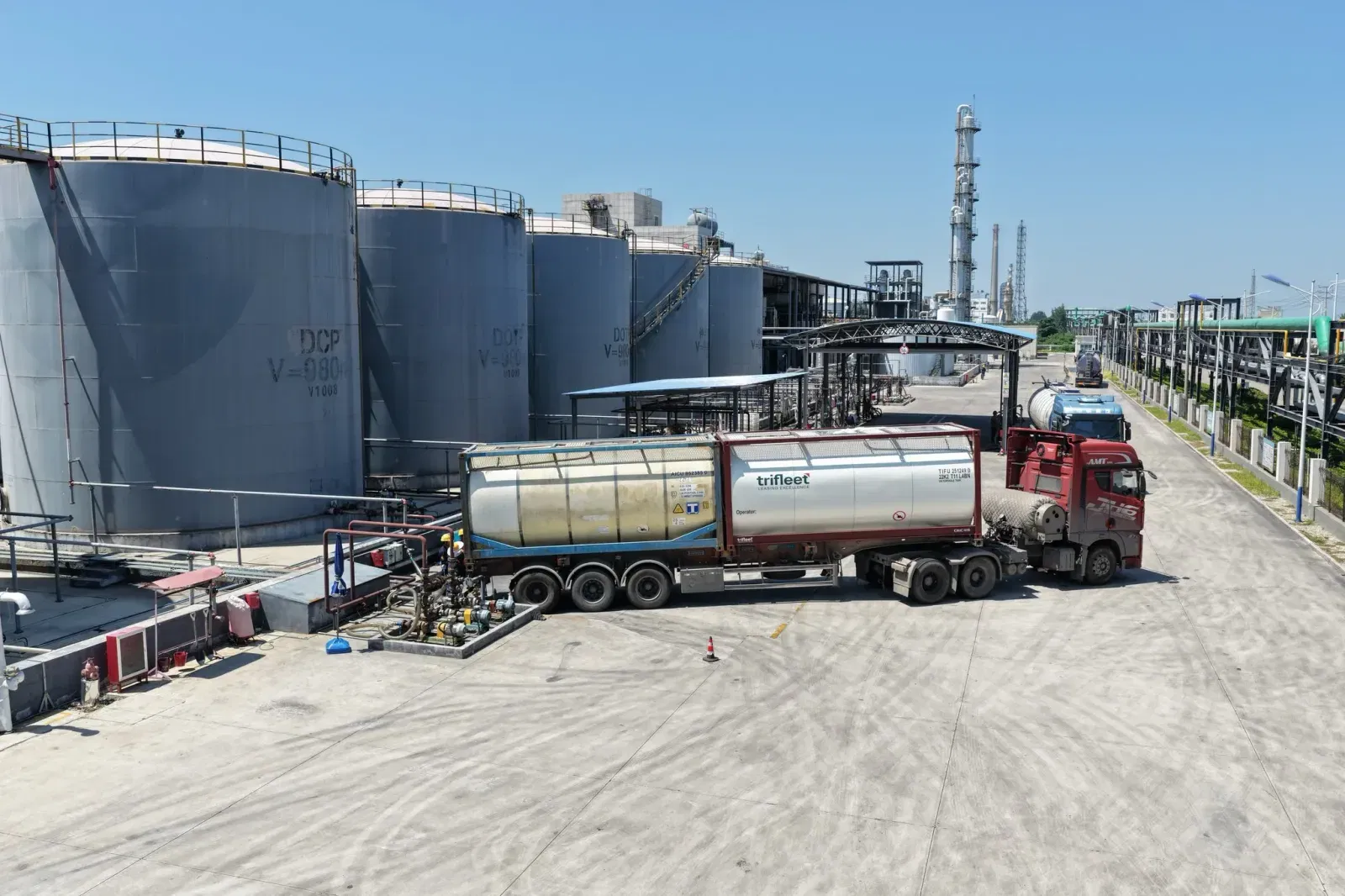
Shandong Changxing Plastic Additives Co., Ltd. is an ISO 9001/14001/45001/50001 certified manufacturer with 300,000 tons annual capacity. We supply DOTP, DCP, and 2-octanol to cable manufacturers worldwide鈥攚ith complete SGS compliance documentation for EU and US market access.
Request a Free Quote + Technical Data Sheet- 鉁?DOTP from recycled PET 鈥?internationally advanced process
- 鉁?SGS phthalate-free, EN 71-3, PFAS-free certified
- 鉁?ISO 9001 / 14001 / 45001 / 50001 certified
- 鉁?National "Little Giant" enterprise 鈥?trusted by global cable manufacturers
- 鉁?300,000 tons annual capacity 鈥?stable supply guaranteed