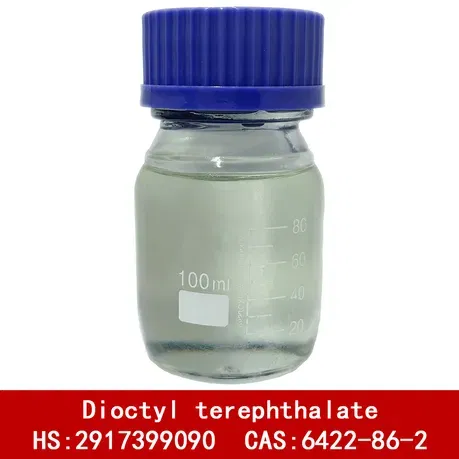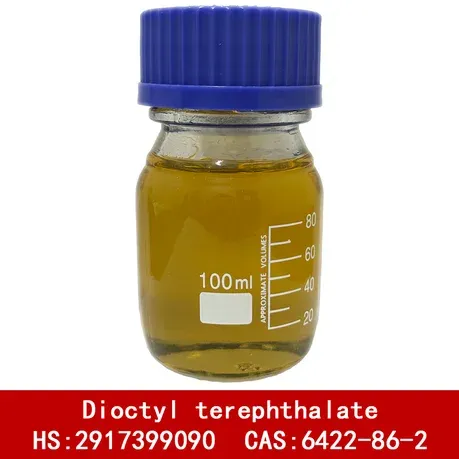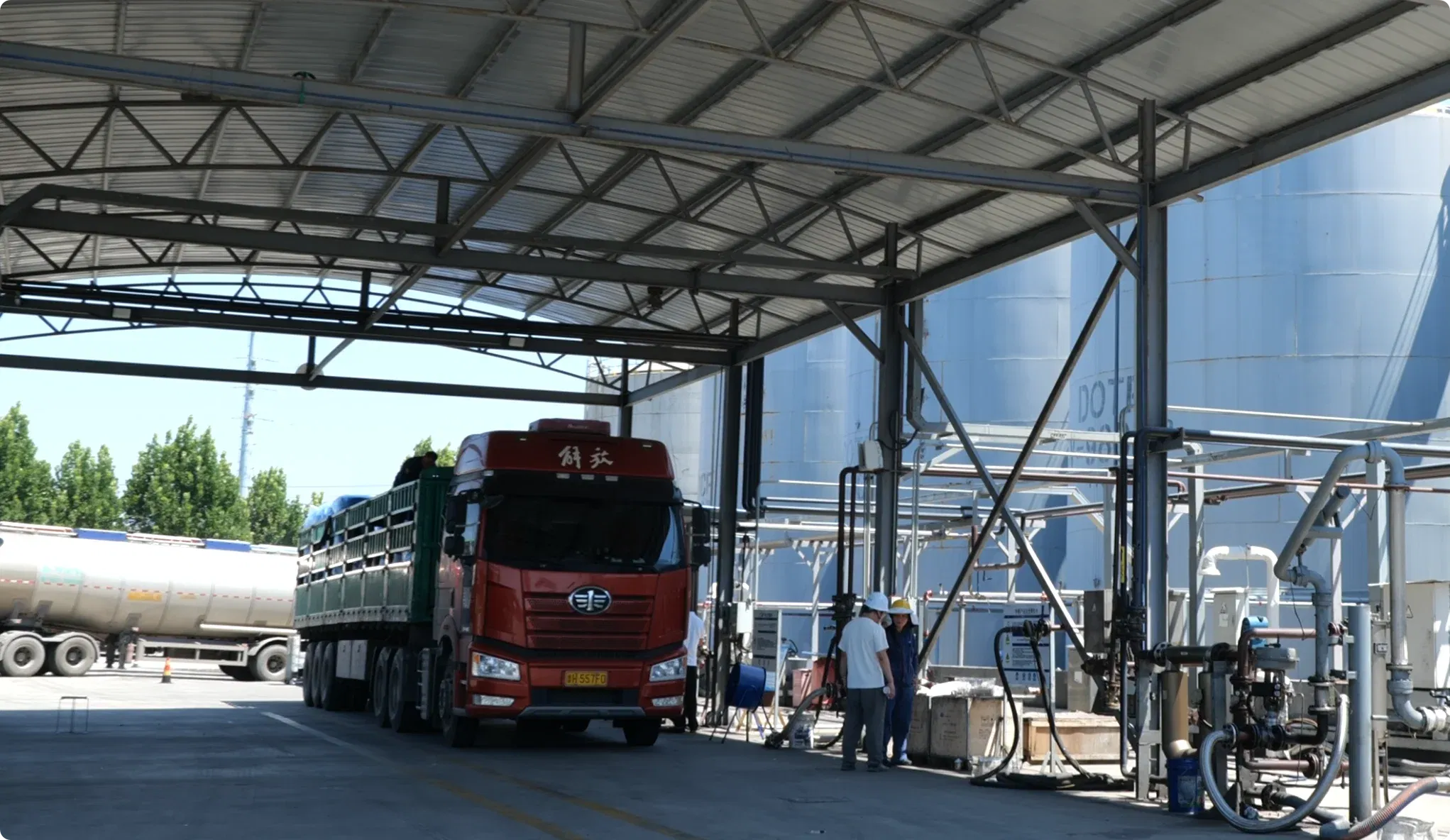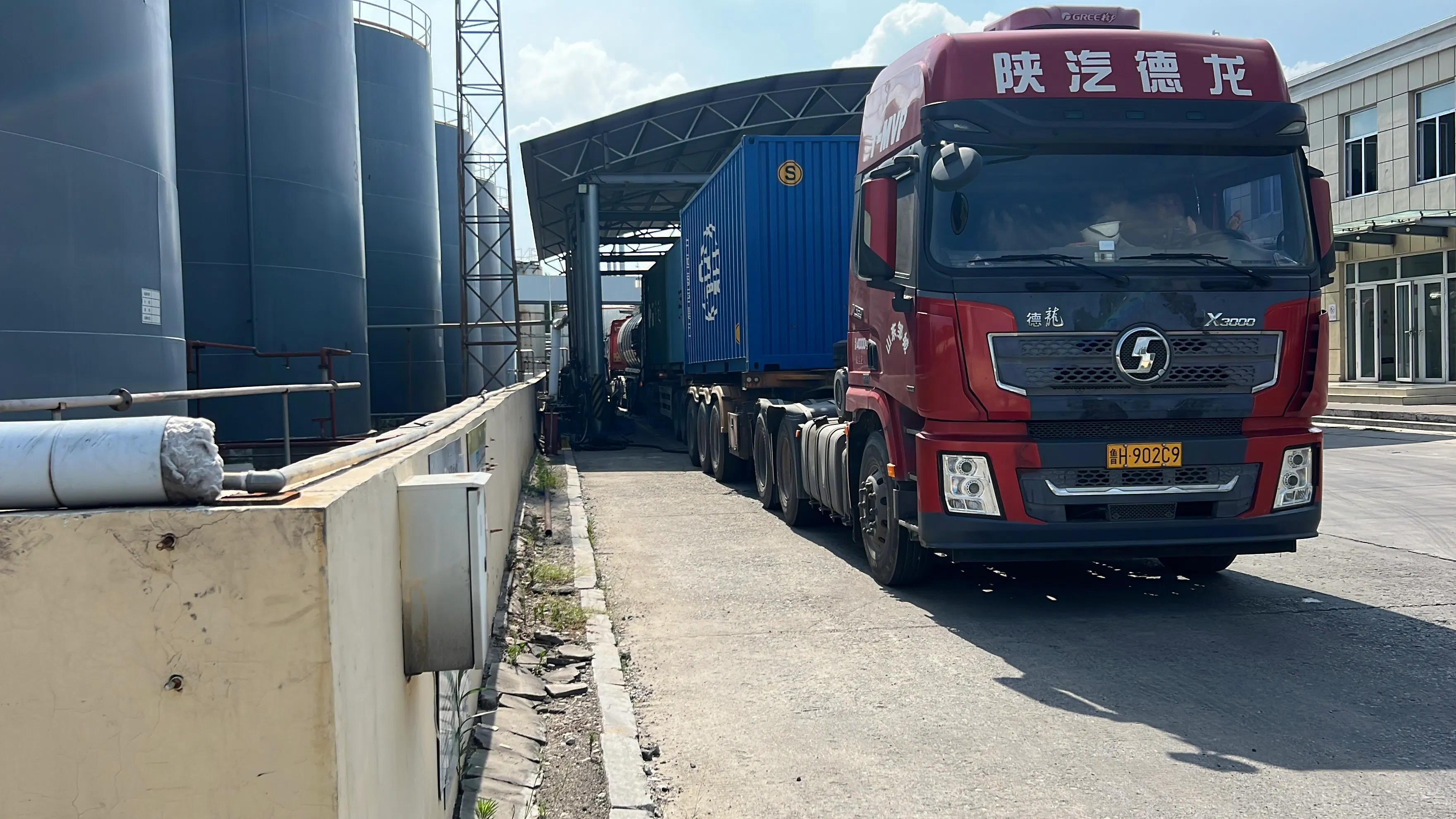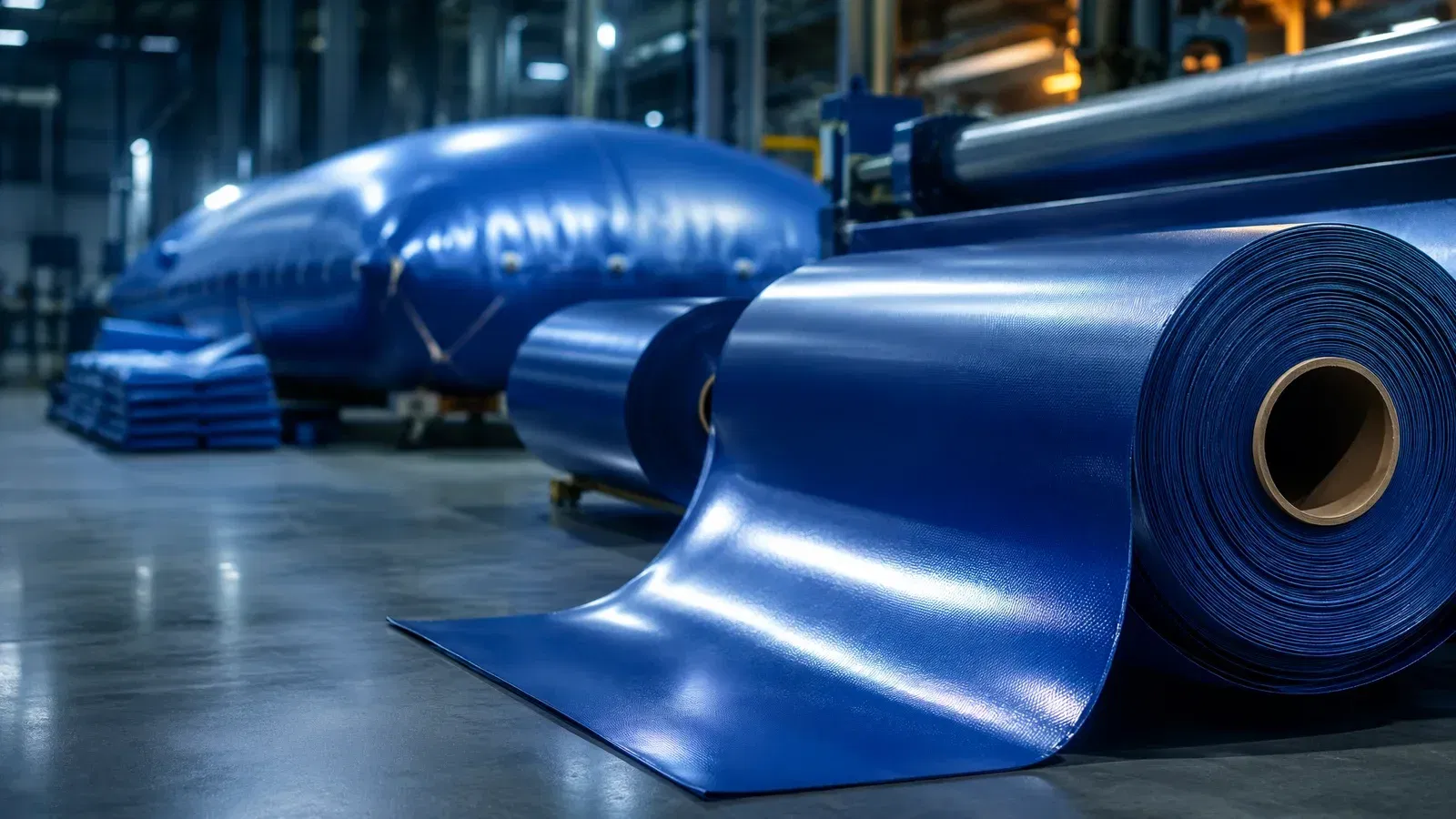

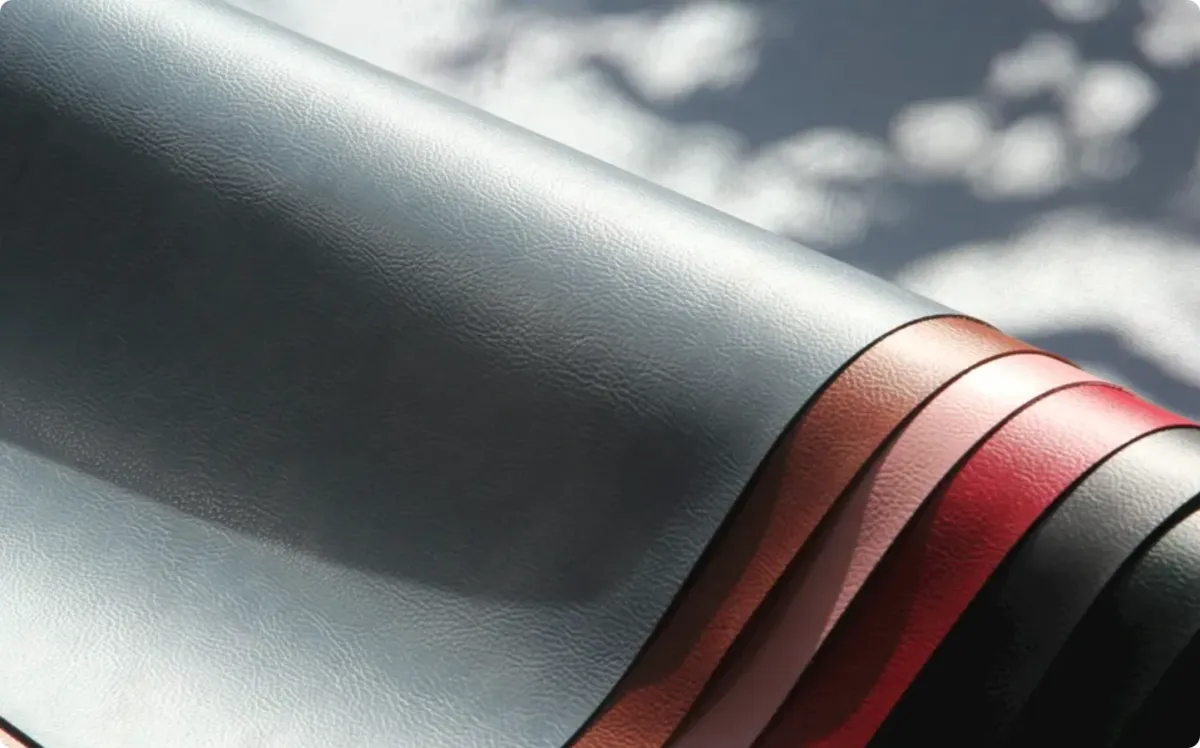
Artificial leather — also known as synthetic leather, PU leather, or PVC leather — is one of the largest application segments for DOTP (Dioctyl Terephthalate) plasticizer. From furniture upholstery and automotive interiors to fashion handbags and footwear, DOTP-plasticized PVC delivers the softness, durability, and regulatory compliance that modern synthetic leather demands. This guide explores why leading artificial leather manufacturers worldwide are transitioning to DOTP and how it performs across different end-use applications. For the complete physical and chemical data behind DOTP's performance, see our DOTP Technical Properties Guide.
What Is Artificial Leather and Why Plasticizers Matter
Artificial leather is a fabric coated or laminated with a polymer layer that simulates the appearance and feel of natural leather. The two dominant types are:
- PVC artificial leather — A textile substrate (polyester or cotton backing) coated with a PVC paste (plastisol) containing plasticizer, stabilizer, pigment, and filler. PVC leather accounts for approximately 60–65% of global synthetic leather production by volume.
- PU synthetic leather — A textile substrate coated with polyurethane resin. PU leather offers better breathability but higher cost and lower durability in some applications.
In PVC artificial leather, the plasticizer is the single most important additive — typically comprising 40–80 parts per hundred resin (phr) of the PVC formulation. The plasticizer determines:
- Softness and hand feel — Higher plasticizer loading produces softer, more supple leather.
- Low-temperature flexibility — Leather used in cold climates must remain flexible without cracking.
- Migration resistance — Plasticizer should not migrate to the surface (causing stickiness) or into adjacent materials (causing discoloration or adhesion failure).
- Volatile loss — At elevated temperatures, plasticizer volatility causes embrittlement and surface fogging.
- Regulatory compliance — EU REACH, US CPSIA, and other regulations restrict phthalate plasticizers in consumer products.
Traditional phthalate plasticizers — primarily DOP (DEHP) and DINP — have been the industry standard for decades. However, tightening global regulations on phthalates have made DOTP plasticizer the preferred alternative for PVC artificial leather manufacturers worldwide.
DOTP vs Phthalate Plasticizers in Artificial Leather
The following table compares DOTP with the two most common phthalate plasticizers used in PVC artificial leather production. As DOTP replaces DEHP and DINP across the industry, understanding these differences helps leather manufacturers make informed material selections.
| Property | DOTP | DINP | DOP (DEHP) |
|---|---|---|---|
| Chemical class | Terephthalate (non-phthalate) | Ortho-phthalate | Ortho-phthalate |
| REACH status | Not restricted | Restricted in toys/childcare | SVHC, Annex XVII |
| Typical loading (phr) | 50–80 | 50–80 | 50–80 |
| Heat loss at 125°C (%) | ≤0.3 | 1.5–2.5 | 4.0–5.0 |
| Low-temp flexibility (°C) | -48 | -25 to -30 | -25 to -35 |
| Migration to PS/PU | Minimal | Moderate | Significant |
| Surface tackiness over time | Low | Moderate | High |
| Fogging (PV 3341, mg) | <1.0 | 1.5–3.0 | 3.0–5.0 |
Key Advantages of DOTP in PVC Artificial Leather
Superior Migration Resistance
Migration is the most common quality failure in PVC artificial leather. When plasticizer migrates to the surface, the leather becomes sticky, attracts dust, and loses its leather-like texture. When plasticizer migrates into adjacent materials — such as polyurethane foam in furniture, or polystyrene in packaging — it causes discoloration, adhesion failure, and structural damage.
DOTP's symmetric para-positioned ester groups create stronger intermolecular forces with PVC chains compared to ortho-phthalate esters. This results in significantly lower migration rates. In standard migration tests (ISO 177, 40°C for 72 hours against polyisocyanate foam), DOTP-plasticized PVC typically shows migration loss of 0.5–1.5 mg/cm², compared to 3.0–5.0 mg/cm² for DOP-based formulations. This advantage is critical for:
- Furniture upholstery — PVC leather in contact with PU foam cushions must resist migration to prevent foam degradation and adhesive failure.
- Automotive interiors — Door panels and seat covers in contact with polycarbonate and ABS components must not cause stress cracking or surface damage.
- Fashion accessories — Handbags and wallets with PVC leather exteriors must not transfer plasticizer to clothing or other materials during storage.
Excellent Low-Temperature Flexibility
PVC artificial leather used in cold climates must remain flexible without cracking. DOTP-plasticized PVC achieves a cold flex temperature of approximately -48°C (tested per ASTM D1043 Clash-Berg), compared to -25°C to -35°C for DOP-based formulations. Under the more severe cold crack test (ASTM D1790), DOTP formulations typically crack at -35°C to -40°C, versus -15°C to -20°C for DOP. This makes DOTP the preferred choice for:
- Outdoor furniture in temperate and cold climates
- Automotive interiors in northern regions (Scandinavia, Canada, Russia)
- Winter footwear and cold-weather accessories
- PVC leather used in refrigerated transport interiors
Low Volatility and Long-Term Durability
Plasticizer volatility directly affects the service life of PVC artificial leather. As plasticizer evaporates over time, the leather becomes stiff, brittle, and prone to cracking. DOTP's heat loss at 125°C is ≤0.3% over 24 hours — approximately 5–15 times lower than DOP. In accelerated aging tests (70°C for 7 days per ISO 176), DOTP-plasticized PVC retains over 95% of its original elongation, while DOP-based formulations typically retain only 75–85%. This translates to significantly longer product life for furniture, automotive interiors, and other durable goods.
Full Regulatory Compliance
Regulatory pressure is the primary driver of the transition from phthalate to non-phthalate plasticizers in artificial leather. Key regulations affecting the industry include:
- EU REACH Annex XVII — DEHP, DBP, BBP, and DIBP are restricted to ≤0.1% in all consumer articles. PVC artificial leather containing these phthalates cannot be sold in the EU market.
- US CPSIA Section 108 — Eight phthalates are restricted to ≤0.1% in children's products. PVC leather used in children's footwear, backpacks, and accessories must be phthalate-free.
- California Proposition 65 — DEHP is listed as a carcinogen and reproductive toxicant. Products containing DEHP require warning labels in California.
- China GB 21550-2008 — Limits phthalate content in furniture leather and interior decoration materials.
- EU Toy Safety Directive 2009/48/EC — PVC leather used in toys must comply with EN 71-3 element migration and phthalate limits.
DOTP is a non-phthalate terephthalate ester that is not restricted under any of these regulations. Shandong Changxing's DOTP has passed SGS testing for all 17 restricted phthalates (zero detection), EN 71-3 element migration (19 elements, zero migration), and PFAS total fluorine screening (ND, <20 mg/kg) — providing the documentation leather manufacturers need for global market access.
DOTP in PVC Artificial Leather by Application
Furniture Upholstery
Furniture is the largest single application for PVC artificial leather, accounting for approximately 35% of global consumption. PVC leather for furniture requires a balance of softness (Shore A 60–80), abrasion resistance (≥20,000 cycles per Martindale), and migration resistance against PU foam. DOTP is typically used at 55–70 phr for furniture-grade PVC leather. The key advantage over DINP is DOTP's lower migration to PU foam, which prevents the "sticky cushion" defect that causes costly warranty returns.
Automotive Interior Leather
Automotive PVC leather is used for seat covers, door panel trim, dashboard wraps, and headliners. The automotive segment demands the highest performance standards: excellent UV resistance, low fogging (PV 3341 ≤3.0 mg), and compliance with OEM material specifications (VW TL 528, BMW GS 93008). DOTP is typically used at 60–75 phr for automotive-grade PVC leather. Its low fogging value (<1.0 mg in PV 3341) and superior low-temperature flexibility (-48°C) make it the preferred choice for vehicles exported to European and North American markets.
Fashion Handbags and Accessories
PVC artificial leather for fashion applications requires a fine, natural leather-like grain, excellent color fastness, and zero odor. DOTP's mild odor profile — compared to the characteristic "plastic" smell of some phthalate-based formulations — is a significant advantage in fashion applications where consumer perception is critical. Typical loading is 50–65 phr for handbag and wallet-grade PVC leather. REACH compliance is mandatory for all products sold in the EU, making DOTP the standard choice for export-oriented fashion leather manufacturers.
Footwear
PVC leather for footwear must withstand repeated flexing, abrasion, and exposure to moisture and temperature cycling. DOTP's combination of low-temperature flexibility, migration resistance, and flex endurance makes it suitable for shoe uppers, linings, and insoles. For children's footwear, CPSIA phthalate limits make DOTP mandatory in the US market. Typical loading is 55–70 phr for footwear-grade PVC leather.
Sporting Goods and Balls
PVC artificial leather is widely used for sporting goods including basketball covers, football casings, gym equipment padding, and yoga mats. These applications require high abrasion resistance, good rebound resilience, and compliance with toy safety standards for products used by children. DOTP at 50–65 phr provides the required performance while ensuring phthalate-free compliance for products that may be classified as toys or childcare articles.
DOTP Formulation Guidance for PVC Artificial Leather
Transitioning from DOP or DINP to DOTP in PVC artificial leather formulations requires attention to several processing differences:
| Parameter | DOTP | DOP/DINP | Adjustment |
|---|---|---|---|
| Plasticizing efficiency | Slightly lower | Reference | Increase loading by 2–5 phr for equivalent hardness |
| Gelation temperature | ~5°C higher | Reference | Increase oven temperature by 5–10°C |
| Plastisol viscosity | Slightly higher | Reference | Add viscosity reducer or adjust mixing speed |
| Mixing time | 10–15% longer | Reference | Extend mixing cycle for complete absorption |
| 1:1 replacement | Possible in most formulations; small-scale trial recommended before full production | ||
In most PVC artificial leather formulations, DOTP can replace DOP or DINP on a phr-for-phr basis with minimal adjustment. The slightly higher gelation temperature and plastisol viscosity are easily managed through minor process optimization. A laboratory-scale trial is recommended before full production transition to confirm processing behavior and final product properties.
Why Choose Shandong Changxing's DOTP for Artificial Leather
Shandong Changxing Plastic Additives Co., Ltd. has established itself as a trusted DOTP supplier to the global artificial leather industry through a combination of quality, compliance, and capacity:
Four ISO Certifications
ISO 9001 (Quality), ISO 14001 (Environmental), ISO 45001 (Health & Safety), and ISO 50001 (Energy) — ensuring consistent quality that meets the audit requirements of global leather manufacturers and their OEM customers.
SGS-Certified Compliance
Our DOTP has passed SGS testing for all 17 restricted phthalates (zero detection), EN 71-3 element migration (19 elements, zero migration), and PFAS total fluorine screening (ND, <20 mg/kg) — providing the documentation leather manufacturers need for EU, US, and Japanese market access.
300,000-Ton Annual Capacity
Current annual DOTP production capacity of 300,000 tons ensures stable, long-term supply for large-volume leather manufacturers who cannot afford production disruptions. 3,000+ tons of regular inventory enables fast delivery within 7 days for standard orders.
National Little Giant Enterprise
Recognized as a national "Little Giant" (专精特新) enterprise and Shandong Gazelle Enterprise — credentials that demonstrate technological leadership and financial stability valued by procurement teams at major leather manufacturers.
Our premium-grade DOTP achieves ester content ≥99%, volume resistivity ≥2×10¹² Ω·cm, and color (Pt-Co) ≤50 — specifications that consistently meet the requirements of major leather manufacturers for furniture, automotive, and fashion applications.
Frequently Asked Questions
Can DOTP replace DOP in PVC artificial leather formulations?
Yes. In most PVC artificial leather formulations, DOTP can replace DOP or DINP on a phr-for-phr basis with minimal adjustment. The slightly higher gelation temperature (~5°C) and plastisol viscosity are easily managed through minor process optimization. A laboratory-scale trial is recommended before full production transition.
What is the typical DOTP loading for PVC artificial leather?
DOTP loading varies by application: furniture leather 55–70 phr, automotive leather 60–75 phr, fashion handbags 50–65 phr, footwear 55–70 phr, and sporting goods 50–65 phr. For equivalent hardness to DOP, increase DOTP loading by 2–5 phr due to its slightly lower plasticizing efficiency.
Why is DOTP better than DOP for automotive PVC leather?
DOTP offers three critical advantages for automotive applications: (1) low fogging value (<1.0 mg in PV 3341) meeting OEM specifications like VW TL 528 and BMW GS 93008; (2) superior low-temperature flexibility (-48°C cold flex temperature) for vehicles exported to cold climates; (3) full REACH compliance for European market access without SVHC concerns.
Is DOTP-compliant PVC artificial leather safe for children's products?
Yes. DOTP is a non-phthalate terephthalate ester not restricted under EU REACH, US CPSIA, or EU Toy Safety Directive. Shandong Changxing's DOTP has passed SGS testing for all 17 restricted phthalates (zero detection), EN 71-3 element migration (19 elements, zero migration), and PFAS total fluorine screening — providing documentation for children's footwear, backpacks, and toy applications.
How does DOTP prevent the 'sticky cushion' defect in furniture leather?
The 'sticky cushion' defect occurs when plasticizer migrates from PVC leather into adjacent PU foam, causing foam degradation and adhesive failure. DOTP's symmetric para-positioned ester groups create stronger intermolecular forces with PVC chains, resulting in migration loss of only 0.5–1.5 mg/cm² (ISO 177) compared to 3.0–5.0 mg/cm² for DOP-based formulations — virtually eliminating this costly warranty issue.
Ready to Source Premium DOTP for Artificial Leather?
Shandong Changxing Plastic Additives Co., Ltd. is an ISO 9001 certified manufacturer with 300,000 tons annual capacity. We supply DOTP, DCP, and 2-octanol to artificial leather manufacturers worldwide. Our DOTP has passed SGS phthalate, EN 71-3, and PFAS testing — providing the compliance documentation your customers require.
Request a Free Quote