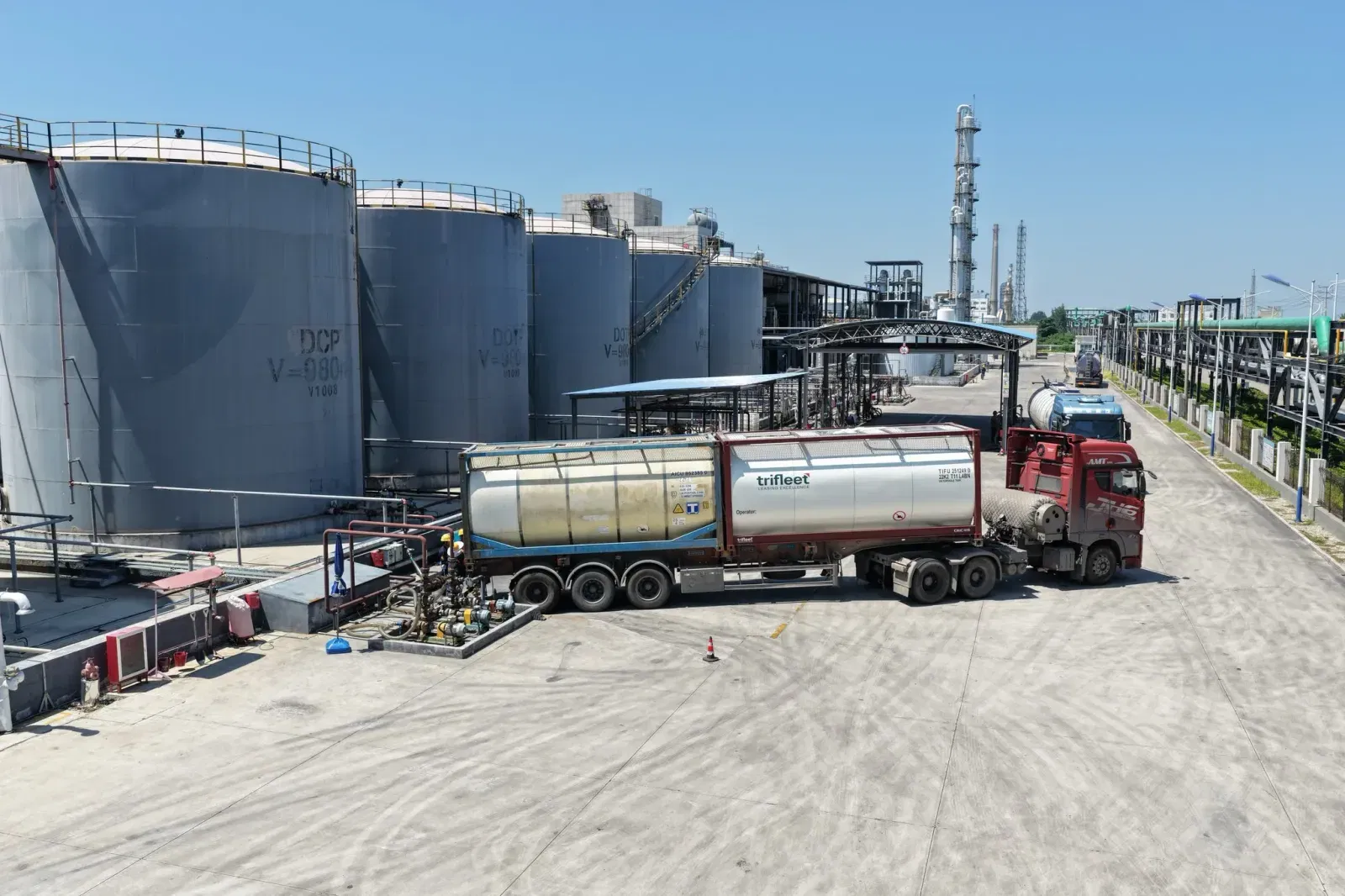

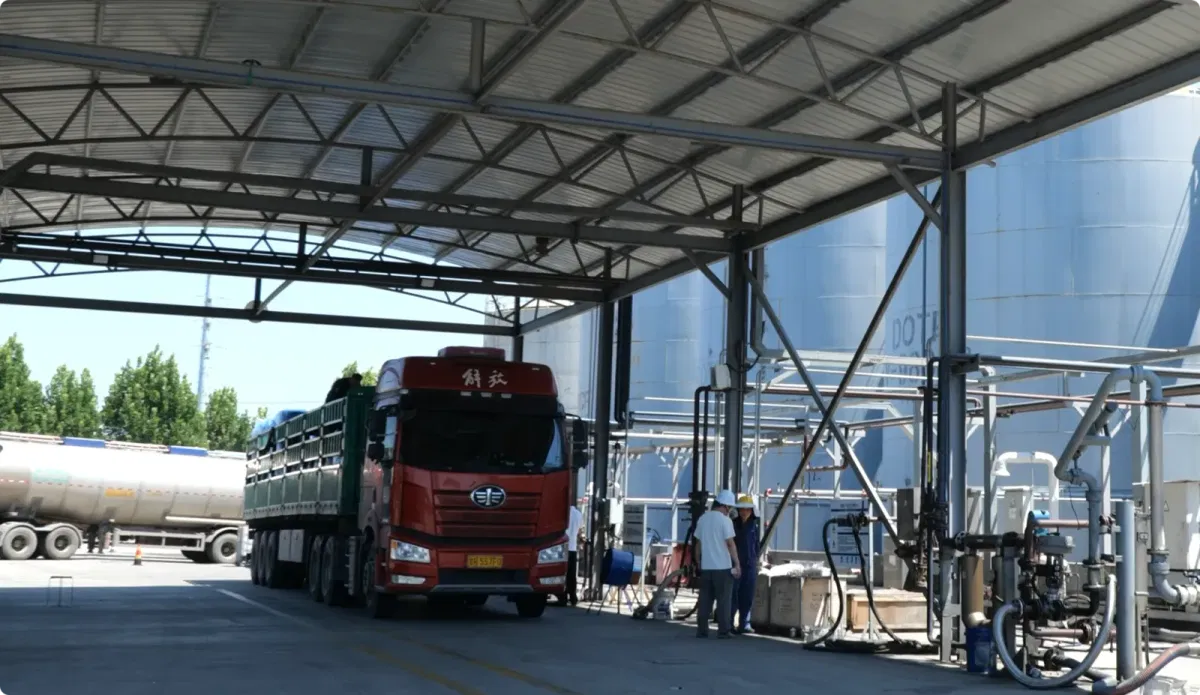
For procurement teams sourcing DOTP (Dioctyl Terephthalate) and monoethylene glycol (MEG), the central question is not merely "who can supply?" but "how is it made?" The production process determines everything that matters to a buyer: quality consistency, cost structure, supply stability, environmental footprint, and regulatory traceability. This article provides a detailed, stage-by-stage walkthrough of Shandong Changxing Plastic Additives' 8-step PET circular-economy process - the route that makes our DOTP both environmentally responsible and cost-competitive. Every photograph below is taken from our actual production facilities.
Why Recycling Is the Key to Both Quality and Affordability
The conventional route to DOTP runs through virgin terephthalic acid (PTA) and 2-ethylhexanol - both derived from petroleum. When oil prices surge, feedstock costs follow, and DOTP buyers absorb the shock. Shandong Changxing chose a different path: we use waste PET as our terephthalate source. Every year, we collect over 40,000 tons of polyester textile offcuts, beverage bottles, fishing nets, and agricultural film that would otherwise be landfilled or incinerated, and convert them into premium-grade DOTP through chemical recycling.
This is not a downcycling story. Through depolymerization and re-esterification, the molecular structure of DOTP from waste PET is identical to DOTP from virgin petrochemicals. What changes is the cost equation: waste PET is cheaper than PTA, our octanol recovery loop returns over 95% of unreacted alcohol to the reactor, and the co-produced MEG generates additional revenue. The result is DOTP that meets the same specifications as virgin material - ester content ≥98%, color ≤150 APHA, volume resistivity ≥2×10¹² Ω·cm - while costing less to produce and carrying a lower carbon footprint. That is what we mean by "quality and affordability through efficient recycling."
Process at a Glance
40,000+ t
Waste PET recycled per year
300,000 t
DOTP annual production capacity
8,500 t
Carbon emissions reduced per year
Step 1 - Waste PET Recycling: The Raw-Material Foundation
The process begins long before any chemical reaction. Our recycling network spans the textile, packaging, and agricultural sectors, collecting polyester waste from diverse sources: textile offcuts from garment factories, post-consumer beverage bottles, discarded fishing nets, and used agricultural film. Annual collection volume exceeds 40,000 tons.
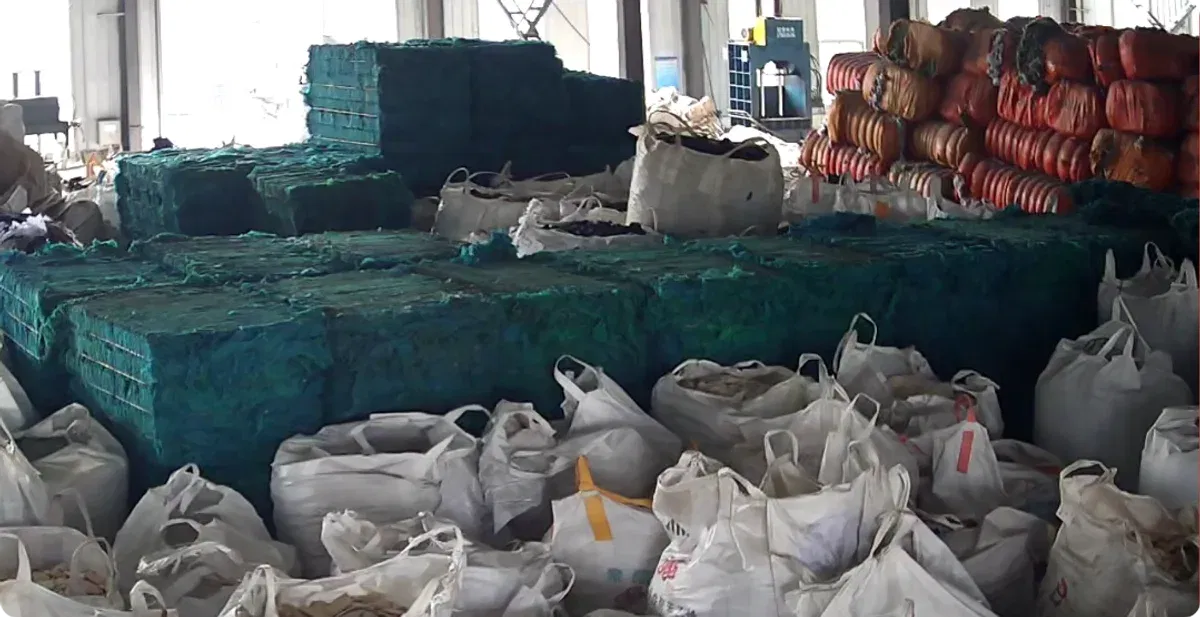
Every incoming batch is recorded by source, weight, and preliminary impurity profile. This traceability is not just internal bookkeeping - it is the documentation your procurement team needs for ESG reporting, sustainability audits, and increasingly stringent extended-producer-responsibility (EPR) compliance in the EU and other markets. When you source DOTP from Shandong Changxing, you can tell your stakeholders exactly where the terephthalate in your plasticizer came from.
Buyer significance: Diversified raw-material sourcing insulates DOTP supply from single-feedstock disruptions. If virgin PTA prices spike due to oil volatility, our cost structure remains stable because waste PET pricing is driven by recycling logistics, not crude oil. This stability is passed on to buyers through long-term contract pricing.
Step 2 - Sorting and Shredding: Controlling What Enters the Reactor
Recovered PET is anything but uniform. It arrives mixed with metals (zippers, bottle caps), rubber, paper labels, adhesives, and non-PET plastics. Our sorting line combines manual pre-selection with magnetic separation to remove ferrous metals, then shredding reduces the material to flakes. Air separation and density sorting further purify the flake stream, separating PET from lighter contaminants.
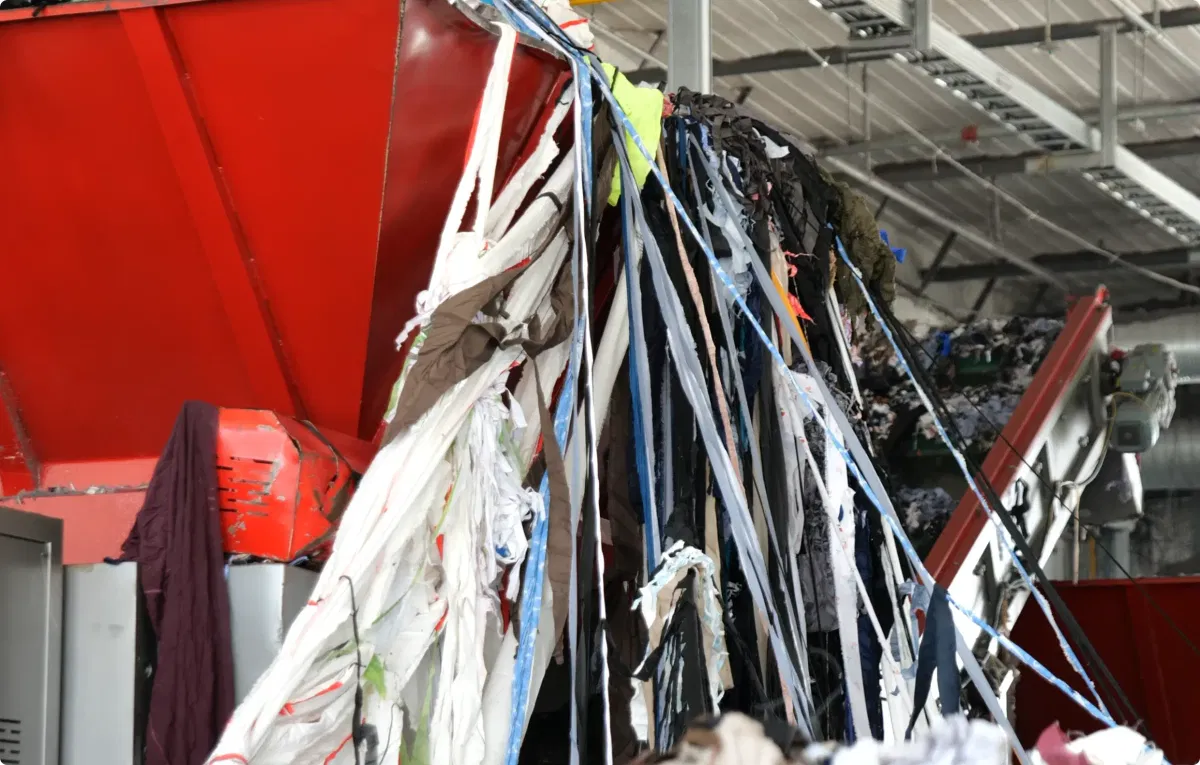
Buyer significance: Rigorous upstream impurity removal is the first line of defense for product quality. Metal and rubber contamination that enters the reactor will carry through to finished DOTP, potentially damaging your downstream processing equipment and causing batch failures. Our multi-stage sorting ensures that only PET enters the chemical process - protecting your product integrity.
Step 3 - Washing and Impurity Removal: Purity Before Chemistry
Shredded flakes carry surface contaminants that sorting cannot remove: adhesives from labels, residual beverages, oils, and dirt. Our washing circuit combines three technologies in sequence: hot alkaline wash (dissolves oils and adhesives), friction wash (mechanically scrubs surface contaminants), and floatation separation (removes materials with different densities). Multi-stage rinsing with clean water follows, and centrifugal dewatering produces dry, clean PET flakes ready for melt pelletizing.
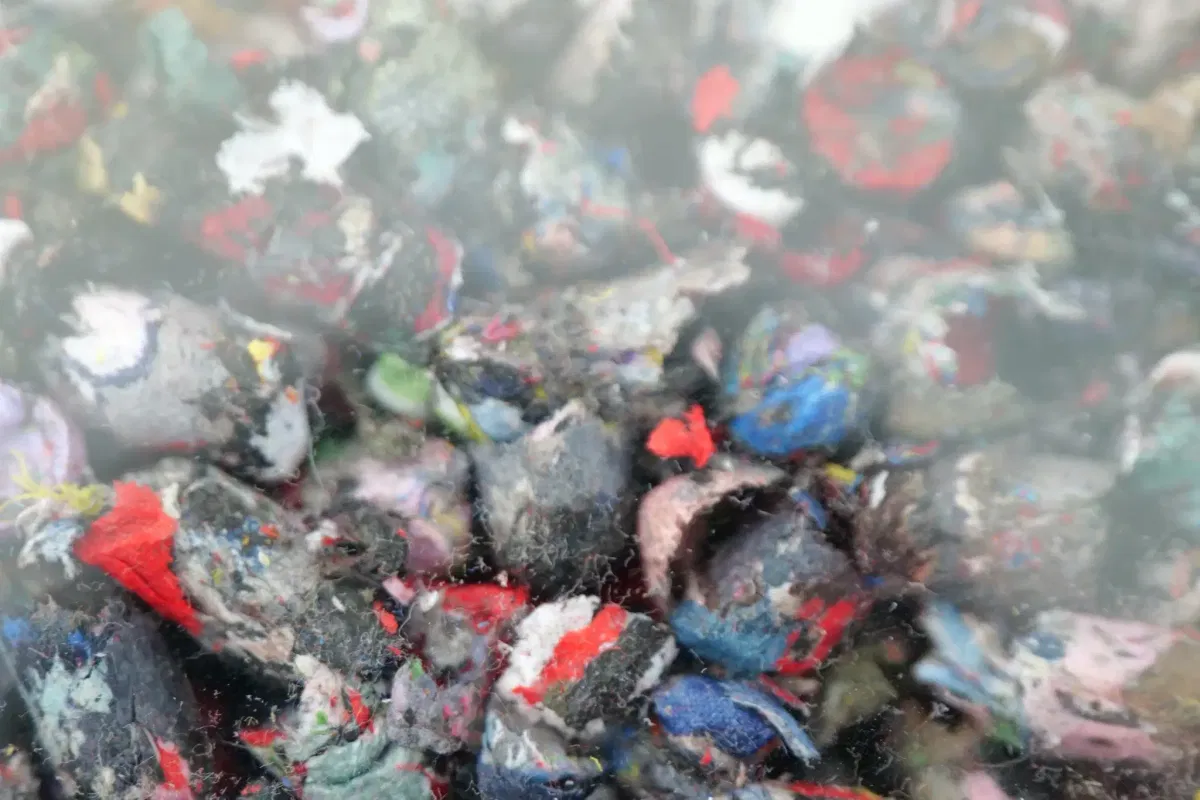
Buyer significance: Deep cleaning at this stage directly determines downstream quality. Residual adhesives and oils would introduce color bodies and acid precursors into the final DOTP, raising acid value and degrading color. Our combined hot-alkaline + friction + floatation approach achieves the purity level needed for premium-grade DOTP (color ≤150 APHA).
Step 4 - Melt Pelletizing: Standardizing the Feedstock
Clean flakes are fed into a screw extruder operating at high temperature. The PET melts, and a filter screen captures any trace impurities that survived washing. The molten PET exits through a die head, is cut into uniform pellets, and cooled. These pellets are the standardized feedstock for the transesterification reaction.
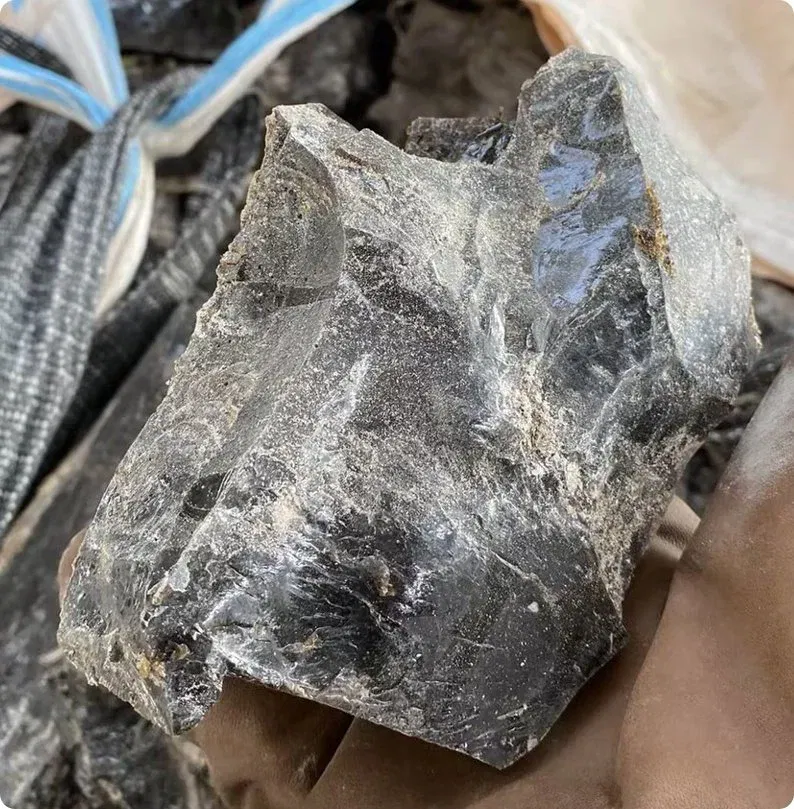
Buyer significance: Pelletizing standardizes the feedstock form factor, enabling consistent reactor charging and reproducible reaction kinetics. This is the engineering step that makes batch-to-batch DOTP uniformity possible - without standardized feedstock, no amount of downstream QC can guarantee consistent product.
Step 5 - Transesterification: Where DOTP and MEG Are Born
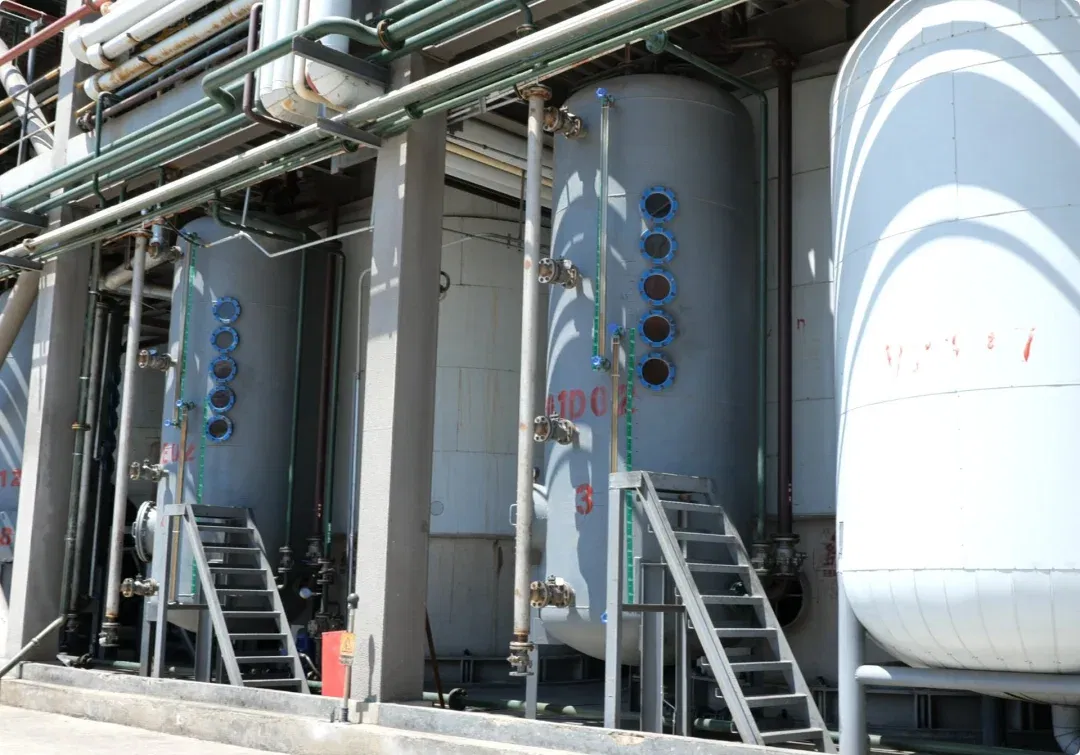
This is the heart of the process. PET pellets react with 2-ethylhexanol (isooctanol, CAS 104-76-7) in the presence of a catalyst at controlled temperature. The ester bonds in PET break and reform with the octanol, producing dioctyl terephthalate (DOTP) and releasing monoethylene glycol (MEG) as a co-product. The MEG is continuously separated from the reaction mixture via a water separator, which drives the equilibrium toward complete conversion.
PET + 2 C₈H₁₇OH → DOTP + MEG (by-product)
(Waste polyester) + (2-ethylhexanol) → (Dioctyl Terephthalate) + (Ethylene Glycol)
For a deeper dive into the chemistry and economics of this reaction, see our article on PET-to-DOTP transesterification process.
Buyer significance: This single reaction step produces two commercial products simultaneously. If you procure both DOTP and MEG, sourcing from the same supplier means one quality system, one compliance audit, one logistics chain - and the assurance that both products originate from the same verified process. The MEG we co-produce is refined to premium grade (purity >99.5%), suitable for antifreeze, coolant, and polyester fiber applications.
Step 6 - Alcohol Recovery: The Cost-Reduction Engine
Not all 2-ethylhexanol reacts in Step 5. The crude ester leaving the reactor carries residual alcohol that must be removed. We heat the crude under negative pressure and inject steam for stripping. The evaporated alcohol is condensed and returned to the reaction stage for reuse. Our recovery rate exceeds 95% - meaning that of every 100 tons of octanol fed to the process, less than 5 tons is lost.
Buyer significance: This is the single most important cost-control mechanism in the entire process. 2-Ethylhexanol is the most expensive raw material in DOTP production. By closing the loop on octanol, we stabilize our cost structure against feedstock price volatility and pass the savings to buyers through competitive long-term contract pricing. When you compare DOTP quotes, ask suppliers about their octanol recovery rate - it is a direct indicator of cost efficiency.
Step 7 - Distillation and Purification: Achieving Premium Specifications
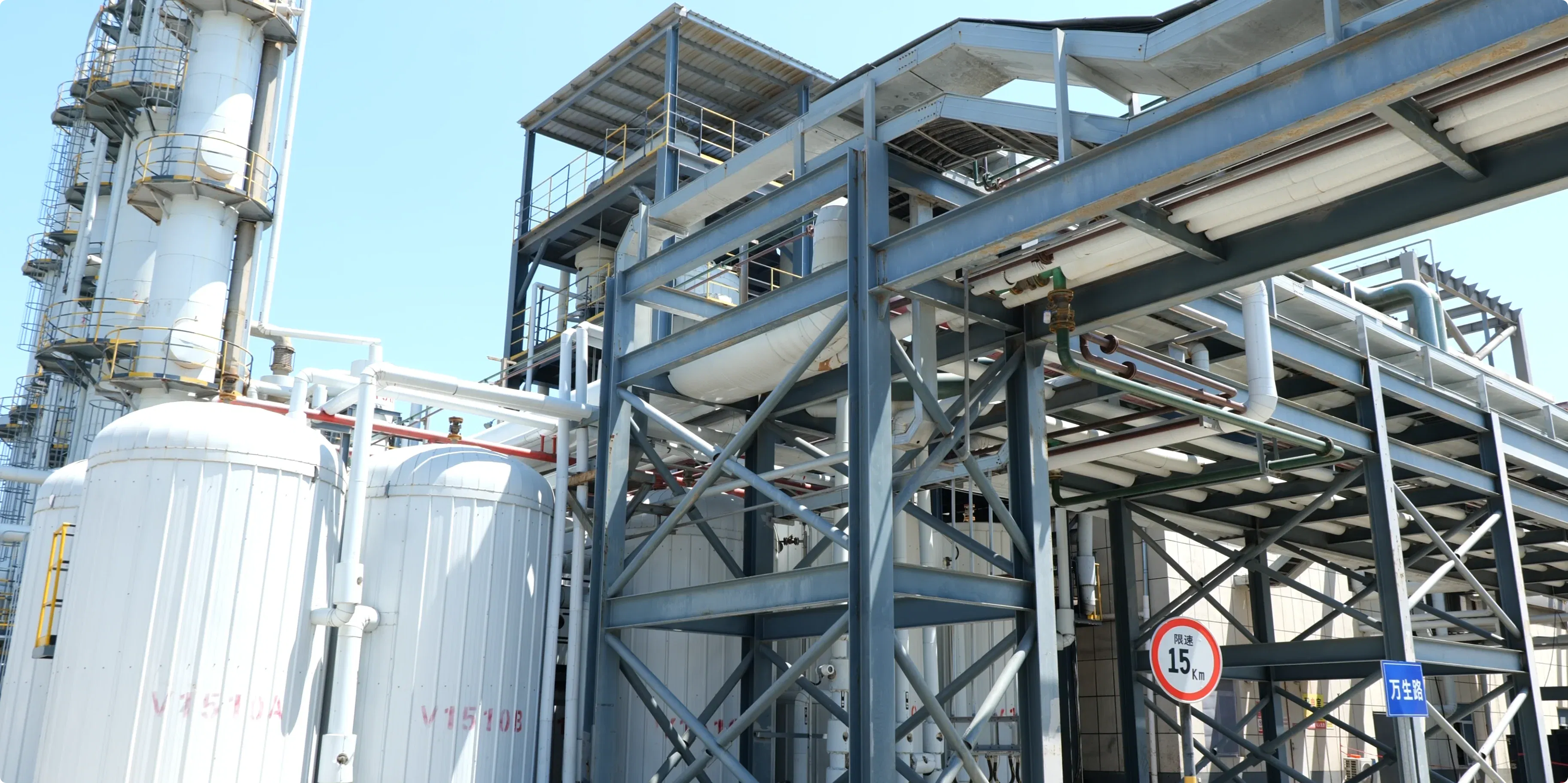
The de-alcoholized crude ester still contains low-boiling impurities, high-boiling residues, and co-produced MEG. It enters a multi-stage distillation tower operating under negative pressure, which separates these components by boiling point. The finished DOTP achieves color ≤150 APHA - well within premium grade specification. A final polish filtration through diatomaceous earth removes any micro-particulates.
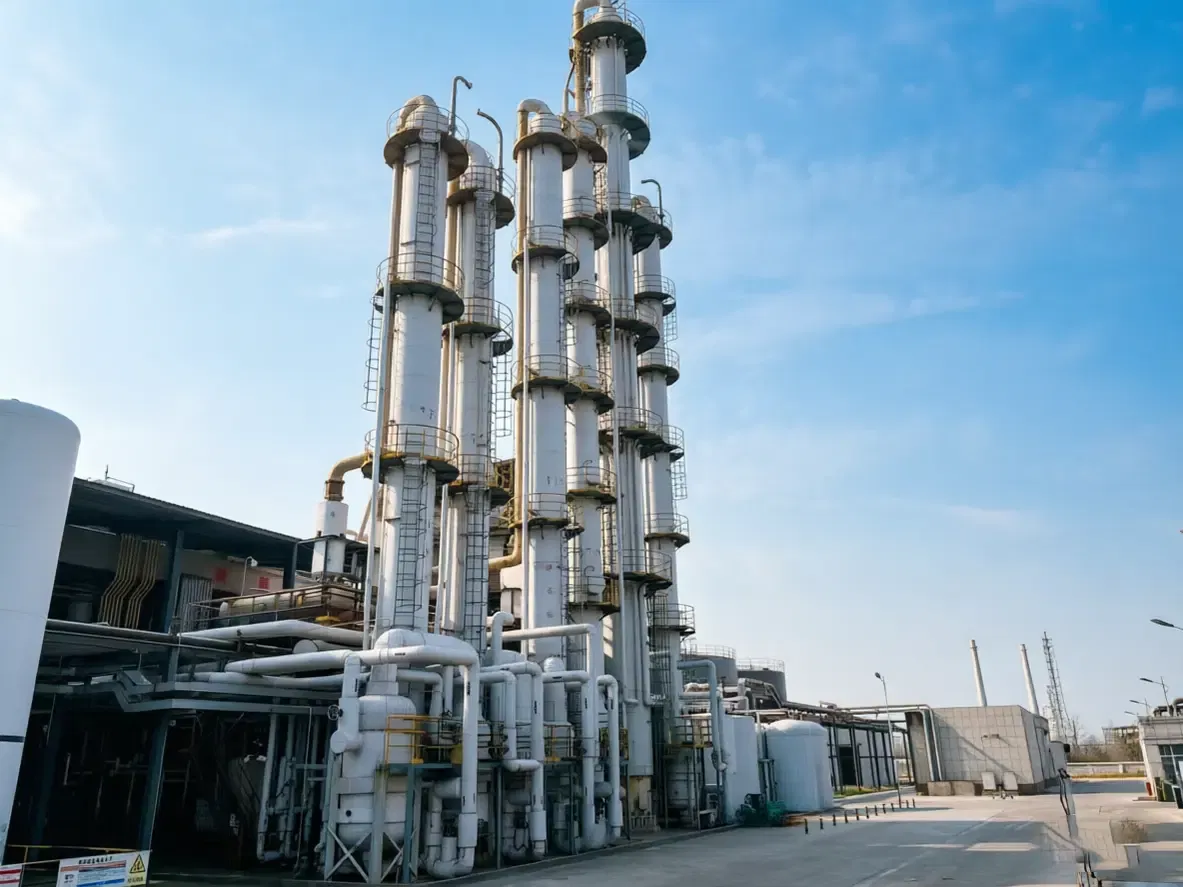
Buyer significance: Multi-stage distillation under negative pressure is what separates premium-grade DOTP from commodity-grade. For applications where color stability is non-negotiable - wire & cable insulation, medical devices, food-contact films, transparent PVC - color ≤150 APHA is the threshold that matters. Our qualified grade DOTP and premium DOTP both meet this standard.
Step 8 - Finished DOTP and MEG: Two Products, Zero Waste
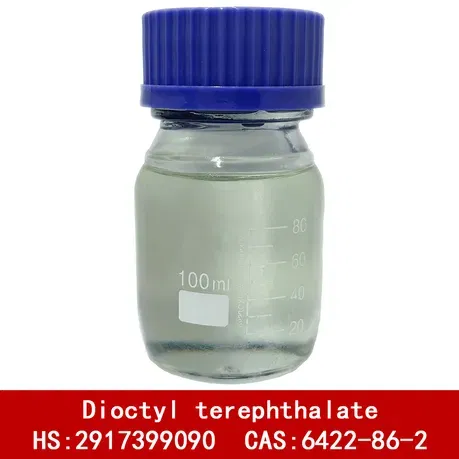
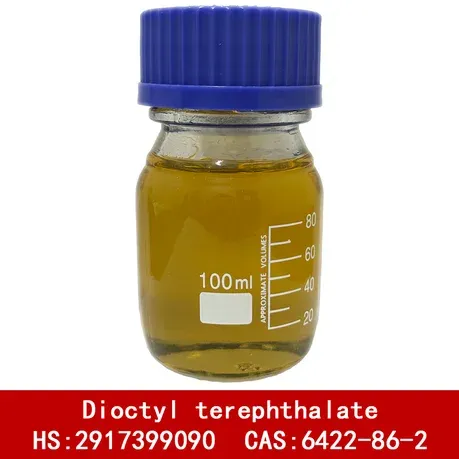
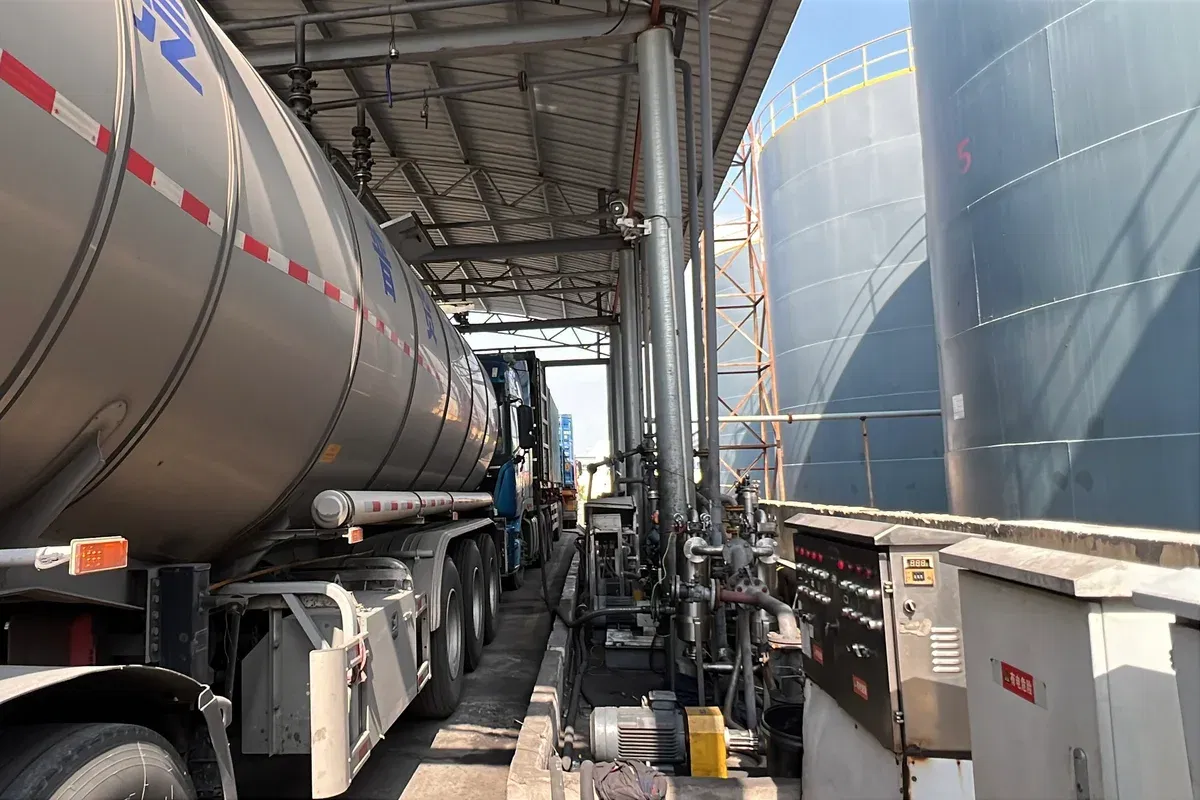
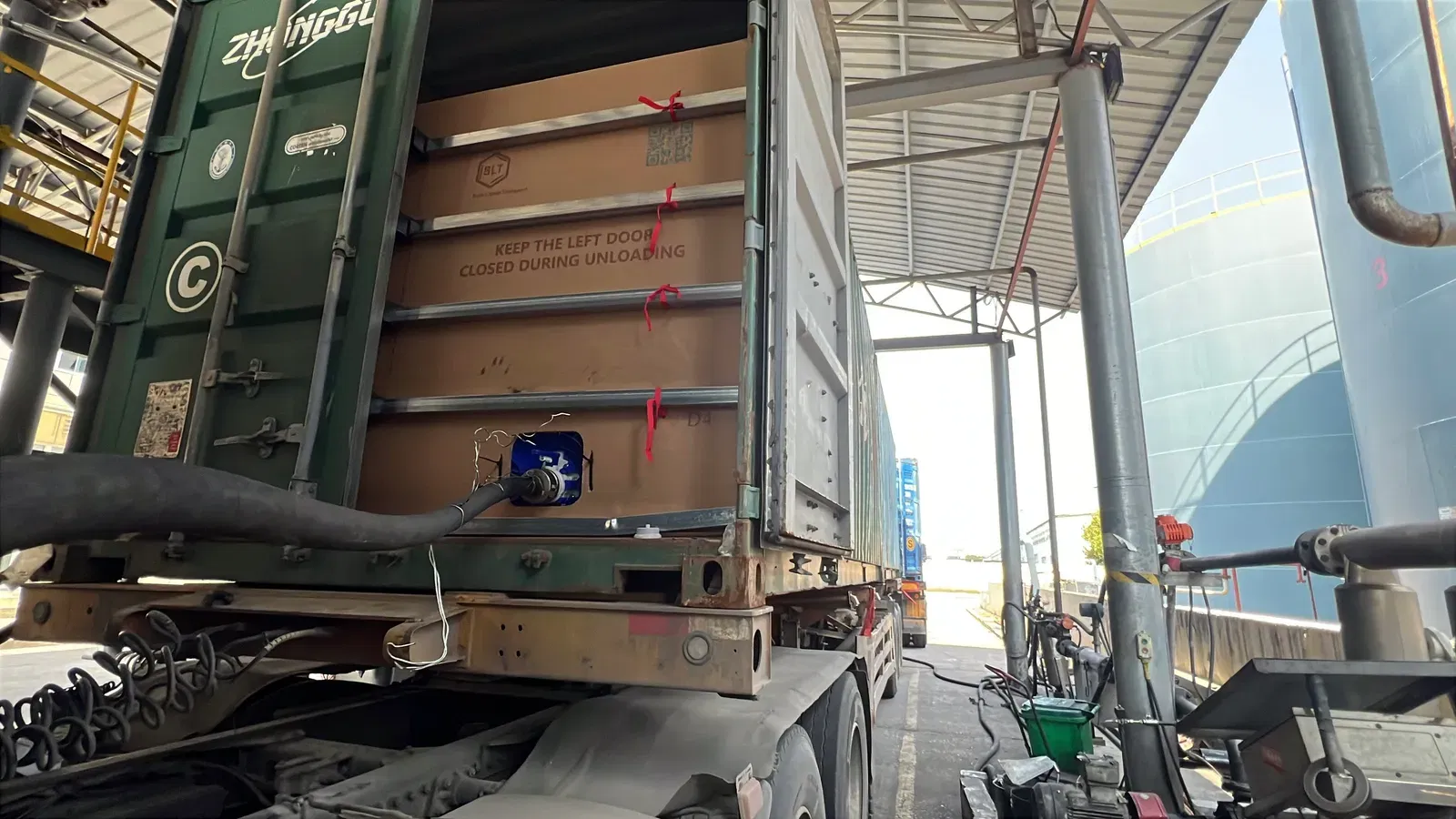
Purified DOTP is cooled, given a final filtration, and transferred to finished-product storage tanks. The group's combined annual capacity reaches 300,000 tons - 150,000 tons at the Changxing facility and 150,000 tons at the Wan Sheng facility. Packaging options span the full range of global logistics needs: flexitanks for bulk liquid shipment, IBC totes for mid-volume orders, plastic and galvanized iron drums for smaller quantities, and ISO tank containers for temperature-controlled transport.
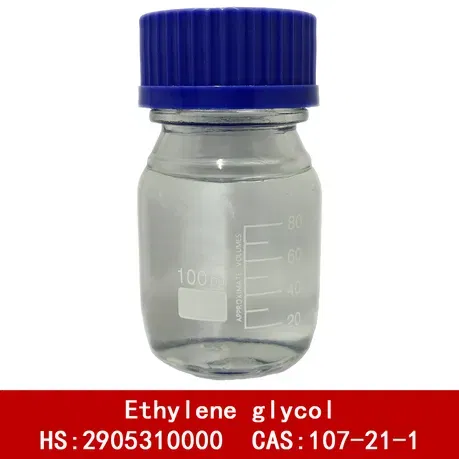
The co-produced MEG is refined to premium grade (purity >99.5%) and sold as an independent product. This is what makes our process a true circular economy: every input becomes a saleable product, and nothing is wasted. For a deeper exploration of this closed-loop model, see our article on circular economy DOTP production.
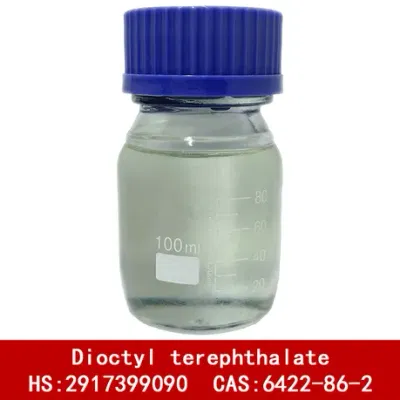
DOTP Finished Product
300,000 t/yr capacity · Color ≤150 APHA · Ester content ≥98% · REACH-compliant non-phthalate plasticizer
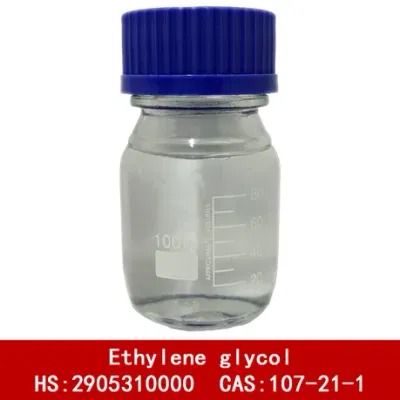
MEG By-Product
Purity >99.5% · Antifreeze & coolant grade · Zero-waste circular output · Available for joint sourcing
Quality Parameters Buyers Should Verify
When evaluating DOTP from any plasticizer manufacturer, verify these specifications against your application requirements. The table below shows the thresholds our process achieves.
| Parameter | Premium Grade | Qualified Grade | Why It Matters to Buyers |
|---|---|---|---|
| Ester Content | ≥98.0% | ≥98.0% | Plasticizing efficiency in PVC |
| Color (APHA) | ≤150 | ≤450 | End-product appearance, esp. transparent PVC |
| Acid Value | ≤0.035% | ≤0.035% | Thermal stability during processing |
| Volume Resistivity | ≥2×10¹² Ω·cm | ≥2×10¹² Ω·cm | Critical for wire & cable applications |
| Flash Point | ≥210°C | ≥210°C | Safety classification & transport |
| Moisture | ≤0.1% | ≤0.1% | Shelf-life stability |
For MEG by-product sourcing, key specifications include purity (>99.5% for premium grade), water content, and color - aligned with antifreeze and coolant formulation requirements. Each batch of both products is tested against 15+ parameters under our ISO 9001-certified quality management system before release.
Capacity and Credentials
Shandong Changxing Plastic Additives operates two production bases sharing the same 8-step process route:
- Changxing facility - 150,000 t/yr DOTP, mature PET-recycling process line with decades of operational experience
- Wan Sheng facility - 150,000 t/yr DOTP, continuous esterification with full DCS automation and advanced distillation towers
- MEG co-production - refined to premium grade, available for joint DOTP+MEG sourcing contracts
- Packaging flexibility - flexitanks, IBC totes, plastic drums, galvanized iron drums, ISO tank containers
4× ISO
9001 / 14001 / 45001 / 50001
31
Granted patents
Little Giant
National SRDI enterprise
Gazelle
Shandong Province certified
Our technical team - supported by the Shandong Provincial Enterprise Technology Center and Academician Workstation - offers formulation guidance, compatibility testing, and custom product development for buyers transitioning from phthalate to non-phthalate plasticizers. We have completed 60+ R&D projects and can help you optimize your PVC compounds for DOTP.
Frequently Asked Questions for Buyers
What makes DOTP production eco-friendly at Shandong Changxing?
Our DOTP is produced via an 8-step PET circular-economy process that uses waste polyester (textile offcuts, bottles, fishing nets, agricultural film) as feedstock instead of virgin petrochemicals. We recycle over 40,000 tons of waste PET per year, reduce carbon emissions by 8,500 tons annually, and co-produce MEG (ethylene glycol) as a valuable by-product with zero waste output. The closed-loop octanol recovery (>95% reuse rate) further lowers raw-material consumption and cost.
How does efficient recycling make DOTP both high-quality and affordable?
Three mechanisms: (1) Diversified waste-PET sourcing insulates cost from virgin-feedstock price volatility; (2) closed-loop octanol recovery (>95%) cuts raw-material cost per ton; (3) MEG by-product revenue creates an additional income stream that lowers net DOTP production cost. Despite the cost advantage, quality is not compromised - multi-stage purification achieves ester content ≥98%, color ≤150 APHA, and volume resistivity ≥2×10¹² Ω·cm, all under ISO 9001-certified QC.
What is the complete 8-step DOTP production process?
Step 1: Waste PET recycling (40,000+ t/yr from textiles, bottles, nets, film). Step 2: Sorting and shredding (remove metals, rubber, labels). Step 3: Washing and impurity removal (hot-alkaline + friction + floatation). Step 4: Melt pelletizing (screw extruder purification). Step 5: Transesterification (PET + 2-ethylhexanol → DOTP + MEG). Step 6: Alcohol recovery (vacuum steam stripping, >95% octanol reuse). Step 7: Distillation purification (color ≤150 APHA, diatomaceous earth filtration). Step 8: Finished DOTP (300,000 t/yr) + MEG by-product (purity >99.5%).
Can I purchase both DOTP and MEG from the same supplier?
Yes. The transesterification of PET with 2-ethylhexanol co-produces monoethylene glycol (MEG), which we refine to premium grade (purity >99.5%) and sell as an independent product for antifreeze, coolant, and polyester fiber applications. Joint DOTP+MEG sourcing from Shandong Changxing ensures consistent quality, simplified logistics, and unified compliance documentation.
What supply capacity and packaging options are available?
Our group's total DOTP capacity is 300,000 tons per year (150,000 tons each at Changxing and Wan Sheng facilities). Packaging options include flexitanks, IBC totes, plastic drums, galvanized iron drums, and ISO tank containers - covering everything from bulk shipment to drum-level orders for global clients.
Ready to Source Premium Plasticizers?
Shandong Changxing Plastic Additives Co., Ltd. is an ISO 9001 certified manufacturer with 300,000 tons annual capacity. We supply DOTP, DCP, and 2-octanol to clients worldwide - with MEG by-product available for joint sourcing. Our 8-step PET circular-economy process delivers quality and affordability through efficient recycling.
Request a Free Quote- ✓ Premium & qualified DOTP with REACH compliance
- ✓ MEG by-product for antifreeze, coolant, and polyester applications
- ✓ Global delivery with flexible packaging (flexitank, IBC, drum, ISO tank)
- ✓ Technical support and custom formulations available