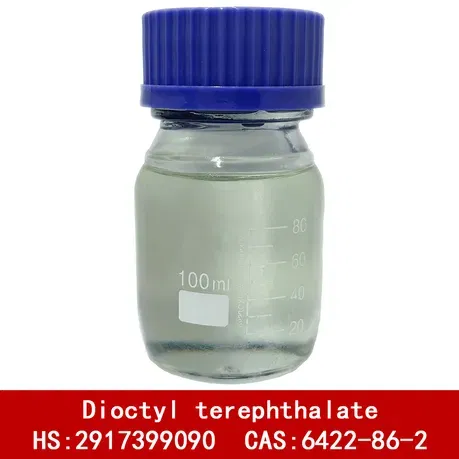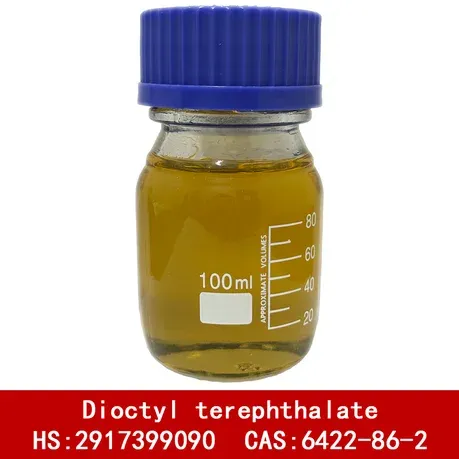

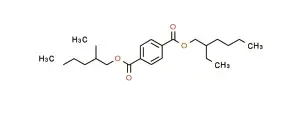
The synthesis of dioctyl terephthalate (DOTP) from polyethylene terephthalate (PET) and octanol is an innovative recycling process that converts waste plastic into a high-value DOTP plasticizer. At Shandong Changxing Plastic Additives, we utilize advanced transesterification technology to achieve this transformation efficiently and economically.
Reaction Principle
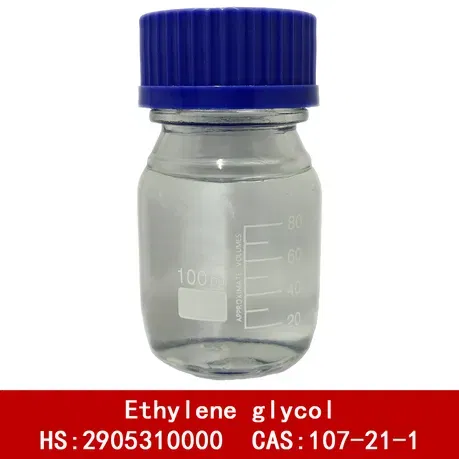
The core of this process is a transesterification reaction. Under the action of a catalyst and heat, the ester bonds in the PET molecular chain break, and the MEG is replaced by octanol, generating DOTP and MEG as a by-product:
Key Process Steps
1. Raw Material Pretreatment
- PET processing: Waste PET is cleaned to remove impurities and crushed into 2-4 mm granules.
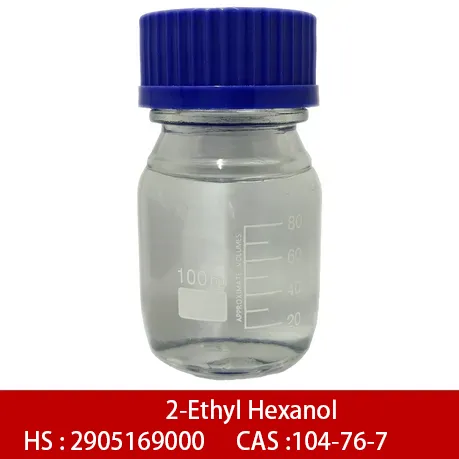
- Octanol selection: Industrial grade 2-ethylhexanol (2-Ethylhexanol, also known as isooctanol, CAS 104-76-7) with purity ≥9% is used in excess to drive the reaction forward. Note: 2-ethylhexanol is a different isomer from 2-octanol (CAS 123-96-6), which is used in DCP production.
2. Continuous Production Process
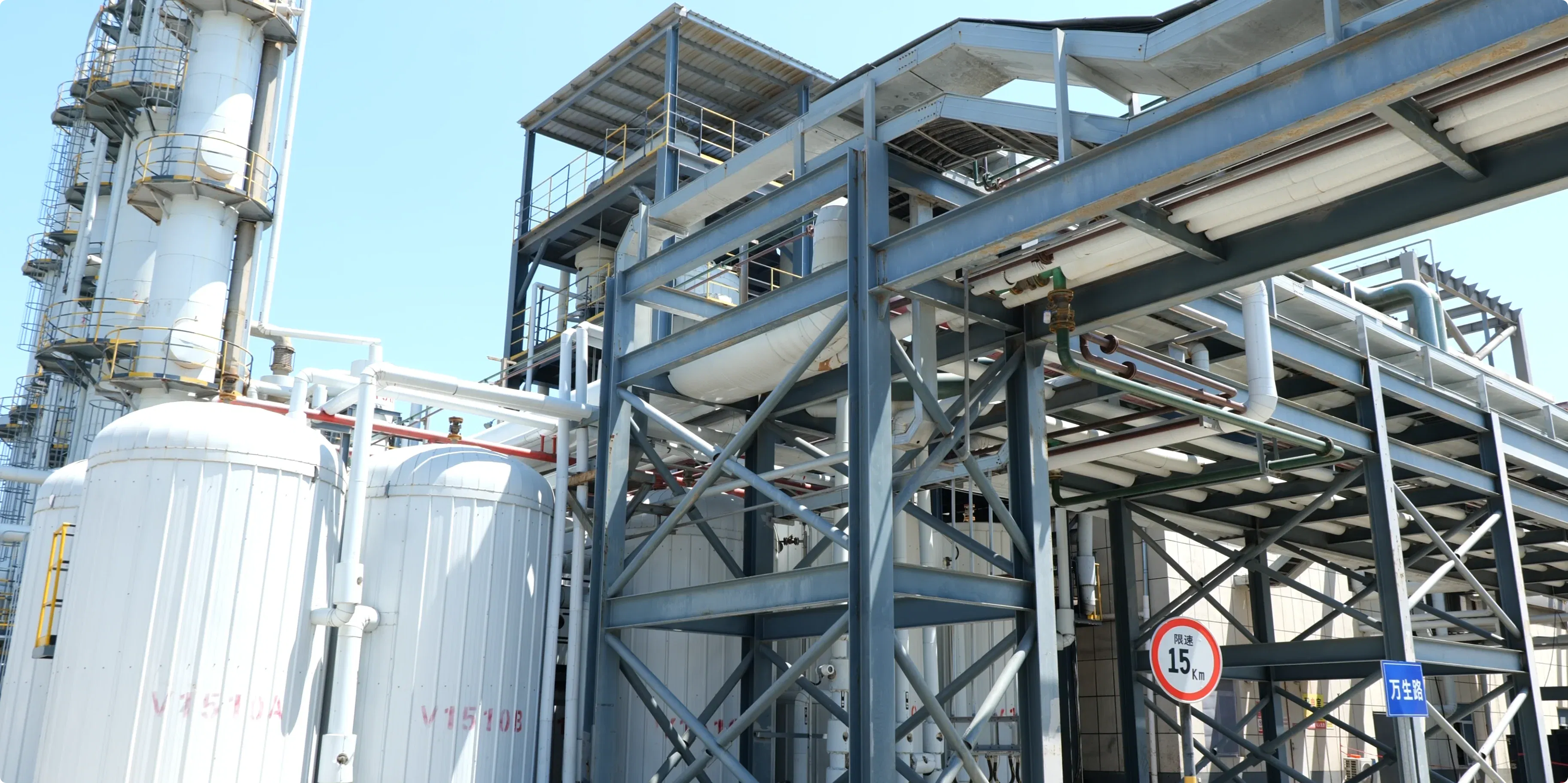
- Equipment configuration: Continuous feeding alcoholysis reactor, equipped with distillation tower, multi-stage MEG absorption tank, and octanol refining device.
- Alcoholysis stage: PET, octanol, and catalyst are stirred at high temperature in the reactor. Generated MEG and octanol vapor enter the distillation tower.
- Separation stage: Vapor is condensed and enters a secondary absorption tank. MEG is absorbed by water, while octanol is dehydrated in a drying tower and recycled.
- Refining stage: The reaction liquid is subjected to vacuum distillation to separate remaining octanol. Activated carbon adsorption and water washing remove impurities to obtain final DOTP.
Separation and Purification
- Crude product treatment: Reaction liquid is cooled and filtered to remove unreacted PET residue.
- Distillation recovery: Vacuum distillation separates unreacted octanol (recovery rate >90%). Negative pressure rectification purifies MEG to premium grade standard (purity >99.5%).
- Deep refining: Activated carbon adsorption for decolorization (dosage 5% of product mass), stirred at 80°C for 1 hour, then filtered to obtain colorless and transparent DOTP.
Safety and Economic Benefits
- Risk control: High-temperature reactions are carried out in an inert atmosphere (such as nitrogen) to prevent octanol oxidation. Catalysts (such as tetrabutyl titanate) must be stored sealed to prevent hydrolysis.
- Cost advantages: Using waste PET can reduce raw material costs by 40%-60%, while also reducing waste disposal fees. Continuous process equipment investment can be recovered within 2-3 years through raw material savings and capacity improvements.
References and External Resources
- PubChem - DOTP Chemical Properties
- ScienceDirect - PET Recycling and Chemical Conversion
- ISO - Environmental Management Standards
Interested in Sustainable DOTP Production?
Shandong Changxing Plastic Additives combines innovative recycling technology with ISO 9001:2015 and ISO 14001 certified manufacturing to deliver premium DOTP with a total annual capacity of 300,000 metric tons. Through efficient resource utilization of PET waste, we produce DOTP with excellent performance as an environmentally friendly plasticizer.
Request a Free Quote- ✓Premium DOTP & DCP plasticizers with REACH/FDA compliance
- ✓300,000 MT annual capacity with ISO 9001 & ISO 14001 certification
- ✓Global delivery to 30+ countries
- ✓Technical support and custom formulations available
Frequently Asked Questions
What alcohol is used to synthesize DOTP from PET?
DOTP is synthesized from PET using 2-ethylhexanol (also called isooctanol, CAS 104-76-7), not 2-octanol. 2-Ethylhexanol is a branched primary alcohol that reacts with PET through transesterification to produce DOTP and monoethylene glycol (MEG) as a by-product.
Is DOTP made from recycled PET the same quality as virgin DOTP?
Yes. Through chemical recycling (depolymerization and re-esterification), DOTP produced from waste PET has identical molecular structure to DOTP from virgin petrochemicals. Proper refining ensures equivalent purity, color, and plasticizing performance.
What is the octanol recovery rate in DOTP production?
In continuous production processes, the unreacted 2-ethylhexanol recovery rate exceeds 90% through vacuum distillation. This high recovery rate significantly reduces raw material costs and waste generation.
How much can waste PET reduce raw material costs?
Using waste PET as a raw material can reduce material costs by 40%-60% compared to virgin terephthalic acid, while also eliminating waste disposal fees. The equipment investment for continuous processes can be recovered within 2-3 years.
What by-product is generated in PET-to-DOTP synthesis?
The transesterification of PET with 2-ethylhexanol produces monoethylene glycol (MEG) as a valuable by-product. Through negative-pressure rectification, MEG can be purified to premium grade (purity >99.5%), creating an additional revenue stream.
Learn more about our circular economy approach to DOTP production and explore the wire and cable applications of our premium DOTP plasticizer.