
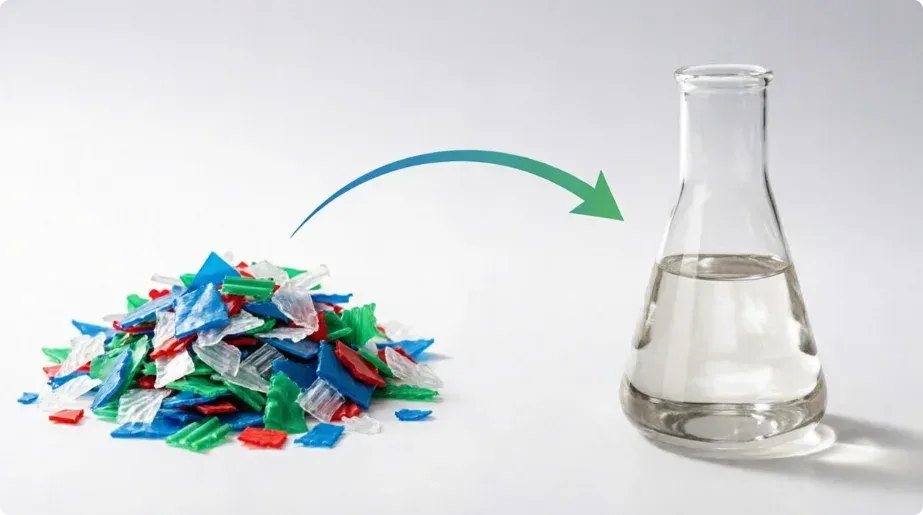
The global plastics industry faces a defining challenge: how to meet growing demand for flexible, durable materials while reducing environmental impact. At Shandong Changxing Plastic Additives Co., Ltd., we have developed an answer that turns waste into value. Our recycled PET DOTP technology converts discarded polyester into high-purity dioctyl terephthalate - an eco-friendly plasticizer that powers everything from cable insulation to medical-grade tubing.
In this article, we explain how sustainable DOTP production works, why it represents a breakthrough in circular economy plasticizer manufacturing, and what it means for procurement managers seeking reliable, non-phthalate solutions.
The DOTP Plasticizer Industry's Sustainability Challenge
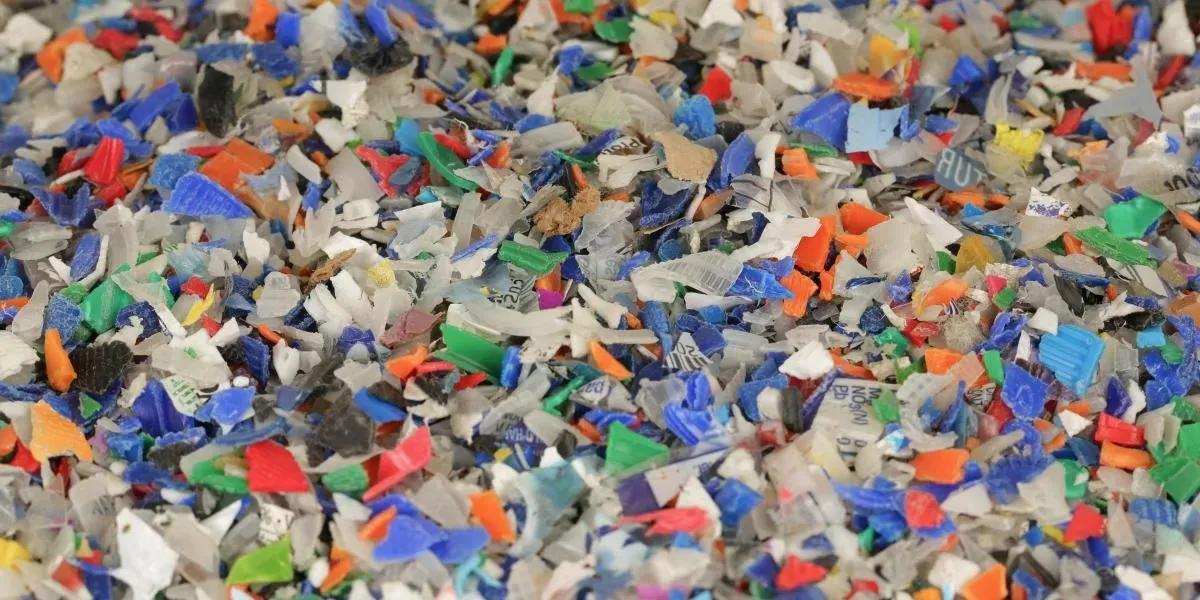
Traditional plasticizer manufacturing relies heavily on virgin petrochemical feedstocks. This approach not only consumes finite resources but also leaves the industry exposed to oil price volatility and tightening environmental regulations. Meanwhile, millions of tons of polyethylene terephthalate (PET) waste accumulate globally each year - much of it from single-use bottles and textile scrap that would otherwise end up in landfills or incinerators.
The question is simple: can this waste stream become a resource? For most manufacturers, the answer has been no. Contamination, molecular degradation, and processing complexity make waste PET recycling into high-value chemical products technically difficult. Yet overcoming these barriers is exactly what our engineering team achieved.
What Is DOTP and Why Does It Matter?
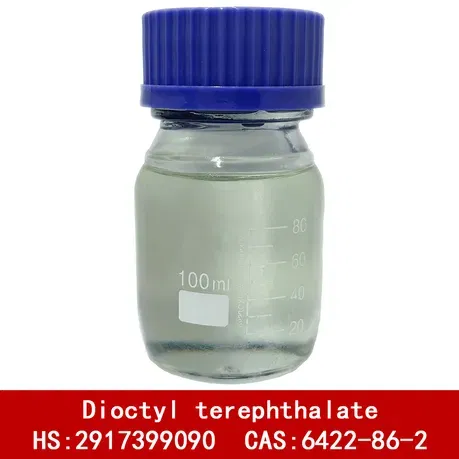
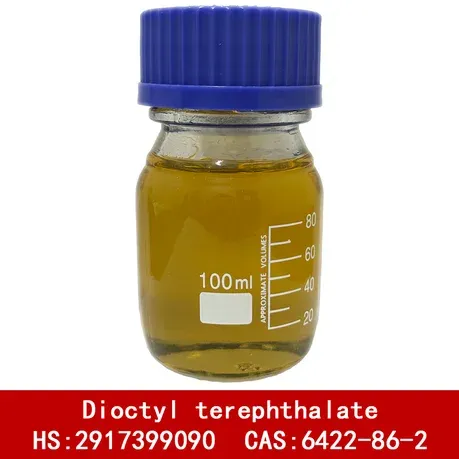
Dioctyl terephthalate (DOTP) is a colorless, transparent, oily liquid with a stable molecular structure. Unlike traditional phthalate plasticizers such as DOP or DINP, DOTP is a non-phthalate plasticizer with superior properties:
- Enhanced safety profile: Suitable for applications with strict regulatory requirements, including food contact, medical devices, and children's products.
- Better electrical insulation: Ideal for 90°C cable jacket compounds where thermal stability is critical.
- Biodegradability potential: Under certain environmental conditions, DOTP can undergo biological degradation, reducing long-term environmental persistence.
- Low volatility: Improves product longevity and reduces emissions during processing.
These characteristics have made DOTP the plasticizer of choice for manufacturers producing plastic and rubber goods - especially in sectors where product safety cannot be compromised.
How Recycled PET DOTP Transforms Waste into Value
Our recycled PET DOTP process begins where conventional recycling ends. Instead of downcycling PET into lower-grade fibers or packaging, we chemically transform post-consumer and post-industrial polyester waste into a molecule-for-molecule identical DOTP product.
The Chemistry Behind Waste PET Recycling
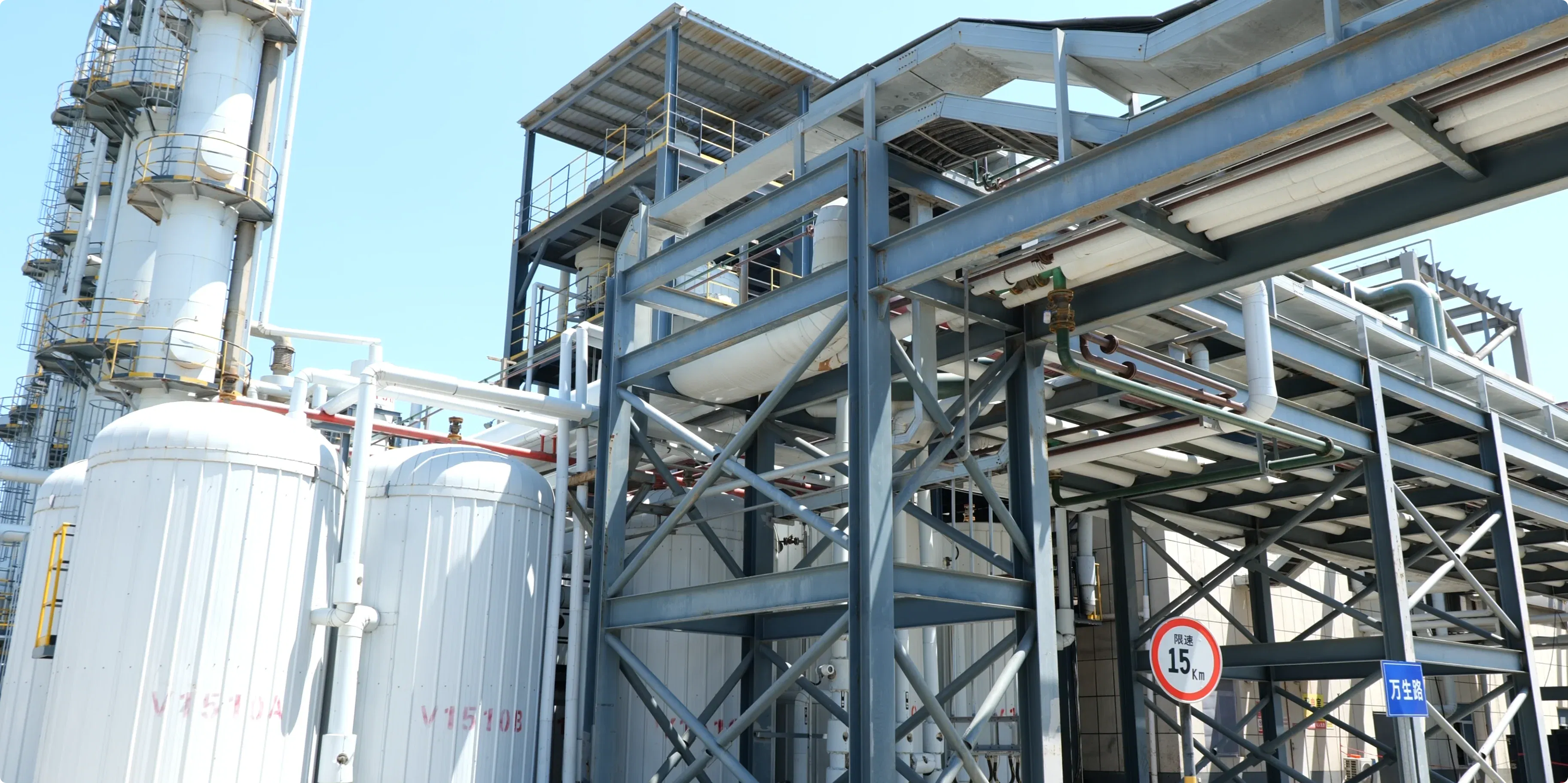
The core of our technology is a catalytic esterification and transesterification process. Waste PET flakes are depolymerized under controlled temperature and pressure, breaking the long polymer chains into their monomeric and oligomeric components. These intermediates then react with 2-ethylhexanol in the presence of proprietary catalyst systems to produce DOTP.
What makes this polyester recycling approach remarkable is purity control. PET waste contains dyes, adhesives, and other contaminants that can poison standard reactions. Our pre-treatment and purification protocols - recognized as "internationally advanced" by the Shandong Association for Science and Technology - remove these impurities to pharmaceutical-grade standards before the reaction even begins.
From Bottle to Plasticizer: The Closed-Loop Model
The circular economy logic is elegant. A PET bottle used once and discarded enters our production line. Through chemical recycling, it becomes DOTP - a product that gives flexibility and durability to PVC cables, flooring, and synthetic leather. At end-of-life, these products can themselves be recycled, creating a continuous material loop that minimizes virgin resource extraction.
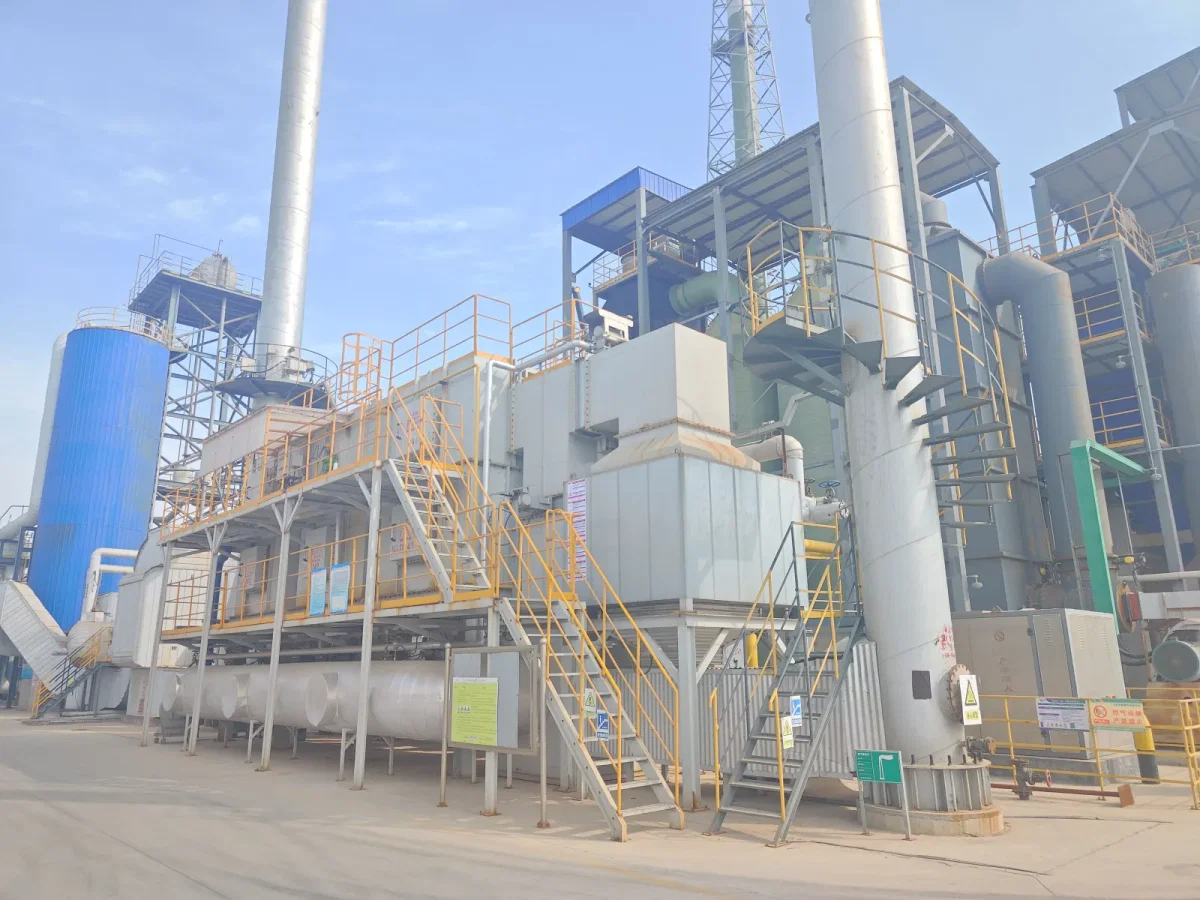
This is not theoretical. Our group annual capacity of 300,000 tons processes substantial volumes of waste PET monthly. The resulting DOTP has been awarded Shandong Province Single-Champion Product status - a recognition given only to products that rank first in domestic market share or demonstrate exceptional manufacturing innovation.
"Shandong Changxing's technology to convert waste PET into high-quality DOTP not only solves the white pollution problem, but also provides us with a stable, compliant source of plasticizer supply."
Sustainable DOTP Production: Environmental and Economic Benefits
Sustainable DOTP production from recycled PET delivers measurable advantages across multiple dimensions:
Reduced Carbon Footprint
Chemically recycled PET-derived plasticizers can reduce greenhouse gas emissions by 40–0% compared to conventional DOTP manufacturing
Waste Diversion at Scale
150,000-ton annual capacity diverts thousands of tons of PET waste from landfills and incinerators every year
Byproduct Valorization
Co-produced ethylene glycol refined to >99.5% purity for EGDA production and resin manufacturing
Cost Stability for Buyers
Waste PET feedstock prices are decoupled from crude oil markets, offering more stable pricing and predictability
1. Reduced Carbon Footprint
By substituting waste PET for virgin petrochemical feedstocks, our process avoids the upstream emissions associated with crude oil extraction, refining, and aromatics production. Life-cycle assessments indicate that chemically recycled PET-derived plasticizers can reduce greenhouse gas emissions by 40–0% compared to conventional DOTP manufacturing routes.
2. Waste Diversion at Scale
With an annual capacity of 150,000 tons, our facility diverts thousands of tons of PET waste from landfills and incinerators annually. Every ton of waste PET converted represents approximately 5.5 tons of CO₂equivalent avoided - either from reduced landfill methane or from displacing virgin chemical production.
3. Byproduct Valorization
The transesterification reaction that produces DOTP from PET also generates monoethylene glycol (MEG) as a co-product. Rather than treating this as waste, we refine it to premium-grade standards (purity >99.5%) for use in EGDA production and resin manufacturing. This co-product recovery further improves process economics and resource efficiency.
4. Cost Stability for Buyers
Because waste PET feedstock prices are decoupled from crude oil markets, our recycled PET DOTP offers more stable pricing than petrochemical-derived alternatives. For procurement managers managing annual contracts, this predictability translates directly into improved budget accuracy and reduced hedging costs.
Recycled PET DOTP Quality Assurance: Internationally Advanced Standards
Some buyers worry that recycled feedstock means compromised quality. Our data proves otherwise. The DOTP produced from waste PET meets or exceeds all industry specifications for color, purity, acid value, and ester content.
Our manufacturing operations align with the parent company's ISO 9001 quality management system certification. This certification ensures that every batch is traceable, every deviation is investigated, and every improvement is documented. The result: product consistency that global buyers can rely on.
Applications: Where Recycled PET DOTP Performs Best
Our circular economy plasticizer serves the same high-performance applications as conventional DOTP:
90°C Cable Jacket Compounds
Superior electrical insulation and thermal aging resistance, volume resistivity ≥2×10¹² Ω·cm
Medical-Grade PVC
Non-phthalate profile satisfies REACH and FDA compliance requirements, excellent biocompatibility
Synthetic Leather and Coatings
Excellent compatibility with PVC resin, long-term flexibility and durability retention
Food-Contact Films
Low migration and extraction rates meet stringent food safety standards, compliant with FDA 21 CFR
The key difference? Buyers receive identical performance with a demonstrably lower environmental footprint - and a supply chain story that resonates with increasingly sustainability-conscious end customers.
Frequently Asked Questions
Is DOTP made from recycled PET identical to virgin DOTP?
Yes. Through chemical recycling (depolymerization and re-esterification), the molecular structure of DOTP produced from waste PET is identical to that derived from virgin petrochemicals. Analytical testing confirms equivalent purity, color, acid value, and plasticizing performance.
What is the circular economy benefit of recycled PET DOTP?
The circular economy plasticizer model transforms a linear "take-make-dispose" pattern into a closed loop. Waste PET is collected, chemically recycled into DOTP, incorporated into durable PVC products, and eventually recovered for further recycling. This reduces landfill dependency, lowers carbon emissions, and decreases demand for virgin petroleum.
Does recycled PET DOTP meet international regulatory standards?
Absolutely. Our DOTP is REACH-compliant and suitable for applications requiring non-phthalate plasticizers. The product has passed all required migration, extraction, and toxicity testing. Additionally, our ISO 9001-certified quality management system ensures batch-to-batch consistency.
What capacity can you supply?
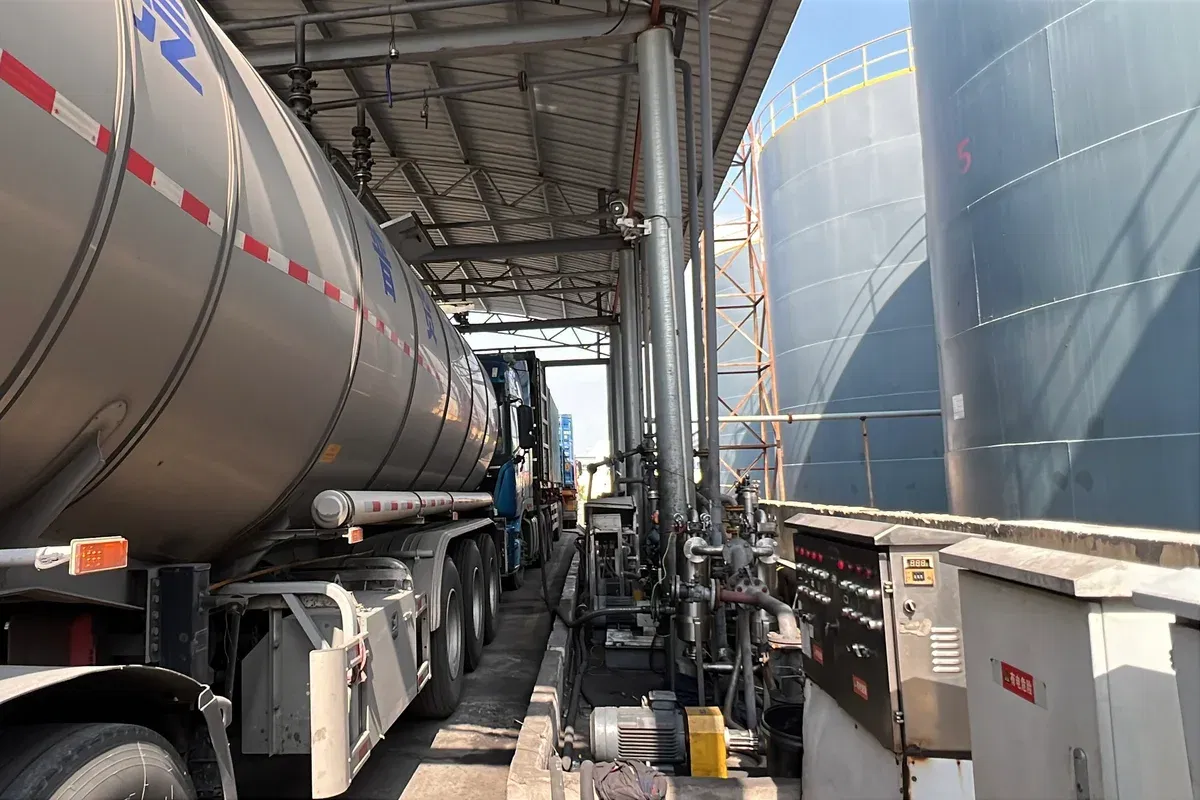
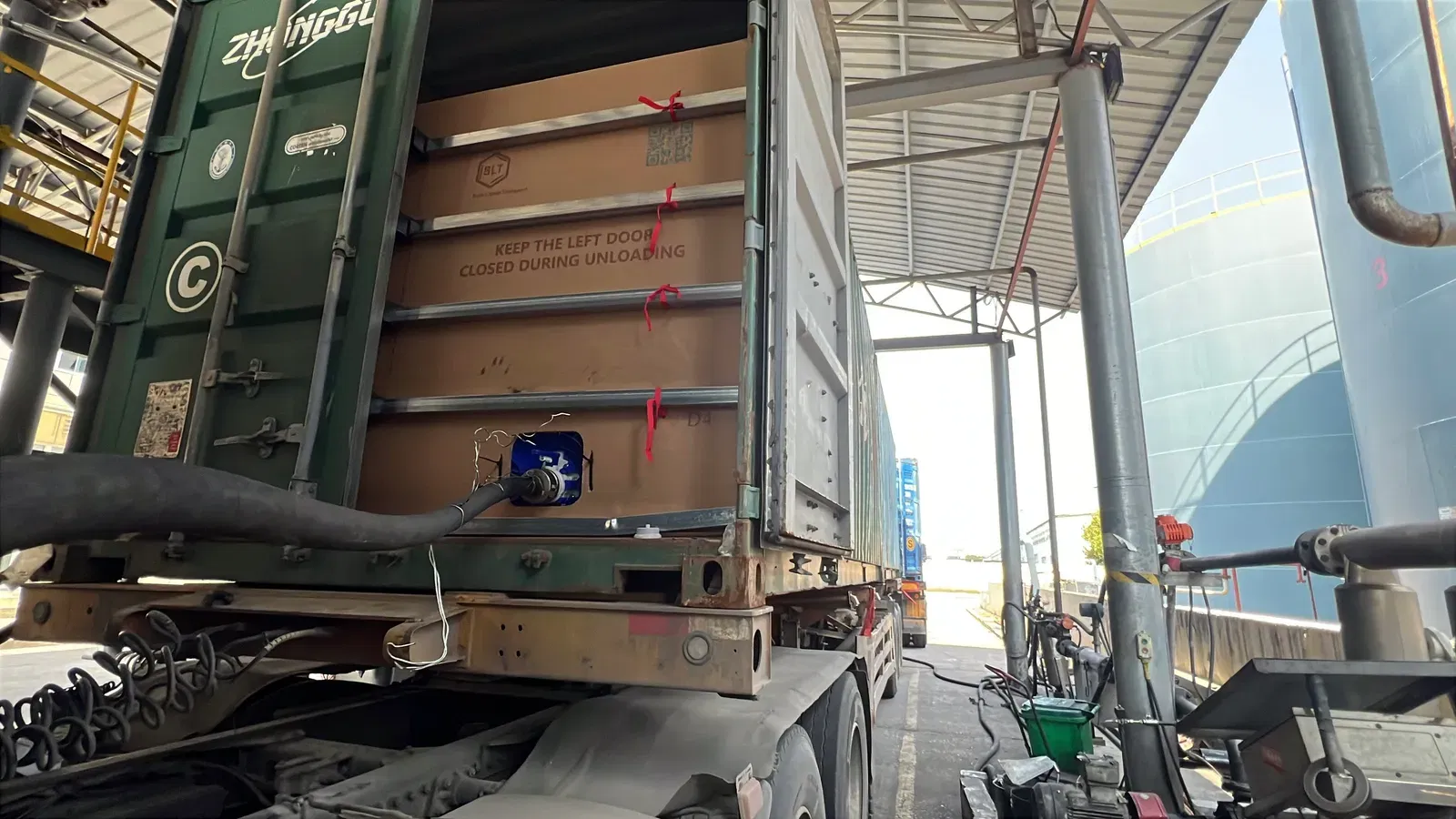
Our group has a total annual DOTP capacity of 300,000 tons, with the recycled PET facility at 150,000 tons. This scale positions us to serve both regional distributors and global manufacturers with reliable, long-term supply contracts.
Can you provide technical support for formulation?
Yes. Our technical team, supported by the Shandong Provincial Enterprise Technology Center and Academician Workstation, offers formulation guidance, compatibility testing, and custom product development. We have completed more than 60 independent and collaborative R&D projects, with 31 patents granted.
Learn more about DOTP as a DEHP/DOP replacement, explore our DOTP production technology, or read about our SGS-certified quality testing.
Partner with a Leader in Sustainable DOTP Production
Shandong Changxing Plastic Additives combines innovative recycled PET DOTP technology with internationally certified manufacturing to deliver premium non-phthalate plasticizers. Whether you need REACH-compliant DOTP for cable compounds, medical-grade formulations, or sustainable PVC solutions, our 150,000-ton capacity facility ensures consistent supply.
Request a Free Quote- ✓Shandong Province Single-Champion Product (recycled PET DOTP)
- ✓Internationally advanced process certified by Shandong Association for Science and Technology
- ✓ISO 9001 quality management certified
- ✓Group annual capacity: 300,000 tons (recycled PET DOTP facility: 150,000 tons)
- ✓Global delivery and technical support available