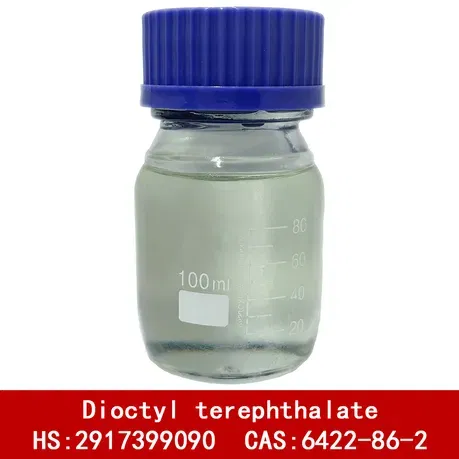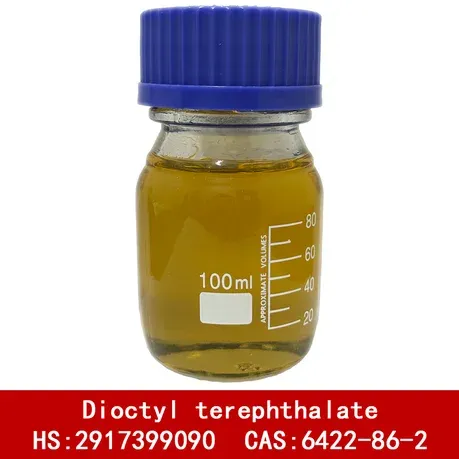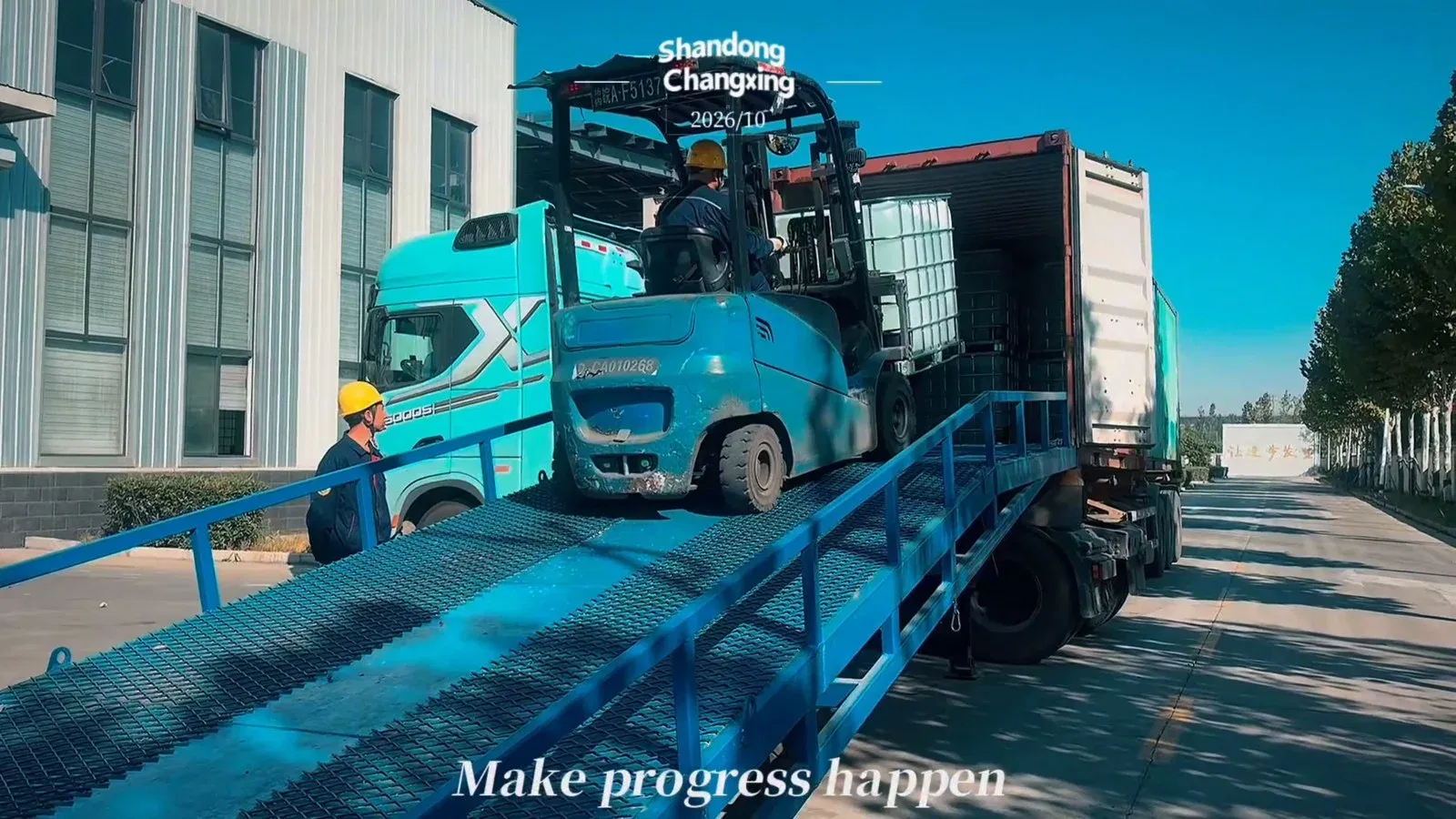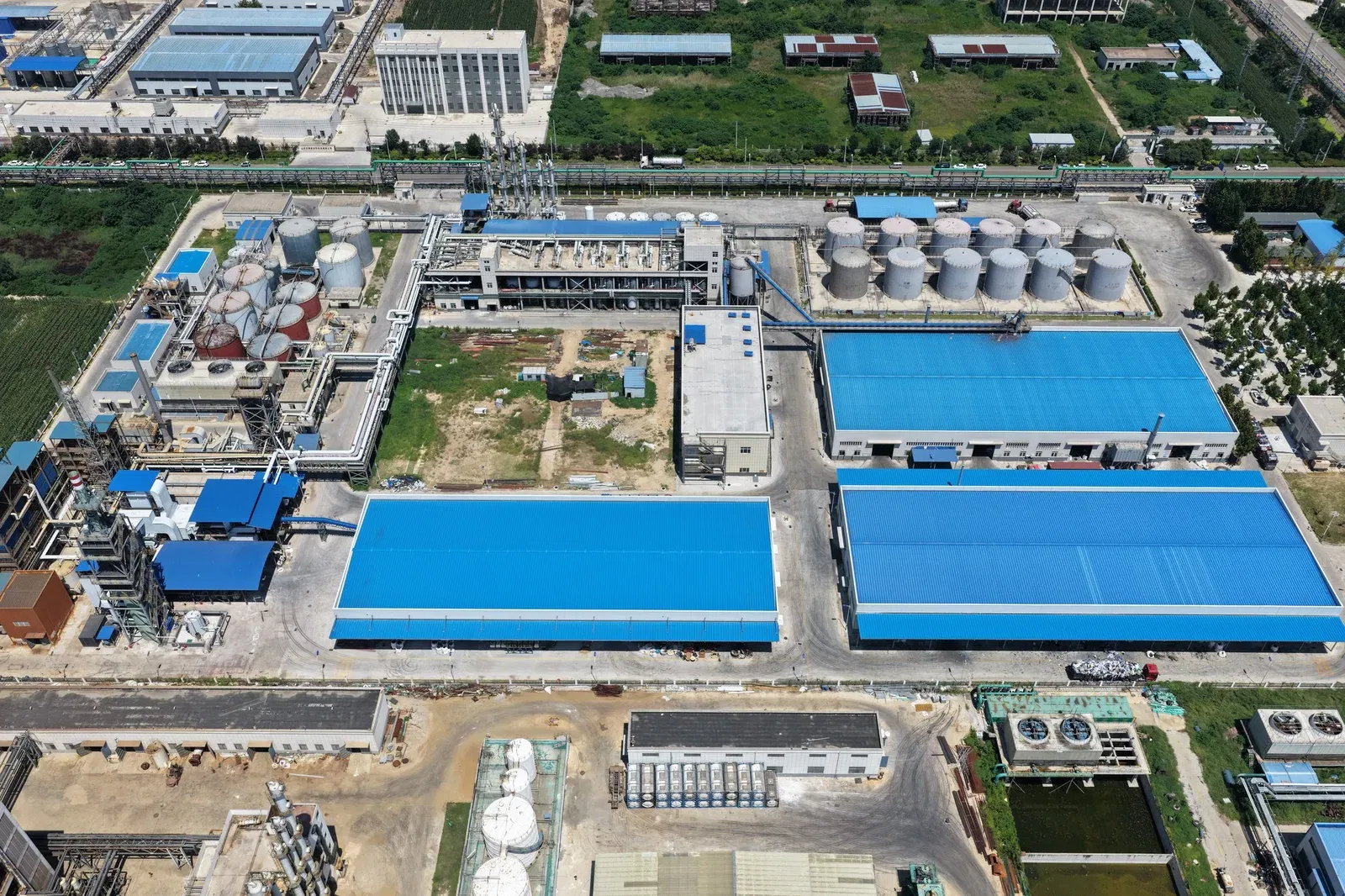

On June 2, 2026, Shandong Changxing Plastic Additives Co., Ltd. received official SGS-CSTC Qingdao test reports (Work No. TICRSTS260520095013KIYV) for its DOTP plasticizer. As a national-level "Little Giant" specialized and sophisticated enterprise, a Shandong Gazelle Enterprise, and a Shandong Manufacturing Single Product Champion, the company achieved passing results across all three critical environmental compliance tests: phthalates, EN 71-3 element migration, and PFAS total fluorine screening. This article presents the verified test data and explains what the results mean for downstream manufacturers.
Test Summary: Three Reports, Three Passes
| Test | Standard | Method | Scope | Result |
|---|---|---|---|---|
| Phthalates | CPSC-CH-C1001-09.4 | GC-MS | 17 substances | Pass - All 17 ND |
| EN 71-3 | EN 71-3:2019+A2:2024 | ICP-OES / IC-UV / LC-ICP-MS | 19 elements (Cat. III) | Pass - All ND |
| PFAS | EN 14582:2016 | IC | Total Fluorine | Pass - ND (<20 mg/kg) |
Why These Three Tests Matter for Plasticizer Exporters
Dioctyl terephthalate (DOTP) is a leading non-phthalate plasticizer used in PVC flooring, wire and cable, film, artificial leather, and children's toys. However, EU REACH, US CPSIA, and China GB 6675 impose strict limits on phthalate migration, heavy metal leaching, and PFAS content. If the plasticizer itself contains restricted substances, downstream products will fail end-market compliance regardless of manufacturing quality. Third-party plasticizer test reports are therefore the first gate in the export compliance chain.
SGS is a world-leading inspection, verification, testing, and certification company. Its reports are accepted across the EU, US, Japan, South Korea, and Southeast Asia. Choosing SGS-tested DOTP means buyers avoid raw-material re-testing risk and can use the data directly for their own product compliance filings.
Phthalate Testing: 17 Substances, Nearly All Undetectable
Scope and Methodology
The phthalate analysis followed US CPSC standard CPSC-CH-C1001-09.4, using Gas Chromatography-Mass Spectrometry (GC-MS) for qualitative and semi-quantitative screening of 17 phthalate esters. The list covers all substances restricted under EU REACH and US CPSIA: DEHP, DBP, BBP, DINP, DNOP, DIDP, DMP, DEP, DPrP, DIBP, DnPP, DnHP, DCHP, DNP, DIOP, DMEP, and DHpP.
Result Interpretation: All 17 Substances Below MDL
The report shows that all 17 phthalate substances were not detected (below the method detection limit of 0.005%). This is far below the EU REACH 0.1% limit for toys and child-care articles, and below US CPSIA safety thresholds for permanently banned substances. For an industrial-grade DOTP plasticizer, this result demonstrates that the terephthalate molecular structure inherently avoids co-formation of phthalate impurities, validating our continuous esterification and multi-stage rectification purification process. For a deeper comparison, see our phthalate-free plasticizer guide.
EN 71-3 Element Migration: Zero Detected Across 19 Elements
The Strictest Simulation of Child Exposure
EN 71-3:2019+A2:2024 is the core safety standard under the EU Toy Safety Directive, simulating the ingestion risk of soluble elements through children's mouthing or scraping. Our DOTP was tested under Category III (scraped-off toy materials), using ICP-OES, IC-UV, and LC-ICP-MS to screen for 19 elements: lead, antimony, arsenic, barium, cadmium, chromium III, chromium VI, mercury, selenium, boron, cobalt, manganese, strontium, zinc, copper, aluminum, nickel, tin, and organic tin. For more on DOTP as a DEHP replacement in toys, see our DOTP vs DEHP alternative guide.
Strategic Significance: Zero Introduction Risk
The report concluded that all 19 elements were non-detectable (ND). This is strategically significant: when DOTP is used in PVC children's toys, food-contact films, or medical tubing, the plasticizer itself does not introduce any regulated heavy metals or hazardous elements. Downstream manufacturers can confidently use our DOTP in high-sensitivity applications without worrying about compliance failures caused by plasticizer migration.
PFAS Fluorine Screening: Below Detection Limits
Preemptive Compliance Amid Global PFAS Restrictions
PFAS (per- and polyfluoroalkyl substances) are under increasing global regulatory scrutiny due to their persistent organic pollutant characteristics. The EU has proposed broad PFAS restrictions, and multiple US states have enacted bans on specific PFAS in consumer goods. SGS performed total fluorine screening using EN 14582:2016 and ion chromatography (IC), with a method detection limit of <20 mg/kg.
Test Result: ND, Well Below Client Requirement
Our DOTP total fluorine screening result was non-detectable (<20 mg/kg), well below the client requirement of 50 mg/kg. While this test screens for total fluorine (which may theoretically include trace inorganic fluoride background), the result confirms the absence of detectable organic fluorinated compounds. For customers targeting markets with emerging PFAS restrictions - such as the EU, North America, and Japan - this is a key preemptive compliance advantage.
The Quality Infrastructure Behind Full SGS Clearance
Passing all three tests at once is not accidental. Shandong Changxing Plastic Additives Co., Ltd. has built an end-to-end quality system covering raw material sourcing, process control, finished-product inspection, and traceability management:
- Integrated management systems: Certified to ISO 9001 (Quality), ISO 14001 (Environment), ISO 45001 (Occupational Health & Safety), and ISO 50001 (Energy);
- Process certification: DOTP production process certified as "internationally advanced," with over 20 national patents;
- Production scale: 230,000 tonnes annual group plasticizer capacity (including 180,000 tonnes from Jining Wansheng subsidiary's high-standard intelligent production lines, Phase I 80,000 + Phase II 100,000);
- Raw material control: Primary feedstocks PTA and octanol sourced from tier-1 suppliers such as Sinopec and CNPC, with batch inbound inspection;
- Online monitoring: DCS automatic control system with real-time key parameter acquisition and out-of-limit automatic alarms.
The SGS test reports are merely external validation of the above quality system. For procurement managers, choosing SGS-tested DOTP means choosing a third-party-backed, reproducible quality assurance capability.
Compliance Value Across Application Scenarios
PVC Flooring and Wall Panels
EU REACH and US EPA set clear limits on phthalates and heavy metals in PVC building materials. Using DOTP that has passed SGS phthalate and EN 71-3 tests helps flooring manufacturers directly satisfy EU EN 14041 and US ASTM F1700 requirements, reducing raw-material re-testing costs.
Wire and Cable Sheathing
EU RoHS 2.0 and China SJ/T 11363 impose strict limits on lead, cadmium, and mercury in cable compounds. With all 19 elements non-detectable in DOTP, cable manufacturers do not need to worry about additional heavy metal compliance risks introduced by the plasticizer.
Children's Toys and Food-Contact Materials
The toy industry is most sensitive to EN 71-3 and phthalate limits. The full SGS clearance of our DOTP provides toy factories with traceable third-party data when facing EU CE marking, US CPSC inspections, and China CCC certification.
Download SGS Test Reports
Below are the official SGS test report PDFs, available for immediate download for customer audits, bidding, or compliance filings. If you need original reports stamped by SGS, please contact us.
Download SGS Reports (PDF)
References and External Resources
- U.S. CPSC - Phthalates Testing Guidance
- European Committee for Standardization (CEN) - EN 71-3
- U.S. EPA - PFAS Overview and Regulations
Frequently Asked Questions
What SGS tests did Shandong Changxing's DOTP pass?
Our DOTP passed three SGS-CSTC tests: (1) Phthalates - 17 substances screened per CPSC-CH-C1001-09.4, all non-detectable; (2) EN 71-3 - 19 element migration per EN 71-3:2019+A2:2024 Category III, all non-detectable; (3) PFAS - total fluorine screening per EN 14582:2016, result ND (<20 mg/kg). Work No. TICRSTS260520095013KIYV.
What does phthalate-free DOTP mean for export compliance?
Phthalate-free DOTP means the plasticizer contains no detectable ortho-phthalate esters restricted under EU REACH and US CPSIA. This allows downstream manufacturers to use it in toys, childcare articles, food-contact materials, and medical devices without triggering phthalate migration limits. See our phthalate-free plasticizer guide for details.
Why is EN 71-3 testing important for DOTP plasticizer?
EN 71-3 tests for soluble element migration in toy materials under the EU Toy Safety Directive. If DOTP itself contains heavy metals, downstream PVC toys will fail compliance. Our DOTP showed zero detectable migration across all 19 regulated elements, eliminating plasticizer-introduced heavy metal risk.
What is PFAS screening and why does DOTP need it?
PFAS (per- and polyfluoroalkyl substances) are persistent organic pollutants facing global restrictions. Total fluorine screening checks for fluorinated compounds. Our DOTP tested ND (<20 mg/kg), confirming no detectable organic fluorinated compounds - a preemptive compliance advantage for EU, North American, and Japanese markets.
Can I get the original SGS test reports for my compliance filings?
Yes. Original SGS reports in both English and Chinese are available to qualified buyers. PDF versions are downloadable from the report section above. For stamped originals, contact our sales team. The reports can be used directly for EU CE marking, US CPSC submissions, and China CCC certification.
Request Original SGS Test Reports
Shandong Changxing Plastic Additives Co., Ltd. is an ISO 9001/14001/45001/50001 certified manufacturer with 230,000 tonnes of annual group plasticizer capacity and cumulative deliveries exceeding 1 million tons. Original SGS reports in English and Chinese are available to qualified buyers.
Request SGS Reports- ✓Testing body: SGS-CSTC Qingdao - Work No. TICRSTS260520095013KIYV
- ✓Report date: June 2, 2026
- ✓Tests: Phthalates 17P, EN 71-3 (19 elements), PFAS total fluorine
- ✓Languages: English and Chinese available