
Indian customs will clear a DOTP shipment without a BIS certificate today - because dioctyl terephthalate itself is not covered by any Quality Control Order (QCO). But that single fact hides three compliance traps that cost Indian PVC buyers real money: a misclassified HS code that triggers cargo seizure, an ISI-marked finished product built on uncertified raw material, and a government tender that quietly requires Bureau of Indian Standards (BIS) licensed inputs. This guide explains how India's QCO and BIS regime actually works for DOTP buyers - what changed in the November 2025 regulatory rollback, what IS 10158 demands, and how to structure documentation so your consignments never stall at Nhava Sheva or Mundra.
Key Takeaways
- • DOTP is not under a mandatory QCO — BIS certification under IS 10158 is required only for ISI-marked downstream products, government tenders, and regulated food-contact or medical applications.
- • November 2025: India withdrew 21 QCOs covering chemicals, polymers and metals — including PVC, terephthalic acid (PTA) and ethylene glycol (MEG) — and BIS resumed processing foreign manufacturer applications, easing the non-tariff environment for importers.
- • HS 2917.39 vs 2917.36 is the #1 seizure trap — DOTP classifies as an aromatic polycarboxylic acid derivative (2917.39), not a phthalic acid ester (2917.36, which covers DOP).
- • Total duty burden is ~27.74% of CIF (BCD 7.5% + SWS 0.75% + IGST 19.49%); GST-registered manufacturers recover IGST, cutting the effective burden to ~8.25%.
- • May 2026 safeguard duty hits Korean DOTP/DEHCH only — restored to 100% of the MFN rate in year one, 75% in year two. Chinese-origin DOTP pays normal MFN duty, reshaping supplier selection.
India's QCO Framework: How Chemical Import Regulation Actually Works
A Quality Control Order is a notification issued by a sectoral ministry — for chemicals, the Department of Chemicals and Petrochemicals (DCPC) — under Section 16 of the BIS Act, 2016. Once a product is notified under a QCO, it may be manufactured, imported, sold or stored in India only if it complies with the cited Indian Standard and carries a BIS license (Standard Mark / ISI mark), issued under Scheme I of the BIS Conformity Assessment Regulations, 2018.
The scale is significant: as of March 2025 the Government of India had issued 187 Quality Control Orders covering more than 679 product categories, spanning steel, cement, electronics, toys, footwear, chemicals and polymers, according to compliance analyses by IMARC Engineering. Enforcement is real: Section 17 of the BIS Act provides fines up to INR 200,000 for a first offence and INR 500,000 for repeat offences — extendable to ten times the value of the goods — plus imprisonment for serious violations, alongside licence suspension after market-surveillance testing.
For plasticizer buyers, the practical question is always the same: is my material on the QCO list? For DOTP, the answer is no — and the next section explains why that answer became even firmer in late 2025.
The November 2025 Pivot: 21 QCOs Withdrawn, BIS Applications Reopened
In a coordinated two-step rollback reported by The Hindu BusinessLine and ChemLinked, Indian ministries withdrew 21 QCOs during November 2025, following a NITI Aayog–led panel's recommendation to rationalise quality orders and cut input costs for micro, small and medium enterprises (which account for nearly 36% of Indian manufacturing):
- 12 November 2025 — DCPC withdrew 14 QCOs on chemicals and polymer materials, including the Terephthalic Acid QCO 2021, the Ethylene Glycol QCO 2021, PVC, polyester spun yarn and polyester industrial yarn orders, as documented by REACH24H.
- Later that week — a further 7 QCOs on metals including aluminium, copper and nickel were rescinded.
- In parallel — BIS began resuming processing of certification applications from foreign manufacturers, including Chinese producers, after a multi-year freeze on new factory audits.
What this means for DOTP buyers. Three consequences matter. First, the mandatory-BIS perimeter around the PVC value chain shrank: inputs such as PTA, MEG and PVC resin no longer require ISI certification, so downstream compounders can source more freely. Second, a reopening BIS makes voluntary IS 10158 licensing feasible again for foreign suppliers who want the ISI mark as a commercial differentiator. Third — and most important for procurement teams — deregulation tends to be reversible: QCOs were rolled out faster than they were withdrawn, so a compliant documentation file remains cheap insurance against the next policy turn.
BIS Certification for DOTP: IS 10158 Explained
IS 10158 — Specification for Dioctyl Terephthalate (DOTP) is the Indian standard that defines DOTP quality parameters: ester content, colour (APHA), acid value, moisture, flash point and volume resistivity. The full text is available from the BIS Manak portal. DOTP is not subject to a mandatory QCO today, which means BIS certification under IS 10158 is voluntary for the raw material itself — but it becomes effectively compulsory in three situations:
- ISI-marked finished products. A PVC cable compound, hose or sheet that carries the BIS ISI mark must be built from licensed inputs where the applicable product standard requires certified raw materials.
- Government tenders. Public procurement for utilities, railways and infrastructure routinely specifies BIS-certified materials in their PVC compound schedules.
- Food-contact and medical applications. Regulated segments increasingly demand certified, fully documented inputs — a trend also highlighted in our DOTP import guide for India.
The FMCS Route: How a Foreign Manufacturer Gets Licensed
Foreign producers certify under the Foreign Manufacturers Certification Scheme (FMCS), administered by BIS's Foreign Manufacturers Certification Department. The licence is granted to the manufacturer — never to the importer — and the process runs through seven stages:
1. Appoint an Authorised Indian Representative (AIR)
An Indian resident with legal responsibility in India, engaged through a notarised Power of Attorney. The AIR files documents and liaises with BIS.
2. Submit the application through the AIR
Two hard-copy sets: company registration, quality-manual documentation, product specifications, test-equipment list and undertakings, plus prescribed fees.
3. Sample testing at a BIS-recognised laboratory
Samples are tested against IS 10158 parameters. First-pass failure is the single most common cause of delay — pre-testing against the standard is essential.
4. Overseas factory audit
A BIS team inspects the manufacturing facility: process control, lab capability, batch traceability and the Scheme of Inspection and Testing (SIT).
5. Licence grant and marking
On success, BIS grants a licence (initially 1 year under FMCS, renewable) authorising the ISI mark with the licence number and IS reference.
6. Manak-Online consignment recording
Every export consignment to India must be logged on the BIS Manak-Online portal — product, quantity, batch and destination.
7. Surveillance and renewal
Periodic market surveillance, sample pulls and annual renewal keep the licence honest; changes in process or plant require notification to BIS.
Timeline and cost. For an IS 10158 raw-material licence with a cooperative foreign factory, expect roughly 8–12 weeks from complete application to grant, with all-in costs (testing, inspection, AIR engagement) typically in the US$2,000–4,000 range; full FMCS programmes for complex consumer products can run 6–9 months. Validity is 1–2 years depending on scheme, renewable.
Importer obligations. Indian buyers cannot hold the BIS licence themselves. Their compliance duty is verification: confirm the foreign manufacturer's licence covers the exact product and plant, obtain a copy for customs files, check that consignments are recorded on Manak-Online, and ensure marking matches the prescribed format. Uncertified notified goods face detention, laboratory testing and re-export or destruction at the importer's cost.
HS Classification: The 2917.39 vs 2917.36 Trap
The most expensive mistake in Indian plasticizer imports is a classification error. DOTP is the di-octyl ester of terephthalic acid — an aromatic polycarboxylic acid derivative — and classifies under HS 2917.39 (India 8-digit: 2917.39.90). DOP and other ortho-phthalate esters sit under HS 2917.36. Because Indian customs treats the two lines with different duty and policy scrutiny, declaring DOTP as 2917.36 (or omitting the distinction) invites reassessment, penalties, and in aggressive cases seizure.
| Plasticizer | Chemical family | HS heading (India) | Compliance note |
|---|---|---|---|
| DOTP (CAS 6422-86-2) | Terephthalate ester | 2917.39.90 | Not under a mandatory QCO; IS 10158 voluntary |
| DOP/DEHP (CAS 117-81-7) | Ortho-phthalate ester | 2917.36 | Restricted in regulated applications (toys, food contact) |
| DINP / DIDP | Ortho-phthalate ester | 2917.36 | Same phthalate-scrutiny exposure |
Our dedicated article on DOTP HS code 2917.39 classification covers ruling citations and broker-ready documentation in detail.
Duties and Trade Remedies: The Landed-Cost Picture for 2026
Under the Central Board of Indirect Taxes and Customs (CBIC) tariff schedule, DOTP imports attract a stacked burden of roughly 27.74% of CIF value:
| Component | Rate | Base | Effective on CIF |
|---|---|---|---|
| Basic Customs Duty (BCD) | 7.5% | CIF value | 7.50% |
| Social Welfare Surcharge (SWS) | 10% of BCD | BCD amount | 0.75% |
| Integrated GST (IGST) | 18% | CIF + BCD + SWS | 19.49% |
| Total (before input credit) | — | — | ~27.74% |
GST-registered manufacturers reclaim IGST as input tax credit, cutting the effective burden to ~8.25% — a structural advantage of buying as a manufacturer rather than through a trading intermediary.
May 2026: Safeguard Duty on Korean DOTP and DEHCH
On 27 May 2026, India's Directorate General of Trade Remedies (DGTR) issued its final determination imposing a two-year safeguard duty on DOTP and DEHCH imports from South Korea: the duty restored to 100% of the MFN rate in year one and 75% in year two. The trigger was a surge in Korean imports — from roughly 6,484 MT to 42,157 MT over five years, an increase of about 550% — against a domestic market where one producer accounts for an estimated 60–70% of Indian DOTP output. Crucially, Chinese-origin DOTP is not subject to the safeguard measure and continues to pay standard MFN duty, a "Korea up, China steady" divergence that is already shifting procurement desks toward certified Chinese suppliers. Full market analysis in our dedicated report: India DOTP safeguard duty 2026.
November 2025: PVC Anti-Dumping Duty Scrapped
On 18 November 2025 the Ministry of Finance declined to implement the DGTR's recommended anti-dumping duties (US$22–284/MT) on suspension PVC from China, Korea, Japan, Indonesia, Thailand, Taiwan and the US, per CommoPlast — citing cost pressure on downstream converters. For DOTP buyers this removes a margin squeeze on the resin side of the compounding equation, improving the economics of PVC output that consumes your plasticizer.
Compliance Documentation Checklist for DOTP Imports
Missing paperwork is the number-one cause of clearance delay at Indian ports. Use this checklist as a pre-shipment worksheet:
| # | Document | Source | Compliance note |
|---|---|---|---|
| 1 | Commercial invoice & packing list | Supplier | HS 2917.39.90 stated explicitly |
| 2 | Bill of lading | Carrier | Telex release acceptable |
| 3 | Certificate of origin | Chamber of commerce | Supports duty assessment |
| 4 | GHS-classified SDS | Supplier | 16-section format; DOTP is non-hazardous |
| 5 | Certificate of Analysis (CoA) | Supplier | Batch results mapped to IS 10158 parameters |
| 6 | Phthalate-free test report | SGS or equivalent | 17-phthalate screen, all non-detect |
| 7 | Importer-Exporter Code (IEC) | DGFT | Lifetime validity, linked to GSTIN |
| 8 | BIS licence copy (if applicable) | Manufacturer via AIR | Required for ISI-marked or tender supply |
How Shandong Changxing De-Risks Indian Compliance for Buyers
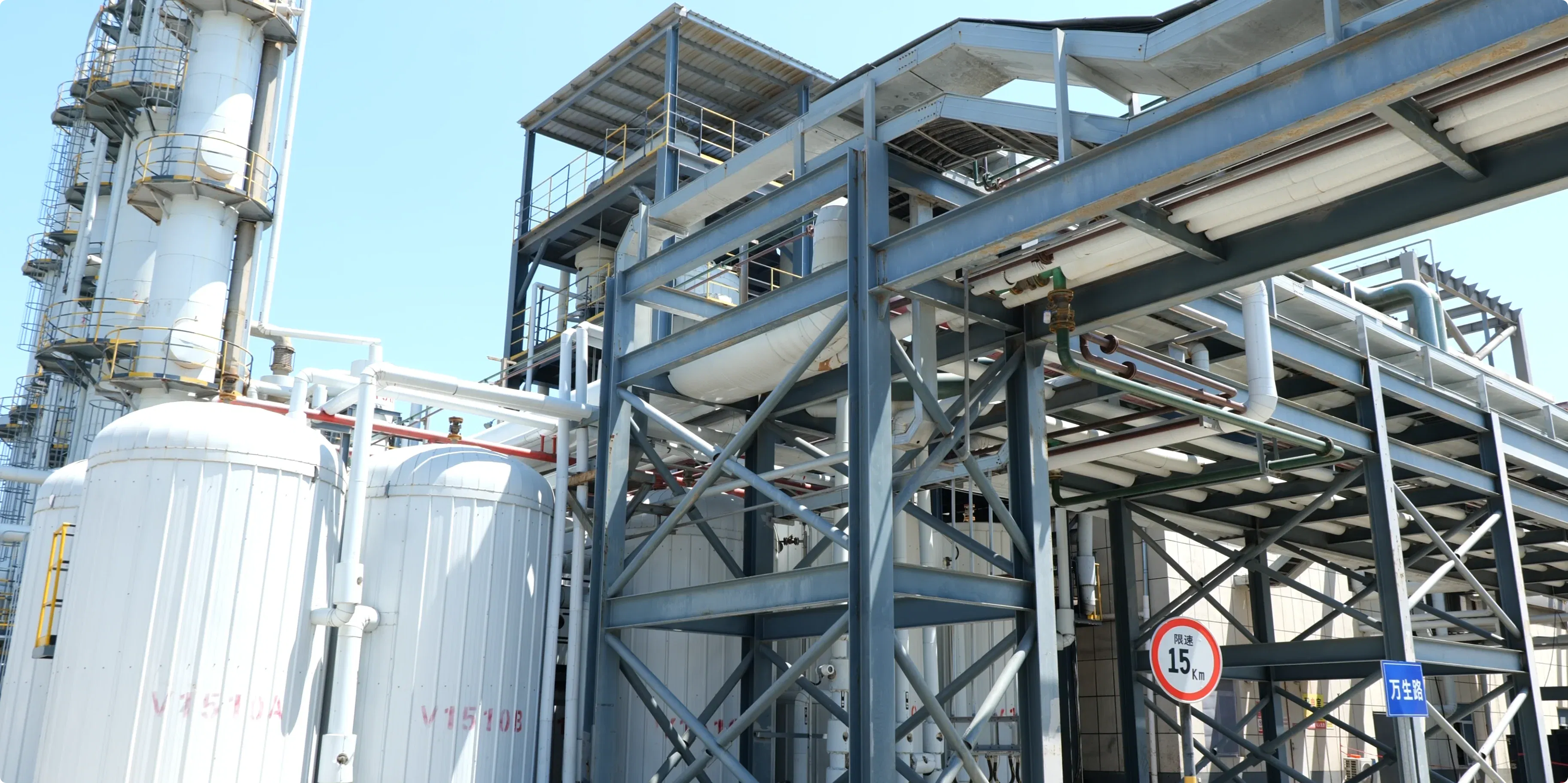
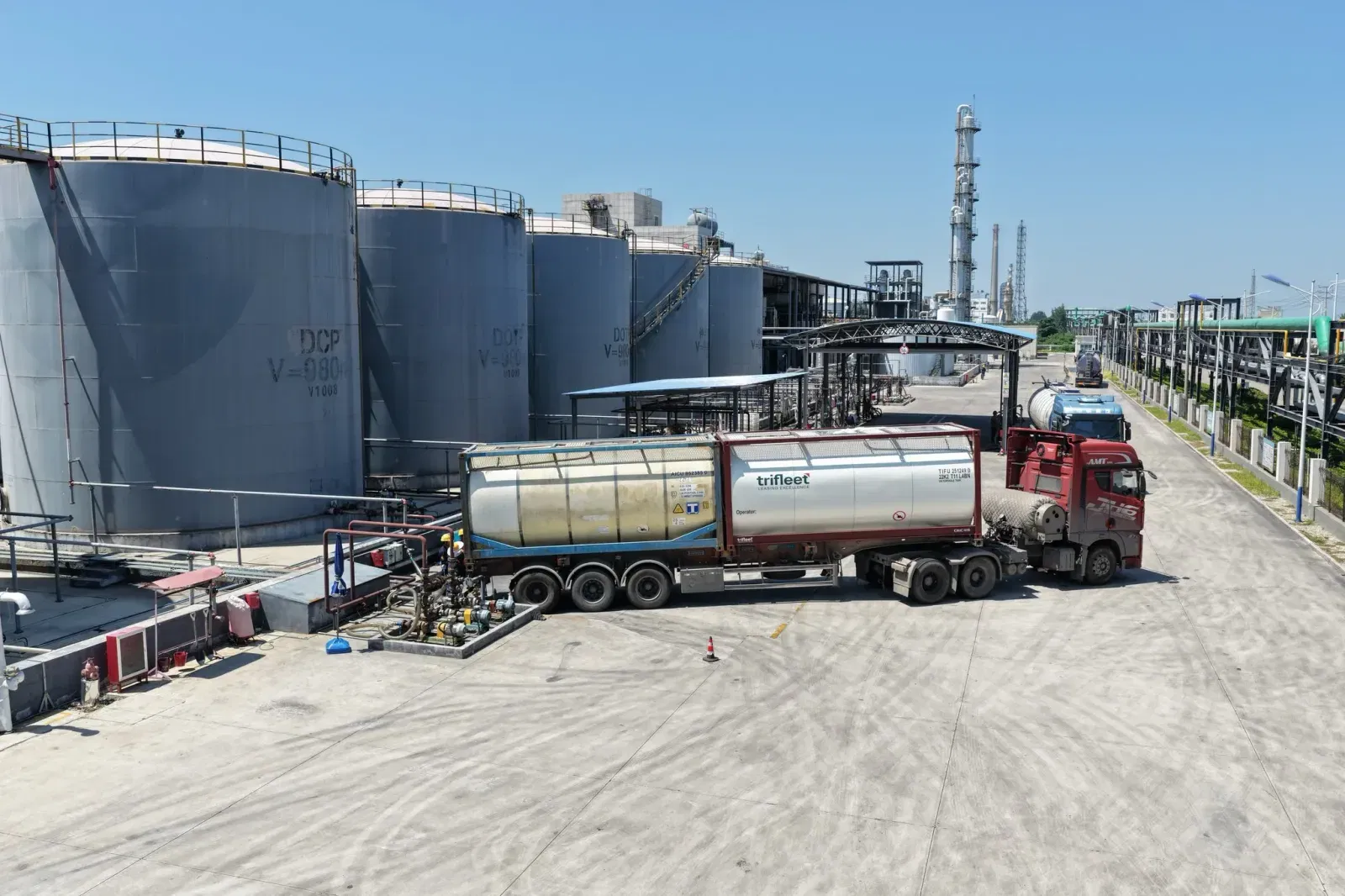
Shandong Changxing Plastic Additives Co., Ltd. is a 300,000-ton-per-year DOTP producer built around auditable quality systems — exactly the profile Indian importers need when customs or a tender committee asks for paperwork. Our compliance assets map directly onto the IS 10158 and BIS documentation requirements:
- ISO 9001 / 14001 / 45001 / 50001 four-system certification covering quality, environment, occupational health and energy management — the quality-manual backbone BIS audits under FMCS.
- SGS third-party reports on every compliance dimension Indian buyers get asked about: 17-phthalate screening (all non-detect), EN 71-3 toy-safe heavy metals, and PFAS-free verification — viewable on our certifications page.
- ISO 14067 product carbon-footprint verification for DOTP and MEG, supporting customers with Scope 3 reporting obligations.
- National-level recognitions: High-tech Enterprise, Shandong Manufacturing Single-Product Champion, Academician Workstation, and production technology assessed as internationally advanced.
- BIS application support: full technical dossiers, IS 10158-aligned CoA templates and sample support for customers pursuing ISI-marked or tender-supplied programmes.
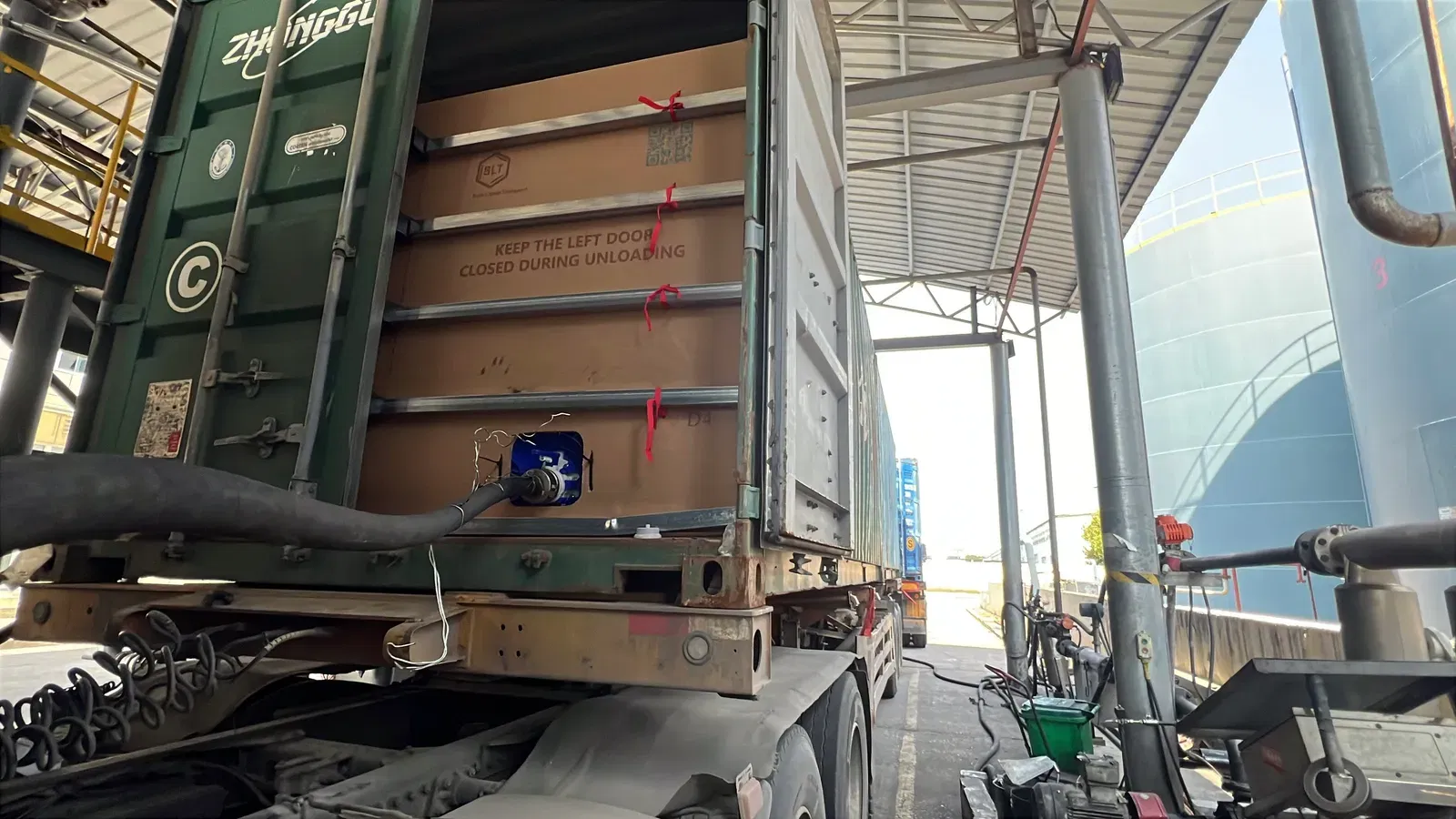
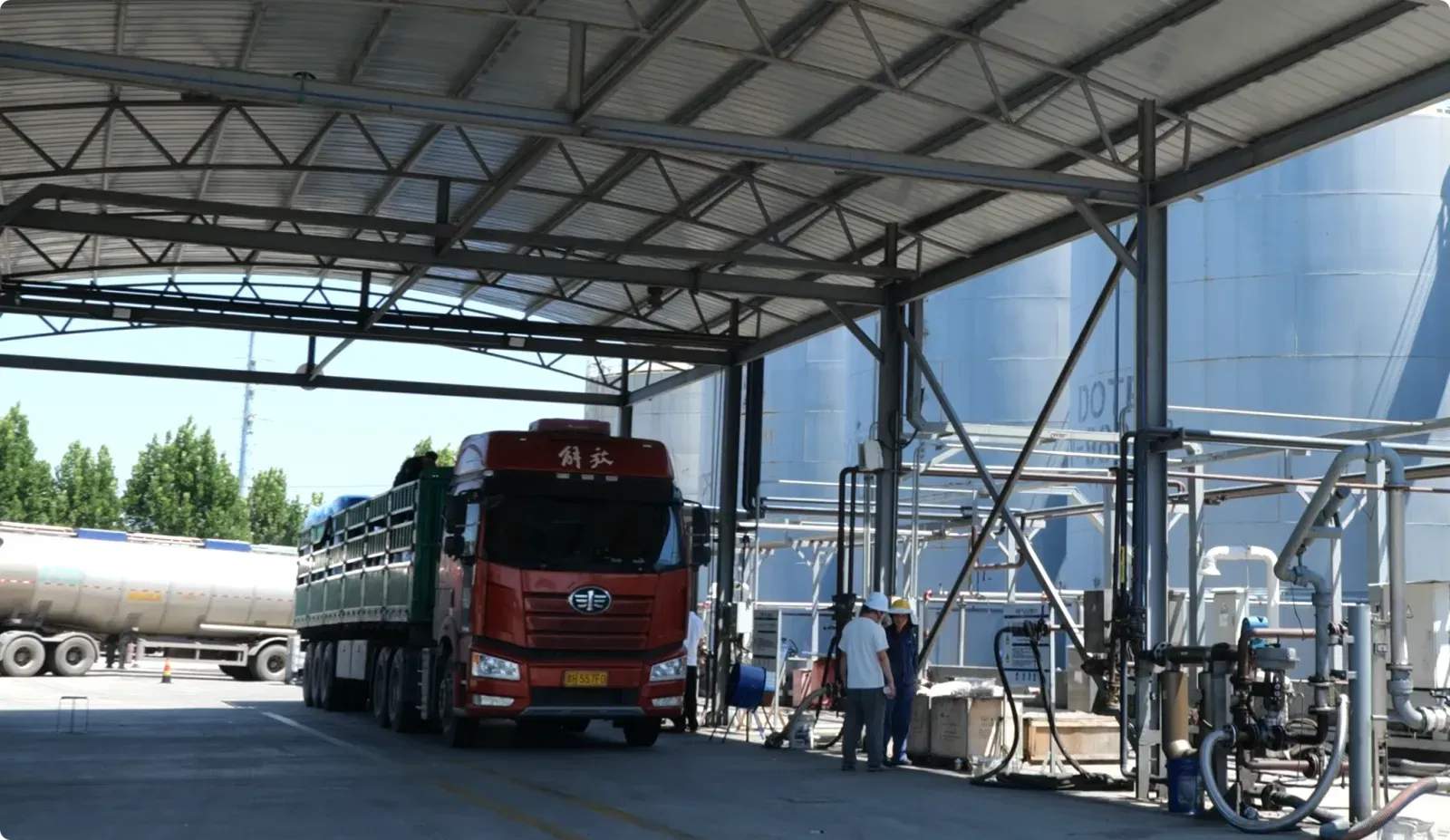
- Five years of India shipments to Mundra, Nhava Sheva and Chennai with zero clearance rejections — including 165 MT consignments documented in our Qingdao port loading report.
Combined with normal MFN duty treatment (no exposure to the Korean safeguard measure) and China's position as the world's lowest-cost DOTP base, the compliance file translates into a straightforward commercial argument: certainty of supply at a knowable landed cost. For current market pricing, see our India DOTP price guide.
Frequently Asked Questions
Is BIS certification mandatory for importing DOTP into India?
No — DOTP itself is not covered by a Quality Control Order, so plain industrial imports clear without a BIS licence. Certification under IS 10158 becomes necessary when your downstream product carries the ISI mark, when you supply government tenders, or in regulated food-contact and medical applications.
What is IS 10158?
IS 10158 is the Bureau of Indian Standards specification for dioctyl terephthalate. It defines quality parameters — ester content, colour (APHA), acid value, moisture, flash point and volume resistivity — against which BIS-recognised laboratories test licence applicants.
What changed in India's QCO regime in November 2025?
The Department of Chemicals and Petrochemicals withdrew 14 chemical and polymer QCOs on 12 November 2025 — including PVC, terephthalic acid and ethylene glycol — and a further 7 metals QCOs followed the same week. In parallel, BIS resumed processing foreign manufacturers' certification applications, reopening the route to ISI-marked imports.
What is the difference between HS 2917.39 and 2917.36?
HS 2917.39 covers aromatic polycarboxylic acid derivatives other than phthalate esters — this is where DOTP belongs (India 8-digit 2917.39.90). HS 2917.36 covers ortho-phthalate esters such as DOP. Declaring DOTP under the wrong heading invites duty reassessment, penalties or cargo seizure.
How long does BIS certification take for a foreign DOTP producer?
For an IS 10158 raw-material licence, expect 8–12 weeks from a complete application, covering AIR documentation, sample testing at a BIS-recognised lab and the overseas factory audit. All-in cost typically runs US$2,000–4,000. Complex consumer-product FMCS programmes can take 6–9 months.
Does the 2026 safeguard duty on Korean plasticizers affect Chinese DOTP?
No. The DGTR final determination of 27 May 2026 applies the safeguard duty (restored to 100% of the MFN rate in year one, 75% in year two) to DOTP and DEHCH originating in South Korea only. Chinese-origin DOTP continues to pay the standard MFN structure — BCD 7.5% plus surcharges — with no safeguard add-on.
Import to India With a Complete Compliance File
Shandong Changxing supplies ISO four-system-certified DOTP with BIS-ready documentation, SGS phthalate-free/EN 71-3/PFAS reports and IS 10158-aligned CoAs — from a 300,000-ton plant unaffected by the 2026 safeguard measures.
Request a Free Quote- ✓ ISO 9001 / 14001 / 45001 / 50001 four-system certified
- ✓ BIS IS 10158-aligned CoAs + SGS phthalate-free / EN 71-3 / PFAS reports
- ✓ 5+ years of India shipments — zero customs rejections
- ✓ Normal MFN duty — unaffected by the 2026 Korean safeguard measure
- ✓ 300,000 tons annual capacity — stable supply guaranteed