
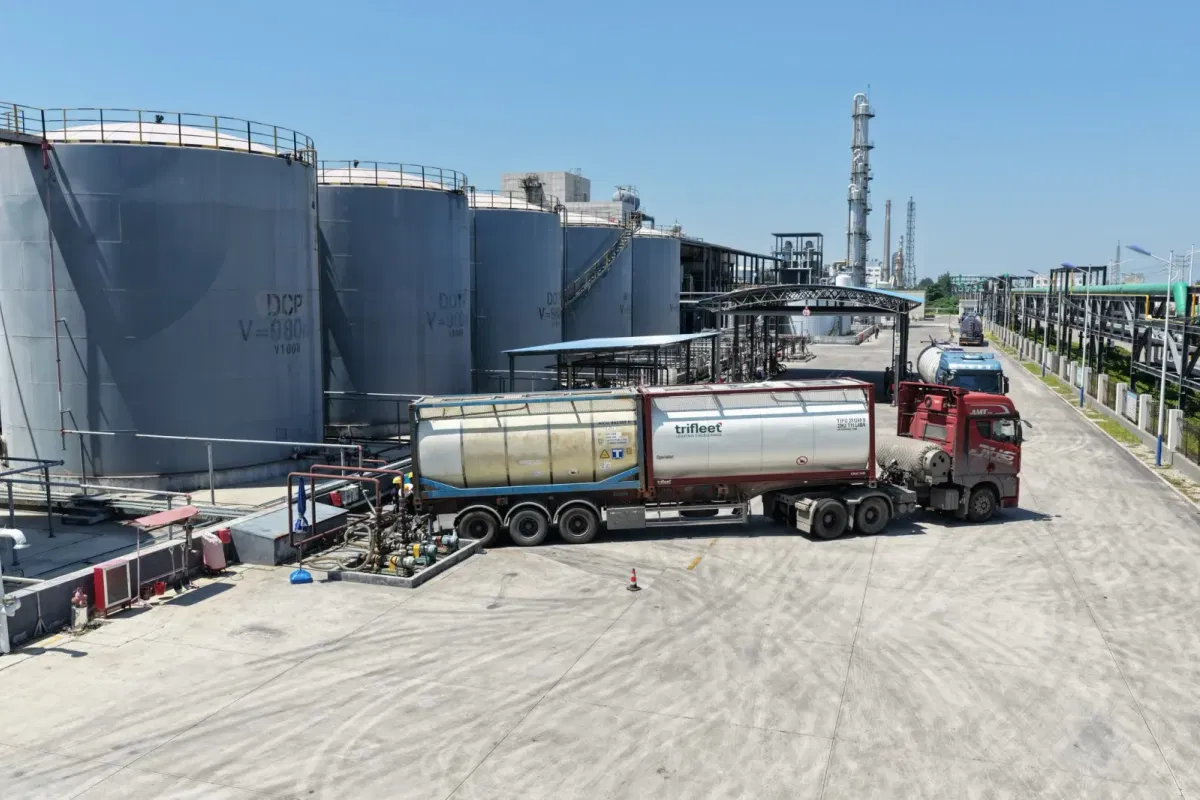
Bio-based DOP can be more cost-effective than petrochemical DOP in many general-purpose PVC applications. The reason is the process route. DCP's key alcohol, sec-octanol, is a by-product of castor oil-derived sebacic acid production. DOP's key alcohol, 2-ethylhexanol, is synthesized from petrochemical propylene. Understanding this difference helps procurement managers justify the switch, reduce raw-material risk, and meet ESG requirements without paying a premium.
Key Takeaways
- ✓ DCP and DOP share the same molecular formula (C₂₄H₃₈O₄) but use different C₈ alcohols: sec-octanol vs 2-ethylhexanol.
- ✓ DCP's sec-octanol comes from castor oil via sebacic acid by-products; DOP's 2-ethylhexanol is synthesized from petrochemical propylene.
- ✓ DCP contains 66% bio-based carbon (total organic carbon), offering a partially renewable alternative to petroleum-based DOP.
- ✓ In cable compounds, artificial leather, floor mats, and conveyor belts, DCP can replace DOP on an equal-weight basis.
- ✓ DCP's cost advantage comes from by-product economics, not subsidies, which makes it a structurally cheaper feedstock in many market cycles.
DCP Process Route: From Castor Oil to Plasticizer
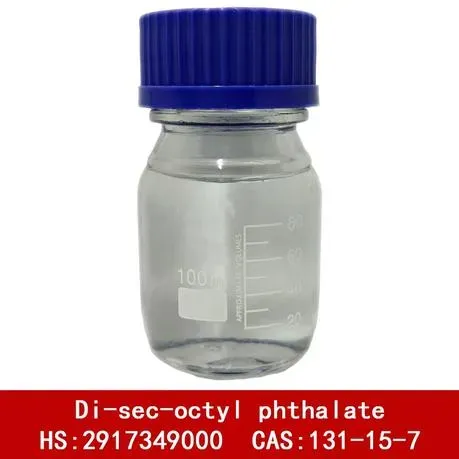
DCP, or di-sec-octyl phthalate (CAS 131-15-7), is produced by esterifying phthalic anhydride with sec-octanol (2-octanol, CAS 123-96-6). The critical difference from DOP is the source of this alcohol.
At Shandong Changxing Plastic Additives, sec-octanol is obtained as a by-product of sebacic acid production. Sebacic acid is extracted from castor oil, a renewable, non-food crop. The process does not require a dedicated petrochemical synthesis chain; instead, it valorizes a co-product stream that already exists in the castor oil value chain. This is why DCP is considered a partially bio-based plasticizer.
| DCP Feedstock | Source | Carbon Origin |
|---|---|---|
| Phthalic anhydride (PA) | Petrochemical (o-xylene/naphthalene oxidation) | Petroleum-based |
| Sec-octanol (2-octanol) | By-product of sebacic acid from castor oil | Bio-based / renewable |
Because one of the two building blocks comes from a renewable source, internal testing records show that DCP contains 66% bio-based carbon as a percentage of total organic carbon. This reduces dependence on petroleum feedstocks while maintaining the same ester chemistry that makes phthalate plasticizers effective in PVC.
DOP Process Route: The Petrochemical Path
DOP, commonly known as DEHP (CAS 117-81-7), is produced by esterifying phthalic anhydride with 2-ethylhexanol (2-EH, CAS 104-76-7). Unlike sec-octanol, industrial-scale 2-EH is almost entirely petroleum-based.
The standard route starts with propylene. Propylene undergoes hydroformylation (the Oxo process) to form n-butyraldehyde. Two molecules of n-butyraldehyde then undergo aldol condensation to form 2-ethyl-2-hexenal, which is hydrogenated to produce 2-ethylhexanol. This multi-step synthesis requires dedicated petrochemical feedstocks, syngas (CO/H₂), and energy-intensive refining.
| DOP Feedstock | Source | Carbon Origin |
|---|---|---|
| Phthalic anhydride (PA) | Petrochemical (o-xylene/naphthalene oxidation) | Petroleum-based |
| 2-ethylhexanol (2-EH) | Propylene → Oxo → aldol → hydrogenation | Petroleum-based |
DOP remains the largest-volume general-purpose plasticizer globally, and its cost is tightly linked to propylene and natural-gas-derived syngas prices. When olefin markets rise, DOP feedstock costs rise in parallel.
Procurement Decision Matrix: DCP vs DOP
For buyers evaluating DCP vs DOP, the decision can be simplified into four procurement dimensions: feedstock origin, price logic, sustainability label, and application fit.
| Dimension | DCP (Bio-based) | DOP (Petrochemical) |
|---|---|---|
| Feedstock Origin | Sec-octanol from castor oil by-product | 2-ethylhexanol from propylene |
| Price Logic | By-product cost structure; often lower | Linked to propylene / syngas markets |
| Sustainability Label | 66% bio-based carbon; renewable share | Petroleum-based at industrial scale |
| Application Fit | Cable, artificial leather, flooring, conveyor belts, plastisols | General PVC; historically the default choice |
| Regulatory Note | Ortho-phthalate; restricted in toys/medical/food contact | Ortho-phthalate; same restrictions apply |
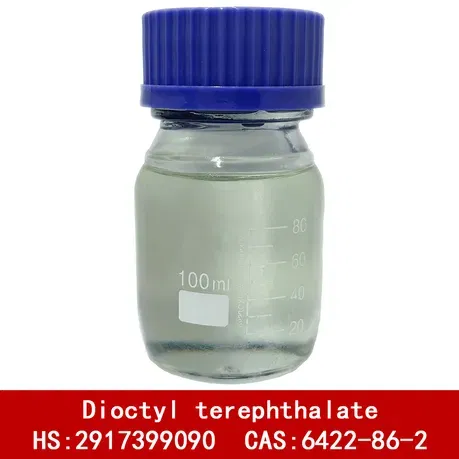
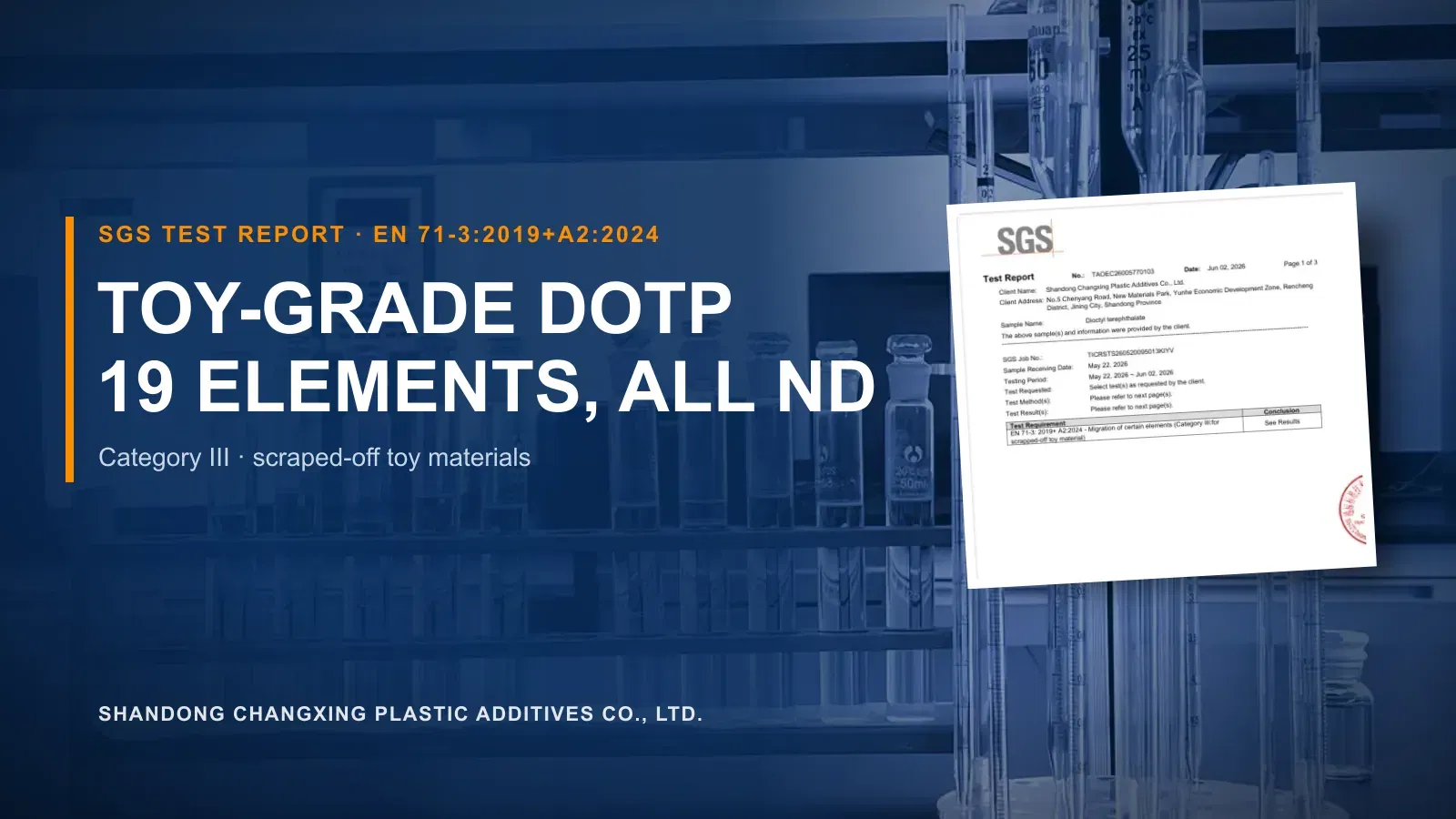
For regulated applications such as children's toys, medical devices, and food-contact PVC, neither DCP nor DOP is suitable. In those cases, DOTP plasticizer is the preferred non-phthalate alternative.
Why Bio-based DOP Is Cost-Effective
The common misconception is that renewable feedstocks are always more expensive. DCP breaks that pattern because sec-octanol is not grown specifically for plasticizer production. It is recovered from an existing sebacic acid by-product stream.
This creates three structural cost advantages:
- By-product economics: Sec-octanol production does not bear the full capital and energy cost of a dedicated petrochemical plant. It shares the value chain with sebacic acid and castor oil derivatives.
- Lower olefin exposure: DCP pricing is partially decoupled from propylene and syngas cycles, which dominate DOP cost volatility.
- High-purity feedstock: The sec-octanol used in DCP production reaches ≥99% purity, supporting consistent esterification yields and product quality.
The result is a cost-effective plasticizer that also carries a renewable carbon story. This combination is rare in the PVC additives market.
Recommended Applications for DCP
DCP performs well in most general-purpose PVC soft products. Our technical team recommends it for:
- Cable compounds: good electrical insulation and heat stability.
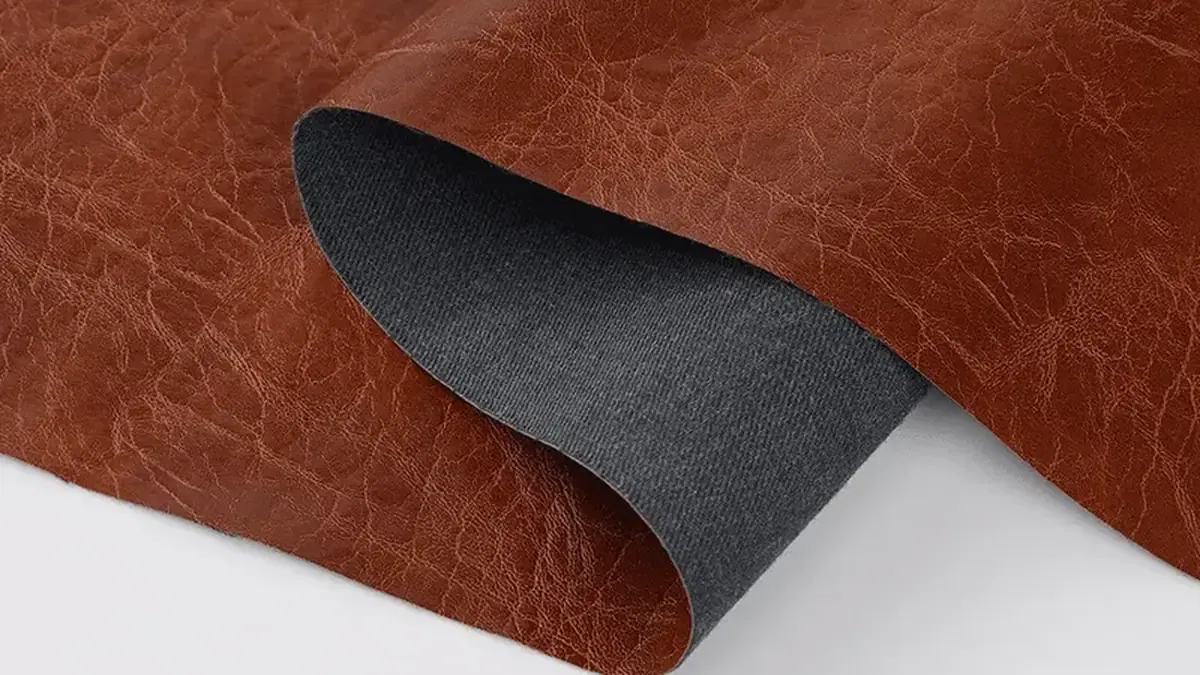
- Artificial leather and floor coverings: cost-sensitive, high-volume applications.
- Conveyor belts and industrial mats: durable at competitive cost.
- PVC plastisols: excellent viscosity stability during storage and processing.
For a deeper performance comparison, see our DCP vs DOP substitution guide.
How to Evaluate DCP vs DOP for Cost-Effective Procurement
Buyers can use a simple five-step framework to decide whether DCP is the right replacement for DOP in a given PVC formulation. The framework focuses on application fit, feedstock economics, sustainability positioning, regulatory limits, and supplier verification.
- Define the application category. Confirm the product is a general-purpose PVC soft compound such as cable insulation, artificial leather, flooring, conveyor belting, or plastisol coating. If the application is a children's toy, medical device, or food-contact article, switch to DOTP plasticizer instead.
- Benchmark plasticizing performance. Run a side-by-side lab trial replacing DOP with DCP at the same phr loading. Measure hardness (Shore A), tensile strength, elongation at break, and thermal aging stability.
- Compare landed cost, not just list price. Request quotes for DCP and DOP on the same Incoterms and packaging format. Include freight, duties, and inventory carrying cost to get a true per-ton comparison.
- Document the bio-based carbon claim. Ask the supplier for a carbon-14 test report or third-party certification showing the bio-based carbon share. For Shandong Changxing DCP, this value is 66% of total organic carbon.
- Verify supply capacity and documentation. Confirm the supplier runs ISO 9001 certified processes and can provide SDS, CoA, and REACH registration documents for the destination market.
References and Data Sources
- Company product profile, Shandong Changxing Plastic Additives technical documentation: DCP bio-based carbon content 66% (total organic carbon), based on internal carbon-14 testing.
- Chemsrc: DOP and DCP preparation methods, catalysts, temperature, and vacuum conditions.
- Springer / ChemTexts: Industrial hydroformylation and 2-ethylhexanol production routes.
- Springer / Environmental Chemistry Letters: Review of lignocellulosic and petrochemical pathways to 2-ethylhexanol.
- 智研咨询 (Chyxx): China plasticizer industry analysis, DCP feedstock origin and substitution relationship with DOP.
Frequently Asked Questions
Can DCP replace DOP in PVC formulations?
Yes. DCP and DOP are structural isomers with the same molecular formula (C₂₄H₃₈O₄). In most general-purpose PVC soft products, including cable compounds, artificial leather, floor mats, and conveyor belts, DCP can replace DOP on an equal-weight (phr-for-phr) basis with very similar plasticizing performance.
Why is bio-based DOP more cost-effective than DOP?
DCP's key alcohol feedstock, sec-octanol, is a by-product of sebacic acid production from castor oil. This by-product cost structure is typically lower than DOP's 2-ethylhexanol, which is synthesized from propylene via the Oxo process. As a result, DCP often offers a better cost-performance ratio in general-purpose PVC applications.
What is the bio-based carbon content of DCP?
According to internal product testing data, DCP produced by Shandong Changxing Plastic Additives contains 66% bio-based carbon (as a percentage of total organic carbon). The renewable portion comes from sec-octanol derived from castor oil, reducing reliance on petroleum feedstocks.
What are the main differences between DCP and DOP process routes?
DCP uses sec-octanol from castor oil-derived sebacic acid by-products, while DOP uses 2-ethylhexanol from petrochemical propylene via hydroformylation and aldol condensation. DCP's route is partially bio-based; DOP's route is almost entirely petroleum-based at industrial scale today.
Where can I buy bio-based DOP plasticizer?
Shandong Changxing Plastic Additives manufactures DCP (di-sec-octyl phthalate, CAS 131-15-7) under ISO 9001:2015 certified processes. Our group mainly produces DOTP with a total plasticizer annual capacity of 230,000 tonnes; upon full completion specific DCP production output is kept confidential. We provide SDS, CoA, and REACH documentation. Request a quote for FOB Qingdao or CIF delivery worldwide.
Ready to Source Bio-based DOP?
Shandong Changxing Plastic Additives Co., Ltd. is an ISO 9001/14001/45001/50001 certified manufacturer. We mainly produce DOTP and operate with a total plasticizer annual capacity of 230,000 tonnes; upon full completion specific DCP production output is kept confidential. We supply DOTP, DCP, and 2-octanol to clients worldwide, with full SDS, CoA, and REACH documentation.
Request a Free Quote- ✓ DCP (CAS 131-15-7) with 66% bio-based carbon
- ✓ ISO 9001/14001/45001/50001 four-system certified
- ✓ 230,000 tonnes of plasticizer annual group capacity upon full completion
- ✓ Global delivery to 30+ countries