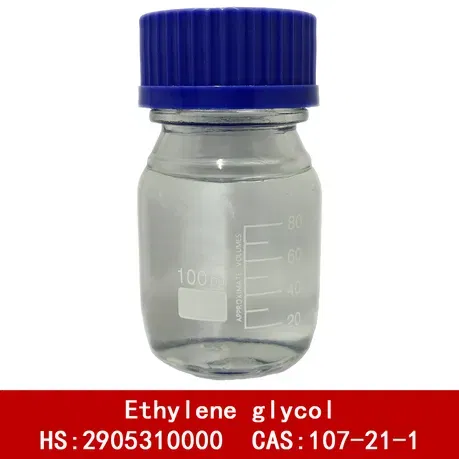

The MEG HS code starts at 2905.31. The Chinese export code is the ten-digit 2905310000, the customs name on the Chinese side is 1,2-乙二醇, and the CAS number sitting behind all three labels is 107-21-1. That is the short answer.
The longer answer is where buyers lose money: the first six digits of the MEG HS code are agreed between governments, the last four are not, and a customs officer reads a product name by trying to resolve it to one molecule. This guide covers how the code is assembled and what China asks you to declare, the three traps we keep seeing on MEG shipments, and the specification and packaging figures we ship against for Ethylene Glycol (MEG).
What to take away
- 2905.31 is a named line. Heading 2905 covers acyclic alcohols; subheading 2905.31 names ethylene glycol in the tariff's own text, so it is not a catch-all.
- China keeps 0% export duty on MEG and refunds 13% VAT in the schedule we read on 15 October 2026. Annual revisions move both figures, so price off a broker's quote and not off this page.
- CAS 107-21-1 is the tie-breaker. Invoice, COA, SDS, bill of lading and certificate of origin should carry one CAS number and one composition string.
- Diethylene glycol (CAS 111-46-6) and propylene glycol (CAS 57-55-6) are different declarations. So is a coolant package with inhibitors and dyes added.
- The destination customs service has the final word. A written pre-check before the first container costs less than a yard hold.
How the ethylene glycol HS code is built, digit by digit
Heading 2905 reads "acyclic alcohols and their halogenated, sulfonated, nitrated or nitrosated derivatives". Within it the 3x band is the diols. 2905.31 names ethylene glycol outright; 2905.32 takes propylene glycol. Anything else with two hydroxyl groups falls into the residual 2905.39.
General Rule 1 classifies goods by the terms of the headings plus the relevant Section and Chapter Notes, and General Rule 6 applies those same rules, mutatis mutandis, when subheadings at the same level are compared. So the named line decides: 2905.31 covers ethylene glycol because the tariff names it, and 2905.39 Other collects what no other line names. That is why a broker will not move 1,2-ethanediol out to "other dihydric alcohols" just because the residual line was already on file.
China adopts the six digits and adds four of its own. The eight-digit line 29053100 is 1,2-乙二醇 and the ten-digit code 2905310000 is what goes on the export declaration. Buyers normally see the six-digit HS code in a quotation and the ten-digit form in a shipping document; both refer to the same cargo.
| Level | Code | Text on the tariff |
|---|---|---|
| Chapter | 29 | Organic chemicals |
| Heading | 2905 | Acyclic alcohols and their halogenated, sulphonated, nitrated or nitrosated derivatives |
| Band | 2905.3 | Diols |
| Subheading | 2905.31 | Ethylene glycol (ethanediol) |
| China, 8 digits | 29053100 | 1,2-乙二醇 |
| China, 10 digits | 2905310000 | The line used on the export declaration |
Five names, one molecule, and what customs reads
The same MEG liquid arrives on purchase orders as MEG, monoethylene glycol, EG, ethanediol, 1,2-乙二醇. Those five names are one substance: C₂H₆O₂, molar mass 62.07, CAS 107-21-1.
"Glycol" does not name a molecule; it names a family. Buyers and sellers use "glycol" for ethylene glycol, for propylene glycol, for diethylene glycol and for blends of all three, and those do not share a tariff line. A declaration that says glycol and nothing else invites a customs officer to ask which one. Answer that question on the paperwork, before the vessel sails.
On MEG paperwork, write the CAS number on the invoice description, not only in the certificate of analysis. Five documents travel with the container, and they should carry one identity and one composition string.
Keep the words "ethylene glycol" attached to the CAS number on the invoice. The Chapter 29 Notes apply the Chapter to separate chemically defined organic compounds, whether or not they contain impurities, and they keep those compounds dissolved in water inside the same Chapter. Water alone therefore does not push a drum of MEG out of 2905.31; declare the content figure you actually ship and let the composition carry it. What does move the cargo is an additive package. Once corrosion inhibitors, dyes or surfactants go in, the liquid reads as a preparation and it belongs under its own heading, often 38.24. Ask for that blend's own classification before you book the truck.
What China asks you to declare for MEG under 2905310000
Chinese declarations carry a field block called 申报要素, declaration elements, and every tariff line has its own list. The three mirrors we read on 15 October 2026 give eleven fields for this line: product name, brand type, export preference status, composition content, intended use, packaging specification, contract date, pricing date, GTIN, CAS number and a catch-all "other". Four of those eleven are where a MEG shipment stalls.
- Composition content. We declare our material at 99.5% minimum content with moisture 0.1% maximum, and the COA we issue for every batch says the same. If the two percentages ever drift apart, an officer reads a document mismatch, not a rounding argument.
- Export preference status. This is where an FTA claim is recorded: Form E for an ASEAN destination, an RCEP certificate where the buyer wants regional treatment, a plain "no preference" otherwise. The buyer's duty reduction starts with the sentence the exporter files here.
- Intended use. PET resin, coolant blending, gas dehydration and solvent use all read differently to an officer, even though the molecule is identical.
- CAS number. 107-21-1. Put it in this field and nobody has to guess which neighbouring line the cargo belongs to.
On the fiscal side, the schedule we read on 15 October 2026 shows the MEG export line with no export duty, a 13% export VAT refund, a 5.5% most-favoured-nation import rate for cargo coming into China, a 30% general import rate and 13% VAT, and no commodity inspection or quarantine codes attached. The VAT refund is what gives us room in a quote. The import duty belongs to the buyer's landed cost. Both are revised annually, so nothing here replaces a broker's current figure.
Three traps in MEG customs classification
Trap 1: declaring a family word instead of a substance
Diethylene glycol is the one to watch. Traders buy it on its own as a solvent and a gas-dehydration agent, and it also turns up as an impurity or an adulterant inside cheaper glycol packages. It is a different molecule (CAS 111-46-6, C₄H₁₀O₃) and an ether-alcohol rather than a plain diol, so it does not travel under 2905.31. The tariff text puts 2,2'-oxydiethanol (diethylene glycol, digol) in heading 2909, ether-alcohols, and China's eight-digit line for it is 29094100. Propylene glycol (CAS 57-55-6, C₃H₈O₂) sits one subheading away at 2905.32. A buyer who treats "glycol" as one commodity ends up with a code that does not describe the drum.
Trap 2: inheriting the code from the last container
Freight forwarders keep a profile per importer, so the code from the previous shipment is the one that gets typed in again. That is how a coolant blender who once imported propylene glycol keeps filing 2905.32 for ethylene glycol, or how a buyer moving between plasticizer grades carries an old aromatic-ester code across. The cost is concrete. The wrong line moves the duty rate and kills an FTA claim the tariff schedule does not support for that code. It also makes a physical examination more likely.
The same classification failure exists one heading over on the plasticizer side, and our guide to importing DOTP into India walks through 2917.39 and the DOP-inheritance problem in detail.
Trap 3: treating six digits as the finish line
Six digits stop being universal at the border. India extends the code to eight digits on the Bill of Entry and the European Union to ten with its TARIC suffix; Vietnam publishes its own import schedule, with an FTA column beside the MFN column. The WCO does not set a duty. Each destination sets its own duty, against its own extension of the HS code.
Before the first order, ask the destination broker to confirm the extended code and the applicable rate in writing. If the cargo will run for years in the EU, the importer can also apply to a national customs authority for a Binding Tariff Information decision, a ruling on classification that then holds across the Union for three years.
For MEG volume planning, our MEG price trends for 2026 covers where regional quotes are moving and why.
What we ship under 2905310000
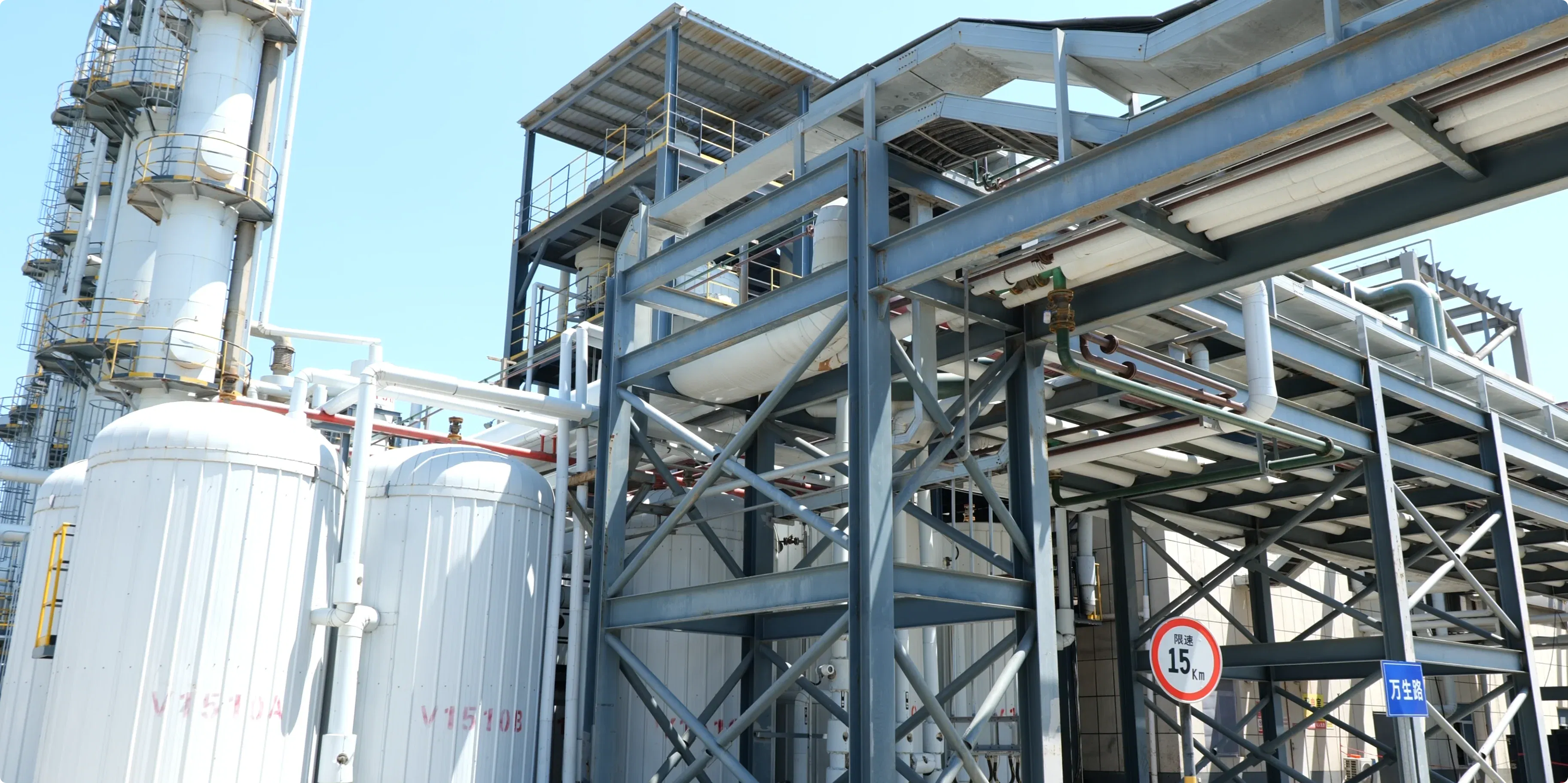
Shandong Changxing exports MEG declared as 1,2-乙二醇 under 2905310000, CAS 107-21-1. The MEG export data sheet behind that declaration carries six items: appearance, content, chroma, initial boiling point, dry point and moisture. Storage and handling notes for the same material are on our glycol storage and safety page.
| Item | Value |
|---|---|
| Appearance | Transparent liquid |
| Content | 99.5% minimum |
| Chroma, platinum-cobalt | 40 maximum |
| Initial boiling point | 185 °C minimum |
| Dry point | 204 °C maximum |
| Moisture | 0.1% maximum |
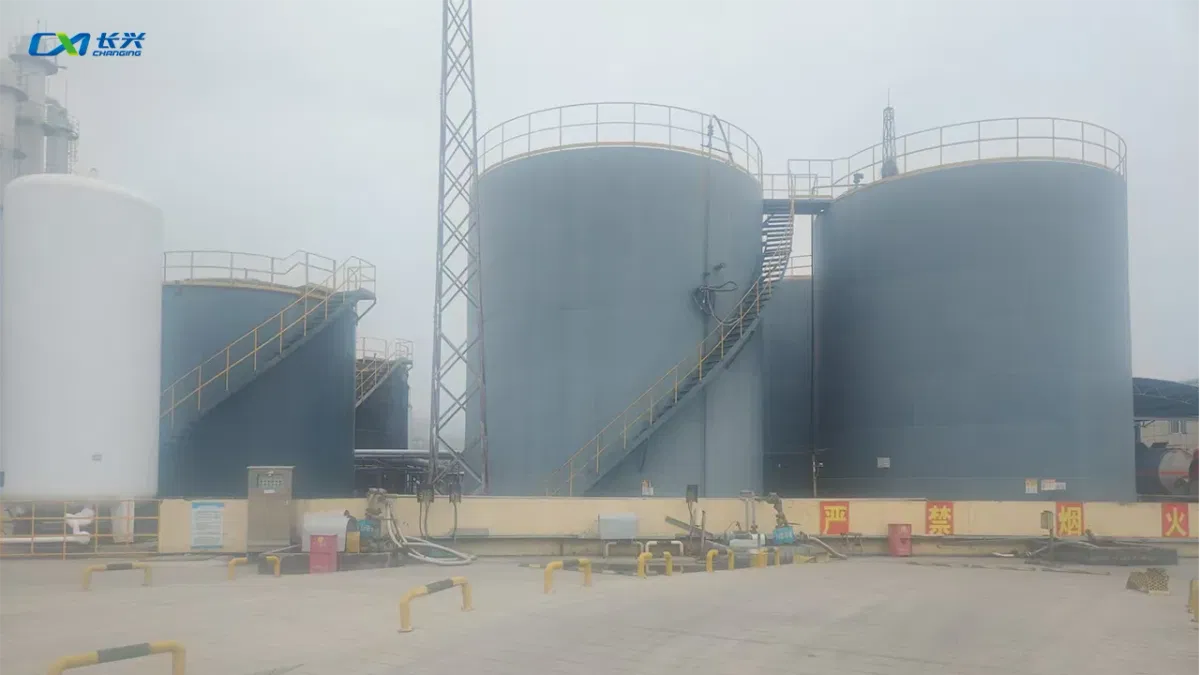
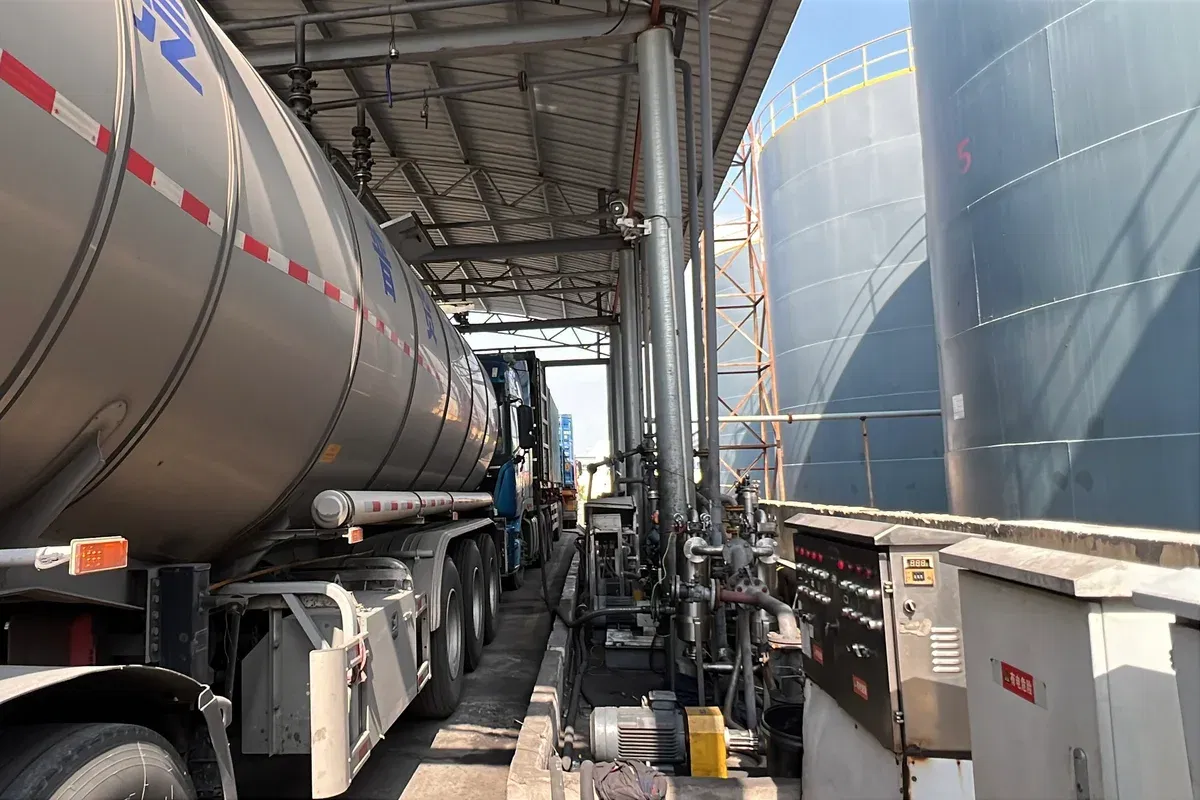
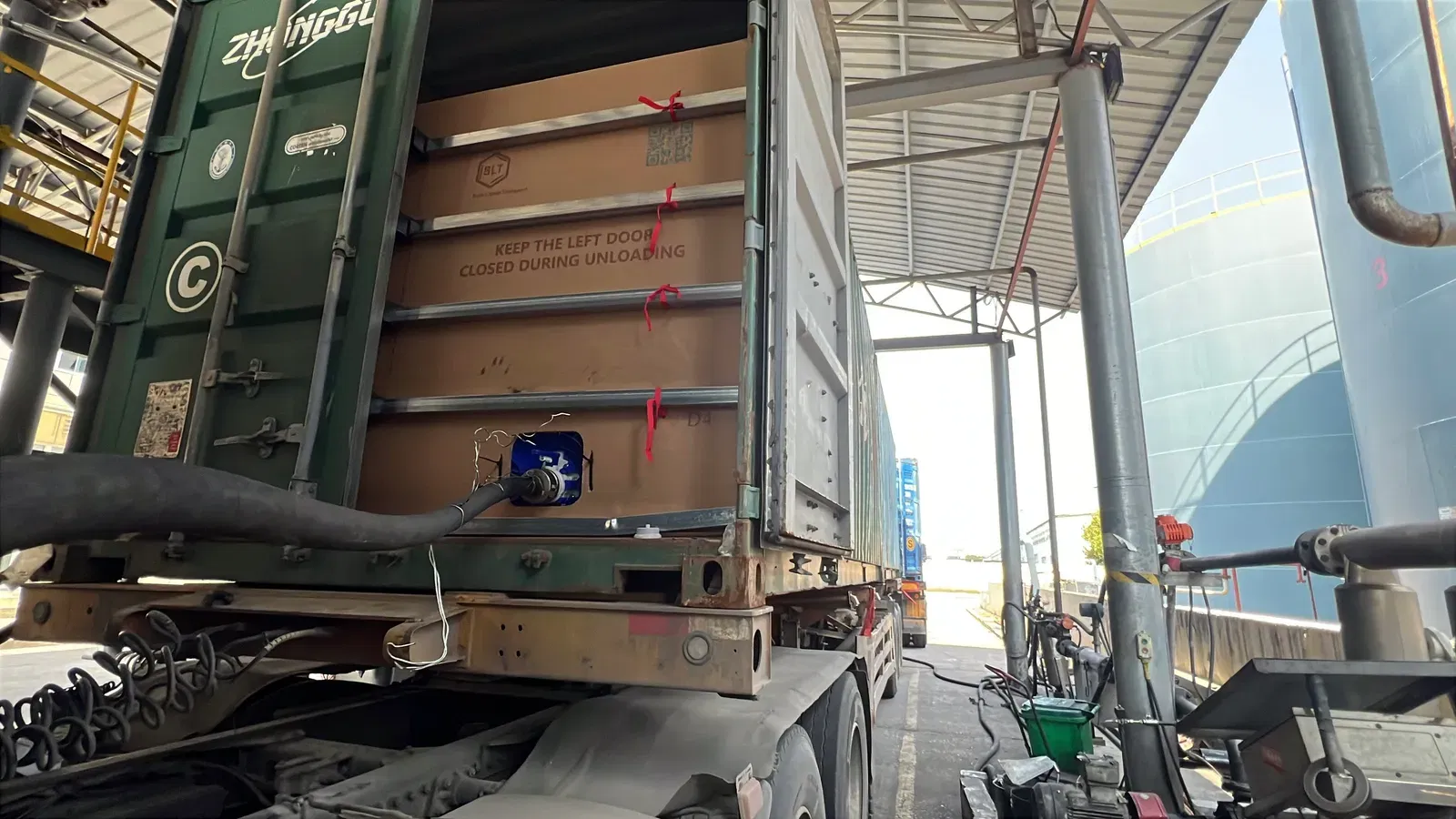
Net weight per unit, by packaging option: ISO tank 25 t, flexitank 24 t, IBC tote 22 t, plastic drum 17.6 t, iron drum 17.6 t. Documents we issue for every shipment are the commercial invoice with the CAS number in the description, packing list, bill of lading, certificate of analysis, safety data sheet, and a certificate of origin when the buyer claims preferential treatment.
Frequently asked questions
Q1: What is the HS code for MEG?
2905.31 at the international level, which names ethylene glycol (ethanediol) directly in the tariff text. China's ten-digit export code for the same material is 2905310000, declared as 1,2-乙二醇, CAS 107-21-1.
Q2: Is MEG the same as EG, and is "glycol" a third thing?
MEG (monoethylene glycol) and EG (ethylene glycol) are the same molecule, CAS 107-21-1. "Glycol" is a family word that people apply to ethylene glycol, propylene glycol (CAS 57-55-6), diethylene glycol (CAS 111-46-6) and blends of them. Those are separate declarations, so put the CAS number on the paperwork.
Q3: Why does a classification question matter to the price?
Three price lines hang off the code. On the China side the export VAT refund is tied to the declared tariff line, which affects what an exporter can quote. On the buyer's side the destination rate applies to whichever extension of the code the broker files, and an FTA claim is only valid for a code the agreement covers. A wrong code quietly costs all three.
Q4: Can a 50/50 MEG and water blend ship under 2905310000?
It depends on what is in the drum, and this is where buyers get caught. The Chapter 29 Notes keep separate chemically defined compounds and their aqueous solutions inside the Chapter, so a plain ethylene glycol and water blend is declared at the content it actually carries, not at 99.5%. A coolant package with corrosion inhibitors, dyes or surfactants is a preparation and reads under its own heading, so do not paste the base code onto it. Tell us which of the two you are buying.
Q5: Who has the final say on the code?
The customs authority in the country of import, usually reached through your broker. We supply the CAS number, the composition, the packaging and a draft bill of lading so the broker can check the extension and the rate before the first container is booked. In the EU your importer can also apply to a national customs authority for a Binding Tariff Information decision on classification, valid for three years across the Union.
Sources and verification
- Substance identity checked against PubChem on 15 October 2026: ethylene glycol CAS 107-21-1 (C₂H₆O₂, 62.07), diethylene glycol CAS 111-46-6 (C₄H₁₀O₃), propylene glycol CAS 57-55-6 (C₃H₈O₂).
- HS structure, the Chapter 29 Notes and the General Rules of Interpretation read from the Government of Canada Customs Tariff 2026 (Chapter 29 and its General Rules), whose text follows the WCO Harmonized System, on 15 October 2026. China's 2905310000 line, its eleven declaration elements, VAT, refund and inspection codes were read from three public mirrors of the Chinese schedule on the same day (i5a6.com, 365area.com and 52by.com, entry 2905310000, plus 2909410000 for diethylene glycol). The customs administration's own site was not reachable from our office network, so treat those figures as a dated snapshot and confirm the current version with your broker.
- Specification and packaging figures come from Shandong Changxing's export data sheet for MEG (乙二醇(长兴), October 2026), the same source the product page is generated from. Origin-form and destination-code practice (Form E, RCEP certificates, India's eight-digit CTH, TARIC's ten-digit suffix, Vietnam's FTA column) comes from signed trade and trade-ministry sources published between 2024 and 2026 and re-read on the same date.
Before you book
Get three things in writing and the shipment is ordinary: the CAS number on the invoice description, the destination's extended HS code from your own broker, and whether an FTA certificate will be claimed on this order. Everything else on this page matters only when one of those three does not line up.
Ready to source MEG from China?
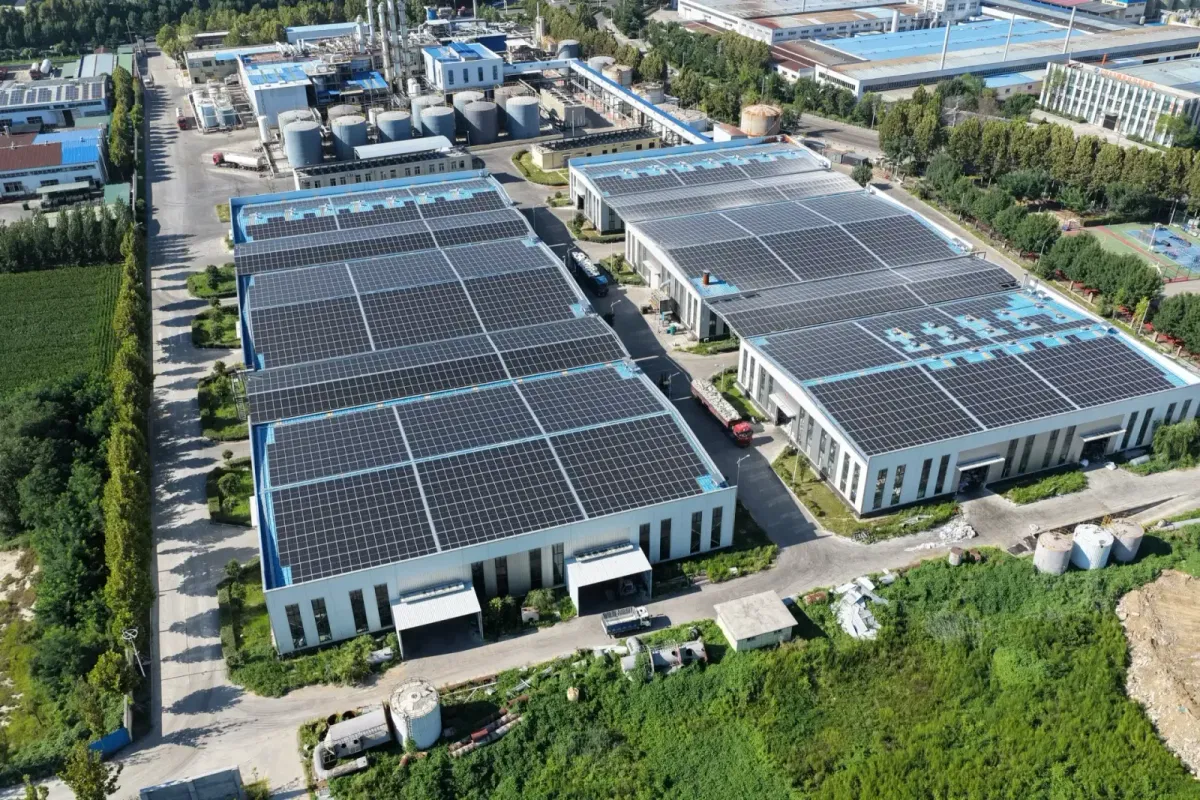
Shandong Changxing Plastic Additives Co., Ltd. is an ISO 9001 certified manufacturer, and the certificate scope covers plasticizer and glycol production. Group plasticizer capacity is 300,000 tons a year, split between the Changxing and Wansheng plants. We ship 1,2-乙二醇 at 99.5% minimum content under 2905310000, with a COA for every batch, in ISO tanks, flexitanks, IBC totes and drums, and we send the CAS number, composition and a draft bill of lading ahead of the first declaration so your broker can check the HS code before the container moves.
Request a Free Quote- MEG at 99.5% minimum content, chroma 40 maximum, COA for every batch
- ISO 9001 / 14001 / 45001 / 50001 certified
- National high-tech enterprise and Shandong Gazelle Enterprise
- ISO tank 25 t, flexitank 24 t, IBC tote 22 t, drum 17.6 t
- Exports to 30+ countries and regions