

Industry Insights
Expert analysis and insights on DOTP plasticizers, PVC compliance, and sustainable manufacturing trends.

PVC Tarpaulin Plasticizer: DOTP Loading and Grade Selection
A tarpaulin is a coated fabric, not a film. How to set DOTP loading for truck covers, tent fabric and liners, which colour spec each shade really needs, and what to test before the first roll ships.
Read More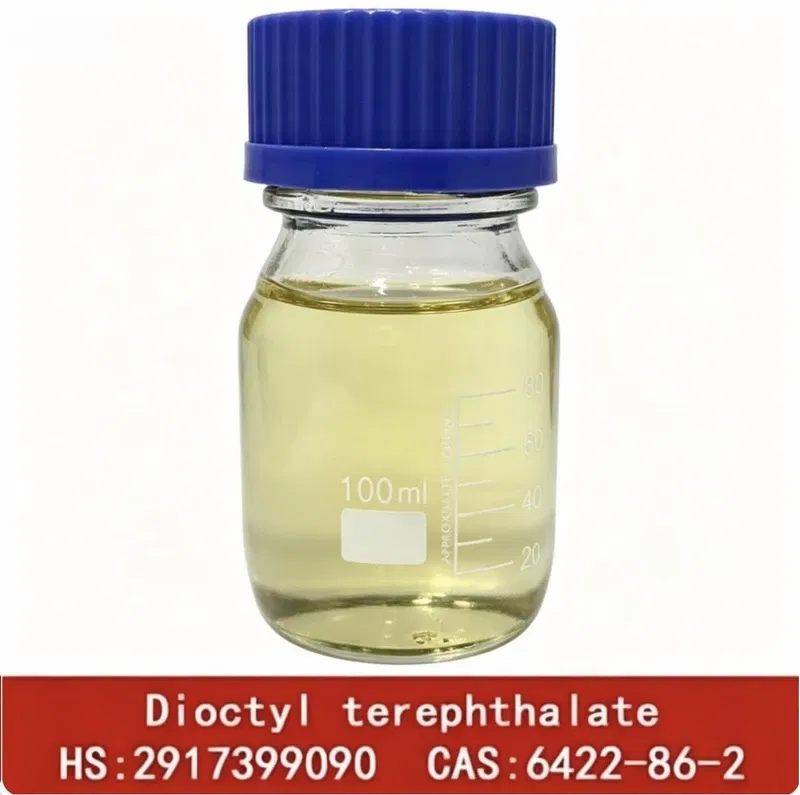
DOTP Dosage Guide: Recommended phr Levels for Different PVC Applications
DOTP dosage in flexible PVC ranges from about 40 to 70 phr. A per-application dosage table, the phr formula and conversion, the factors that move the number, and the specification values to check on a purchase order.
Read More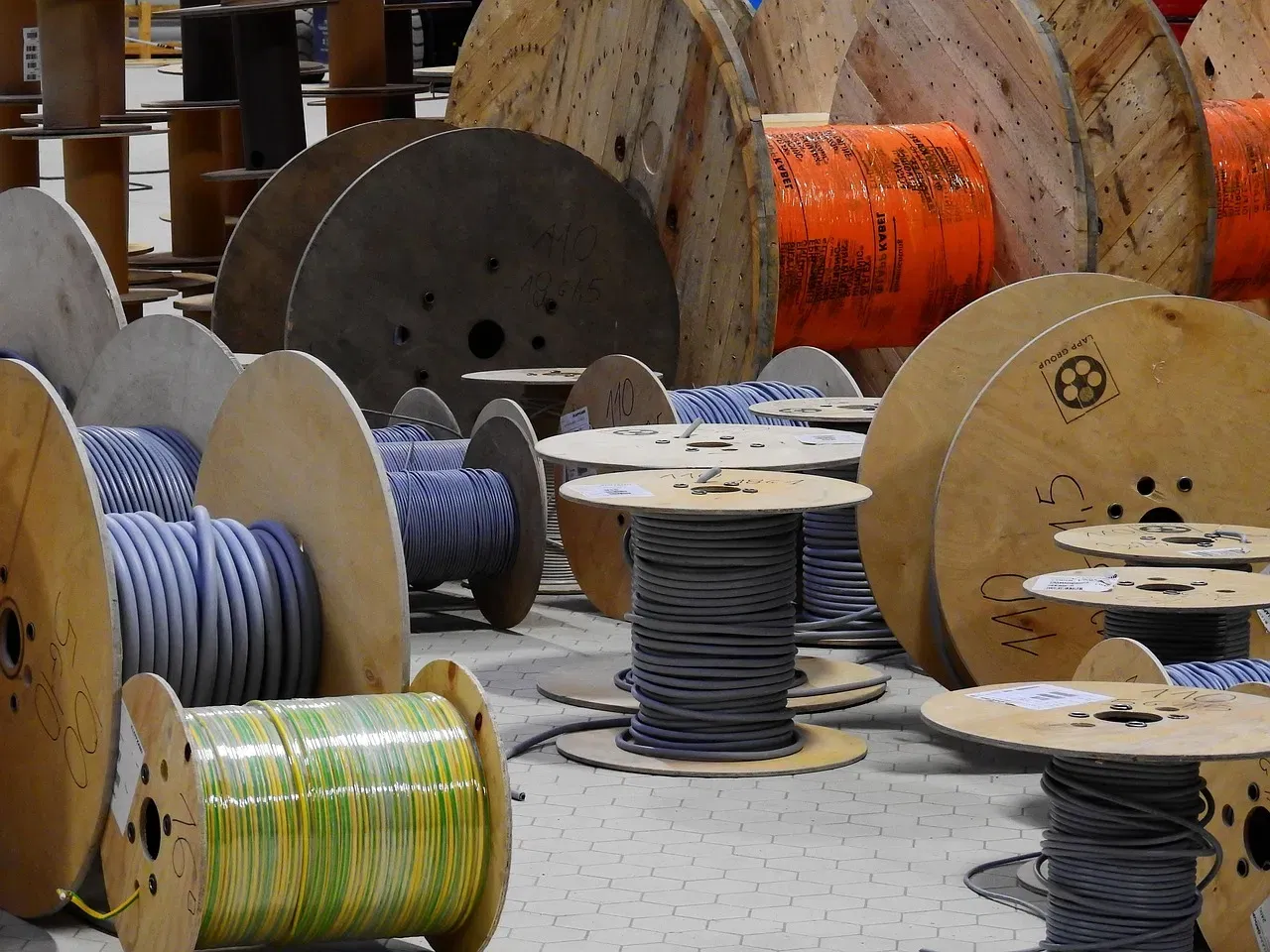
DOTP for PVC Cable Compounds: How to Choose the Right Grade
Three DOTP grades differ in two rows only: colour and volume resistivity. Match the grade to the layer — insulation or sheath — and to whether the part must be transparent, pale or plain black.
Read More DOTP Grade Selection: A Technical Procurement Guide
Superior and first-grade DOTP differ only in colour; the qualified grade also sets a lower volume-resistivity floor. A four-step procurement guide covering the specification sheet, the application, the purchase order and arrival inspection.
Read More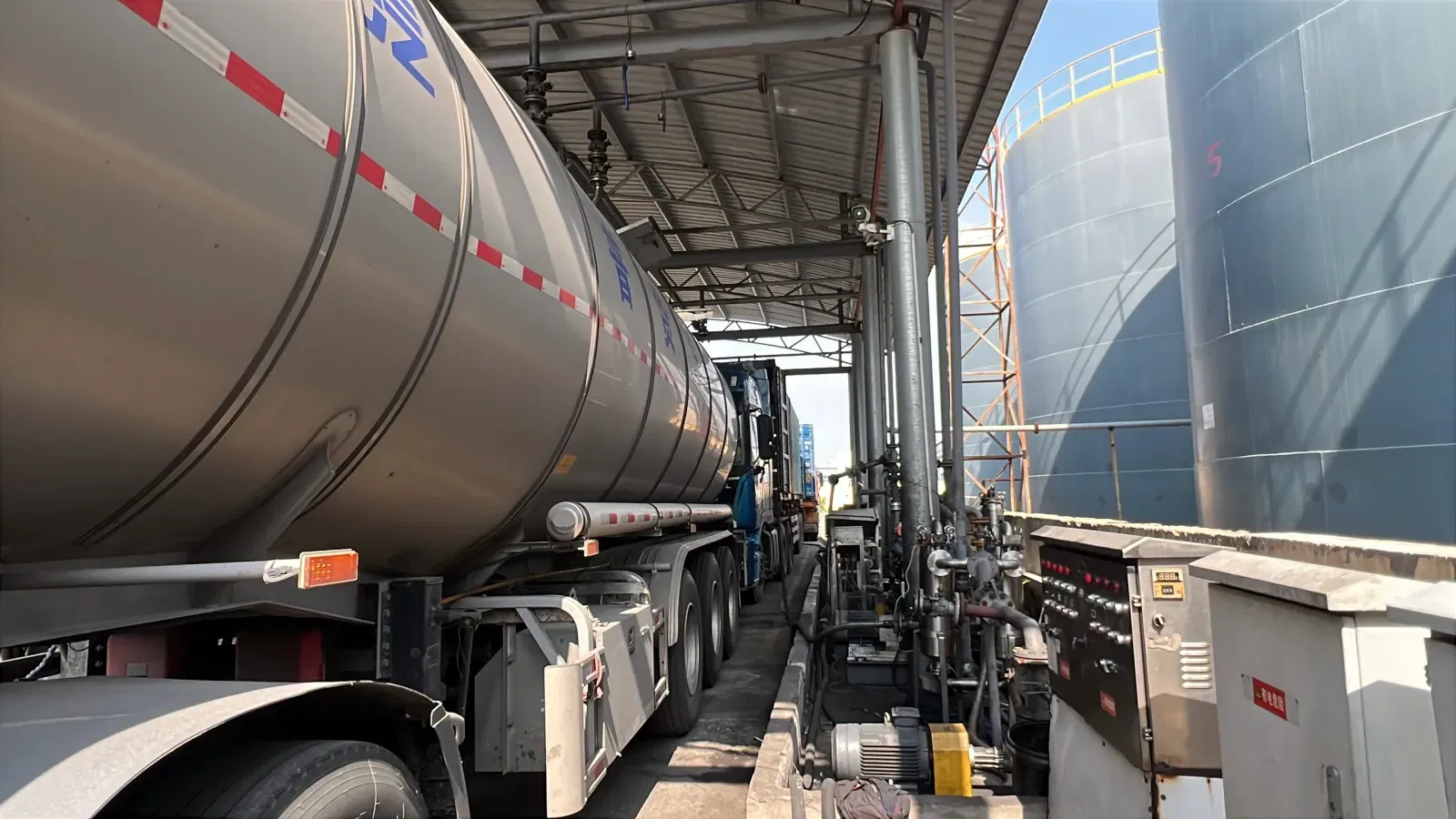
DOTP vs DINCH: Choosing the Right Non-Phthalate Plasticizer
DOTP and DINCH are both non-phthalate. Compare low-temperature performance, plastisol viscosity, food-contact position, supply structure and cost, and see which fits your PVC line.
Read More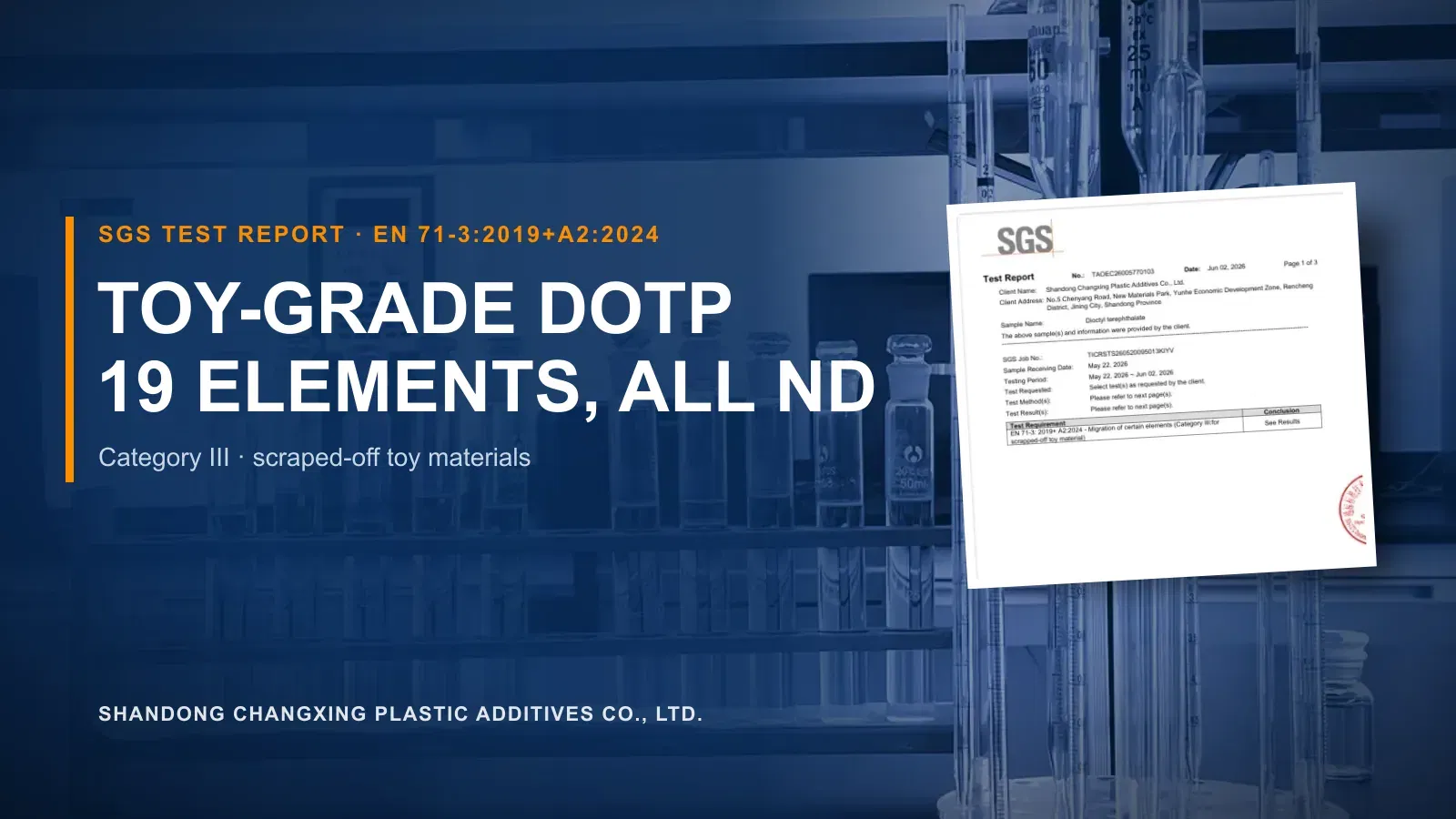
Non-Phthalate Plasticizers for Toy Manufacturing: EN 71-3 Compliance Guide
EN 71-3 migration and phthalate content are different tests. A 2026 guide to EU, US and China limits, DOTP vs ATBC vs DINCH, and the supplier documents a toy factory should audit.
Read More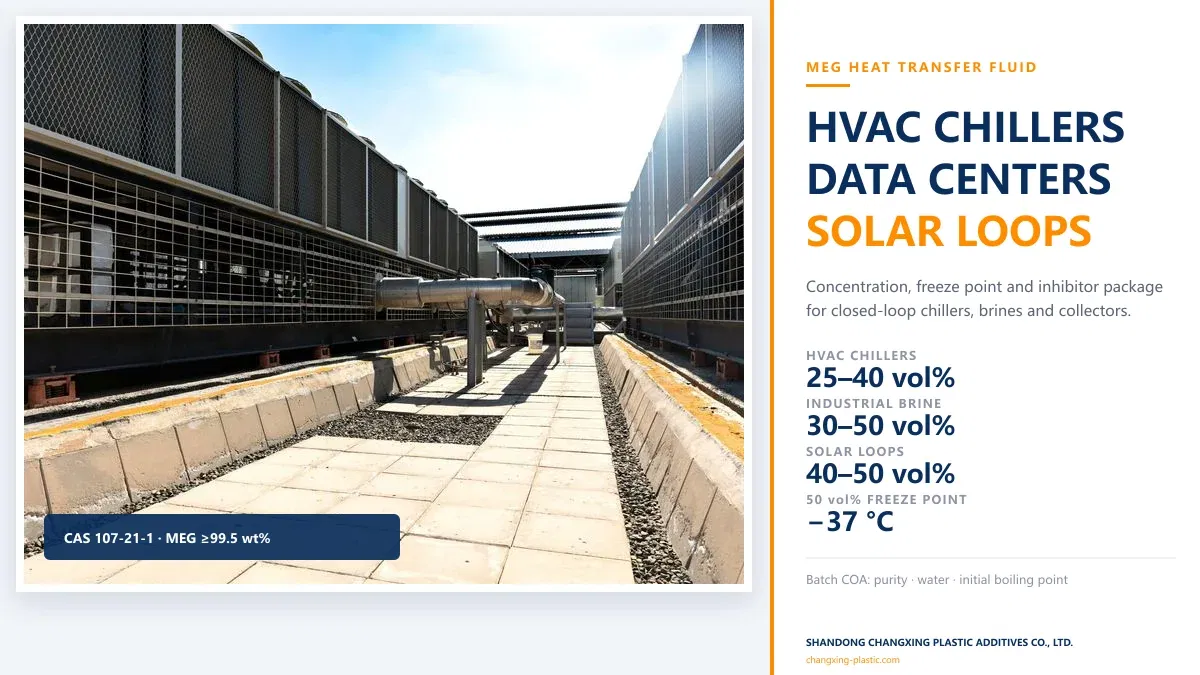
MEG Heat Transfer Fluid: HVAC Chillers, Industrial Cooling & Solar Thermal
A specification guide to MEG heat transfer fluid in HVAC chillers, data centers, industrial brines, and solar loops: concentration selection, freeze point versus burst point, heat transfer penalty, inhibitor packages, and fluid life.
Read More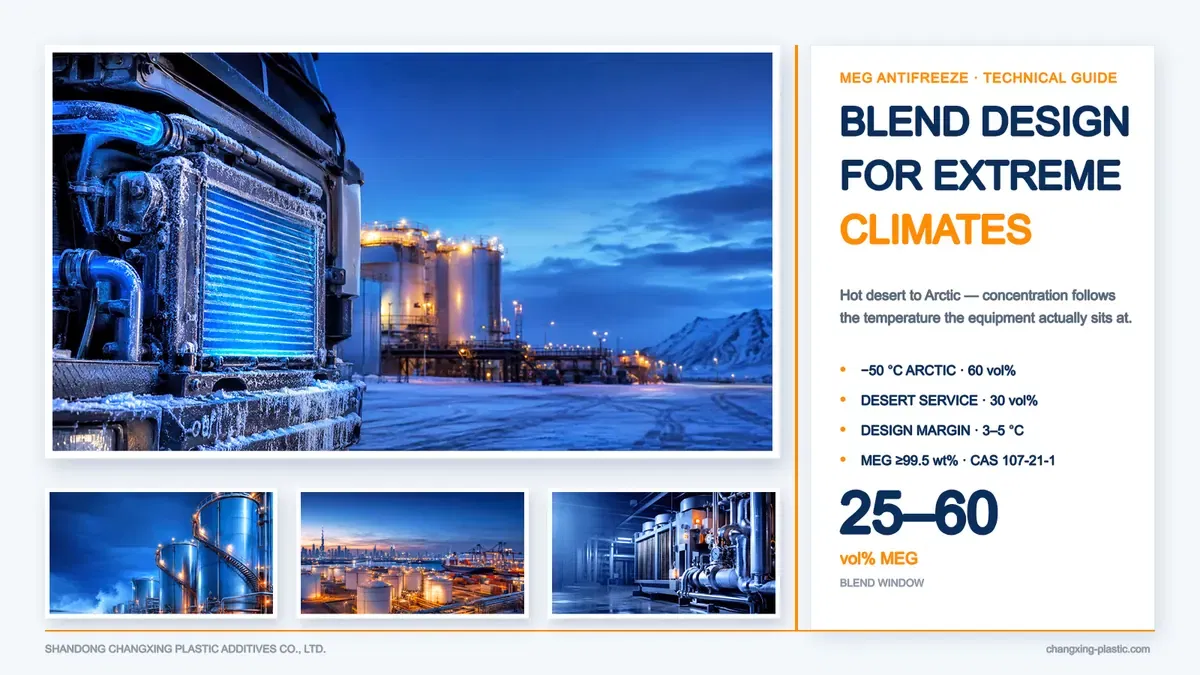
MEG Antifreeze Blend Design for Extreme Climates: Hot Desert to Arctic
Design a MEG antifreeze blend against the temperature the equipment actually sits at: how the 0-60 vol% freeze curve behaves, why burst point and viscosity decide the Arctic blend, and what changes in desert service.
Read More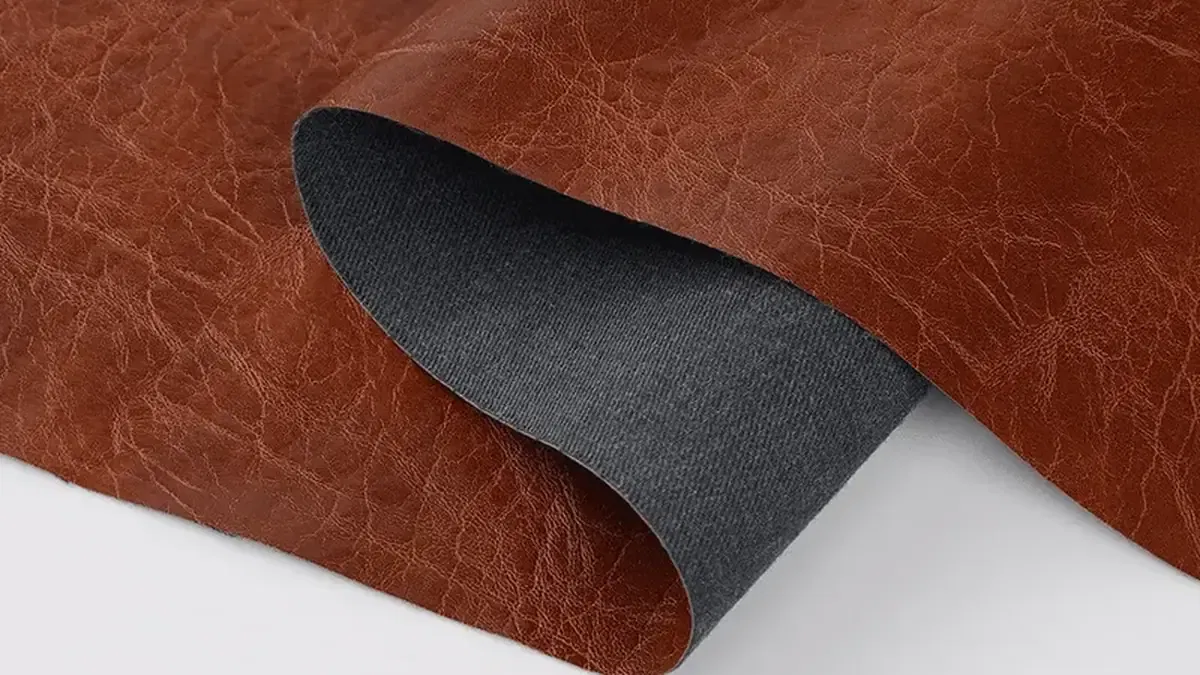
What Automotive Artificial Leather Demands of a Plasticizer
Automotive interior requirements land on the plasticizer as measurable properties. Here is the public test method behind each one, and where the acceptance number actually comes from.
Read More
MEG HS Code 2905310000: Classification, Declaration and Three Customs Traps
MEG ships under HS 2905.31. China's export code is 2905310000 (1,2-乙二醇, CAS 107-21-1). How the code is built, what China asks you to declare, three traps.
Read More
DOTP for Disposable PVC Medical Examination Gloves: Superior-Grade Supply
Our Superior-grade DOTP goes mainly to disposable PVC medical examination gloves at home and abroad. What DOTP does in glove plastisol, why DEHP is out, which specification a glove plant should audit, and how we price about 10% below comparable domestic supply.
Read More
Navigating India's QCO & BIS Certification for Chemical Imports: What DOTP Buyers Need to Know
DOTP is not under a mandatory QCO in India — but IS 10158, the HS 2917.39/2917.36 trap, the November 2025 rollback of 21 QCOs and the 2026 Korean safeguard duty all shape your landed cost. A compliance guide for DOTP buyers.
Read MoreStay Updated
Get in touch with us for the latest industry insights, product updates, and company news.
Contact Us