
DOTP vs DINCH is a shorter question than it looks, because both answers are non-phthalate. DOTP (bis(2-ethylhexyl) terephthalate, DEHT; CAS 6422-86-2) is a terephthalate ester. DINCH (1,2-cyclohexane dicarboxylic acid, di-isononyl ester; CAS 474919-59-0 in the United States, 166412-78-8 elsewhere) is BASF's Hexamoll® DINCH. Neither is an ortho-phthalate, neither is named in the REACH Annex XVII phthalate restrictions, and choosing between them is not a compliance exercise. It is a comparison of four things: low-temperature performance, plastisol viscosity, supply structure and cost.
This guide runs both materials through the same checkpoints and names a winner at each one. For the terephthalate basics, start with our DOTP plasticizer guide; if you are replacing a phthalate rather than a phthalate substitute, read the DOTP vs DINP comparison.
What to take away
- Both are non-phthalate. DINCH's specification puts phthalate content at ≤0.01%, and REACH Annex XVII entries 51 and 52 name specific phthalates that include neither of these two materials.
- DINCH wins on cold and on plastisol. Pour point −54 °C; the manufacturer states lower initial viscosity and better viscosity stability in plastisol.
- DOTP wins on supply structure and cost. DOTP comes from several producers in three grades; DINCH is a single-brand material from one manufacturer.
- The US food-contact position is not symmetric. DOTP is authorised in 21 CFR 177.1210 for closures with seals and carries five effective Food Contact Notifications; DINCH has no specific US FDA authorisation.
- We flag the figures we do not have. Where a number would only come from a competitor's data sheet, this article says so instead of inventing a gap.
What Is DINCH? Identity and Specification
DINCH is BASF's trade name for 1,2-cyclohexane dicarboxylic acid, di-isononyl ester, a non-aromatic dicarboxylic diester. It is the material most often named when a formulator asks what a non-phthalate plasticizer should deliver. The specification below is BASF's technical data sheet, revised May 2023.
| Item | Value |
|---|---|
| Chemical name | 1,2-Cyclohexane dicarboxylic acid, di-isononyl ester |
| CAS number | 474919-59-0 (United States) / 166412-78-8 (outside the United States) |
| Molecular weight | 424.7 |
| Molecular formula | C26H48O4 |
| Ester content (ASTM D-3465) | ≥ 99.5% |
| Acid value (ASTM D-1045) | ≤ 0.07 mg KOH/g |
| Moisture (ASTM E-1064) | ≤ 0.1% |
| Colour (ASTM D-5386) | ≤ 40 APHA |
| Phthalate content (UV-BASF) | ≤ 0.01% |
| Density at 25 °C (ASTM D-4052) | 0.945 g/cm³ (0.942–0.952) |
| Pour point | −54 °C |
| Flash point (open cup) | 224 °C |
| Dynamic viscosity at 40 °C / 20 °C | 20 cP / 52 cP |
| Water solubility at 25 °C | < 0.02 mg/L |
| Storage | Original packaging, below 40 °C, protected from moisture, 1 year |
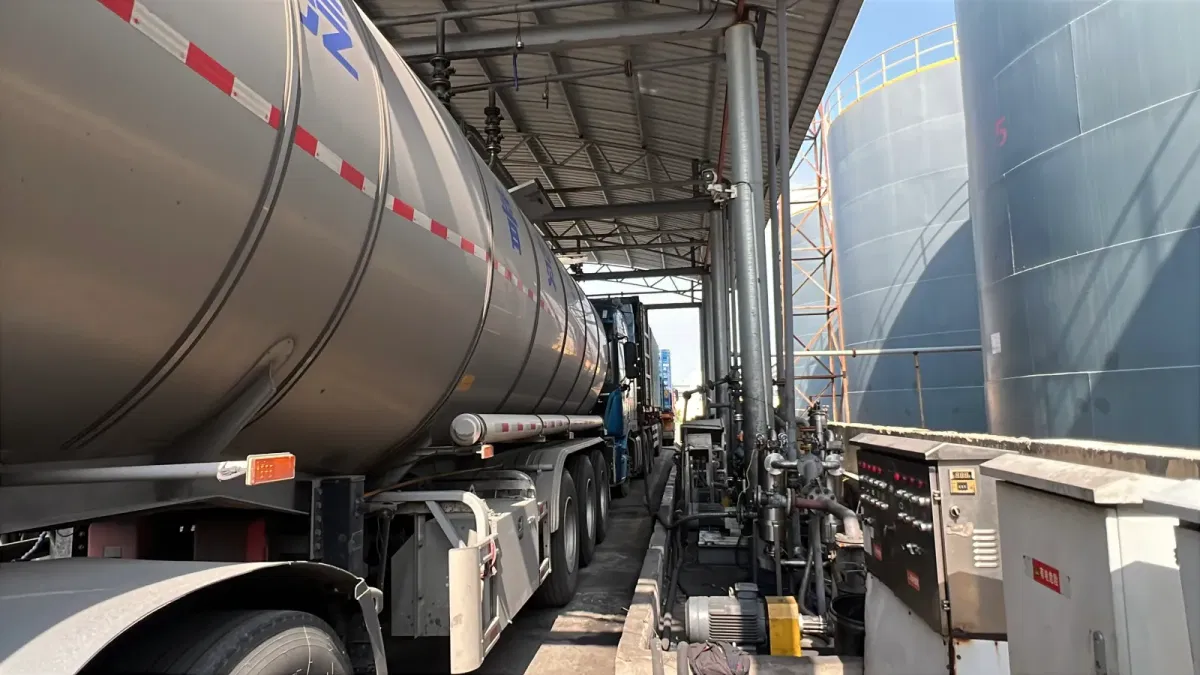
| Supply packaging | Bulk, tank truck, rail tank |
Two rows carry more weight than the rest. The phthalate content of ≤0.01% is the hard evidence behind the non-phthalate label: BASF measures it, and the honest way to state it is that the number is small and not zero. The pour point of −54 °C decides where DINCH belongs, and it is also where a fair comparison stops, because we publish no DOTP pour point.
BASF recommends DINCH for medical products, toys and food packaging, and says only minor processing adjustments are needed to compound flexible PVC with it.
DOTP at a Glance: Three Grades, One Molecule
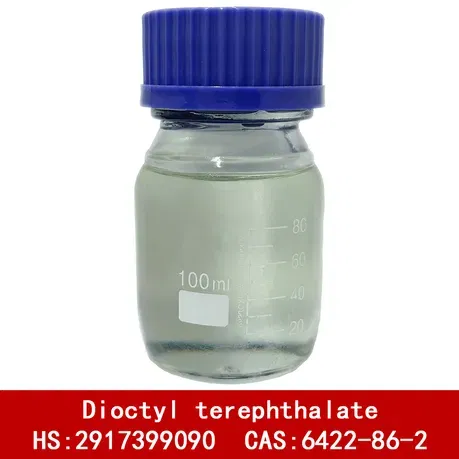
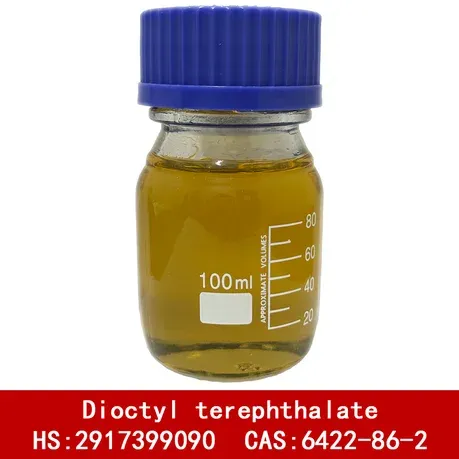
Our DOTP is bis(2-ethylhexyl) terephthalate (DEHT), CAS 6422-86-2, molecular formula C24H38O4, molecular weight 390.56, exported under HS code 2917399090. The superior and first grades share one specification and differ only in the colour ceiling; the qualified grade keeps the same composition and is priced 10–15% below superior.
| Item | Superior grade | First grade | Qualified grade |
|---|---|---|---|
| Ester content | ≥ 98% | ≥ 98% | ≥ 98% |
| Colour | ≤ 150 APHA | ≤ 230 APHA | ≤ 450 APHA |
| Acid value | ≤ 0.035 mg KOH/g | ≤ 0.035 mg KOH/g | ≤ 0.035 mg KOH/g |
| Density | 0.980–0.985 g/cm³ | 0.980–0.985 g/cm³ | 0.980–0.985 g/cm³ |
| Volume resistivity | ≥ 2×10¹² Ω·cm | ≥ 2×10¹² Ω·cm | ≥ 2×10¹² Ω·cm |
| Flash point | ≥ 210 °C | ≥ 210 °C | ≥ 210 °C |
| Moisture | ≤ 0.1% | ≤ 0.1% | ≤ 0.1% |
| Relative price | Reference grade | Reference grade | 10–15% below superior |
Volume resistivity of ≥2×10¹² Ω·cm is the line that makes DOTP a cable material rather than a general-purpose one. Cable compounds are specified against IEC 60332 and UL 94, and electrical insulation is where a plasticizer's molecular behaviour shows up as a pass or a fail. Our DOTP technical properties guide covers the rest of the parameter set, and our DOTP product page carries the current grade list.
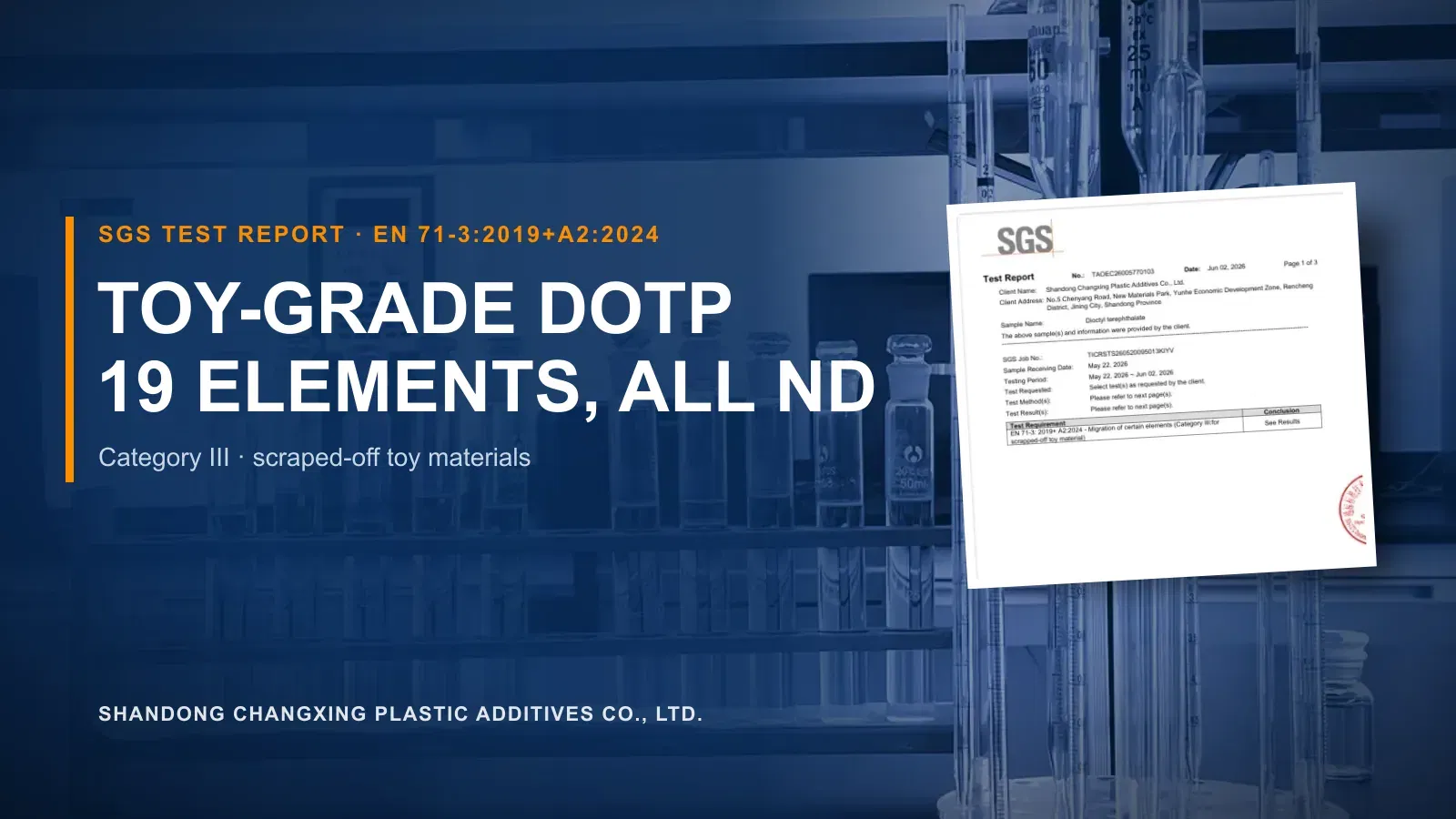
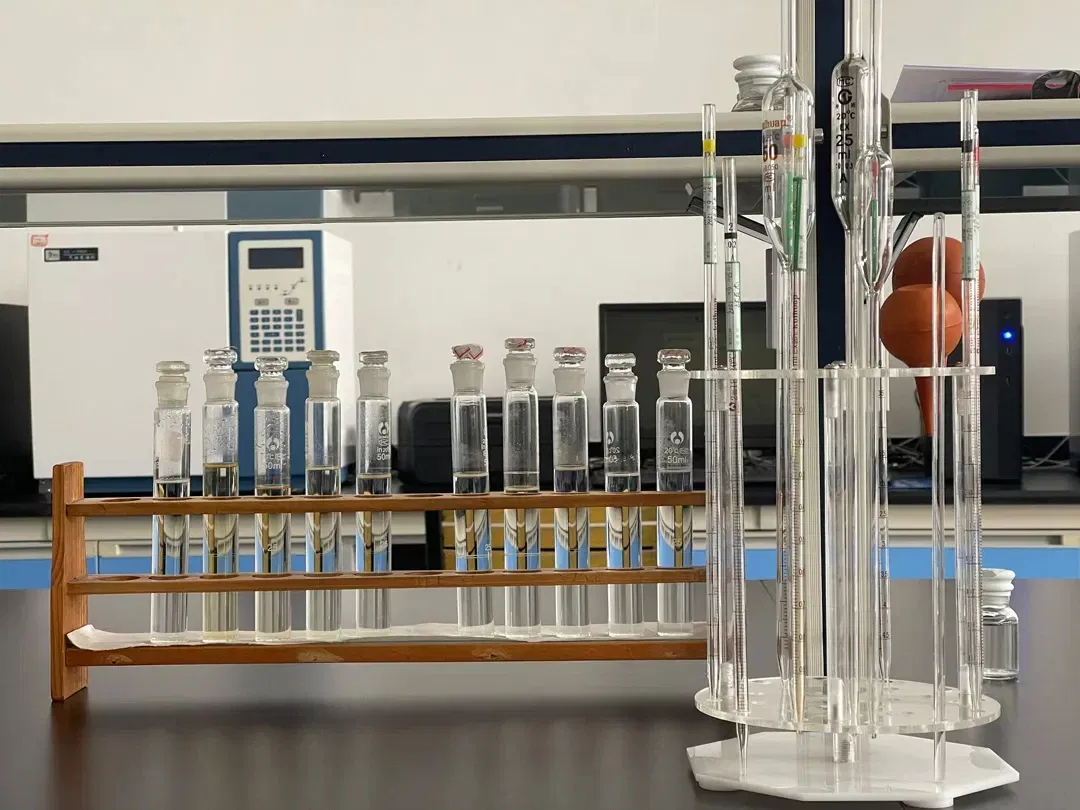
On paperwork, our DOTP arrives with three SGS reports: a 17-item phthalate screen (CPSC-CH-C1001-09.4), EN 71-3:2019+A2:2024 soluble element migration in Category III, and PFAS total fluorine (EN 14582:2016) against a 50 mg/kg limit our own specification sets. The phthalates were not detected, all 19 elements came back not detected, and total fluorine came back not detected, below the 20 mg/kg detection limit. The 50 mg/kg figure is our own purchase specification, not a regulatory limit.
Regulatory Status: Both Non-Phthalate, Different Footprints
Start with the two REACH Annex XVII entries that matter here. Entry 51 names DEHP, DBP, BBP and DIBP and caps each at 0.1% by weight of the plasticised material. For toys and childcare articles that limit has applied since the entry was rewritten; since 7 July 2020 it also applies to articles in general, with derogations for industrial and outdoor-only use, aircraft, motor vehicles, articles placed on the market before that date, laboratory measuring devices, food contact materials, medical devices, electrical and electronic equipment, medicinal product packaging, and toys and childcare articles. Entry 52 caps DINP, DIDP and DNOP at 0.1% in toys and childcare articles a child can put in their mouth. Neither entry names DOTP or DINCH, so both sit outside the phthalate restrictions these two entries create. Buyers sometimes ask whether DINCH is the compliant option and DOTP the risky one. The answer is backwards.
That does not make regulation irrelevant, because the surrounding rules are not identical. In the United States, the FDA currently allows nine phthalates for food contact use, eight as plasticizers and one as a monomer. It revoked the food contact authorisations of 23 phthalates in 2022, and on 27 May 2026 it released a scientific evaluation of the eight phthalate plasticizers that remain authorised, to decide whether they should be grouped as chemically or pharmacologically related substances for a future cumulative risk assessment. It proposed that grouping for DEHP, DCHP, DIOP and DINP. Non-phthalate is not a static claim, and the file behind it needs a date on it.
Food contact permissions differ between these two materials, and this is the one place where the comparison is not symmetric. A 2022 peer-reviewed review lists DINCH as holding food contact permissions in Europe, Japan, China, Canada and Australia, and records no specific US FDA authorisation for it. DOTP appears in the US rules themselves: 21 CFR 177.1210 authorises di-2-ethylhexyl terephthalate for use as a plasticizer in closures with sealing gaskets, and five effective Food Contact Notifications cover CAS 6422-86-2. In Europe both materials sit in Regulation (EU) No 10/2011: DOTP carries its own 60 mg/kg specific migration limit, while DINCH has no individual limit and falls inside a group restriction that caps the listed plasticisers at 60 mg/kg in total. In China both are on the GB 9685-2016 positive list, each with a 60 mg/kg specific migration limit.
On toxicology, a 2022 peer-reviewed review of common non-ortho-phthalate plasticizers reports that DOTP produced no adverse reproductive effects in two-generation studies, with 614 mg/kg body weight per day taken as the no-observed-effect level for the reproductive endpoints, and that ANSES did not regard DOTP as a reproductive toxicant.
One caveat, and it belongs here rather than in a footnote. Non-phthalate does not mean absent. A 2013 study detected DINCH in samples from US adult environments. Environmental presence is a different question from regulatory status, and no one should read not-a-phthalate as no-exposure. The wider regulatory map is in our phthalate-free plasticizer guide.
Chemical Structure and Why It Matters
Phthalate rules are written by position on the ring. An ortho-phthalate carries its two ester groups on adjacent carbons of a benzene ring. DOTP puts them opposite each other on the same ring, which makes it a terephthalate. DINCH uses no benzene ring at all; it is a 1,2-cyclohexane dicarboxylate diester. Neither is an ortho-phthalate ester, and neither is named in the Annex XVII entries that restrict them.
Molecular weight is where the practical consequence appears. DOTP is 390.56; DINCH is 424.7, the heavier of the two. A heavier plasticizer has less incentive to leave the PVC matrix. That is the mechanism behind the lower migration tendency formulators notice in long-term outdoor and food-contact applications. A peer-reviewed review puts migration of DINCH, DOTP and TOTM into aqueous simulants below the applicable limits, from under 0.02 to 0.165 mg/kg.
Low-Temperature and Cold-Flex Performance
Cold performance is DINCH's clearest win, and the manufacturer claims it without hedging: relative to DEHP (CAS 117-81-7) and DINP, DINCH offers improved low temperature performance. Its pour point of −54 °C decides whether a plasticized compound still flows, or stays soft, in a cold store or on a winter road.
We are not going to print a DOTP pour point against it, because we have no verified value to print. A comparison that invents the other side of the gap is a sales claim, not a comparison. If your application runs cold, test your own compound with both materials at your own service temperature. Our DOTP cold-flexibility comparison against DOA and DOZ covers how we handle low-temperature claims.
Plastisol and Viscosity Stability
In plastisol, DINCH wins on the second axis as well. The data sheet states that in plastisol applications DINCH has lower initial viscosity and better viscosity stability. On a dipping line that means less material carried to the bath and a viscosity that holds through a shift; on a slush moulding line, fewer viscosity corrections between the first and the last shot of a batch.
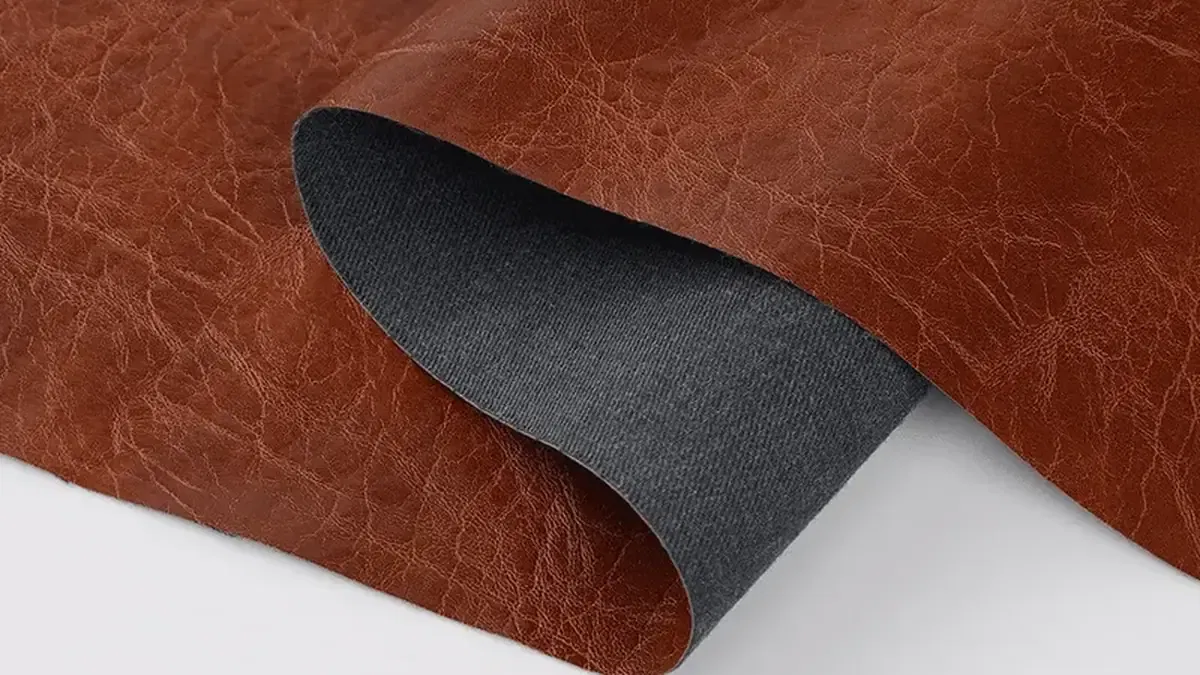
That is a genuine advantage, and it is why the comparison comes up so often in the glove, coating and artificial leather industries. The question is not whether DINCH is better there, but whether the processing difference is worth the supply difference. Our DOTP guide for PVC medical gloves covers the plastisol side.

Heat, Volatility and Processing
Heat and volatility are where the two materials' numbers are hardest to compare, and the honest reason is that they come from different test methods. BASF publishes a flash point of 224 °C for DINCH by open cup. Our DOTP specification states a flash point of 210 °C or higher, with the cup type set on our data sheet. Different laboratories and methods, with no shared test report between them, so we will not turn those two numbers into a ranking.
What flash point actually tells you is narrower than buyers assume: it is a handling and storage safety number. It does not tell you how a compound ages at service temperature, and it is not a substitute for a heat ageing test. On heat loss, we publish no figure for either material, because we have no first-hand value for DOTP.
Cost, Supply and Sourcing Reality
This is where the comparison stops being technical and starts being procurement. DINCH is a single-brand material. BASF manufactures it and sells it under the Hexamoll® name, so a buyer choosing DINCH is choosing one supplier, one production footprint and one set of allocation decisions. For a compound consuming twenty tonnes a month, that is a structural exposure whatever the price.
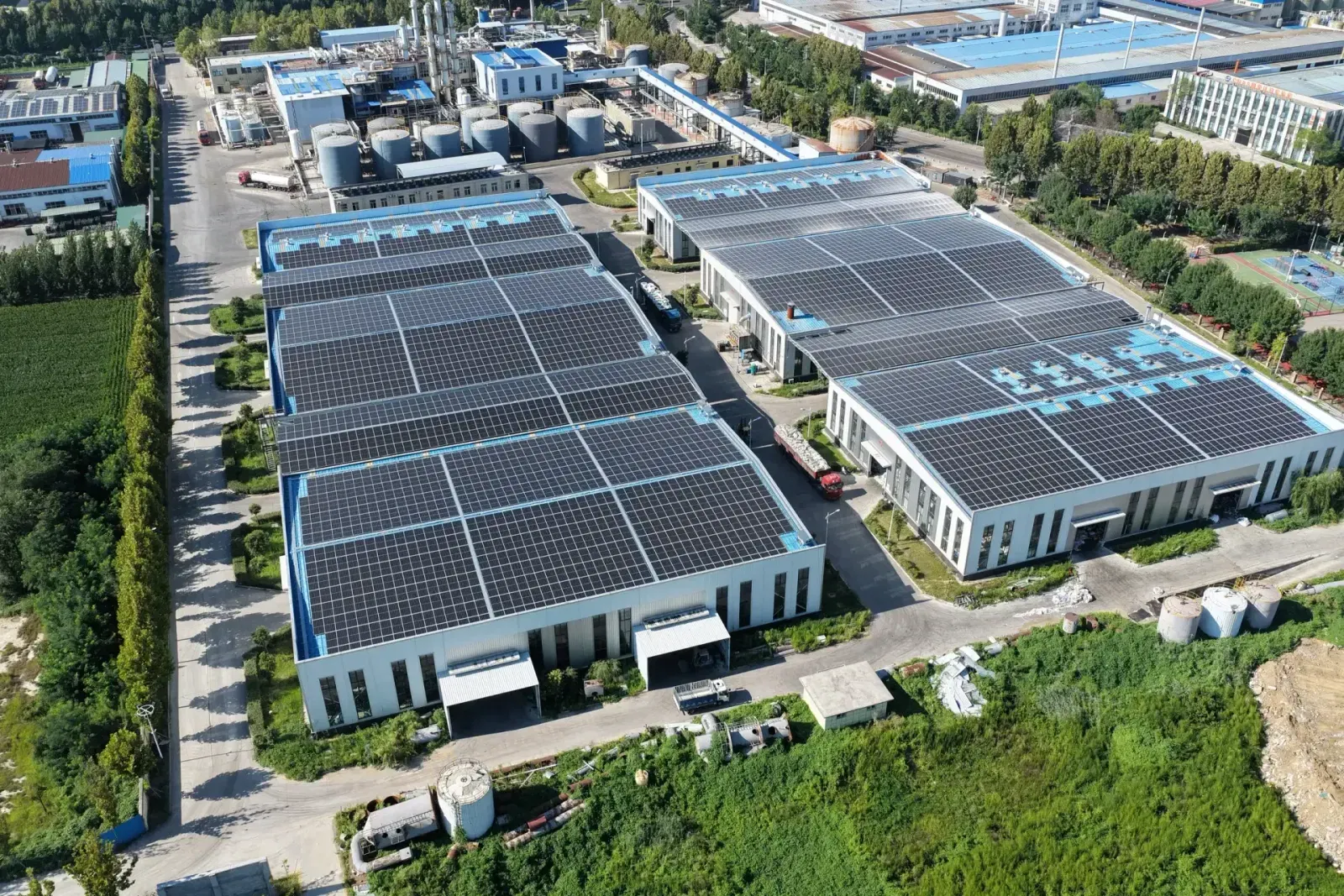
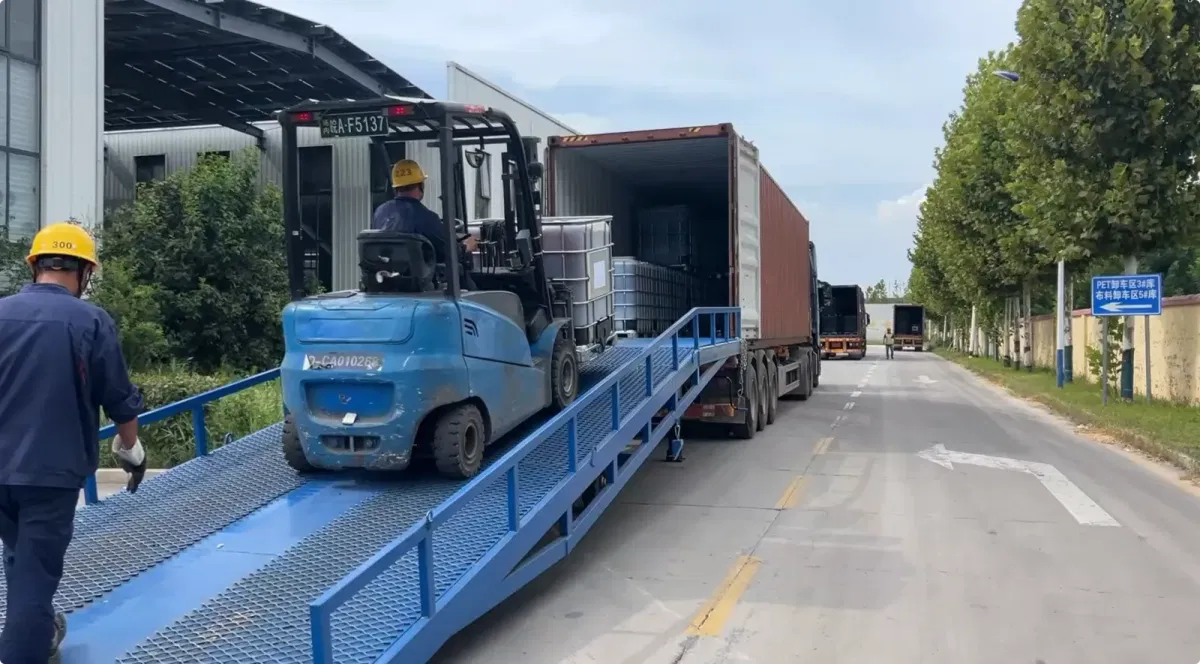
DOTP is a different structure. Several producers make it, grades are comparable across suppliers, and the qualified grade of our material is priced 10–15% below the superior grade. On our side, group plasticizer capacity is 230,000 tonnes a year once fully built out: Wansheng at 180,000 tonnes, with Phase I of 80,000 tonnes in operation and Phase II of 100,000 tonnes under construction, and Changxing at 50,000 tonnes.
We do not publish a DINCH price, and we are not going to imply a price gap we cannot show. What we can show is the shape of the risk: a single-source branded material carries allocation and currency exposure that a multi-supplier commodity does not. For a buyer comparing material families rather than grades, our DOTP vs TOTM comparison covers the third option.
Selection Guide: Which One Fits Your Application
The table below is a starting position built from published data and manufacturer statements, not a substitute for a trial on your own line.
| Application | Fits better | Why |
|---|---|---|
| Cold stores, outdoor cable, winter vehicle parts | DINCH | Pour point −54 °C; better low-temperature performance than DEHP (CAS 117-81-7) and DINP |
| Slush moulding, glove dipping, plastisol coating | DINCH | Lower initial viscosity, better viscosity stability in plastisol |
| Wire and cable insulation (IEC 60332, UL 94) | DOTP | Volume resistivity ≥2×10¹² Ω·cm; multi-supplier supply |
| Food contact closures and packaging sold in the US | DOTP | 21 CFR 177.1210 covers closures with seals, plus five effective FCN; DINCH has none |
| Toys and childcare articles for the EU | Either | Neither is named in REACH Annex XVII entries 51 or 52; DOTP also has EN 71-3 on file |
| Medical devices and tubing | Both, with the file | DINCH recommended for medical uses; DOTP carries the ANSES conclusion |
| General calendering, flooring, profiles | DOTP | Several producers, comparable grades, qualified grade 10–15% below superior |
| Any line where one supply failure stops production | DOTP | Single-brand material against a multi-supplier commodity |
Read that table as a starting position rather than a verdict. The two materials are closer than the marketing on either side suggests, and the decision usually turns on one constraint: the coldest service temperature your product sees, or the line that cannot tolerate viscosity drift.
Frequently Asked Questions
Is DINCH a phthalate, and does REACH restrict it?
No. DINCH is a 1,2-cyclohexane dicarboxylic acid di-isononyl ester, not a phthalate ester, and the manufacturer's data sheet puts phthalate content at ≤0.01%. REACH Annex XVII entry 51 names DEHP, DBP, BBP and DIBP, and entry 52 names DINP, DIDP and DNOP. Neither entry names DINCH or DOTP.
Which one has the stronger food-contact position in the United States?
DOTP, on the paperwork. 21 CFR 177.1210 authorises di-2-ethylhexyl terephthalate as a plasticizer in closures with sealing gaskets, and five effective Food Contact Notifications cover CAS 6422-86-2. A 2022 peer-reviewed review lists food contact permissions for DINCH in Europe, Japan, China, Canada and Australia, and no US FDA authorisation for it.
Which performs better at low temperature?
DINCH, on published data. Its pour point is −54 °C and the manufacturer states that, relative to DEHP (CAS 117-81-7) and DINP, DINCH offers improved low temperature performance. We publish no DOTP pour point, because we have no verified value. Cold-flex claims for a finished compound depend on formulation and stabiliser package, so test your own product at your own service temperature.
Which is better for plastisol, slush moulding and glove dipping?
DINCH, on the manufacturer's own statement: in plastisol applications it has lower initial viscosity and better viscosity stability, which matters directly on a dipping or slush moulding line. Only minor formulation and processing adjustments are needed to process flexible PVC compounds with DINCH.
Is DINCH cheaper than DOTP?
We do not publish a DINCH price, so we will not claim a price gap we cannot show. What we can show is the structure behind the number: DINCH is a single-brand material from one manufacturer, while DOTP comes from several producers in comparable grades, and our qualified DOTP grade is priced 10–15% below our superior grade.
Which one should I choose for wire and cable insulation?
DOTP is the more practical choice for most cable lines. Our published specification gives volume resistivity of ≥2×10¹² Ω·cm, and cable compounds are written against IEC 60332 and UL 94, where insulation performance is a pass-or-fail item. DINCH remains a legitimate choice where cold-temperature performance is the binding constraint.
Sources and Verification
- DINCH identity, specification and manufacturer statements come from the BASF technical data sheet for Hexamoll® DINCH, revision May 2023, published at chemicals.basf.com. REACH Annex XVII entries 51 and 52 were read from the consolidated REACH text as amended by Commission Regulation (EU) 2018/2005. The FDA position comes from the FDA page Phthalates in Food Packaging and Food Contact Applications, the FCN inventory on fda.gov, and 21 CFR 177.1210.
- DOTP identity, grades and specification come from Shandong Changxing's own production specification, with three SGS reports on file: 17-item phthalate screening (CPSC-CH-C1001-09.4), EN 71-3 soluble element migration (Category III), PFAS total fluorine (EN 14582:2016).
- Food contact permissions and toxicology come from A review of common non-ortho-phthalate plasticizers for use in food contact materials (ScienceDirect, 2022); detection of DINCH in US adult environments from Silva et al. 2013. The EU migration limit and the Chinese positive-list entries come from Regulation (EU) No 10/2011 and GB 9685-2016.
Ready to source DOTP from China?
Shandong Changxing Plastic Additives Co., Ltd. is an ISO 9001 / 14001 / 45001 / 50001 certified manufacturer, and the certificate scope covers plasticizer and glycol production. Group plasticizer capacity is 230,000 tonnes a year upon full completion: Wansheng 180,000 tonnes (Phase I 80,000 in operation, Phase II 100,000 under construction) and the Changxing headquarters 50,000 tonnes. Exports to 30+ countries and regions.
Request a Free Quote- DOTP in three grades: superior, first grade and qualified
- SGS reports: 17-item phthalate screen, EN 71-3 Category III, PFAS total fluorine
- ISO 9001 / 14001 / 45001 / 50001 certified
- National high-tech enterprise and Shandong Gazelle enterprise