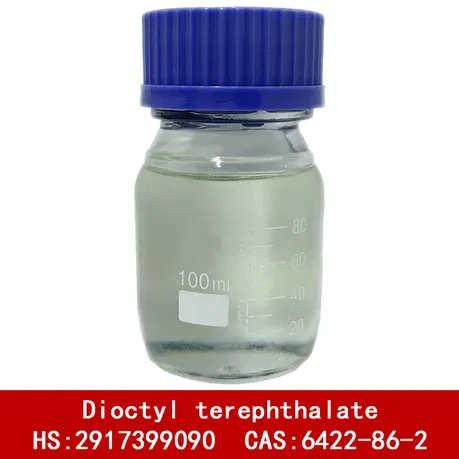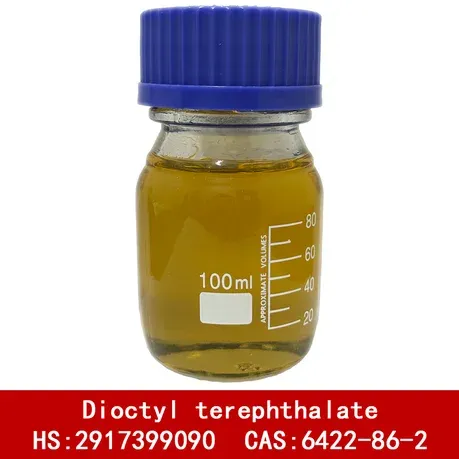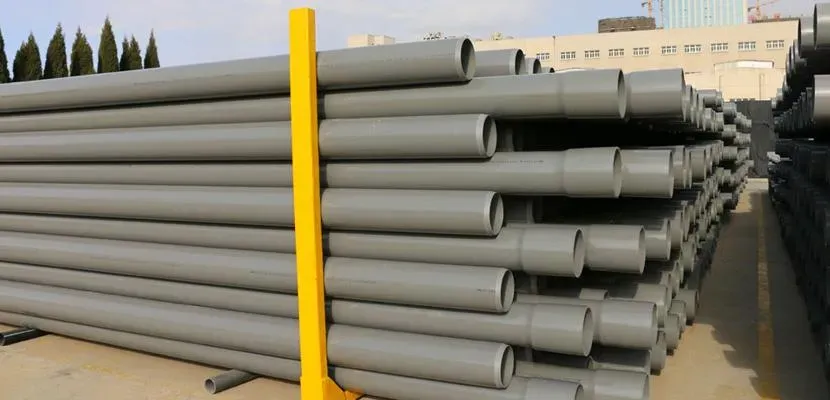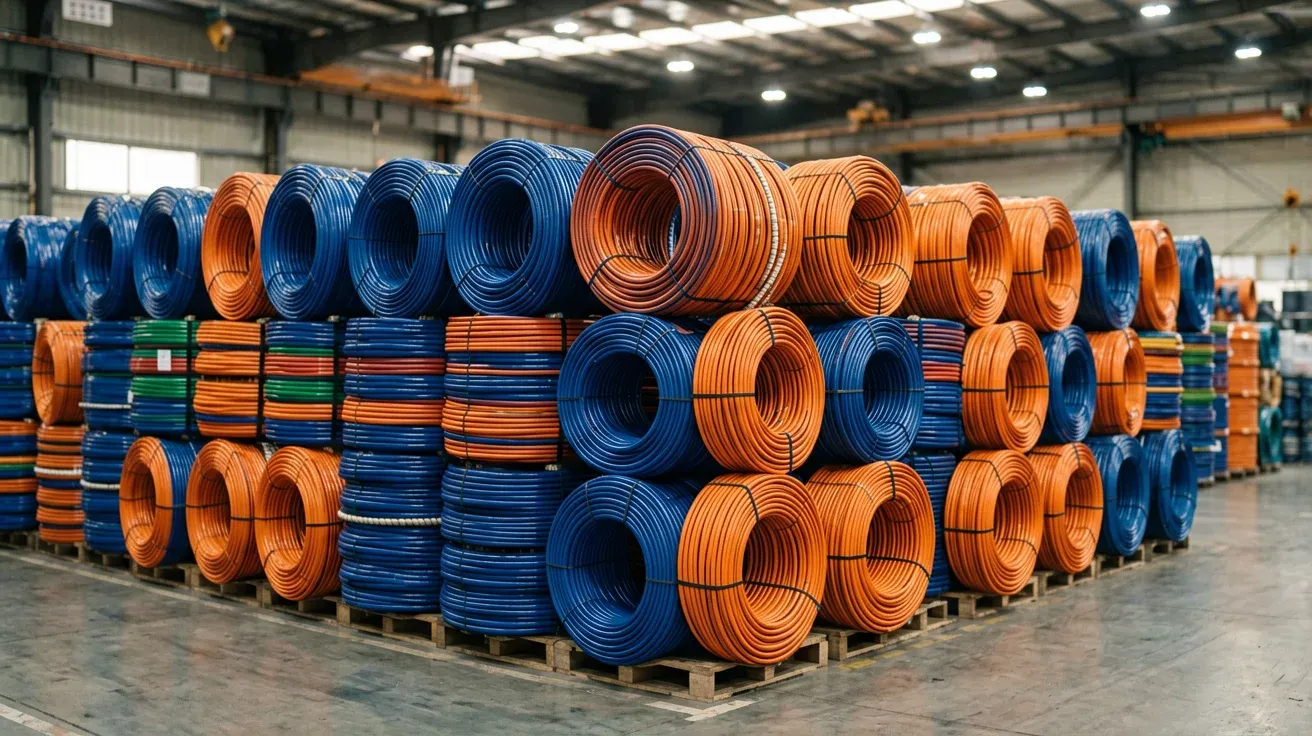

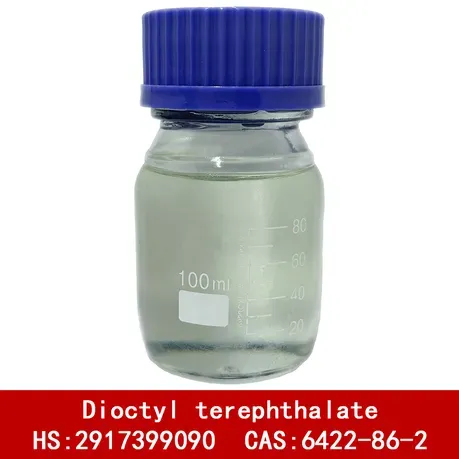
DOTP plasticizer—short for Dioctyl Terephthalate (CAS 6422-86-2)—is a non-phthalate ester plasticizer used to make polyvinyl chloride (PVC) soft, flexible, and durable. As the global replacement for traditional ortho-phthalate plasticizers such as DOP (DEHP) and DINP, DOTP has become the dominant choice for manufacturers who need regulatory compliance without sacrificing performance. This guide covers what DOTP is, its chemical structure, key physical properties, production process, major applications, and why industries worldwide are switching to DOTP from conventional phthalate plasticizers.
Key Takeaways
- DOTP (Dioctyl Terephthalate, CAS 6422-86-2) is a non-phthalate ester plasticizer with the molecular formula C24H38O4 and a molecular weight of 390.56 g/mol.
- Unlike DOP (DEHP), DOTP has a para-substituted terephthalate structure that places it outside all global phthalate regulations including EU REACH and US CPSC.
- DOTP matches or exceeds DOP in plasticizing efficiency while providing 10 times higher volume resistivity and 2 to 3 times lower volatilization loss at elevated temperatures.
- Shandong Changxing Plastic Additives produces DOTP at 300,000 tons annual capacity with ISO 9001, 14001, 45001, and 50001 certifications.
- DOTP is the preferred plasticizer for PVC wire and cable, flooring, toys, medical devices, automotive interiors, and synthetic leather.
What Is DOTP?
Definition: DOTP (Dioctyl Terephthalate) is a non-phthalate ester plasticizer produced by the esterification of terephthalic acid or transesterification of waste PET with 2-ethylhexanol. With the molecular formula C24H38O4 and CAS number 6422-86-2, DOTP softens PVC without the regulatory and health concerns associated with ortho-phthalate plasticizers like DOP (DEHP).
DOTP belongs to the terephthalate ester family, not the phthalate ester family. The distinction is crucial: while DOP (dioctyl phthalate, also called DEHP) is an ortho-phthalate with restricted status under EU REACH, US CPSC, and similar regulations worldwide, DOTP is a para-terephthalate. This structural difference means DOTP is exempt from all current phthalate restrictions while delivering equivalent or superior plasticizing performance.
The global DOTP plasticizer market has grown significantly. Annual consumption exceeds 2.5 million tons globally, driven by regulatory pressure on ortho-phthalates and increasing demand for non-phthalate alternatives in PVC manufacturing. China accounts for roughly 55 percent of global DOTP production capacity, with Shandong Changxing Plastic Additives operating one of the largest integrated DOTP manufacturing facilities at 300,000 tons per year.
DOTP was first commercialized in the 1980s, but its market adoption accelerated dramatically after 2005 when the EU added DEHP to the REACH Candidate List of Substances of Very High Concern (SVHC). Since then, regulatory momentum has made DOTP the default non-phthalate plasticizer for manufacturers targeting export markets. Unlike some alternative plasticizers that require significant formulation changes, DOTP functions as a near drop-in replacement for DOP in most PVC compounds.
DOTP Chemical Structure and CAS Number
Understanding the DOTP chemical structure explains why this plasticizer is classified as non-phthalate despite its similar name and performance characteristics. The key lies in the position of the ester groups on the central benzene ring:
- DOTP (CAS 6422-86-2): The two ester groups are in the para position—on opposite sides of the benzene ring. This makes DOTP a terephthalate ester, chemically distinct from phthalate esters.
- DOP/DEHP (CAS 117-81-7): The two ester groups are in the ortho position—on adjacent carbons of the benzene ring. This ortho configuration defines the phthalate ester class and is the basis for regulatory restrictions.
| Property | DOTP | DOP / DEHP |
|---|---|---|
| Chemical name | Dioctyl Terephthalate | Di-2-ethylhexyl phthalate |
| CAS number | 6422-86-2 | 117-81-7 |
| Molecular formula | C24H38O4 | C24H38O4 |
| Molecular weight | 390.56 g/mol | 390.56 g/mol |
| Ester group position | Para (1,4-positions) | Ortho (1,2-positions) |
| Chemical class | Terephthalate ester (non-phthalate) | Ortho-phthalate ester |
| REACH status | Not restricted | SVHC, authorization required |
Despite having identical molecular formulas, the different structural arrangement of DOTP and DOP produces fundamentally different toxicological and regulatory profiles. The para-substitution in DOTP creates a more sterically hindered molecule that resists metabolic breakdown into monoester metabolites, which are the compounds of toxicological concern associated with ortho-phthalates. This is why regulatory agencies including the European Chemicals Agency (ECHA) classify DOTP outside the phthalate restriction scope.
Key structural insight: DOTP and DOP are structural isomers—same atoms, different arrangement. This is why DOTP delivers DOP-like plasticizing performance while having a fundamentally different safety and regulatory profile. The para-terephthalate structure is the molecular reason DOTP is future-proof against phthalate regulations.
Key Physical and Chemical Properties of DOTP
For formulators and quality control engineers, the DOTP physical properties determine processing behavior and end-product performance. The following technical data is based on Shandong Changxing's production specifications and industry standards:
| Property | Value | Significance |
|---|---|---|
| Appearance | Clear, colorless to pale yellow oily liquid | Indicates high purity; low color ensures no discoloration in finished PVC products |
| Ester content (purity) | ≥ 99.0% | High purity minimizes volatile organic compound (VOC) emissions and ensures consistent plasticizing efficiency |
| Density at 20°C | 0.983–0.986 g/cm³ | Slightly less dense than water; important for storage tank design and shipping weight calculations |
| Boiling point | 383–400°C (at 760 mmHg) | High boiling point ensures thermal stability during PVC processing at 160–200°C |
| Flash point | ≥ 210°C (open cup) | Classified as non-flammable under standard transport regulations; safe for bulk handling |
| Viscosity at 25°C | 60–80 mPa·s | Moderate viscosity enables easy pumping and mixing with PVC resin and additives |
| Acid value | ≤ 0.03 mg KOH/g | Low acidity prevents degradation of PVC stabilizers and extends compound shelf life |
| Moisture content | ≤ 0.1% | Low moisture prevents processing defects such as bubbles and surface imperfections |
| Color (Pt-Co) | ≤ 50 | Low color value confirms minimal impurities; critical for transparent and light-colored PVC products |
| Volume resistivity | ≥ 1.0 × 10¹² Ω·cm | 10× higher than DOP; essential for wire and cable insulation applications |
| Heat loss at 125°C / 2h | ≤ 0.3% | Low volatility during high-temperature processing; minimal fuming and workplace exposure |
| Solidification point | ≤ -48°C | Excellent low-temperature flexibility; PVC remains pliable in cold climates |
These specifications reflect the standard for premium-grade DOTP used in demanding applications. For complete technical documentation including the SDS (Safety Data Sheet), refer to the DOTP Technical Properties Guide where each parameter is discussed in detail with application-specific implications.
Storage and Handling Recommendations
DOTP is chemically stable under normal storage conditions. For bulk storage and handling, the following recommendations from Shandong Changxing's technical team ensure product quality and safety:
- Store in sealed, cool, dry, and well-ventilated areas away from direct sunlight and heat sources.
- Recommended storage temperature: 5°C to 35°C. Avoid prolonged exposure to temperatures above 60°C to prevent color development.
- Use storage containers made of carbon steel, stainless steel (304 or 316 grade), or aluminum. Avoid copper and copper alloys, which can catalyze oxidative degradation.
- Shelf life is 24 months from the date of manufacture when stored under recommended conditions in unopened original packaging.
- DOTP is not classified as hazardous under GHS criteria. It is not flammable, not acutely toxic, and not an irritant. Standard industrial hygiene practices including gloves and safety glasses are recommended for routine handling.
How Is DOTP Made? Production Process Overview
DOTP is manufactured through esterification: terephthalic acid (PTA) or waste polyethylene terephthalate (PET) reacts with 2-octanol (2-ethylhexanol) in the presence of a catalyst. There are two primary industrial routes:
Route 1: PTA Direct Esterification
Purified terephthalic acid (PTA) reacts with 2-ethylhexanol at 200–230°C under atmospheric or reduced pressure with a titanium-based catalyst. The reaction produces DOTP and water as a byproduct. This route uses petrochemical-grade raw materials and typically yields DOTP with ester content above 99.5 percent.
High-purity routeRoute 2: Waste PET Transesterification
Waste PET (bottle flakes, polyester fiber waste) is depolymerized with 2-ethylhexanol in a transesterification reaction. The PET polymer backbone is broken down, and the resulting terephthalate esters are purified to DOTP. This route supports circular economy principles and reduces feedstock costs.
Circular economy routeShandong Changxing Plastic Additives operates both production routes across its facilities. The waste PET-to-DOTP process has been certified as "internationally advanced" by the Shandong Association for Science and Technology. A single production line can convert over 100,000 tons of waste PET annually into premium DOTP, diverting plastic waste from landfills and incineration while producing a plasticizer that meets the same purity specifications as PTA-route DOTP.
The production process includes multiple purification stages: distillation under vacuum to remove unreacted alcohol and light ends, neutralization to eliminate residual acidity, filtration through activated carbon to achieve the required color specification, and final quality testing against parameters including ester content, acid value, moisture, color, and volume resistivity. Each batch is certified through the ISO 9001 quality management system before release.
Environmental note: DOTP produced from recycled PET has a carbon footprint approximately 30 to 40 percent lower than DOTP produced from virgin PTA, based on lifecycle analysis that accounts for avoided PET incineration and reduced petrochemical feedstock consumption. This makes recycled-route DOTP attractive for manufacturers with corporate sustainability targets.
DOTP Applications in the PVC Industry
DOTP plasticizer is used across virtually every sector of flexible PVC manufacturing. Its combination of regulatory compliance, thermal stability, and electrical properties has made it the preferred choice in applications where traditional phthalate plasticizers are either restricted or technically inadequate:
🔌 Wire and Cable
DOTP is the dominant plasticizer for PVC wire and cable insulation. Its volume resistivity of ≥ 1.0 × 10¹² Ω·cm is approximately 10 times higher than DOP, providing superior electrical insulation. The low heat loss (≤ 0.3 percent at 125°C) allows 90°C and 105°C rated cable compounds. DOTP-insulated cables meet UL, VDE, and IEC standards for building wire, automotive harnesses, and appliance wiring.
Largest application sector🏠 PVC Flooring
Luxury vinyl tile (LVT), stone plastic composite (SPC) flooring, and vinyl sheet flooring use DOTP for its low volatility, migration resistance, and EN 71-3 compliance. Flooring exported to the EU and North America must be phthalate-free, and DOTP-sourced PVC flooring passes these requirements with SGS certification. Shandong Changxing's DOTP has passed all 17 phthalate tests, EN 71-3 element migration, and PFAS screening.
Fastest growing segment🧸 Toys and Children's Products
The US CPSIA and EU Toy Safety Directive strictly limit phthalates in toys above 0.1 percent. DOTP is exempt from these restrictions because it is a terephthalate, not a phthalate. Its EN 71-3 certification confirms zero migration of 19 regulated elements. Toy manufacturers worldwide have transitioned to DOTP for soft PVC toys, inflatable products, and childcare articles.
Strictest regulatory requirement🚗 Automotive Interiors
Dashboard skins, door panels, seat upholstery, and wiring harnesses require plasticizers with low fogging (volatility) and high heat resistance. DOTP's heat loss of 0.3 percent at 125°C outperforms DOP (4.0 to 6.0 percent) by a factor of 13 to 20 times, reducing interior fogging and odor. Automotive OEMs increasingly specify DOTP for interior PVC components.
High-performance application🧤 Medical Devices
The EU Medical Device Regulation (MDR 2017/745) requires justification for DEHP use in medical devices. DOTP provides the flexibility needed for medical tubing, blood bags, examination gloves, and IV drip chambers without the regulatory burden of phthalate-containing plasticizers. Its low extractables profile supports biocompatibility.
Regulatory-driven transition👜 Synthetic Leather and Films
PU and PVC synthetic leather for footwear, furniture, fashion accessories, and automotive seating use DOTP for its combination of softness, durability, and phthalate-free labeling. PVC films for packaging, stationery, and decorative applications also benefit from DOTP's clarity and low odor profile. DOTP's solidification point of -48°C ensures cold-crack resistance in winter applications.
Consumer-driven demandFor a deeper look at wire and cable specifically, see the DOTP plasticizer in PVC wire and cable guide, which covers formulation ratios, 90°C and 105°C compound design, and testing standards.
Why DOTP Is the Leading Non-Phthalate Plasticizer
DOTP has become the leading non-phthalate plasticizer for three interconnected reasons: regulatory compliance, technical performance, and supply reliability. Each factor reinforces the others:
1. Regulatory Certainty
DOTP's para-terephthalate structure places it outside the scope of all current phthalate restrictions. This includes EU REACH Annex XVII (restriction of phthalates in articles), US CPSIA Section 108, California Proposition 65, China GB 24613-2009, Japan ST 2012, South Korea K-REACH, and the EU Medical Device Regulation. For manufacturers serving multiple regulated markets, DOTP provides a single plasticizer solution that satisfies all major regulatory frameworks simultaneously. SGS testing confirms zero detection of all 17 restricted phthalates in Shandong Changxing's DOTP.
2. Technical Performance Parity
DOTP matches DOP in plasticizing efficiency (phr-for-phr replacement is standard in most formulations). Beyond parity, DOTP outperforms DOP in several critical parameters: volume resistivity is 10 times higher, heat loss at 125°C is 2 to 3 times lower, extraction resistance in soapy water is 6 to 10 times better, and low-temperature flexibility extends to approximately -48°C compared to DOP's -30°C. For manufacturers, this means DOTP is not merely a compliant alternative—it is a technically superior plasticizer that happens to also solve the regulatory problem.
3. Manufacturing Scale and Supply Stability
Global DOTP capacity has expanded to meet growing demand. Shandong Changxing Plastic Additives Co., Ltd., a national "Little Giant" enterprise and Shandong Gazelle Enterprise, operates 300,000 tons of annual DOTP capacity with four ISO certifications (9001, 14001, 45001, 50001) governing quality, environment, safety, and energy management. This scale ensures stable supply for annual and multi-year contracts. The company's waste PET-to-DOTP process also provides feedstock diversification, insulating production from petrochemical price volatility.
DOTP vs DOP: Quick Comparison
For manufacturers evaluating a DOTP vs DOP switch, the following table provides a direct comparison of critical performance parameters. For a more detailed comparison including formulation guidance and cost analysis, refer to the DOTP vs DOP complete comparison guide.
| Parameter | DOTP | DOP / DEHP | Winner |
|---|---|---|---|
| Phthalate status | Non-phthalate (terephthalate) | Ortho-phthalate (restricted) | DOTP |
| Plasticizing efficiency | Equivalent to DOP | Baseline | Equal |
| Volume resistivity | ≥ 1.0 × 10¹² Ω·cm | ~ 1.0 × 10¹¹ Ω·cm | DOTP (10×) |
| Heat loss (125°C / 2h) | ≤ 0.3% | 4.0–6.0% | DOTP (13–20× lower) |
| Low-temp flexibility | -48°C | -30°C | DOTP |
| Soap water extraction (70°C) | ≤ 0.5% | 3.0–5.0% | DOTP (6–10× better) |
| Drop-in replacement | Yes (phr-for-phr) | Baseline | DOTP |
| GHS hazard classification | Not classified | Reproductive toxicity (Cat 1B) | DOTP |
Frequently Asked Questions About DOTP
What is DOTP plasticizer made from?
DOTP is made from terephthalic acid (PTA) or recycled PET reacting with 2-ethylhexanol (2-octanol) through esterification or transesterification. The waste PET route uses post-consumer PET bottles and polyester waste as feedstock, reducing reliance on virgin petrochemicals. Both routes produce chemically identical DOTP meeting the same purity and performance specifications.
Is DOTP the same as DOP?
No. DOTP (CAS 6422-86-2) and DOP (CAS 117-81-7) have the same molecular formula (C24H38O4) and molecular weight (390.56 g/mol) but different molecular structures. DOTP is a para-terephthalate ester; DOP is an ortho-phthalate ester. DOTP is exempt from phthalate regulations; DOP is restricted under EU REACH, US CPSC, and other global frameworks.
Is DOTP safe?
Yes. DOTP is not classified as hazardous under the Globally Harmonized System (GHS). It is not listed as a carcinogen by IARC, NTP, or OSHA. It is not classified for reproductive toxicity. Shandong Changxing's DOTP has passed SGS testing for all 17 restricted phthalates (none detected), EN 71-3 element migration (19 elements, zero migration), and PFAS screening (total fluorine below detection limits).
What is the HS code for DOTP?
DOTP falls under HS code 2917.39 (aromatic polycarboxylic acids, their anhydrides, halides, peroxides, peroxyacids and their derivatives). The full 8-digit or 10-digit classification may vary by country. Confirm the precise code with your customs broker before shipment. In China, the export HS code is 2917.39.90.
How is DOTP shipped and packaged?
DOTP is not classified as dangerous goods under IMDG, ADR, or IATA regulations. It ships in flexitanks (20 to 24 tons per 20-foot container), IBC totes (1,000 kg each), and 200 kg steel drums. Standard shipping terms include FOB Qingdao and CIF to major ports including Mumbai, Nhava Sheva, Ho Chi Minh City, Jebel Ali, and Rotterdam. Lead time is typically 2 to 4 weeks depending on destination and order size.
Can DOTP replace DOP in my existing formulation?
In most flexible PVC applications, DOTP can substitute for DOP on a phr-for-phr basis with minimal or no formulation adjustment. DOTP has equivalent plasticizing efficiency and full compatibility with standard PVC stabilizers, fillers, and pigments. A small-scale trial is recommended to confirm processing behavior under your specific conditions. Shandong Changxing's technical team provides formulation support and sample shipments for qualification testing.
Ready to Source Premium DOTP Plasticizer?
Shandong Changxing Plastic Additives Co., Ltd. is an ISO 9001 certified manufacturer with 300,000 tons annual capacity. We supply DOTP, DCP, and 2-octanol to clients worldwide.
- SGS-tested: Phthalate-free, EN 71-3, PFAS-free certified
- Four ISO systems: 9001 / 14001 / 45001 / 50001
- National "Little Giant" enterprise — specialized, refined, differentiated, innovative