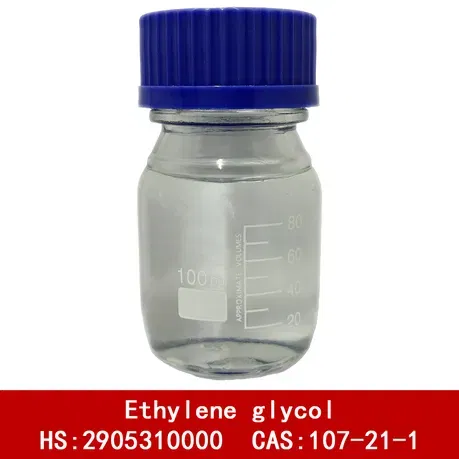

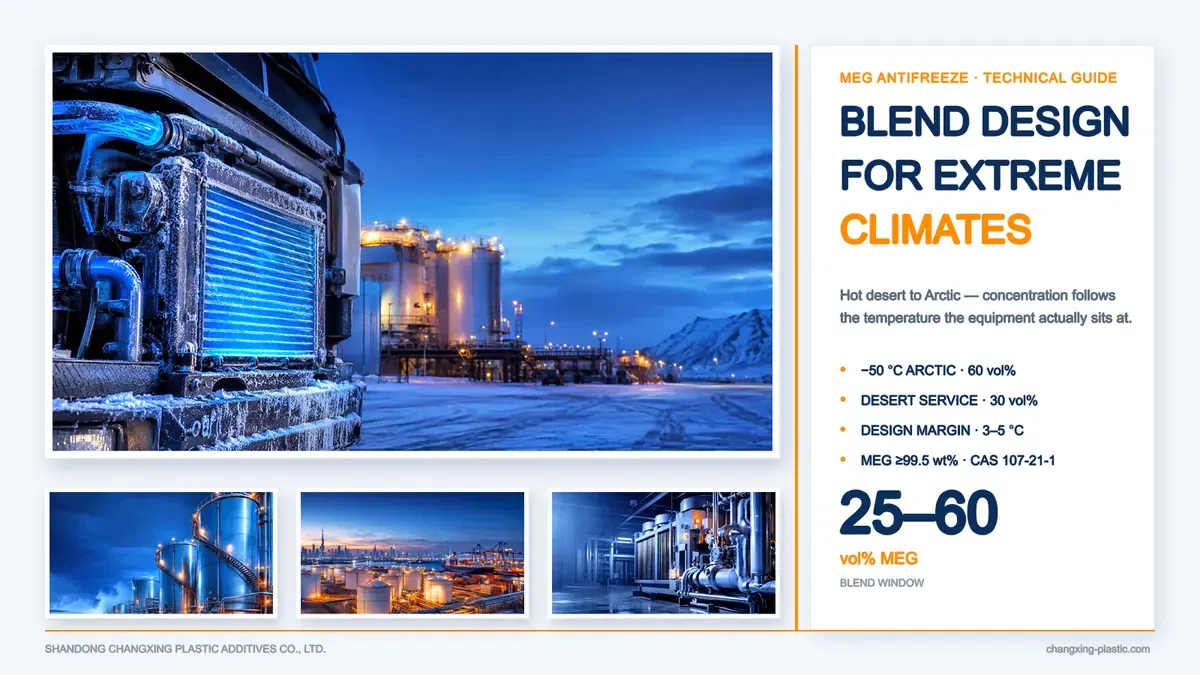
MEG antifreeze blend design - based on monoethylene glycol (CAS 107-21-1) - is a climate problem before it is a chemistry problem. The same glycol has to protect a parked engine in an Arctic design case and shed heat in a desert one, and the two demands pull concentration in opposite directions: freeze protection improves as MEG content rises, while heat capacity and pumpability get worse. There is no single correct mix, only a ratio chosen against a temperature: 60 vol% MEG for a -50°C Arctic design case, 25–30 vol% for desert service, and a freeze point 3–5°C below whatever temperature the equipment sits at; this guide shows where those trade-offs bite and which field checks keep a blend inside its envelope. The concentration, freeze point and burst point figures used throughout are this guide's own reference table, stated as design values rather than batch measurements. For inhibitor chemistry, see the companion ethylene glycol coolant guide.
Key Takeaways
- ✅ Design against the temperature the equipment sits at, not the temperature it runs at, and take a freeze point 3–5°C below the lowest expected service temperature
- ✅ Freeze point and burst point are separate limits - between 35 and 60 vol% MEG the reference table puts burst roughly 15–18°C below freeze
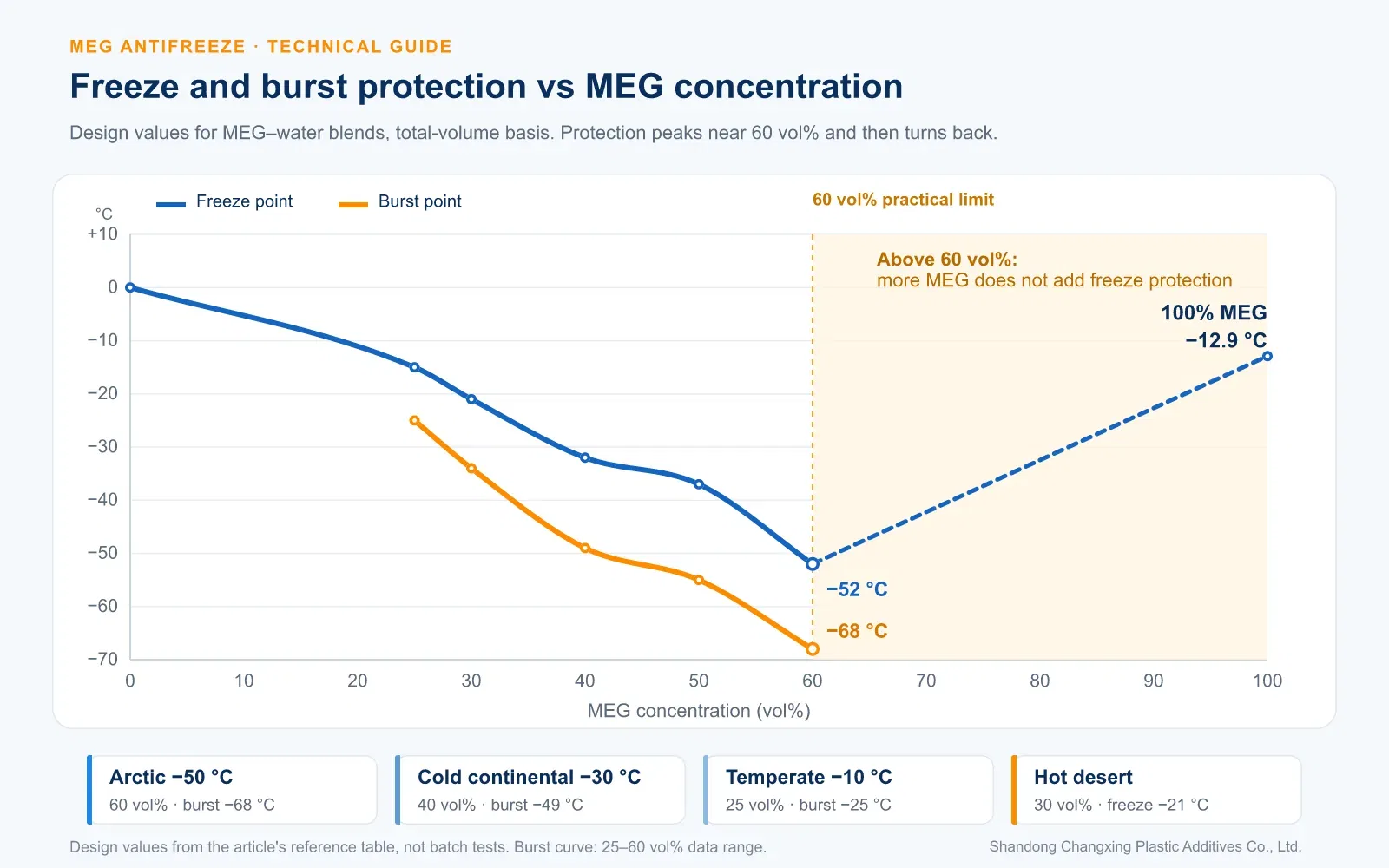
- ✅ 60 vol% is the working ceiling: protection bottoms out near -52°C and the curve turns back above it, so Arctic margin has to come from burst protection, not more glycol
- ✅ Concentration is a heat-transfer trade as well as a freeze trade - at 20°C the same table lists 7.5 cP at 30 vol% against 15 cP at 50 vol%, versus 3.0 cP for water
- ✅ Shandong Changxing supplies MEG at ≥99.5 wt%; the coolant standard the finished blend is sold against - ASTM D3306, ASTM D4985 or GB 29743.1-2022 - is the blender's specification
What Temperature Should a MEG Antifreeze Blend Be Designed Against?
The defining parameter is the lowest temperature the machine will actually sit in, unpowered - not the winter average and not the operating temperature. Coolant in a parked engine equilibrates with ambient, and crystallisation short of full freezing is enough to block a heater core or starve a water pump on start-up. The working rule is therefore a margin: choose an ethylene glycol freeze protection level 3–5°C below the lowest expected service temperature. Across the practical 0–60 vol% range, freeze protection runs from 0°C down to about -52°C; above 60 vol% the freeze point rises again, which is why 60 vol% is a ceiling rather than a starting point. Undiluted glycol is the wrong end of that curve - MEG as supplied (≥99.5 wt%) freezes at -12.9°C, worse than a 25 vol% blend.
Beyond the freeze point sits a second limit, the burst point: the temperature at which the frozen mass expands hard enough to rupture a cast iron or aluminium cooling passage. Freeze point and burst point are not the same number. In the reference table the two sit roughly 15–18°C apart across the 35–60 vol% band - 50 vol% gives -37°C freeze against -55°C burst, 60 vol% gives -52°C against -68°C. Climate also drives inhibitor choice, though in qualitative rather than numeric terms: silicate-based IAT packages are the ones sensitive to sustained high operating temperature, while organic-acid (OAT) and hybrid (HOAT) technologies are the usual specification for warm-climate and extended-drain service. And in cold service viscosity becomes the binding constraint long before the freeze point does.
Arctic Operations: The MEG Arctic Blend at -50°C
For mining, oil & gas and northern-hemisphere transport equipment, a -50°C design case is the one engineers are asked to hit. The reference table tops out there: 60 vol% MEG gives a freeze point of -52°C and a burst point of -68°C. A 3–5°C margin below -50°C needs a freeze point of -53 to -55°C, and 60 vol% does not reach it - there is no more freeze protection to buy, because the curve has already turned. What clears the design case is the burst point, 18°C lower than the freeze point. An Arctic blend is therefore specified against burst protection and accepted as a heat-transfer compromise, not dialled up to the strongest mixture on the table.
Burst Protection vs Freeze Protection
Freeze protection measures the temperature at which the first ice crystal forms; the mixture is still pumpable as a slush below it. Burst protection measures the temperature at which the expanding ice volume generates enough pressure to rupture a passage. For equipment that parks in the open, the burst point is the number that costs money, and the gap between freeze point and burst point widens with concentration - 10°C at 25 vol%, 15°C at 35 vol%, 18°C at 50 vol% in the reference table. Specify by burst point for mission-critical Arctic plant, and treat a freeze-only selection as roughly 15–18°C optimistic at the top of the range.
Viscosity and Cold-Start Flow
Viscosity is where over-concentration shows up first. Glycol-water mixtures thicken as they cool, and they thicken faster the more glycol they hold: even at 20°C the reference table lists 3.0 cP for water, 7.5 cP at 30 vol% and 15 cP at 50 vol%. A blend that cannot circulate keeps an engine cold about as effectively as one that has frozen solid, and it loads the pump and the seal at the same time. Propylene glycol is not the escape route - for the same freeze point it needs a higher concentration than MEG and is two to three times more viscous, which is why PG is selected on toxicity grounds (food-contact and potable-water-adjacent systems) rather than for cold flow. Arctic practice handles the problem around the coolant instead: block heaters, and radiator and pump capacity sized for a thick fluid.
Hot Desert Service: Run the Lowest MEG Content the Site Requires
In a hot desert design case the binding limit for a MEG blend moves from freeze protection to heat rejection. Boiling is governed mainly by system pressure - a sealed, pressurised cap holds the mixture well above 100°C, which is why the cap, not the glycol content, carries the summer - and only secondarily by concentration. So the practical instruction is to run the lowest MEG content that the site's rare cold night requires, and let that choice improve heat capacity, pumping power and viscosity at operating temperature all at once. A 25–30 vol% blend already protects to -15 to -21°C, which is more than a desert night needs.
Desert inhibitor selection follows the same low-concentration logic. Sustained high operating temperature is what degrades silicate-stabilised IAT packages and lets their deposits build on heat-exchanger surfaces; OAT and HOAT technologies, built around organic sequestrants such as 2-ethylhexanoate and sebacate, are the normal warm-climate specification. Buy that package from the blender's data sheet and from the standard the coolant is sold against - ASTM D3306 for light-duty ethylene glycol engine coolant, ASTM D4985 for heavy-duty concentrate, GB 29743.1-2022 for the Chinese vehicle-coolant market - rather than from a climate anecdote.
| Design Case | MEG (vol%) | Freeze Point (°C) | Burst Point (°C) | Inhibitor |
|---|---|---|---|---|
| Arctic (-50°C) | 60 | -52 | -68 | HOAT/OAT |
| Cold continental (-30°C) | 40 | -32 | -49 | OAT/HOAT |
| Temperate (-10°C) | 25 | -15 | -25 | OAT/HOAT |
| Hot desert (freeze not limiting) | 30 | -21 | -34 | OAT |
Those four rows are this guide's reference table; the inhibitor column is the usual pairing for that duty, not a rule. The Arctic row is the one to read carefully - it clears a -50°C design case on burst protection while falling short of a 3–5°C freeze margin, which is exactly the trade the table forces above 60 vol%.
Field Service Practices: Testing Antifreeze Concentration
Three checks keep a MEG antifreeze blend inside its envelope: measure the concentration, top up to the same specification, and change the coolant on the inhibitor's interval.
- Measure antifreeze concentration with a refractometer at the change of each season and write the reading down. The trend between tests is the signal, and a hydrometer is a poor instrument for it because it reads specific gravity and is fooled by contamination. Where a laboratory value is needed, freeze point is determined by ASTM D1177.
- Top up with the same specification, never with concentrate or tap water. Concentration drift is the common failure, and tap water brings hardness into a blend designed around deionised water.
- Change the coolant on the inhibitor's stated drain interval rather than a calendar, and treat a falling pH as a reason to investigate the package rather than a number to average.
🌱 Sustainability Insight: Ship the Glycol, Add the Water Locally
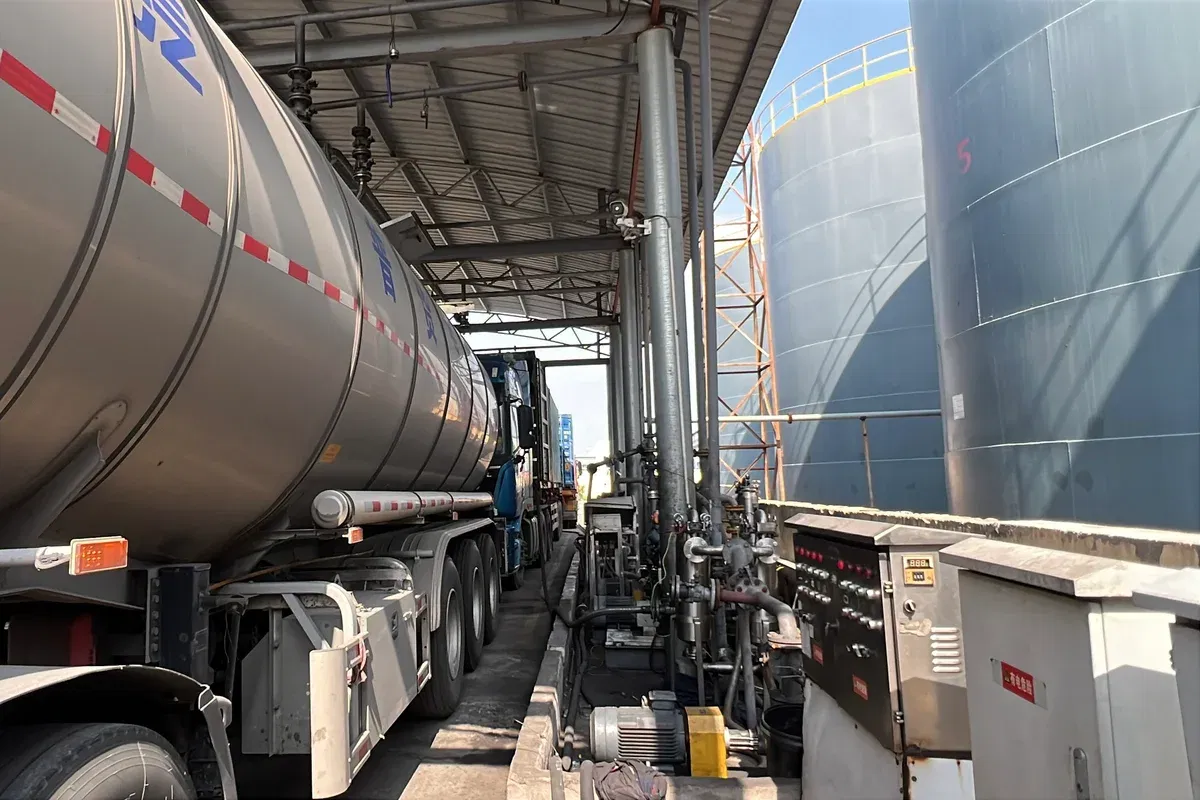
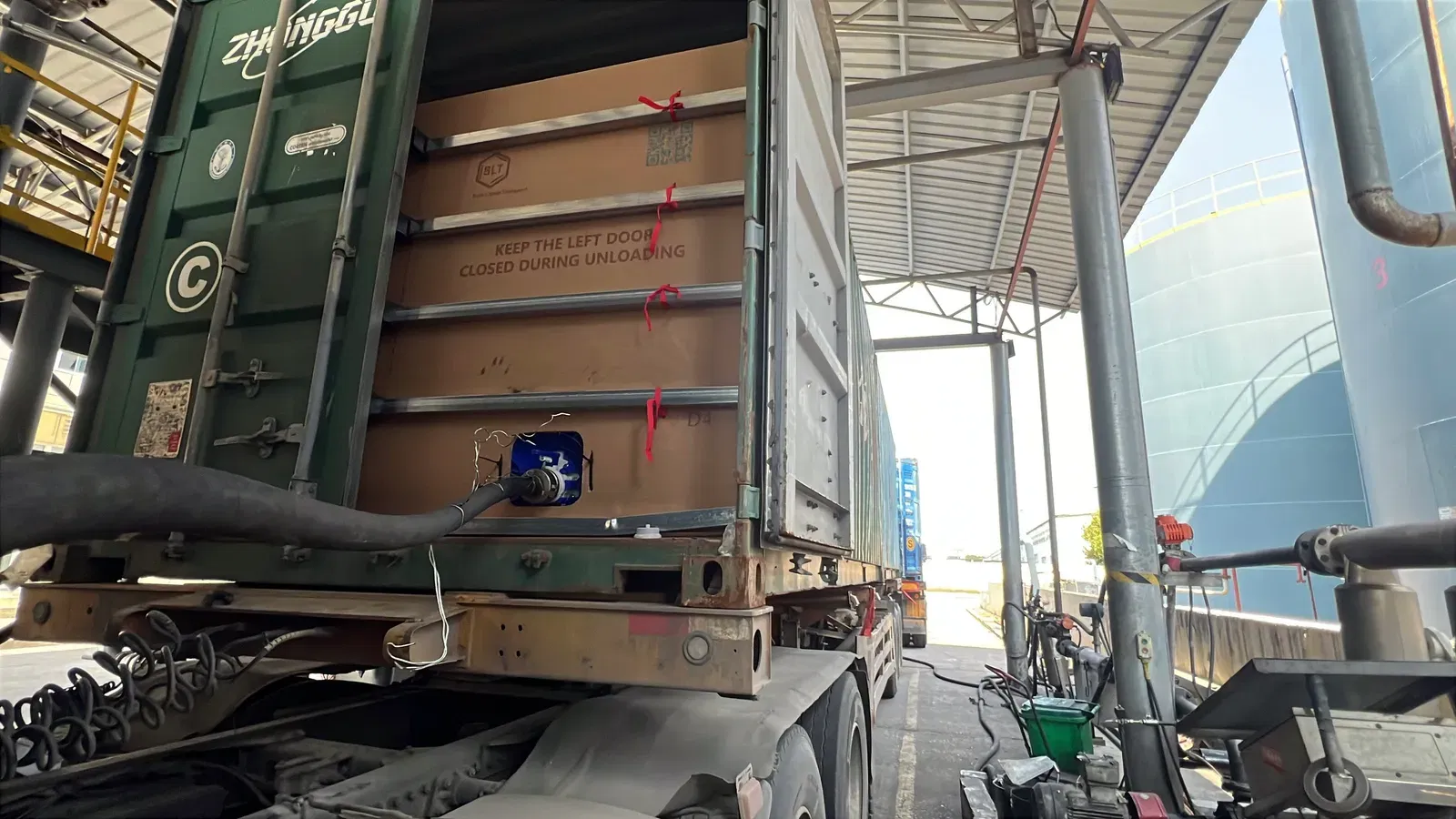
A 50/50 premix is about half water before it moves a single kilometre. Blending on site hauls the glycol once and sources the water where it is used - which is why a 110-tonne MEG consignment is quoted against roughly 200 tonnes of finished 50/50 coolant. The trade-off is discipline: the blend water has to be deionised, someone has to measure the result, and the concentration has to be recorded season by season.
Frequently Asked Questions
Q1: Why is 50 vol% the usual default?
50 vol% is the usual default because one number covers most temperate winters with room to spare: in the reference table 50 vol% gives a -37°C freeze point and a -55°C burst point, and the viscosity is still workable on a cold start. It is a compromise, not an optimum - a -10°C design case is served by 25 vol%, and running 50 vol% there buys protection nobody asked for at a heat-transfer cost that is paid every day.
Q2: Can I use 100% MEG for maximum freeze protection?
No. 100% MEG gives less freeze protection than a diluted blend, not more: MEG as supplied (≥99.5 wt%) freezes at -12.9°C, worse than a 25 vol% blend. Freeze protection improves to about -52°C near 60 vol% and then deteriorates again, so undiluted glycol sits at the wrong end of the curve, with the highest viscosity and the lowest heat capacity in the range.
Q3: What is the difference between freeze point and burst point?
Freeze point is where the first ice crystal forms and the fluid is still pumpable as slush. Burst point is where the frozen mass expands enough to rupture a passage. In the reference table freeze point and burst point sit roughly 15–18°C apart between 35 and 60 vol%, so a blend chosen on freeze point alone is materially more optimistic than the limit that actually cracks a block. Specify by burst point for equipment that parks unpowered in the cold.
Q4: What changes for desert service?
The constraint moves from freeze to heat rejection. Run the lowest concentration the site's cold night requires, let the pressurised cap carry the boiling limit, and spend the saved margin on heat capacity and pumpability. Inhibitor choice matters more than concentration in that duty: pick an OAT or HOAT package and buy it against the standard the coolant is sold to - ASTM D3306, ASTM D4985 or GB 29743.1-2022.
Q5: How often should I test coolant concentration?
Test once at the start of the cold season and once at the start of the warm season, with a refractometer rather than a hydrometer, and record the reading. A single number tells you roughly where you are; a reading that has moved since last season tells you why - evaporation concentrates the glycol, a leak or a top-up dilutes it, and both are cheaper to fix than the consequence.
Design Sequence: Temperature, Then Concentration, Then Cost
Designing a MEG antifreeze blend for extreme climates comes down to three decisions taken in order: name the temperature the equipment will sit at, choose the concentration that clears it with a 3–5°C freeze margin and a burst point below the design case, and then accept what that concentration costs in heat capacity and cold-start flow. Above 60 vol% there is no more freeze protection to buy, so the Arctic end of the range is engineered around the coolant; below 30 vol% the summer problem is a pressure-cap problem, not a glycol problem. Write the standard on the order - ASTM D3306, ASTM D4985 or GB 29743.1-2022 - and the blend stops being a guess.
Ready to Source MEG for Arctic or Desert Coolant Blends?
Shandong Changxing Plastic Additives Co., Ltd. supplies MEG at ≥99.5 wt% (initial boiling point ≥185°C, moisture ≤0.1%) with per-consignment documentation, as an ISO 9001 certified manufacturer. Freeze point by ASTM D1177, corrosion by ASTM D1384 and simulated service by ASTM D2570 sit with the finished coolant specification - D3306, D4985 or GB 29743.1-2022 - that the blend is sold against.
Request a Free Quote- ✓ ISO 9001 / 14001 / 45001 / 50001 certified - four-system quality assurance
- ✓ National "Little Giant" enterprise - recognized technology leadership
- ✓ Coolant-grade MEG, CAS 107-21-1 - CoA, SDS and GHS documentation per consignment
- ✓ CIF / FOB terms available - flexible logistics for global delivery
- ✓ 230,000 tonnes annual group plasticizer capacity upon full completion