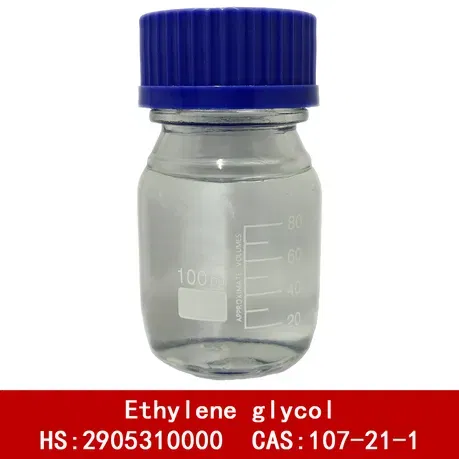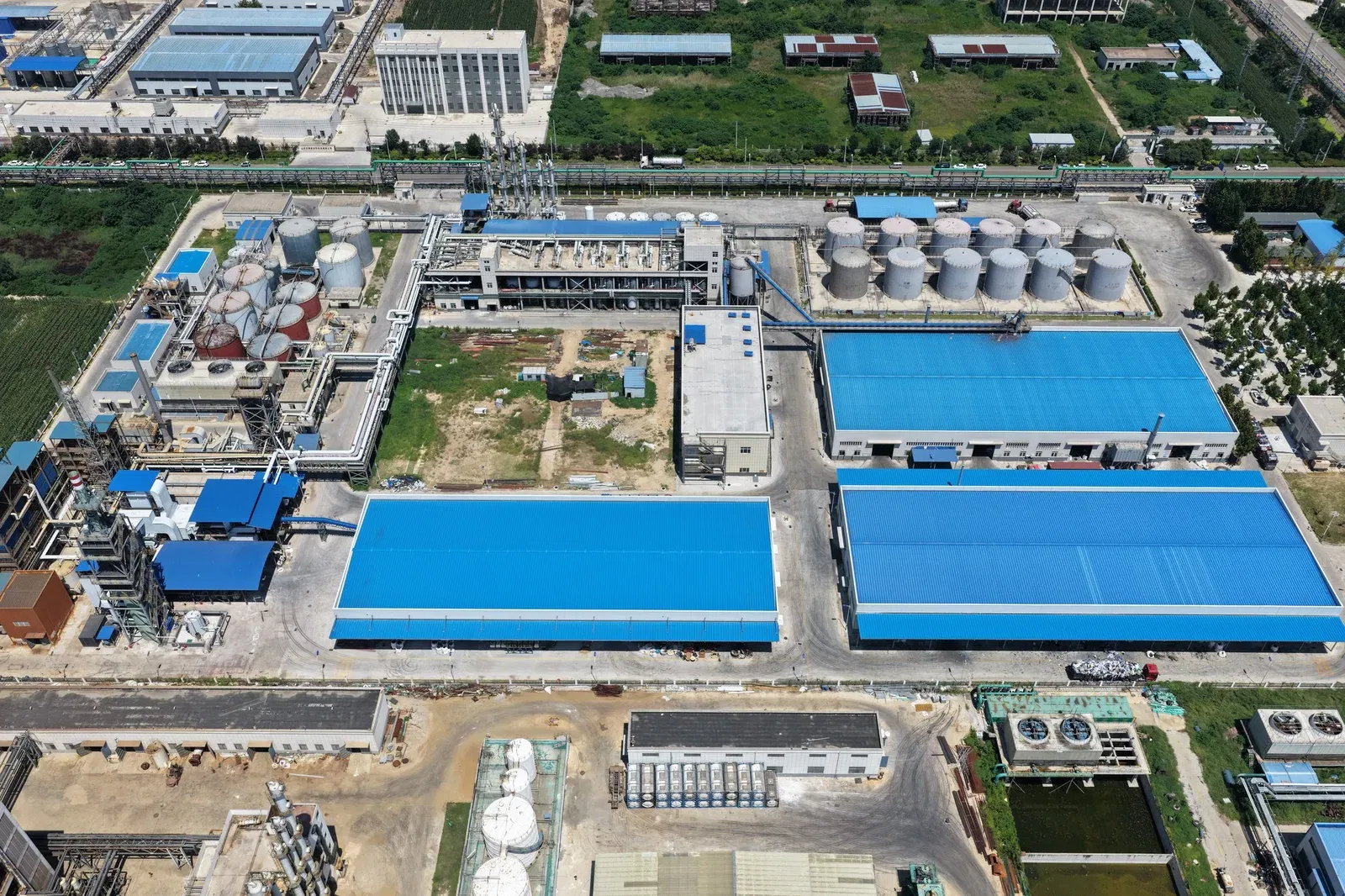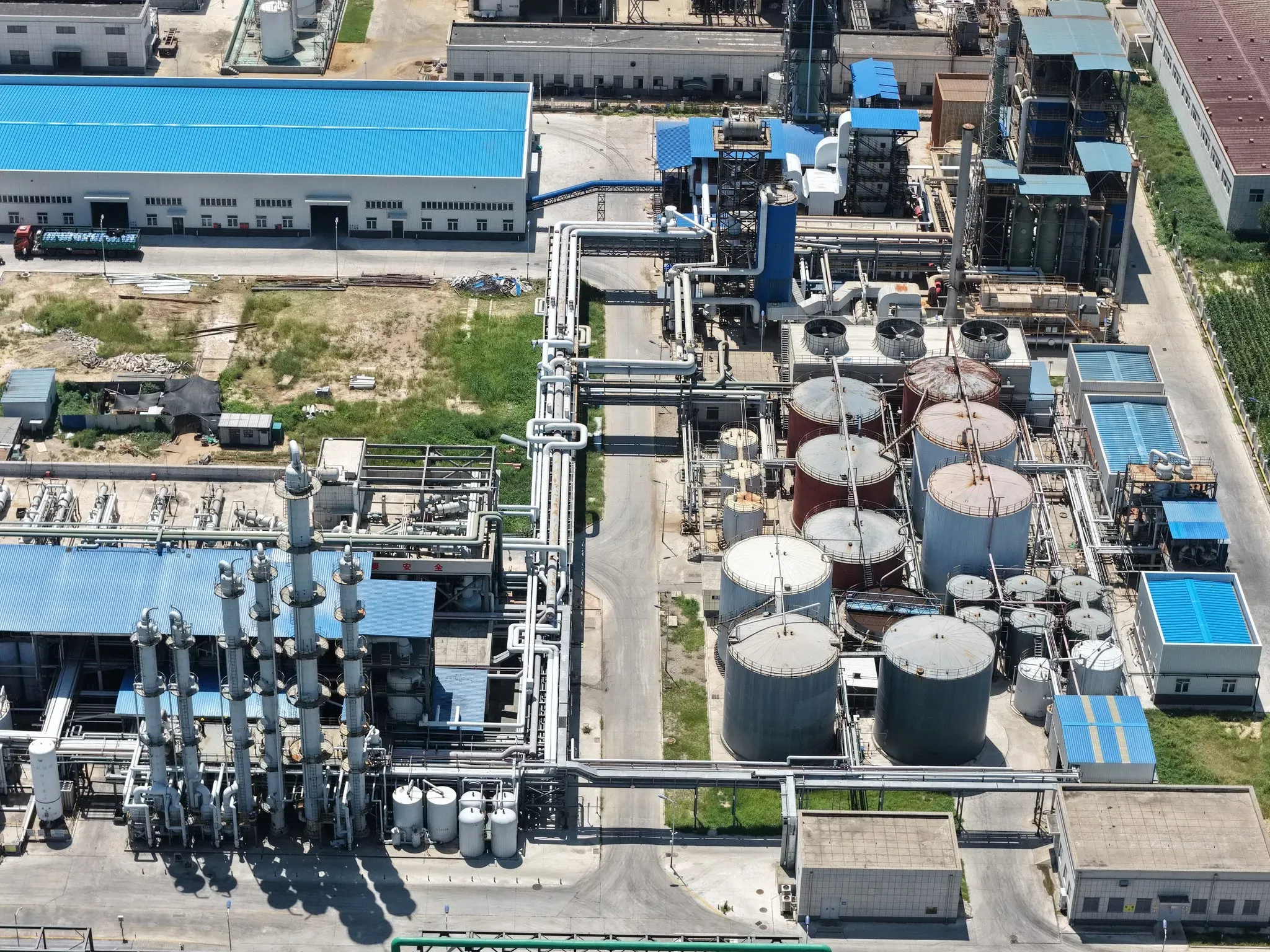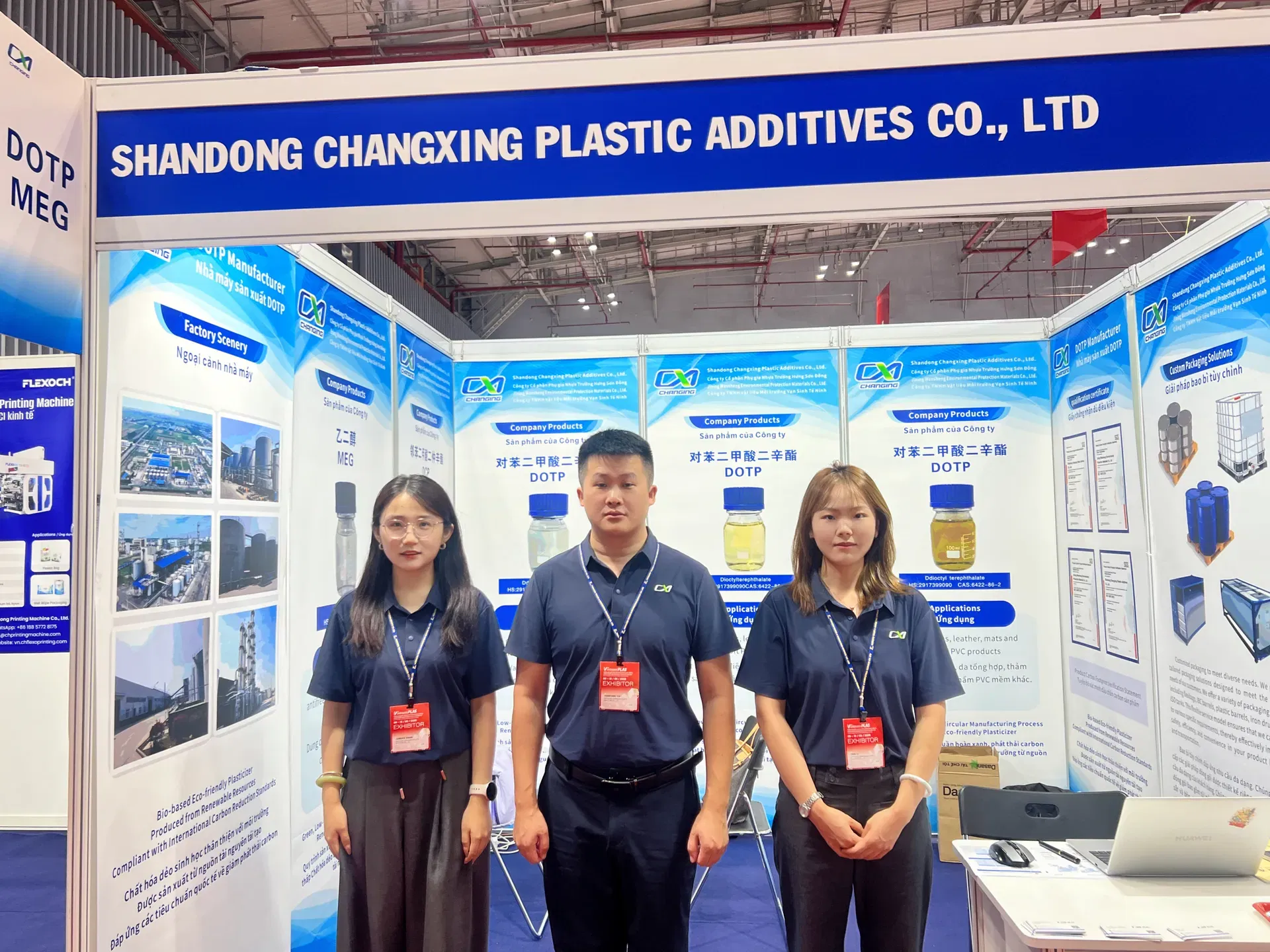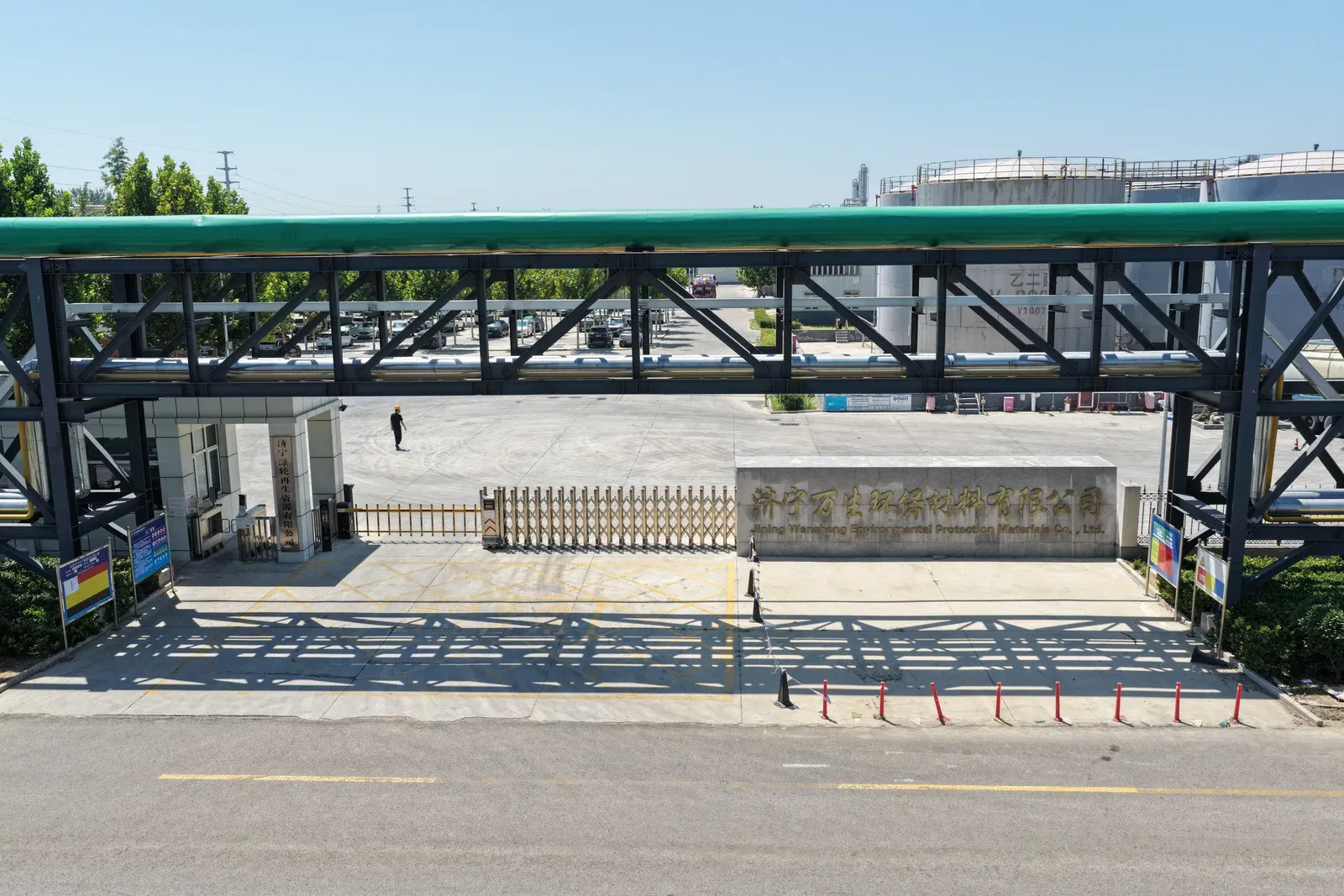

In October 2026, Shandong Changxing Plastic Additives completed a 110-metric-ton shipment of ethylene glycol (MEG) for an antifreeze and coolant manufacturer in Eastern Europe. The order was packed in 1000L IBC totes, forklift-loaded into 40GP containers at our factory, sealed, and dispatched - timed to land at the customer's blending plant well before the winter freeze. This article is a loading-day account with the full factory video, from the first tote on the forklift to the truck rolling out the gate.
Key Takeaways
- ✅ 110 MT of ethylene glycol (MEG), CAS 107-21-1, for an antifreeze and coolant manufacturer in Eastern Europe.
- ✅ ~100 IBC totes: at MEG's density of 1.11 g/cm³, each 1000L tote holds ~1,110 kg - typically 5×40GP containers, 20 totes each.
- ✅ October timing: lands ahead of the November–February antifreeze demand peak in Eastern Europe.
- ✅ MEG is non-hazardous for transport - ships as general cargo, no dangerous-goods surcharge.
- ✅ Full traceability: batch CoA, seal numbers, and staged loading photos shared with the buyer.
The Order: 110 MT of Ethylene Glycol for the Winter Blending Season
The customer is a long-standing antifreeze and coolant producer in Eastern Europe. Like most formulators in the region, they plan glycol purchases around a simple calendar: order in October, blend in November, and ship finished coolant to distributors before the first sustained frosts arrive. A 110 MT lot of ethylene glycol is a mid-sized replenishment for a blending plant. At 1.113 g/cm³ that is about 99 cubic metres of glycol, and blended 1:1 by volume with water it yields roughly 198 cubic metres - close to 200 MT - of standard 50/50 prediluted coolant rated to −37 °C. The concentration-to-freeze-point math is worked through in our MEG-water freeze point chart.
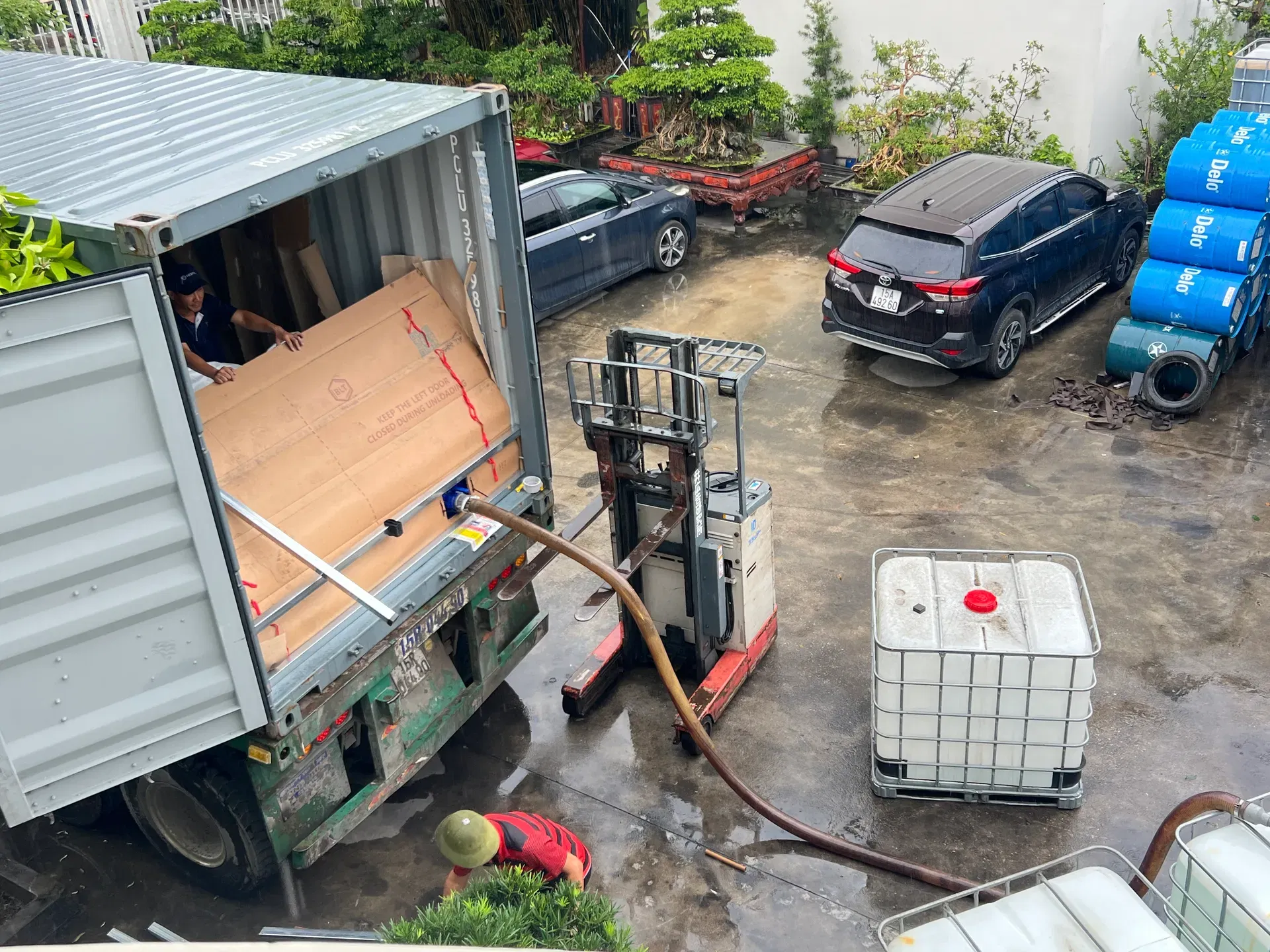
Buyers sometimes ask why MEG moves in IBC totes rather than flexibags or ISO tanks. For a 110 MT order, the math is straightforward: at 1.11 g/cm³, one 1000L IBC tote carries about 1,110 kg of MEG, so the order works out to roughly 100 totes. A 40GP container takes 20 totes in a 2-wide × 10-long grid, which means five containers - a clean, flexible format that needs no bulk discharge pump at the destination. Totes can be unloaded one at a time with a standard forklift and staged directly at the blending line.
| Item | Value for this shipment |
|---|---|
| Product | Ethylene glycol (MEG), CAS 107-21-1, HS 2905310000 |
| Quantity shipped | 110 metric tons |
| Density used in the calculation | 1.113 g/cm³ at 20 °C |
| Packaging | 1000L IBC totes, about 1.11 MT of MEG each |
| Tote count | Approximately 100 totes |
| Container plan | 5 × 40GP, 20 totes per container in a 2-wide × 10-long grid |
| Finished coolant yield | About 200 MT (roughly 198 m³) of 50/50 prediluted coolant rated to −37 °C |
| Transport classification | General cargo - not dangerous goods under IMDG, IATA, or ADR |
| Document package | Invoice, packing list, bill of lading, certificate of origin, GHS SDS, per-batch CoA, REACH statement |
Factory Loading: Ethylene Glycol IBC Totes into 40GP Containers
Loading day starts early. The warehouse team stages the IBC totes by batch number and production date, and each tote carries a label with net weight, batch number, and the production date. Before loading, the supervisor runs the standard three-point check: cage and pallet integrity, valve and cap seals, and label verification against the packing list.
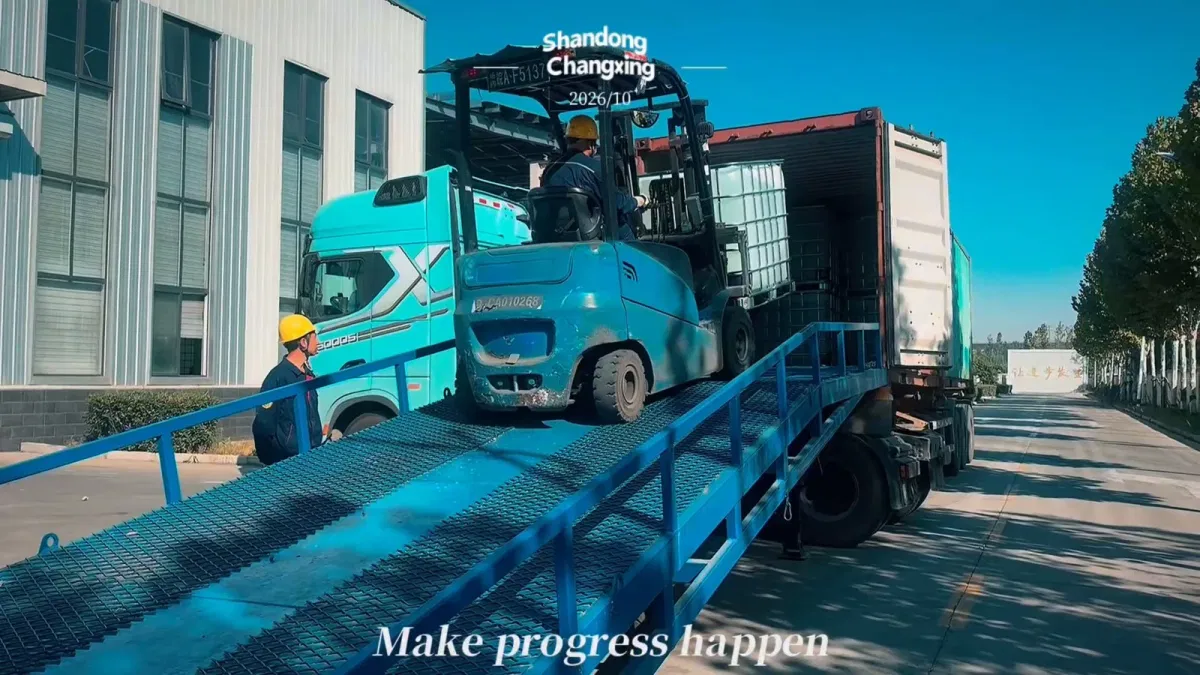
Because each IBC sits on an integral plastic pallet, a standard forklift with pallet tines handles the whole operation - no drum clamps, no special attachments. The operator drives each loaded tote up the steel dock ramp and into the container, placing it in the grid pattern that maximizes stability and space utilization.
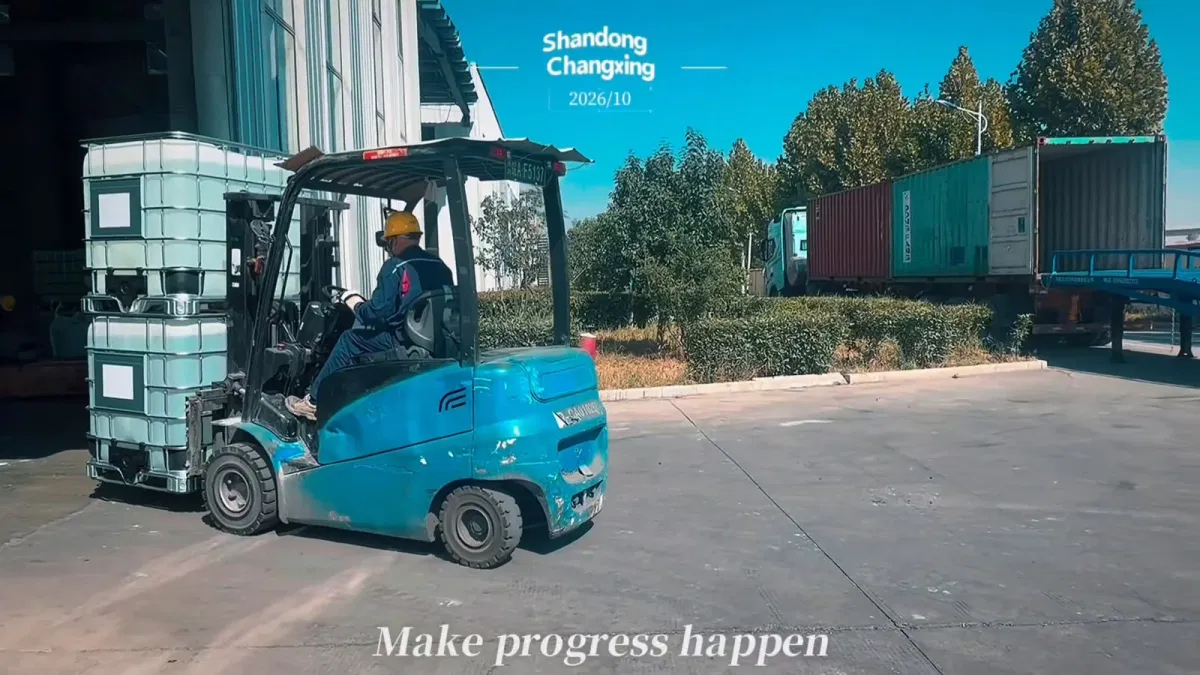
Once the grid is complete, the crew inserts dunnage between the rows and applies ratchet straps so nothing shifts on the road to port or during ocean transit. The container doors are then closed, high-security seals are applied, and the seal numbers are photographed and logged against the shipping documents.
Dispatched: Why October Timing Matters for Antifreeze Makers
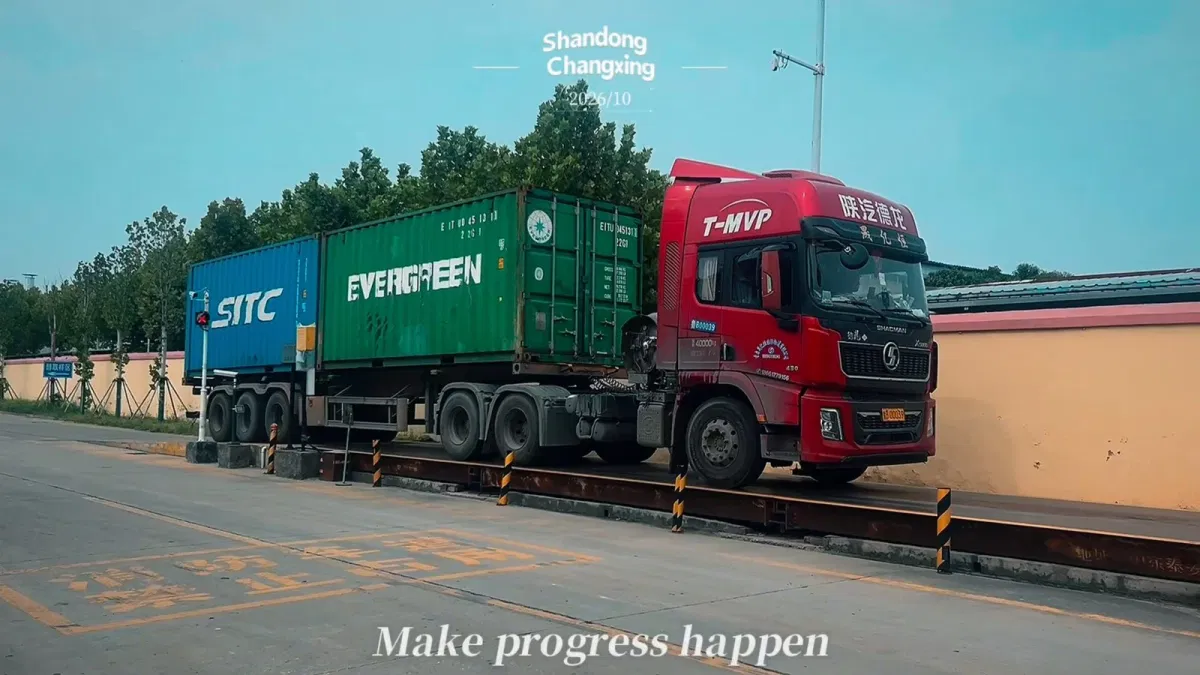
By late afternoon the loaded trucks clear the factory gate in convoy, bound for the port. For an Eastern European buyer, the transit leg is only part of the timing equation: customs clearance, inland haulage, and warehouse intake all stretch longer once winter weather sets in. An October loading means the glycol is sitting in the blending tank farm in November, ready for the seasonal production ramp.
🌱 Transport Note
Ethylene glycol is not classified as dangerous goods under IMDG, IATA, or ADR, so this shipment moves as general cargo in standard dry containers - no DG surcharge, no special equipment. It is toxic if ingested, which is why finished antifreeze formulations add a bittering agent (denatonium benzoate). The same glycol base serves coolant, de-icing, and heat-transfer applications.
Documents and Traceability
Every tote in this shipment is traceable from production to port. The document package includes:
- Commercial invoice and packing list - itemized by batch number and tote count.
- Bill of lading - issued by the carrier upon port gate-in.
- Certificate of origin - for customs duty calculation at destination.
- GHS-classified SDS - in English for customs and downstream handling.
- Certificate of Analysis (CoA) - per-batch results for purity, colour, moisture, and acid value.
- REACH registration statement - for EU-bound cargo.
- Seal numbers and loading photos - shared with the buyer at each stage.
For buyers comparing glycol grades and packaging options for coolant production, our MEG coolant guide and import guide cover grade selection, logistics, and documentation in detail.
References and External Resources
- UNECE - Globally Harmonized System (Rev. 9) - the classification framework behind the IMDG, IATA, and ADR statements above.
- OSHA - Hazard Communication / GHS - reference for the GHS-classified SDS included with the shipment.
- ECHA - Understanding REACH - the EU registration requirement behind the REACH statement for EU-bound cargo.
- ISO 9001 - the quality management system standard our plant is certified against.
Frequently Asked Questions
Q1: How much ethylene glycol was shipped in this order?
The shipment totals 110 metric tons of ethylene glycol (MEG, CAS 107-21-1). At MEG's density of about 1.11 g/cm³, each 1000L IBC tote holds roughly 1,110 kg, so 110 MT works out to approximately 100 IBC totes - typically five 40GP containers with 20 totes each.
Q2: Why does an antifreeze manufacturer order MEG in October?
October is the critical restocking window for antifreeze and coolant producers in Eastern Europe. Demand for ready-to-use coolant and concentrate peaks from November through February, and formulators build inventory 4–8 weeks ahead. Ordering in October ensures the glycol arrives at the blending plant before the first sustained frosts and before winter freight schedules tighten.
Q3: How is ethylene glycol packed and loaded for export shipping?
This shipment used 1000L IBC totes (intermediate bulk containers), each holding about 1.11 MT of MEG. The totes are moved by standard forklift using their integral pallets, stacked 20 per 40GP container in a 2-wide × 10-long grid, then braced and sealed. IBC totes are the preferred format for mid-volume buyers because they need no dedicated discharge infrastructure.
Q4: Is ethylene glycol classified as dangerous goods for shipping?
No. For transport purposes, ethylene glycol is not classified as dangerous goods under IMDG, IATA, or ADR, so it ships as general cargo in standard dry containers with no hazardous-material surcharge. It is, however, toxic if ingested - which is precisely why finished antifreeze contains bittering agents, denatonium benzoate being the most common.
Q5: Which documents accompany a containerized MEG shipment?
The standard document package includes commercial invoice, packing list, bill of lading, certificate of origin, GHS-classified SDS, Certificate of Analysis (CoA) per production batch, and REACH registration statement for EU-bound cargo. Loading photos and seal numbers are shared with the buyer at each stage for full traceability.
Conclusion
A 110 MT MEG shipment is routine for our logistics team, but routine does not mean casual. Every tote is inspected, every batch is traceable, every seal is logged. From the warehouse floor to the port gate, the cargo carries its quality record with it - and it arrives at the customer's blending plant on the calendar that antifreeze season demands.
If you are a coolant or antifreeze manufacturer sourcing ethylene glycol from China, contact us for a quote. We supply MEG in 1000L IBC totes, flexibags, drums, and bulk ISO tanks, with per-batch CoA and full export documentation.
Ready to Source Ethylene Glycol?
Shandong Changxing Plastic Additives Co., Ltd. is an ISO 9001 certified manufacturer with 300,000 tons annual capacity, supplying DOTP, DCP, MEG, 2-octanol, and chemical intermediates to clients in 30+ countries.
Request a Free Quote- ✓ MEG (CAS 107-21-1) with a per-batch Certificate of Analysis
- ✓ Ships as general cargo - no dangerous-goods surcharge (IMDG / IATA / ADR)
- ✓ Packaging: 1000L IBC totes, flexibags, drums, ISO tanks
- ✓ ISO 9001 / 14001 / 45001 / 50001 certified
- ✓ National "Little Giant" enterprise - trusted by global coolant formulators
Shandong Changxing Plastic Additives Co., Ltd.
October 2026