
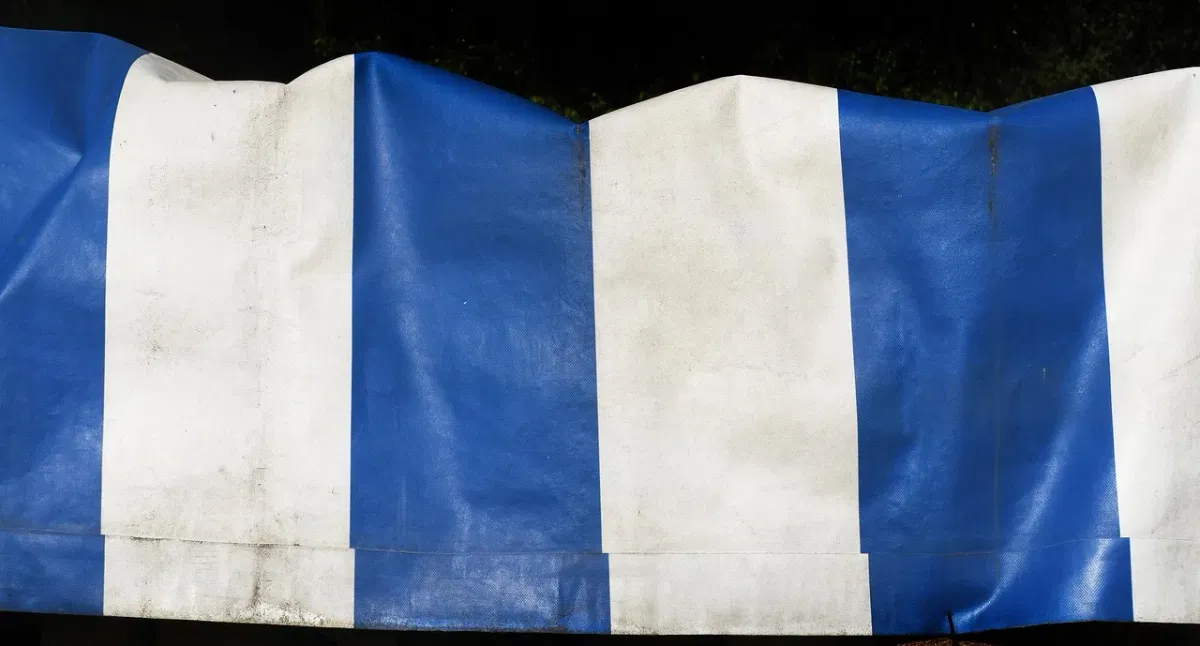
PVC tarpaulin plasticizer choice starts with one fact: a tarpaulin is a coated fabric, not a film. The plasticizer has to survive a coating line, bond to a woven scrim, and hold a seam together after welding. Loading, colour spec and grade all follow from those three jobs.
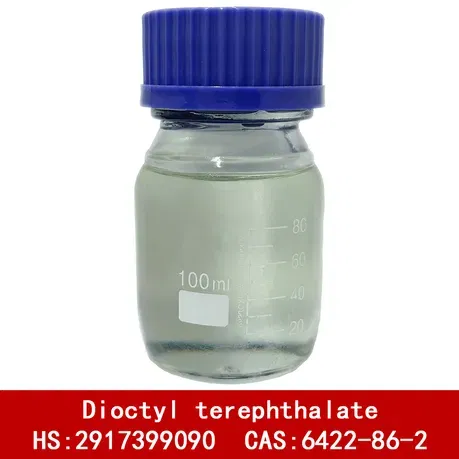
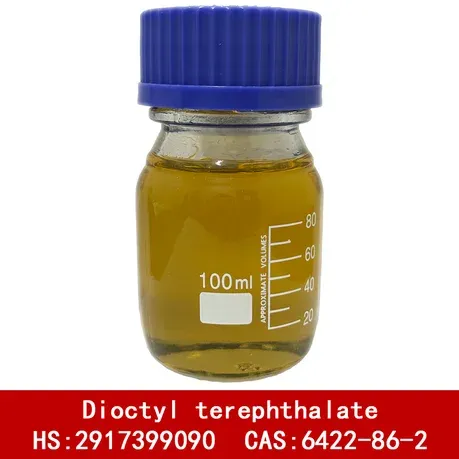
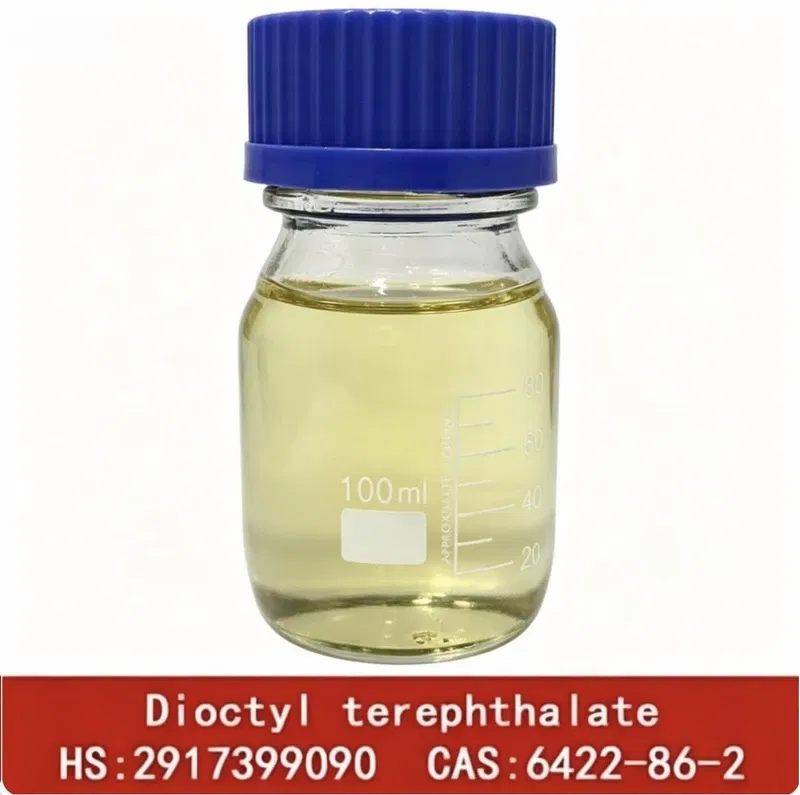
Short answer: a PVC tarpaulin compound runs 45–70 phr DOTP (dioctyl terephthalate, CAS 6422-86-2), and the coating route plus the service temperature narrow that band. Plastisol top coats run 50–65 phr, calendered cover compounds 40–60 phr, and truck side curtains 45–60 phr, where a −25 to −30 °C cold-bend test sets the figure. Colour follows the finished shade: ≤150 APHA for white and silver, ≤230 APHA for mid-tones, ≤450 APHA for black, where Qualified grade is a cost lever that changes only colour and volume resistance.
Most questions we get from tarpaulin plants fall into four groups: how much DOTP to use, whether to run plastisol or calendered compound, how tight a colour spec each shade really needs, and why a weld peels when the compound looks fine on paper. The sections below take those four in turn, and finish with the tests to run before the first roll ships.
The loading windows below are industry-common ranges. They are a starting point for your own trials, not a specification we ship against; the finished number is fixed on your line by hardness, cold bend and weld peel.
PVC coated fabric versus film: why the plasticizer brief changes
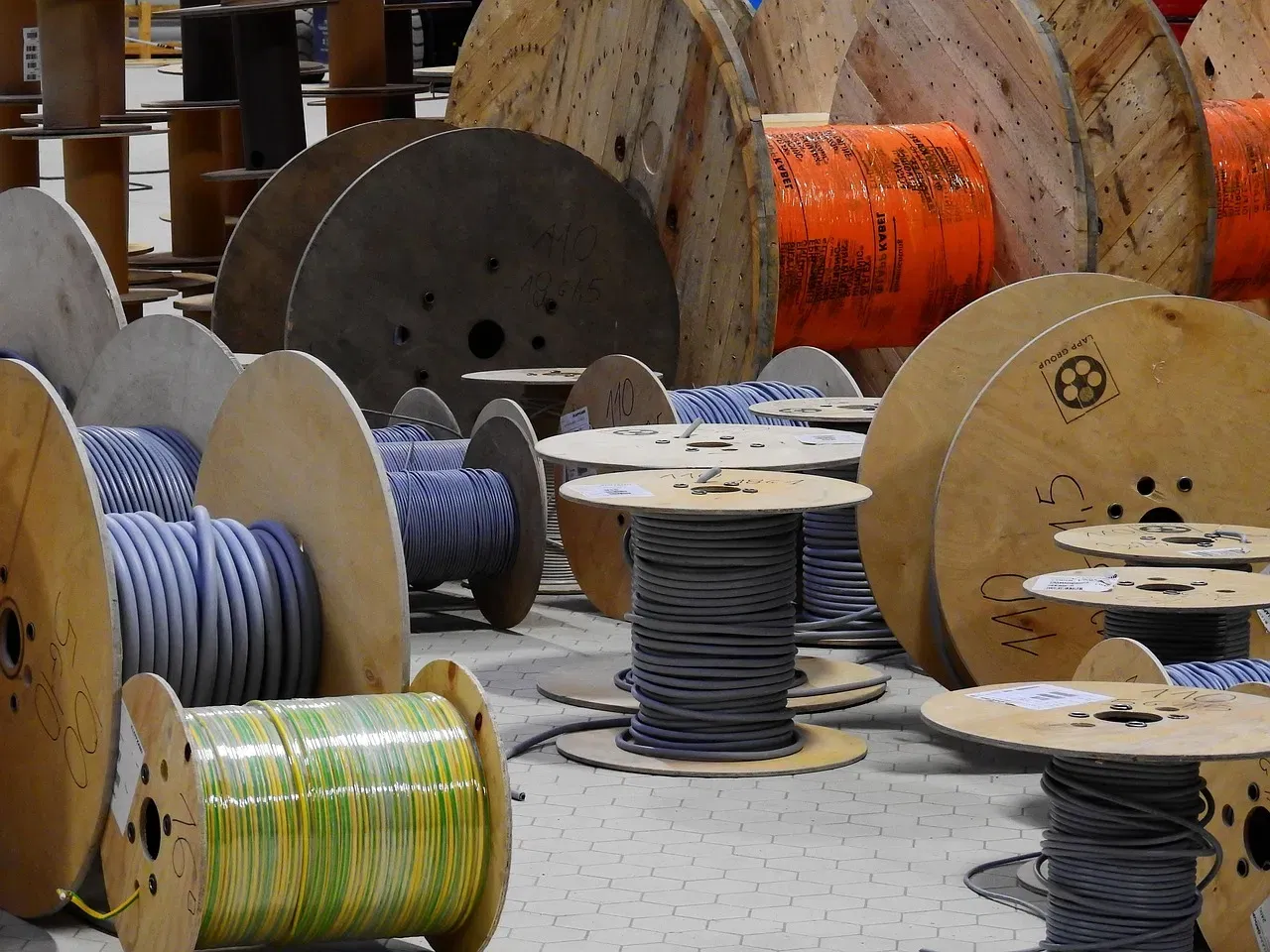
A film is self-supporting: 0.05–0.5 mm of PVC compound, judged on clarity, thickness tolerance and heat-seal strength. A tarpaulin is a composite: a polyester scrim carrying 0.15–0.6 mm of PVC on each face, judged on adhesion, coating weight, blocking, cold flex and seam strength. The same plasticizer can pass a film trial and fail on a coating line.
Two habits carry over from film and cause trouble in tarpaulin. The first is reading phr without looking at the filler level: phr is parts per hundred parts PVC resin, so 60 phr in a compound with 30 phr calcium carbonate is a lower plasticizer share of the total mix than 60 phr in an unfilled compound. The second is treating colour as a cosmetic issue. In a white or silver tarpaulin, colour drift is the first thing a customer sees; in a black one it is invisible.
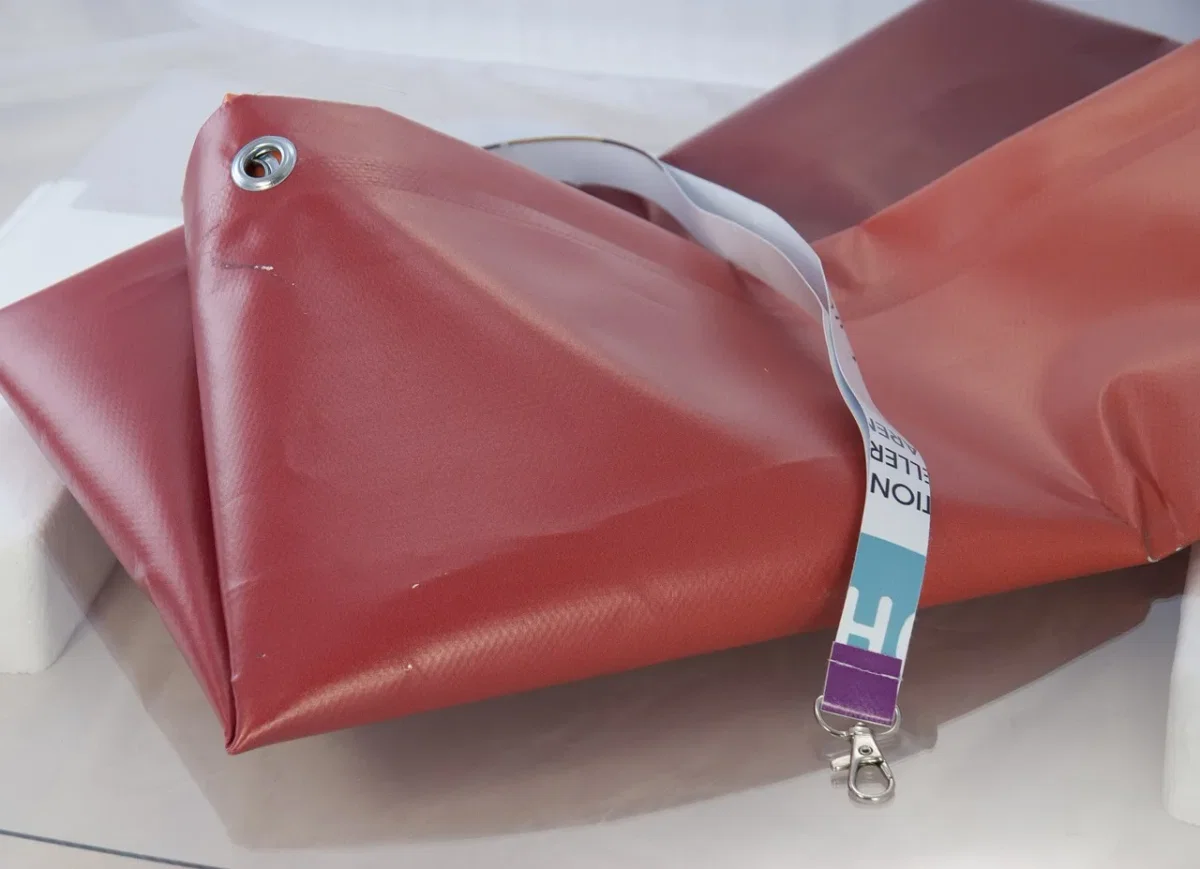
Plastisol coating or calendered sheet: two routes, two briefs
Tarpaulin plants run one of two routes, and the plasticizer brief differs between them. Plastisol is a paste of fine-particle PVC resin dispersed in plasticizer, spread on the fabric and fused in an oven. Calendered compound is a fused, high-viscosity mix that is sheeted and laminated to the fabric under heat and pressure.
| Route | Resin | Typical DOTP loading | What the plasticizer must do |
|---|---|---|---|
| Plastisol (knife or roll coating) | Paste-grade PVC, high K value | 50–65 phr | Keep paste viscosity low and stable for hours, gel quickly, leave no bubbles at fusion |
| Calendered compound | Suspension PVC, medium K value | 40–60 phr | Fuse fully on the calender, resist plate-out, keep the sheet tack-free when rolls are stacked |
For plastisol, viscosity stability is the hidden cost line. A plasticizer that solvates the resin too fast thickens the paste overnight, and the line has to add diluent or scrap the batch. DOTP solvates slightly more slowly than DOP and gives a paste that stays workable longer, which is why coating plants often prefer it even before the regulatory argument. The trade-off is a narrower fusion window: the oven has to reach full fusion, typically around 190–200 °C on the web, or the coating keeps a weak, under-fused skin that welds badly later.
For calendered compound, the plasticizer has to do the opposite job: fuse fully under shear without bleeding onto the rolls. Plate-out on a calender is often blamed on the resin, but an overloaded or poorly matched plasticizer is just as common a cause. Our film and sheet guide covers the calendered side in more depth; the tarpaulin-specific part is the fabric, not the sheet.
DOTP loading by tarpaulin type
For a PVC tarpaulin plasticizer, loading follows coat weight and service temperature, not the name of the product. A heavy truck cover and a light garden cover can need similar phr for opposite reasons: the truck cover needs cold flex at a thick coating, the garden cover needs cost control at a thin one.
| Tarpaulin type | Typical DOTP | Typical coat weight | What sets the number |
|---|---|---|---|
| Lightweight cover, garden and cargo | 50–65 phr | 180–350 g/m² | Soft hand and low cost; blocking resistance when folded hot |
| Truck side curtain and flatbed cover | 45–60 phr | 400–700 g/m² | Cold flex at −25 to −30 °C, tear strength, weld peel |
| Tent and awning fabric | 45–60 phr | 300–550 g/m² | Dimensional stability, UV package compatibility, low surface tack |
| Pond liner and reservoir cover | 45–55 phr | 500–900 g/m² | Long service life, low extraction, puncture and hydrostatic resistance |
| Foam-backed insulated cover | 55–70 phr | Two-layer coating | Soft foam layer plus a harder top coat that takes the abrasion |
Ranges are industry-common starting points, measured on PVC resin. Confirm them against your own hardness target, coat weight and cold-bend requirement before they go into a costing sheet.
One conversion rule saves a trial: DOTP has slightly lower plasticizing efficiency than DOP, so a DOP formula moved across usually needs 2–5 phr more DOTP for the same hardness. Move the number and then re-check cold bend, because the extra plasticizer buys low-temperature flexibility at the cost of tear strength and blocking resistance.
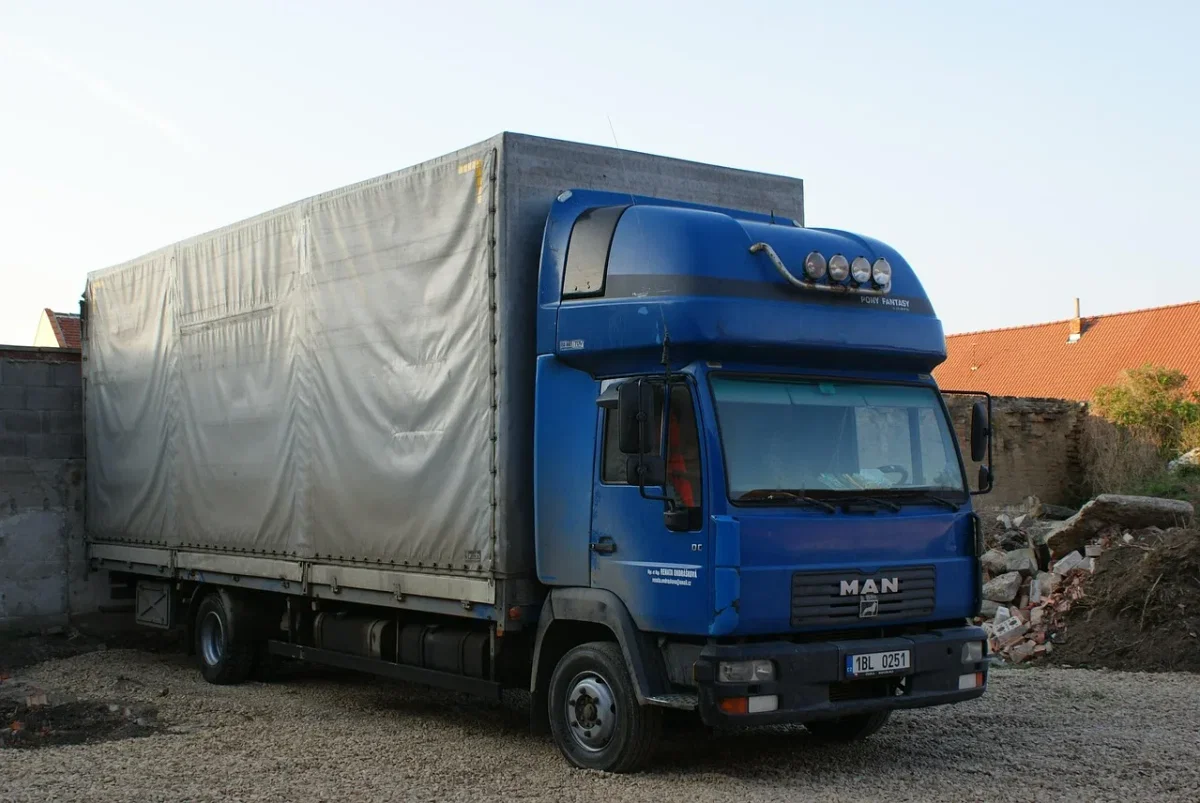
Truck cover PVC: what outdoor service asks of the plasticizer
Outdoor service tests four properties at once: volatility, migration, weathering and low-temperature flexibility. DOTP wins on volatility and low temperature against DOP at equal loading, is broadly comparable on migration, and does nothing for weathering on its own.
- Volatility. Plasticizer lost in the oven becomes pinholes and a weak skin; plasticizer lost in service becomes a stiff, shrinking cover. A flash point of 210 °C or higher is a quality marker, not a service-life guarantee; ask for oven-loss data on the batch you receive.
- Migration. Plasticizer that leaves the coating can stain the scrim, soften the adhesive, or bloom to the surface and block welding. Low-migration grades matter most where the coating touches another polymer, such as a foam backing or a laminated liner.
- Weathering. The plasticizer carries the UV package; it does not replace it. A tarpaulin rated for five years outdoors needs a HALS and UV-absorber package matched to the pigment, and a plasticizer with low volatility so the package stays in the film.
- Low temperature. Cold flex is set by loading and by plasticizer type. DOTP holds flexibility better than DOP at the same phr, which is why cold-climate truck covers often specify it.
Colour spec by shade: where APHA actually matters
Colour is the one specification where the tarpaulin's final shade, not the compound, decides what you need. Our three DOTP grades differ only in colour ceiling and volume resistance; content, acid value, water and flash point limits are the same across all three.
| Grade | Colour | Volume resistance | Where it fits |
|---|---|---|---|
| Superior | ≤150 APHA | ≥2×10¹² Ω·cm | White, silver, pastel and any light shade where yellowing is visible |
| First-Grade | ≤230 APHA | ≥2×10¹² Ω·cm | Mid-tone blue, green, grey and beige where slight warmth is acceptable |
| Qualified | ≤450 APHA | ≥2×10¹¹ Ω·cm | Black, dark brown and dark green where carbon black or iron oxide hides the tint |
For tarpaulin, volume resistance is irrelevant: the product is not an insulator and no customer tests it. That makes Qualified grade a real cost lever for dark goods, provided you verify what the grade does not change. Colour and resistance are the only two differences, so a dark-shade line can run Qualified and keep the same volatility, acid value and water limits. A grade switch mid-order still needs a first-article weld and cold-bend test, because the darker batch may still shift the shade of a light-filled compound.
Welding is where a cheap plasticizer shows up
A tarpaulin fails at the seam far more often than in the middle of the panel. High-frequency and hot-air welding both rely on melting PVC at the interface; anything that lowers the meltable PVC fraction, or puts a film between the two surfaces, costs peel strength.
Most weak welds start with the plasticizer, which fails in three ways. Overloading dilutes the PVC available to fuse, and the seam peels cleanly with a glossy surface. Surface bloom, often from a batch stored hot or a plasticizer with poor compatibility, leaves an invisible film that blocks fusion. Under-fusion in the oven produces a coating that looks dry but has not fully gelled, and no welding parameter will recover it.
Weld the production lot, not the lab sample, and record peel strength alongside the plasticizer batch number. When a seam fails, check loading and fusion before touching the welder settings. Truck covers add a second requirement: the curtain has to stay flexible when it is rolled cold, so the compound needs both a cold-bend pass and a weld-peel pass on the same batch. Our film and sheet DOTP page covers the grade choices behind that balance.
Flexibility at low temperature versus everything else
Every extra phr of plasticizer buys low-temperature flexibility and pays for it somewhere else. The bill arrives as lower tear strength, worse blocking resistance and more migration. That trade-off is the whole design problem in a truck cover, which is handled cold, folded, and dragged over a load.
Set the cold-bend target first, then raise loading until the compound passes with a margin, then check tear and blocking. A cover specified at −25 °C should pass a cold bend at −25 °C after conditioning, not at −20 °C. If the compound only passes at a loading that fails tear, the answer is usually a different plasticizer blend or a higher-molecular-weight resin, not more DOTP.
Incoming inspection and first-article tests
A DOTP delivery is checked in two stages: the COA against the batch, then the compound against your own process. The first stage takes twenty minutes; the second decides whether the batch enters the tank.
- Match documents. COA batch number, drum or tank label, net weight and order quantity must agree before unloading.
- Sample top and bottom. Water and heavy ends settle; mix the sample and retain about 500 mL with the batch number.
- Compare the five COA rows. Content ≥98%, colour against the grade ceiling, acid value ≤0.035 mg KOH/g, water ≤0.1%, flash point ≥210 °C.
- Run a plastisol viscosity check. Measure at mixing and again after 24 hours; a batch that thickens far faster than the previous one will change your coating weight.
- Run an oven volatility check. Weigh a film, hold it at your fusion temperature, and compare the loss with the previous batch.
- Weld and pull. Make a seam from the trial coating and record peel strength; repeat the cold bend at the service temperature.
For finished fabric, the acceptance tests are the ones your customer already names: tensile strength to EN ISO 1421, tear strength to EN ISO 4674, hydrostatic resistance to EN 20811, cold bend or brittleness to ASTM D746, and adhesion of the coating to the scrim. Colour is read on the finished goods, not on the neat plasticizer, because pigment and filler shift the final shade.
Buying DOTP for a tarpaulin line
Buying a PVC tarpaulin plasticizer means matching the grade to the shade, the packaging to the tank, and the batch size to the coating run. A tarpaulin line that changes shade frequently is better served by two grades on hand than by one grade and a colour correction step.
- Grade. Superior for white and light shades, First-Grade for mid-tones, Qualified for black and dark earth tones. Full grade data sits on the DOTP product page and on the Qualified DOTP page.
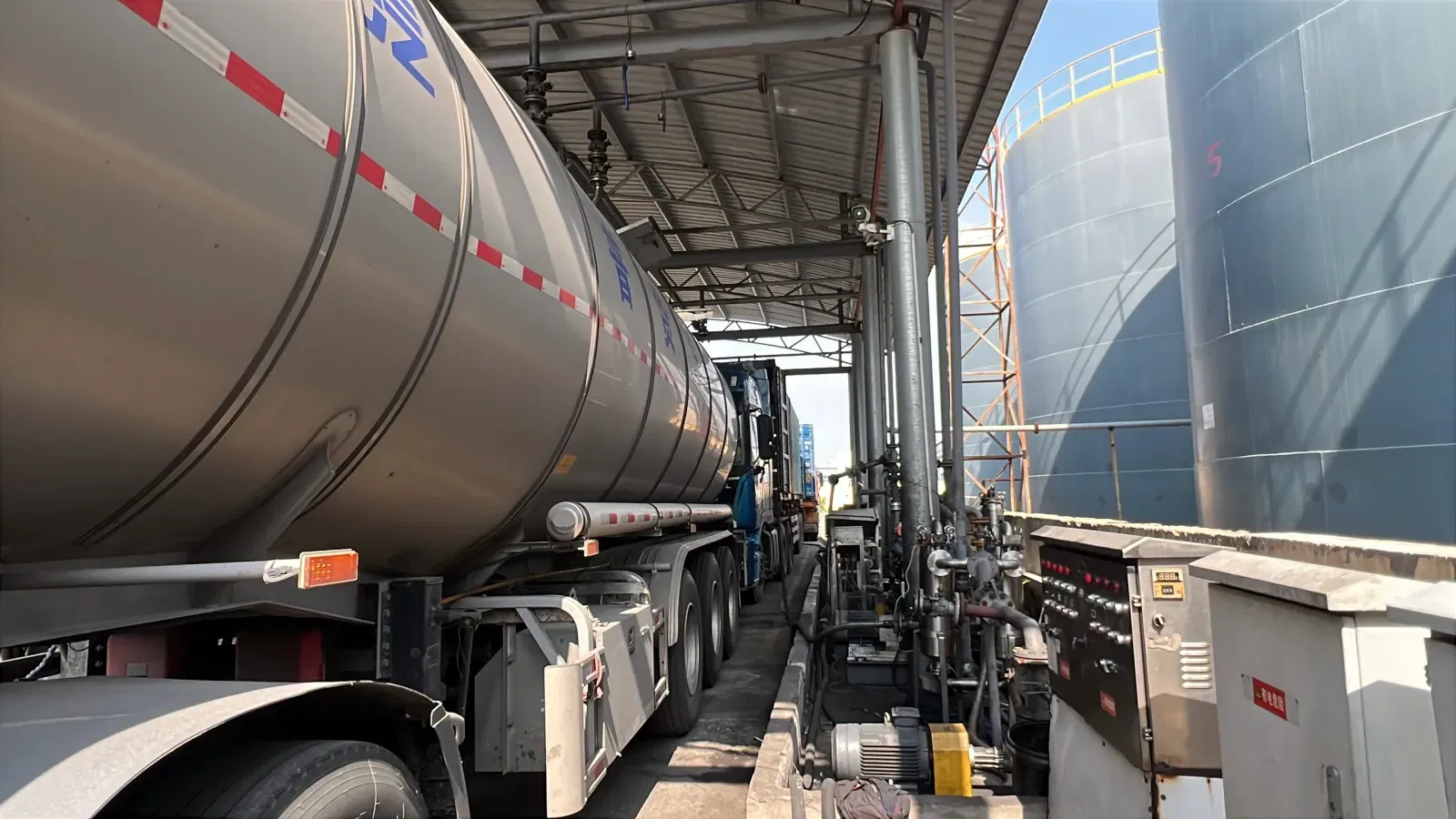
- Packaging. 23 t per flexibag or ISO tank, 20 t per IBC, 16 t per drum for DOTP. A coating plant running daily batches usually takes flexibags; a plant with limited tankage takes IBCs and drums.
- Batch size. Keep at least two production batches on site so a colour or viscosity drift can be traced without stopping the line.
- Documentation. Batch COA, retained sample, and the migration or food-contact statement your market requires. A tarpaulin sold for drinking-water storage has a different document set from a truck cover.
If you are converting a DOP or DINP formula, run the conversion at 2–5 phr higher DOTP and re-test cold bend and weld peel before releasing the formula. The arithmetic is on our phr reference page.
Frequently asked questions
Which plasticizer is used in PVC tarpaulin?
Most PVC tarpaulin is plasticised with a general-purpose phthalate or terephthalate ester: DOTP, DINP or DOP. DOTP is the usual choice for export markets because it is a non-phthalate terephthalate with lower volatility than DOP. Loading is normally set between 45 and 70 phr depending on the coating weight and the service temperature.
How much plasticizer goes into a PVC tarpaulin coating?
Plastisol top coats usually run 50–65 phr, calendered cover compounds 40–60 phr, and foam or soft-hand layers up to 70 phr. These are industry-common ranges, not a specification: the number is fixed on your own line by hardness, cold bend and weld peel tests.
Does DOTP work for truck side curtains?
Yes. Truck covers need cold flexibility because the curtain flexes and drums at low temperature. DOTP gives better low-temperature bend than DOP at the same loading; most truck-cover compounds land between 45 and 60 phr, with the exact figure set by the cold-bend test your customer requires.
Does the plasticizer affect high-frequency welding?
It does. Welding strength depends on how much PVC is available to fuse at the seam. Too much plasticizer dilutes the weldable fraction, and surface exudation leaves a film that blocks fusion. Test weld peel on the production lot rather than on a lab sample, and store rolls cool before welding.
Which DOTP grade do I need for a black tarpaulin?
For black or dark brown goods, colour up to 450 APHA is usually invisible, so Qualified grade is a legitimate cost lever. The only two specification differences between grades are colour and volume resistance; volatility, acid value, water and flash point limits are identical, so ask for the batch COA and check migration on your own compound before switching.
How do I check a DOTP delivery before unloading?
Match the COA batch number to the drum or tank label, check net weight, take a top and bottom sample, and compare content, colour, acid value, water content and flash point with the COA. Then run a plastisol viscosity and viscosity-drift test, an oven volatility test and a weld peel test on the first article.
Choosing a DOTP grade for a tarpaulin line?
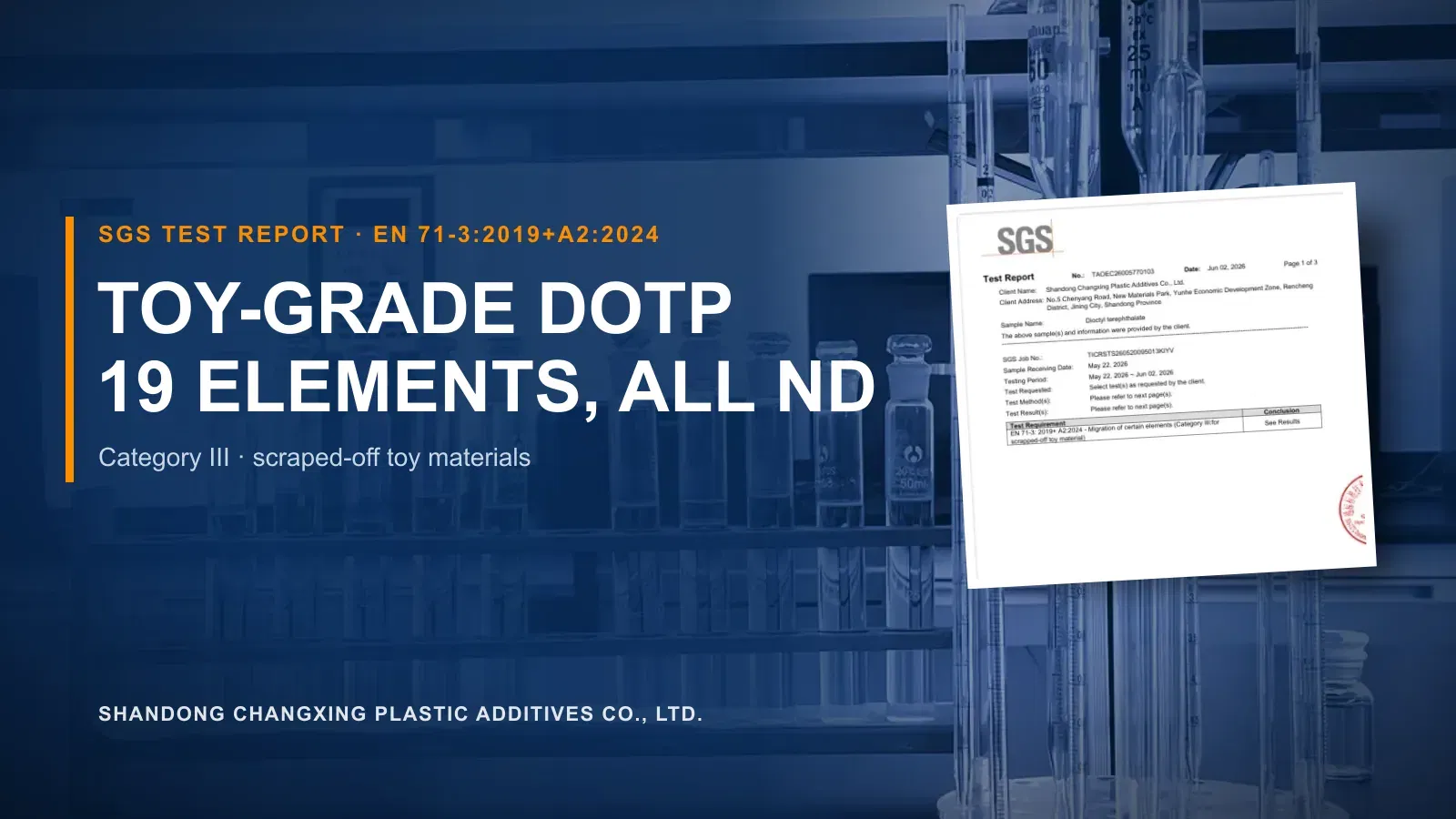
Send the tarpaulin type, coat weight, shade and cold-bend target. Shandong Changxing Plastic Additives Co., Ltd. is an ISO 9001 / 14001 / 45001 / 50001 certified manufacturer and supplies Superior, First-Grade and Qualified DOTP with batch COAs, retained samples and SGS reports on file.
Ask for a tarpaulin DOTP quote- ✓ Three colour grades: ≤150 / ≤230 / ≤450 APHA, same content, acid value, water and flash point limits
- ✓ Volume resistance ≥2×10¹² Ω·cm for Superior and First-Grade, ≥2×10¹¹ Ω·cm for Qualified
- ✓ 23 t per flexibag or ISO tank, 20 t per IBC, 16 t per drum
- ✓ Batch COAs, retained samples and first-article test support
- ✓ 230,000 tonnes of annual plasticizer capacity upon full completion