
DOTP (dioctyl terephthalate) is commonly supplied in three grades: superior, first-grade and qualified. When purchasing, do not stop at the grade name. Check the actual specification values.
The main differences between the three grades are colour and volume resistivity; the other six specification rows are identical. In practice, the right grade follows the appearance of the finished part, the electrical requirements and the production cost.
This guide covers grade selection from four angles: specification, application, purchase-order requirements and arrival inspection. It helps buyers match a grade to actual production needs.
Step one: understand the spec differences between the three DOTP grades
All three grades share the same chemical structure and CAS number, 6422-86-2. Comparing the specification rows shows that the grade split turns on colour and volume resistivity; the remaining rows are essentially identical.
| Item | Superior | First-grade | Qualified |
|---|---|---|---|
| Appearance | Transparent liquid | Transparent liquid | Transparent liquid |
| Ester content (%) | ≥98 | ≥98 | ≥98 |
| Colour (APHA) | ≤150 | ≤230 | ≤450 |
| Acid value (mg KOH/g) | ≤0.035 | ≤0.035 | ≤0.035 |
| Volume resistivity (Ω·cm) | ≥2×10¹² | ≥2×10¹² | ≥2×10¹¹ |
| Flash point (°C) | ≥210 | ≥210 | ≥210 |
| Moisture (%) | ≤0.1 | ≤0.1 | ≤0.1 |
| Density (20°C, g/cm³) | 0.980–0.985 | 0.980–0.985 | 0.980–0.985 |
| CAS | 6422-86-2 | 6422-86-2 | 6422-86-2 |
1. Colour: how the finished part looks
Colour is reported on the APHA scale. The lower the number, the paler the liquid.
- Superior: ≤150 APHA
- First-grade: ≤230 APHA
- Qualified: ≤450 APHA
For transparent, pale or appearance-critical PVC parts, start with superior or first-grade. For black and dark-coloured goods, the plasticizer's own colour normally has no visible effect on the final appearance, so the qualified grade can be selected as the application allows.
2. Volume resistivity: the electrical requirement
Superior and first-grade both specify volume resistivity of ≥2×10¹² Ω·cm; the qualified grade specifies ≥2×10¹¹ Ω·cm.
Where the product carries a clear insulation requirement, check this row first and choose a grade that meets the resistivity requirement. Liquid colour alone never shows whether electrical performance is met.
Colour and resistivity are separate test items and cannot stand in for each other. Confirm each against the product's requirements.
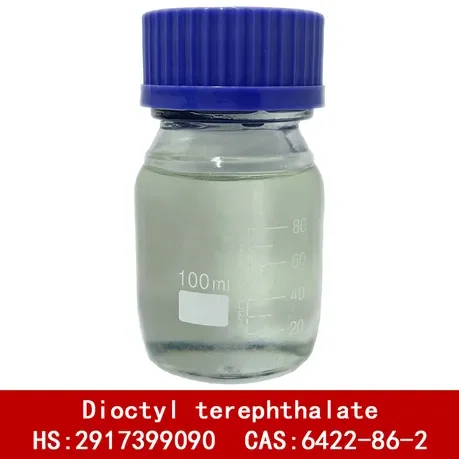
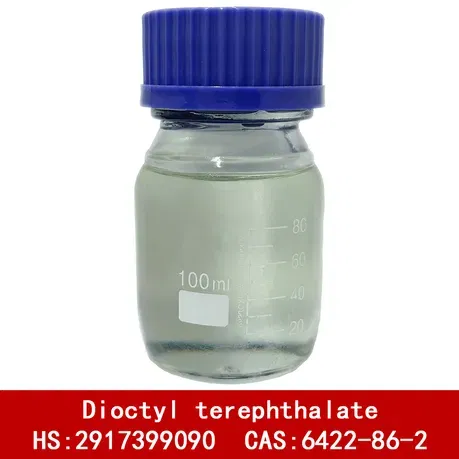
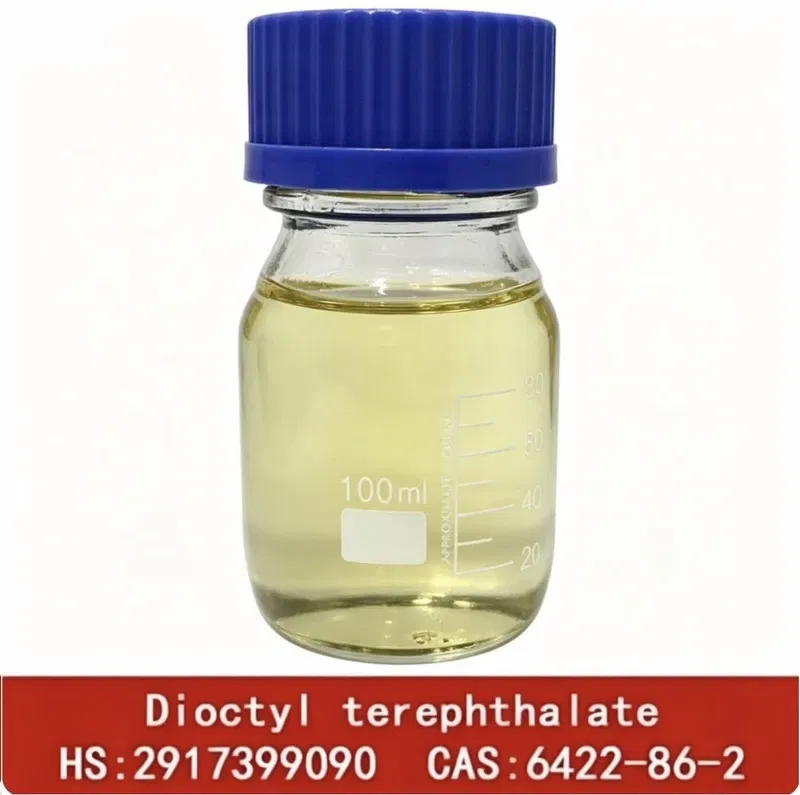
Superior
≤150 APHA ceiling, arrives close to colourless
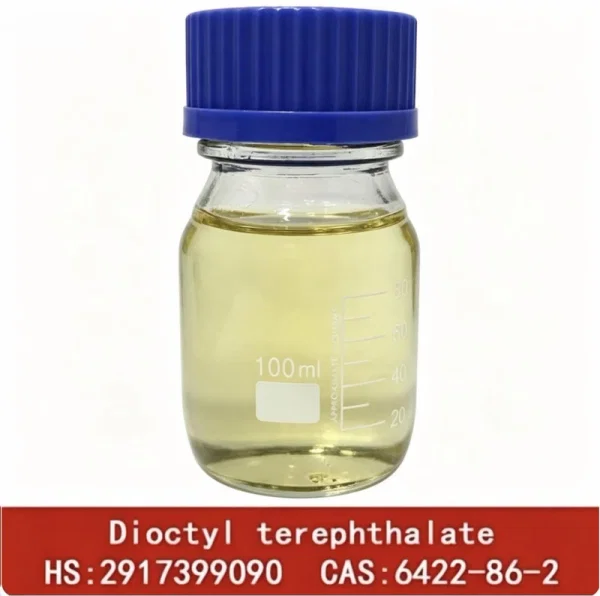
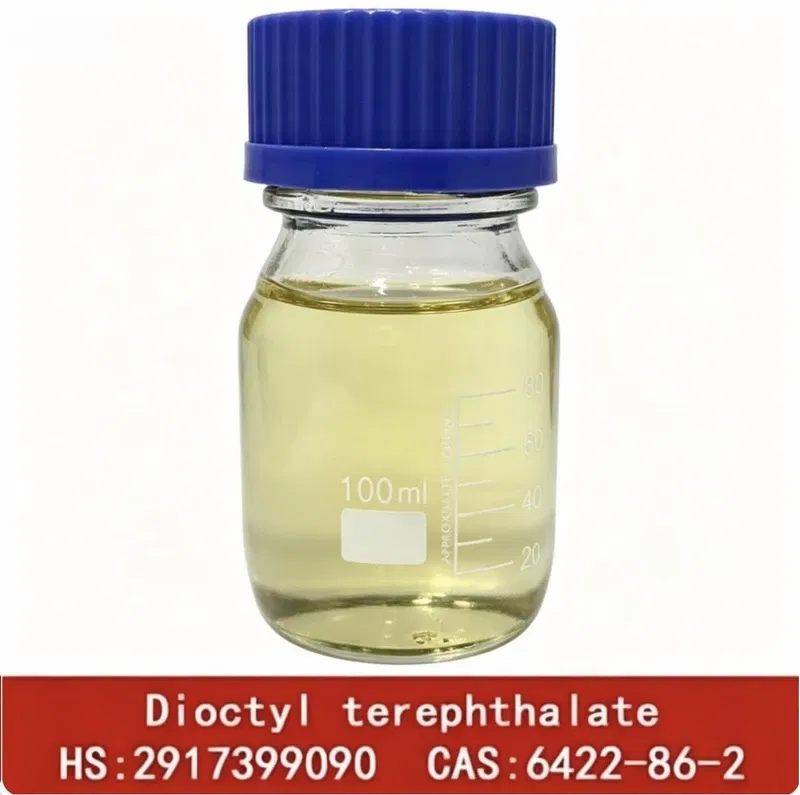
First-grade
≤230 APHA ceiling, arrives transparent pale yellow
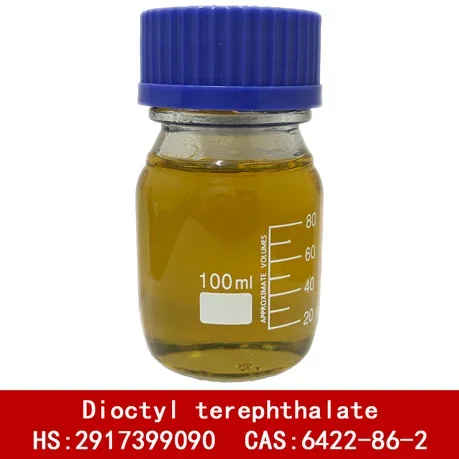
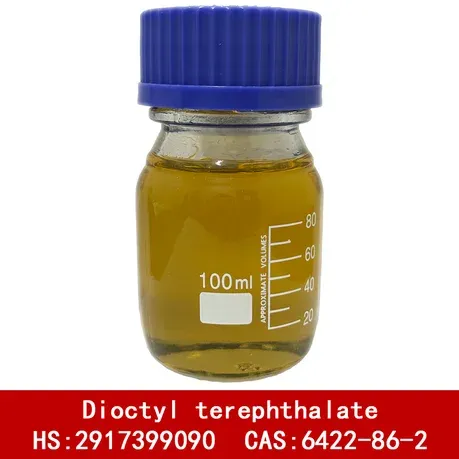
Qualified
≤450 APHA ceiling, arrives yellow
Step two: choose the grade by application
Different PVC products put different demands on DOTP. Confirm the colour and electrical requirements of the finished product first, then fix the grade.
| Application | Recommended grade | Colour requirement | Basis |
|---|---|---|---|
| Products with a defined resistivity requirement | Superior or first-grade | ≤150 / ≤230 | Both bands specify volume resistivity of ≥2×10¹² Ω·cm |
| Transparent skins of string and festoon lights | Superior or first-grade | ≤150 / ≤230 | A transparent skin is sensitive to the plasticizer's own colour |
| Lighting plastics and clear appearance parts | Superior | ≤150 | High requirements on transparency and appearance |
| Black cable jackets and sheaths | Qualified | ≤450 | Black pigment masks the plasticizer's own colour |
| Black and dark moulded goods | Qualified | ≤450 | The part is already dark, so the colour tolerance is wider |
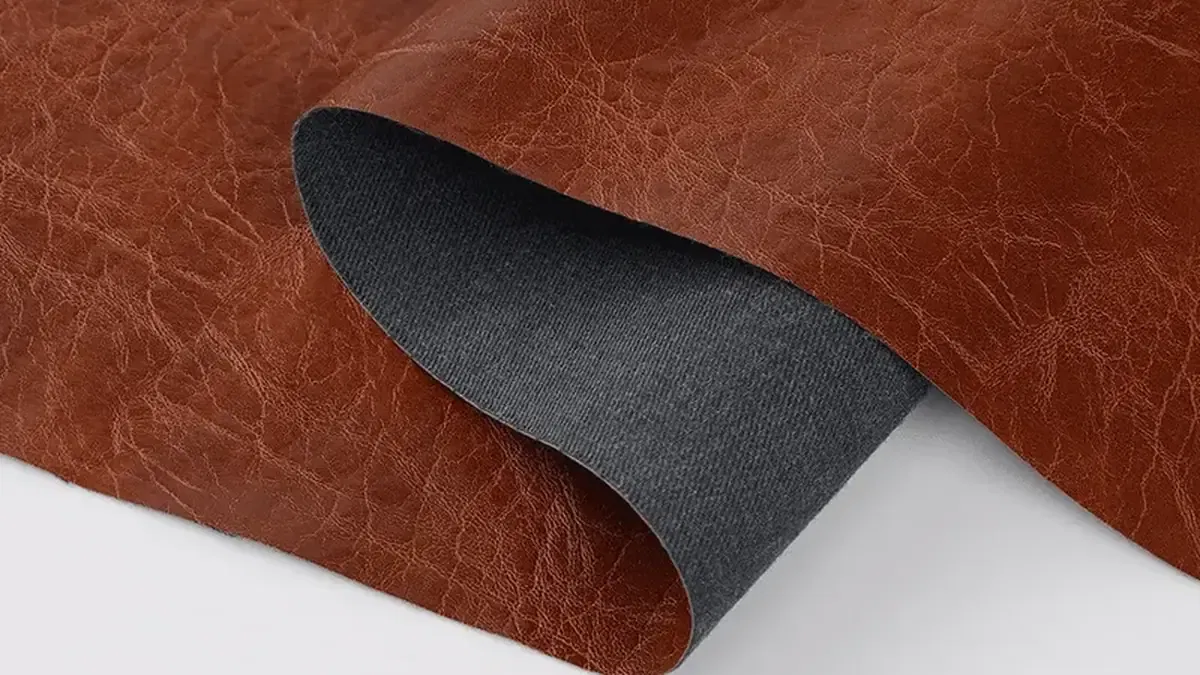
| PVC film | Qualified | ≤450 | Choose by film colour and actual use |
| PVC gloves | All three worth considering | ≤450 / ≤230 / ≤150 | Set by the customer's requirements on colour, quality and cost |
Cable sheaths and black goods
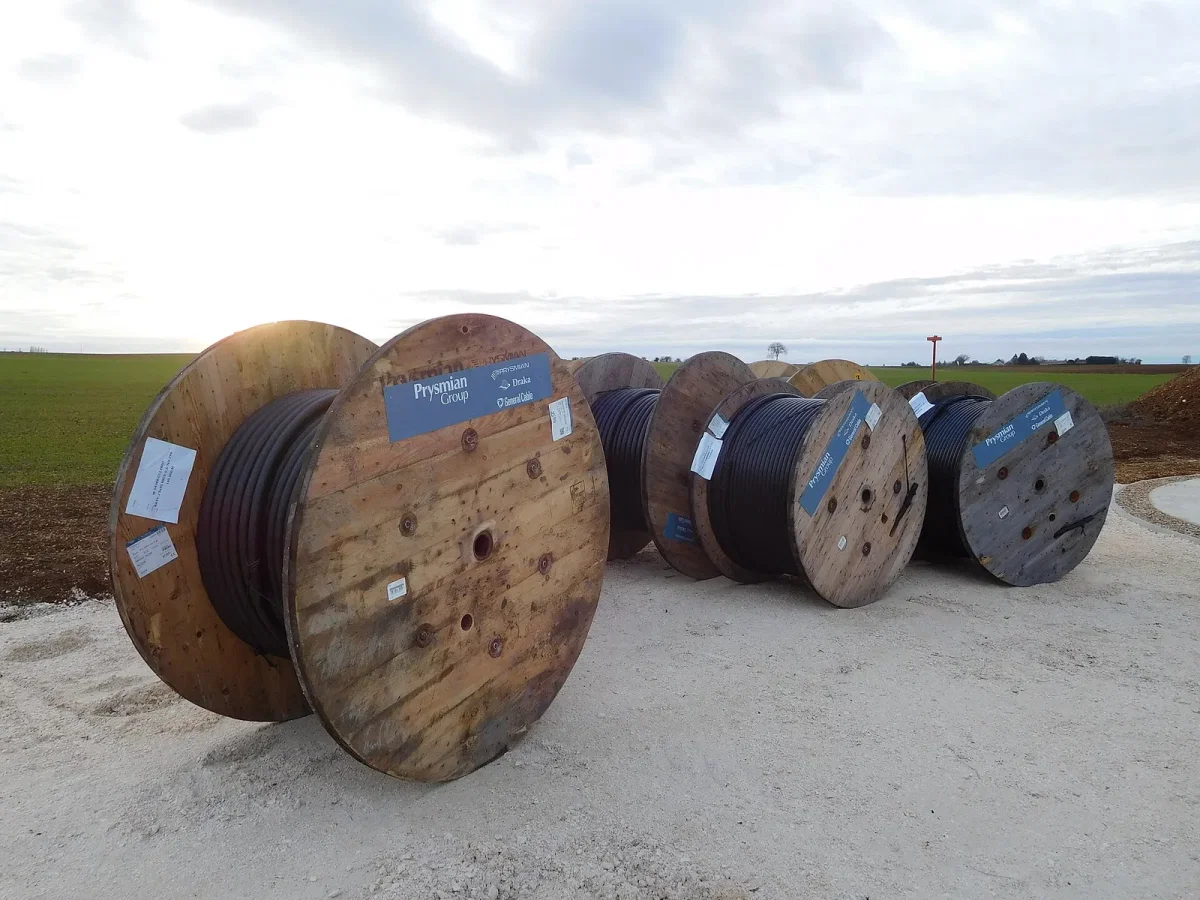
For black cable jackets and sheaths, dark moulded parts and similar products without an extra resistivity requirement, the qualified grade is normally the right choice.
The final colour of these parts comes mainly from the pigment; the plasticizer's own colour has little effect on appearance. There is no reason to pay for a lower APHA ceiling for its own sake.
But where the cable compound or another insulation product carries a defined volume resistivity requirement, the electrical requirement governs. The part being black does not remove that parameter.
Transparent parts and appearance-critical products
String-light skins, transparent lighting plastics and other pale PVC parts are more sensitive to the plasticizer's colour.
Because the plasticizer's own colour can show through the part, first-grade or superior is the safer choice; where transparency and colour carry the highest requirements, choose superior and its lower APHA ceiling.
PVC film
Grade selection for PVC film follows the film's colour, thickness, processing route and end use.
For dark films or products with no requirement on raw-material colour, the qualified grade normally meets the need; where transparency or a pale appearance matters, consider first-grade or superior.
PVC gloves
PVC gloves can run on the qualified grade, or on first-grade or superior when the customer requires it.
Ester content, acid value, flash point, moisture and density are the same across the three grades; the differences are colour and volume resistivity. If the customer accepts the qualified band's colour range and the formulation carries no higher resistivity requirement, the qualified grade is a valid purchase.
Where the customer sets stricter requirements on glove appearance and colour, choose first-grade or superior. The customer's acceptance criteria and actual production test results decide.

Where the product matches none of the applications above, work down this order:
- First confirm whether a volume resistivity requirement applies.
- Then confirm the colour and transparency requirements of the finished product.
- Finally settle the grade against purchase cost.
Step three: what the purchase order should state
When buying DOTP, do not write only “superior”, “first-grade” or “qualified” on the order. Put the actual specification values into the purchase contract or order, so both sides read the same grade.
Make sure the order covers the following:
1. State the grade and the colour ceiling
For example:
Qualified DOTP, colour ≤450 APHA.
Orders for superior or first-grade should likewise state the matching APHA ceiling.
2. State the volume resistivity requirement
Where the product has an electrical requirement, state it on the order:
Volume resistivity ≥2×10¹² Ω·cm.
Note in particular that the qualified grade is specified at ≥2×10¹¹ Ω·cm and cannot be accepted against the superior or first-grade value.
3. State the other base specification rows
List the following parameters in the purchase documents as well:
- Ester content: ≥98%
- Acid value: ≤0.035 mg KOH/g
- Flash point: ≥210°C
- Moisture: ≤0.1%
- Density: 0.980–0.985 g/cm³ (20°C)
- CAS: 6422-86-2
4. Set the sample and acceptance criteria
Before a volume order, ask the supplier for samples for trial blends and production tests. Once a sample is approved, the approved sample and its specification values become the acceptance basis.
This cuts the risk of colour deviations or off-spec values after bulk arrival.
Step four: check the batch test report on arrival
Arrival inspection cannot rest on appearance alone; ask for the COA (certificate of analysis) for every batch.
Check the following:
Colour result
Compare the APHA value measured on the COA with the ceiling agreed in the purchase contract. For a qualified-grade order, the colour must meet ≤450 APHA.
Volume resistivity result
Where the order carries a resistivity requirement, check the measured value in the report against the contractual floor.
Base specification rows
Check ester content, acid value, flash point, moisture and density against the purchase specification as well.
Batch and sample records
Keep each batch's COA, the approved-sample records and the purchase information on file for quality traceability. If colour or performance differs between batches, the data is there to compare.
Product colour is a first visual check only; final acceptance follows the contractual specification values and the test results.
Frequently asked questions
Can the qualified grade of DOTP be used for PVC gloves?
Yes. The qualified grade carries the same ester content, acid value, flash point, moisture and density as the other two grades. Provided the customer accepts its colour range and the formulation has no higher resistivity requirement, it is a valid option. For stricter colour requirements, first-grade or superior is available.
What is the difference between first-grade and superior DOTP?
The main difference is colour: superior is ≤150 APHA and first-grade is ≤230 APHA. Ester content, acid value, flash point, moisture, density and volume resistivity requirements are the same.
How does the qualified grade differ from superior?
Two rows:
- Colour: superior ≤150 APHA, qualified ≤450 APHA.
- Volume resistivity: superior ≥2×10¹² Ω·cm, qualified ≥2×10¹¹ Ω·cm.
The other six specification rows are identical.
Which grade should a black cable sheath compound use?
Without an extra resistivity requirement, the qualified grade is normally the choice. A black sheath takes its colour from carbon black, so the plasticizer's own colour hardly affects the appearance. Where the product carries defined electrical requirements, choose superior or first-grade as the specification demands.
Which grade for PVC products with a resistivity requirement?
Start with superior or first-grade; both specify volume resistivity of ≥2×10¹² Ω·cm. The qualified grade is specified at ≥2×10¹¹ Ω·cm. Confirm it meets the product's actual technical standard before ordering.
Does a darker DOTP colour mean weaker plasticizing performance?
Colour alone does not indicate plasticizing performance. Colour reflects the liquid's own tint, not the plasticizing effect; judge performance on ester content, acid value and the results of actual formulation and processing tests.
Colour and volume resistivity are separate items: the qualified grade's resistivity requirement is lower, and that electrical difference must not be ignored.
What colour does each DOTP grade arrive in?
Superior usually arrives as a transparent, near-colourless liquid; first-grade as a transparent pale yellow; the qualified grade is relatively deeper, usually yellow.
Actual colour varies by batch, so rely on the COA test results: the APHA ceilings for superior, first-grade and qualified are ≤150, ≤230 and ≤450 respectively.
There is no need to chase the highest grade on principle. Match the grade to the application, the customer's standard, the key specification values and the actual cost, and control quality through sample testing and batch COAs.
Ready to compare all three DOTP grades on your own line?
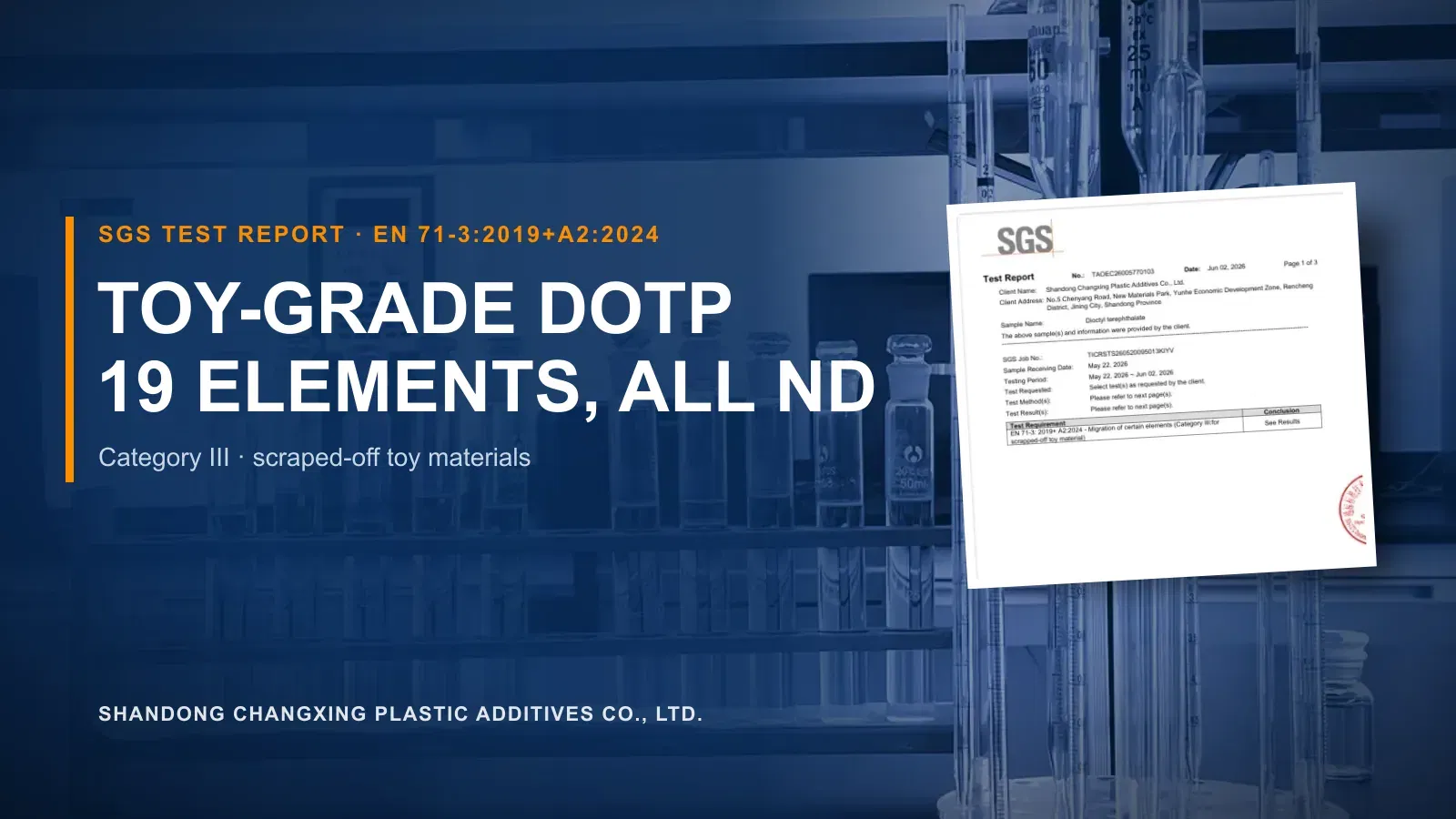
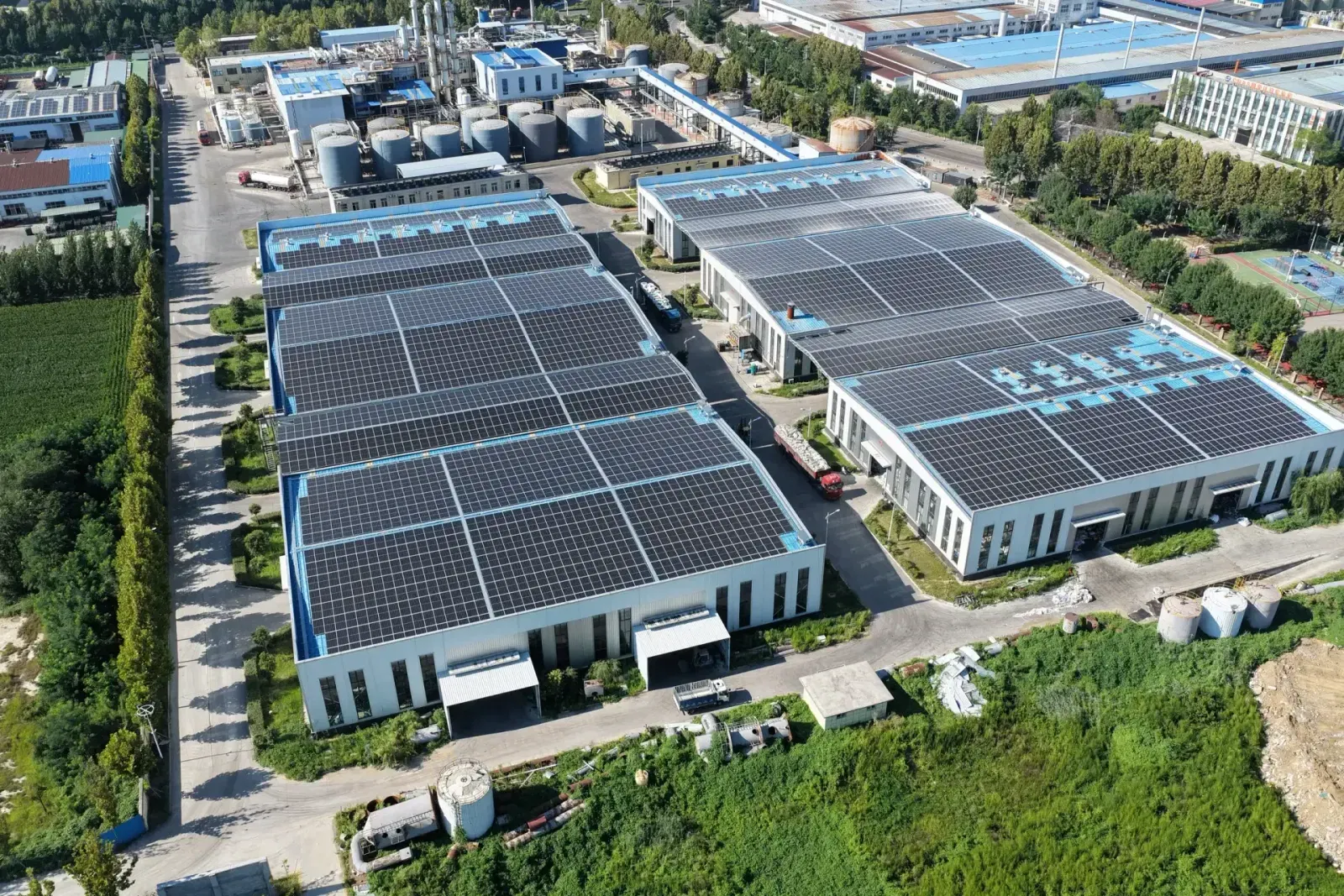
Shandong Changxing Plastic Additives Co., Ltd. supplies DOTP in three grades and holds ISO 9001 / 14001 / 45001 / 50001 certification. Group plasticizer capacity is 230,000 tonnes a year once fully built out. Ask for a sample of each band, run them on the same compound, then read the three batch COAs together.
Request samples and batch COAs- ✓ Superior ≤150 APHA, first-grade ≤230 APHA, qualified ≤450 APHA; CAS 6422-86-2, HS 2917399090
- ✓ Volume resistivity: ≥2×10¹² Ω·cm on superior and first-grade, ≥2×10¹¹ Ω·cm on qualified
- ✓ ISO 9001 / 14001 / 45001 / 50001 certified, 230,000 tonnes annual capacity when fully built out
- ✓ SGS reports on file: phthalates not detected, EN 71-3 soluble element migration, PFAS total fluorine