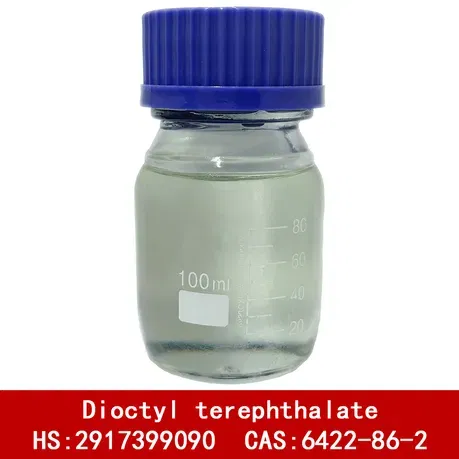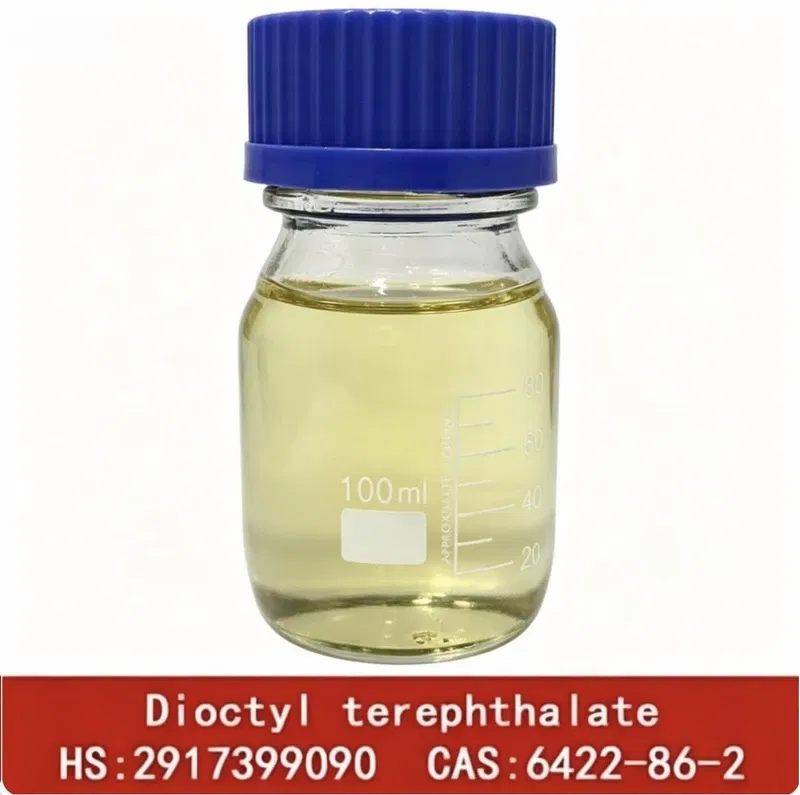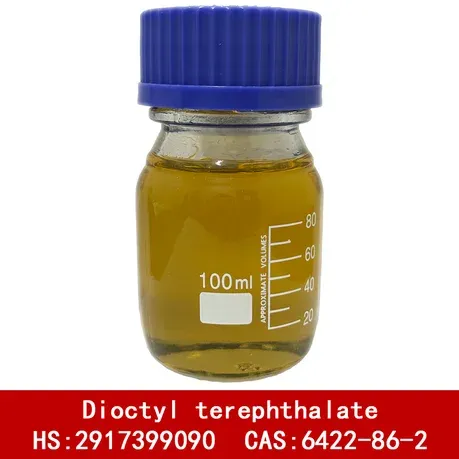

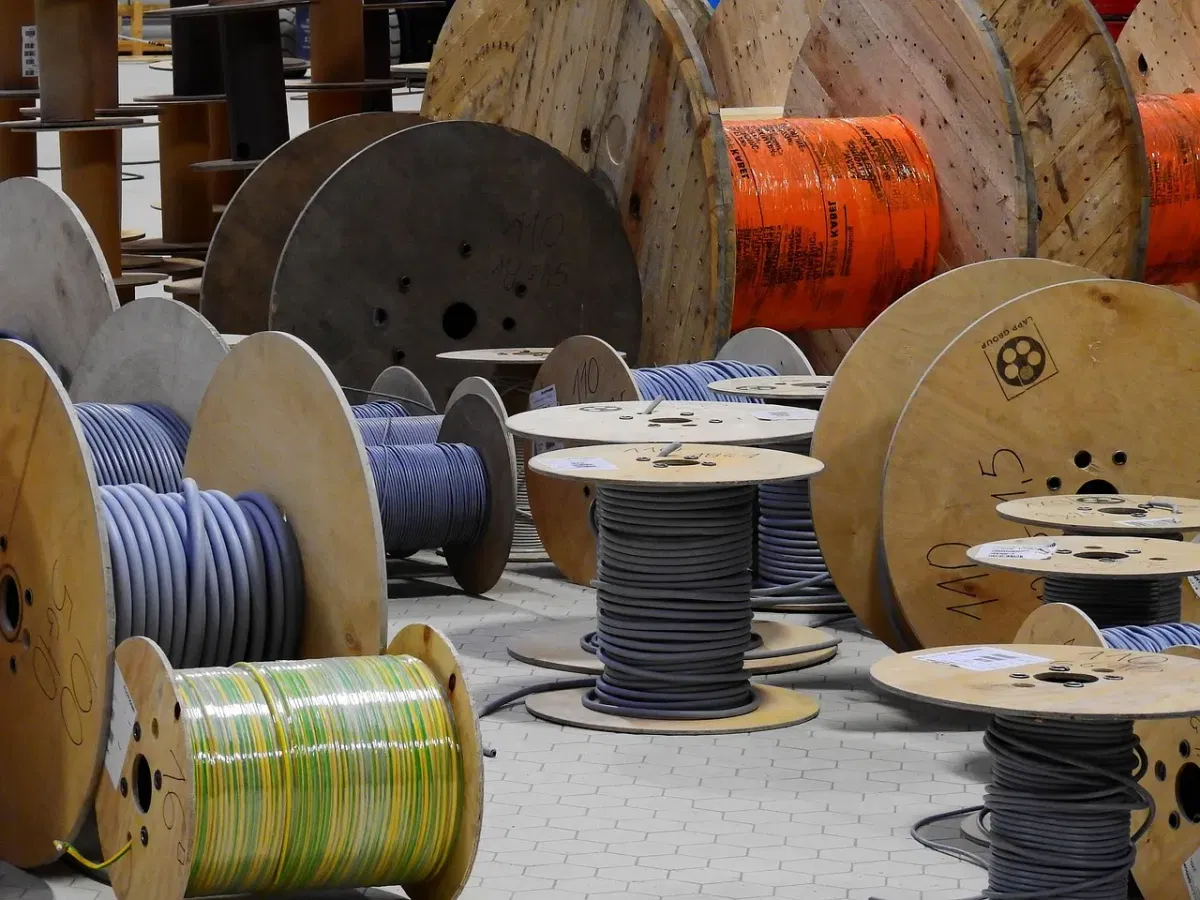
DOTP is one of the standard plasticizers in PVC cable compounds. Price is only the first filter. The grade you buy also has to fit what that layer does (insulation or sheath) and whether the finished part has to be transparent, pale or plain black.
Short answer: insulation usually starts at superior or first-grade. Both specify a volume resistivity of ≥2×10¹² Ω·cm, so the choice between them is about colour, not electrical performance. A regular black sheath usually takes qualified DOTP: ≤450 APHA and ≥2×10¹¹ Ω·cm. Pale or colour-critical sheaths move one grade up.
Shandong Changxing supplies DOTP in three grades: superior, first-grade and qualified. They differ in colour (APHA) and volume resistivity; every other base row is the same. This article walks through those two rows, the insulation and sheath decisions they drive, and what to write on the purchase order. Compounding and processing detail sits in DOTP in PVC Wire and Cable.
What separates the three DOTP grades?
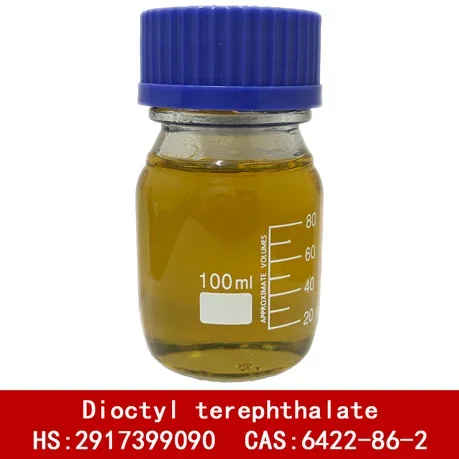
All three are DOTP (dioctyl terephthalate), CAS 6422-86-2. The base rows are identical across the series; only two rows move.
| Test item | Superior | First-grade | Qualified |
|---|---|---|---|
| Colour (APHA) | ≤150 | ≤230 | ≤450 |
| Volume resistivity (Ω·cm) | ≥2×10¹² | ≥2×10¹² | ≥2×10¹¹ |
| Ester content (%) | ≥98 | ≥98 | ≥98 |
| Acid value (mg KOH/g) | ≤0.035 | ≤0.035 | ≤0.035 |
| Flash point (°C) | ≥210 | ≥210 | ≥210 |
| Moisture (%) | ≤0.1 | ≤0.1 | ≤0.1 |
| Density (20°C, g/cm³) | 0.980–0.985 | 0.980–0.985 | 0.980–0.985 |
The rows above are delivery target specifications, not single-batch measured values. APHA is the platinum-cobalt (Hazen) colour scale. CAS 6422-86-2 applies to all three grades.
Read the two moving rows separately:
- Superior: the lowest colour ceiling at ≤150 APHA, and the clearest liquid of the three. It suits transparent light strings, transparent PVC parts and any product where the plasticizer's own tint would show.
- First-grade: same volume resistivity as superior (≥2×10¹² Ω·cm), colour ceiling ≤230 APHA. It suits PVC cable compounds with no transparency requirement and looser colour standards.
- Qualified: both rows relaxed: ≤450 APHA and ≥2×10¹¹ Ω·cm. It suits cable sheaths and other parts that do not push either row hard.
One point worth stating plainly: superior and first-grade share the same resistivity row. The step between them is colour only, so first-grade is not the electrically weaker option. The wider step sits between first-grade and qualified, where both the colour ceiling and the resistivity floor move.
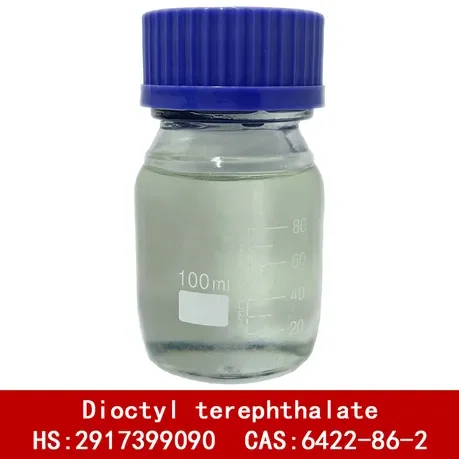
Superior
≤150 APHA, ≥2×10¹² Ω·cm
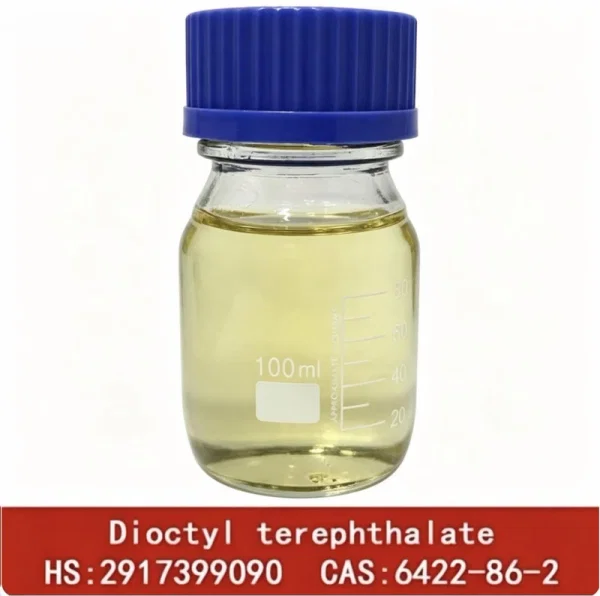
First-grade
≤230 APHA, ≥2×10¹² Ω·cm
Qualified
≤450 APHA, ≥2×10¹¹ Ω·cm
Which DOTP grade for PVC cable insulation?
The insulation layer is the dielectric barrier. It carries the electric field, so volume resistivity is the first row to check, and the grade should come from the top two bands.
Transparent or colour-critical parts: superior
Transparent light strings, transparent PVC compounds and pale or thin insulation all let the plasticizer's own colour show through. Superior DOTP caps colour at ≤150 APHA, the lowest of the three, and is the safer starting point when the finished part has to look clean.
No transparency requirement: first-grade
For ordinary black or dark insulation, or where the customer's acceptance does not read appearance, first-grade DOTP is the practical choice. Its colour ceiling is ≤230 APHA, and its volume resistivity row is the same ≥2×10¹² Ω·cm as superior, so it sits in the same electrical band.
In short, the insulation decision between the two top grades comes down to the colour and appearance the finished compound has to meet, not a difference in resistivity.
Which DOTP grade for the cable sheath?
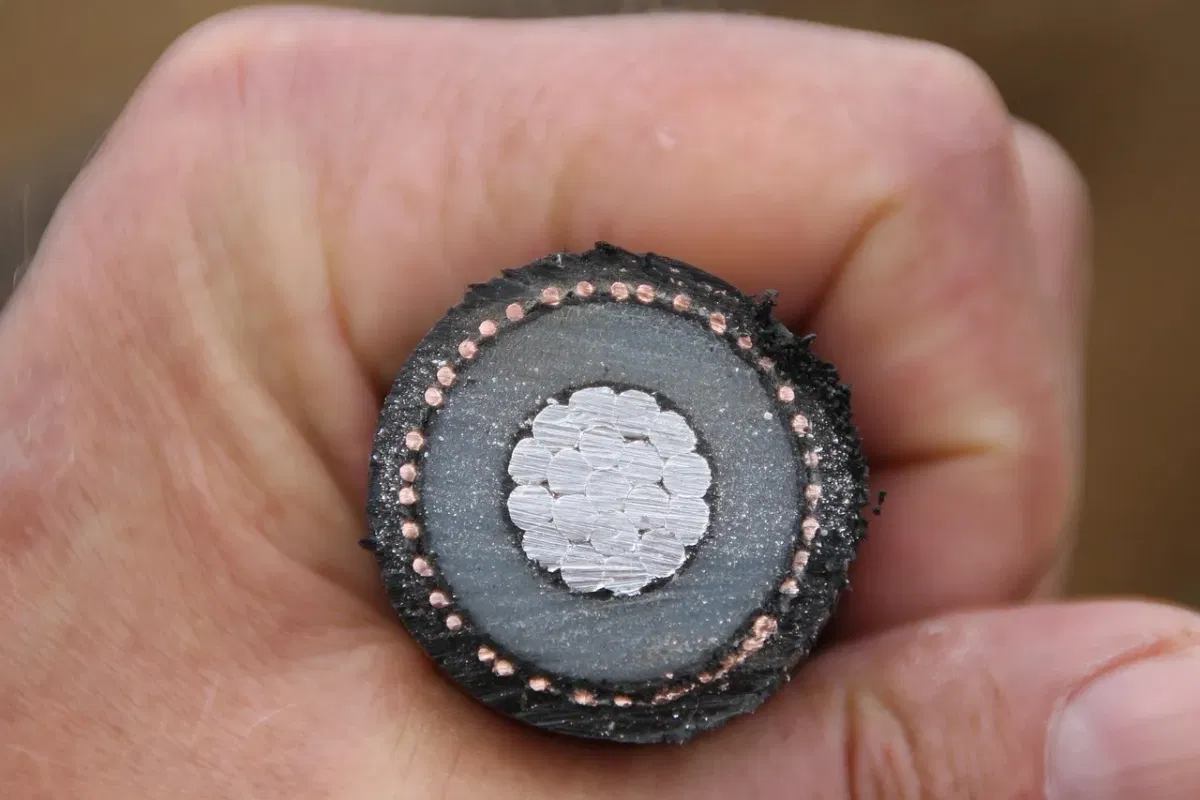
The sheath is the outer layer. It takes abrasion, weather, moisture and handling damage, and it protects the insulation without acting as the main dielectric barrier. For a regular black sheath, qualified DOTP is the usual fit: ≤450 APHA and ≥2×10¹¹ Ω·cm.
Black compounds get their colour from carbon black, which hides the plasticizer's tint almost completely, so the wider colour ceiling costs nothing visible. The lower resistivity floor matches a layer that is not the main insulation. When the sheath does not need a tighter band, there is usually no reason to pay for one.
Two cases pull the sheath back up a grade. White, light-grey or otherwise colour-critical sheaths may need first-grade or superior to hold the appearance. And where the product standard or the customer's specification sets a resistivity requirement for the sheath compound, or the finished cable test needs the sheath to cooperate, the document decides, not the application.
Keep the word "usually" in that sentence. Qualified DOTP is the regular sheath choice, not the only valid one.
What to check when buying DOTP
Once the grade is set, three things decide whether the delivery matches the decision.
1. Do not buy on the grade name alone
Suppliers label grades differently. "Qualified" can mean a different acceptance band at another supplier, so confirm the actual APHA ceiling and volume resistivity floor rather than trusting the word on the drum.
2. Ask for the batch COA
Request the batch certificate of analysis and check colour, volume resistivity, ester content, acid value and moisture against the specification. Colour and resistivity are the two rows that separate the grades; the rest confirm that the batch is the same molecule you qualified.
3. Trial the grade in your own compound
DOTP is one ingredient. Final insulation resistance, colour and processing behaviour still depend on resin, filler, stabilizer, lubricant and the production process. Before a bulk order, and whenever you change supplier or grade, run a small batch and confirm it meets your own requirements. The wire and cable application guide covers the compounding side.
DOTP grade selection for PVC cable compounds
| Application | Recommended grade | Main consideration |
|---|---|---|
| Transparent light strings, transparent PVC parts | Superior | Lowest colour, clearest appearance |
| Colour-critical PVC insulation | Superior | Tighter colour requirement |
| Ordinary PVC cable insulation | First-grade | Same volume resistivity as superior, wider colour band |
| Regular black PVC cable sheath | Qualified | Meets the usual sheath requirement at the lowest cost |
| White or pale PVC sheath | First-grade or superior | Plasticizer tint becomes visible |
Bottom line
A PVC cable compound does not need the same DOTP grade everywhere. Transparent or pale parts start at superior, ordinary insulation at first-grade, and a regular black sheath at qualified. Match the grade to the part, then confirm it against the customer standard and your own trial.
Frequently asked questions
Do the three DOTP grades differ only in colour and volume resistivity?
Yes. Ester content ≥98%, acid value ≤0.035 mg KOH/g, flash point ≥210°C, moisture ≤0.1% and density 0.980–0.985 g/cm³ at 20°C are identical across all three. Superior and first-grade differ only in colour (≤150 vs ≤230 APHA); qualified moves both colour (≤450 APHA) and volume resistivity (≥2×10¹¹ Ω·cm).
Is first-grade DOTP electrically weaker than superior for insulation?
No. Both specify volume resistivity of ≥2×10¹² Ω·cm. The difference is the colour ceiling: ≤230 APHA against ≤150 APHA. On insulation the choice between them is an appearance decision, not an electrical one.
Why do regular black sheaths usually use qualified DOTP?
Carbon black hides the plasticizer's tint, so a ≤450 APHA ceiling costs nothing visible, and the sheath is not the main dielectric barrier, so ≥2×10¹¹ Ω·cm is normally sufficient. The wider acceptance band also makes it the lowest-cost of the three.
What grade does a white or light-grey sheath need?
Once the sheath is pale, the plasticizer's own tint can show, and the qualified band's ≤450 APHA ceiling may be too wide for the appearance requirement. Move to first-grade or superior, then confirm against the customer's colour standard.
Which figures should a DOTP purchase order state?
State the grade, the APHA ceiling and the volume resistivity floor, then the shared base rows: ester content ≥98%, acid value ≤0.035 mg KOH/g, flash point ≥210°C, moisture ≤0.1%, density 0.980–0.985 g/cm³ at 20°C, and CAS 6422-86-2. A grade name alone leaves both sides free to read a different band.
Two grades for one cable?
Shandong Changxing Plastic Additives Co., Ltd. supplies DOTP in superior, first-grade and qualified, and holds ISO 9001 / 14001 / 45001 / 50001 certification. Group plasticizer capacity reaches 230,000 tonnes a year once the build-out is complete. Send us the insulation and sheath specifications and we will quote each layer against the APHA ceiling and resistivity floor you actually accept.
Request a quote and batch COA- ✓ Superior ≤150 APHA and first-grade ≤230 APHA, both ≥2×10¹² Ω·cm
- ✓ Qualified ≤450 APHA, ≥2×10¹¹ Ω·cm, the usual sheath grade
- ✓ CAS 6422-86-2, HS 2917399090; ISO 9001 / 14001 / 45001 / 50001 certified
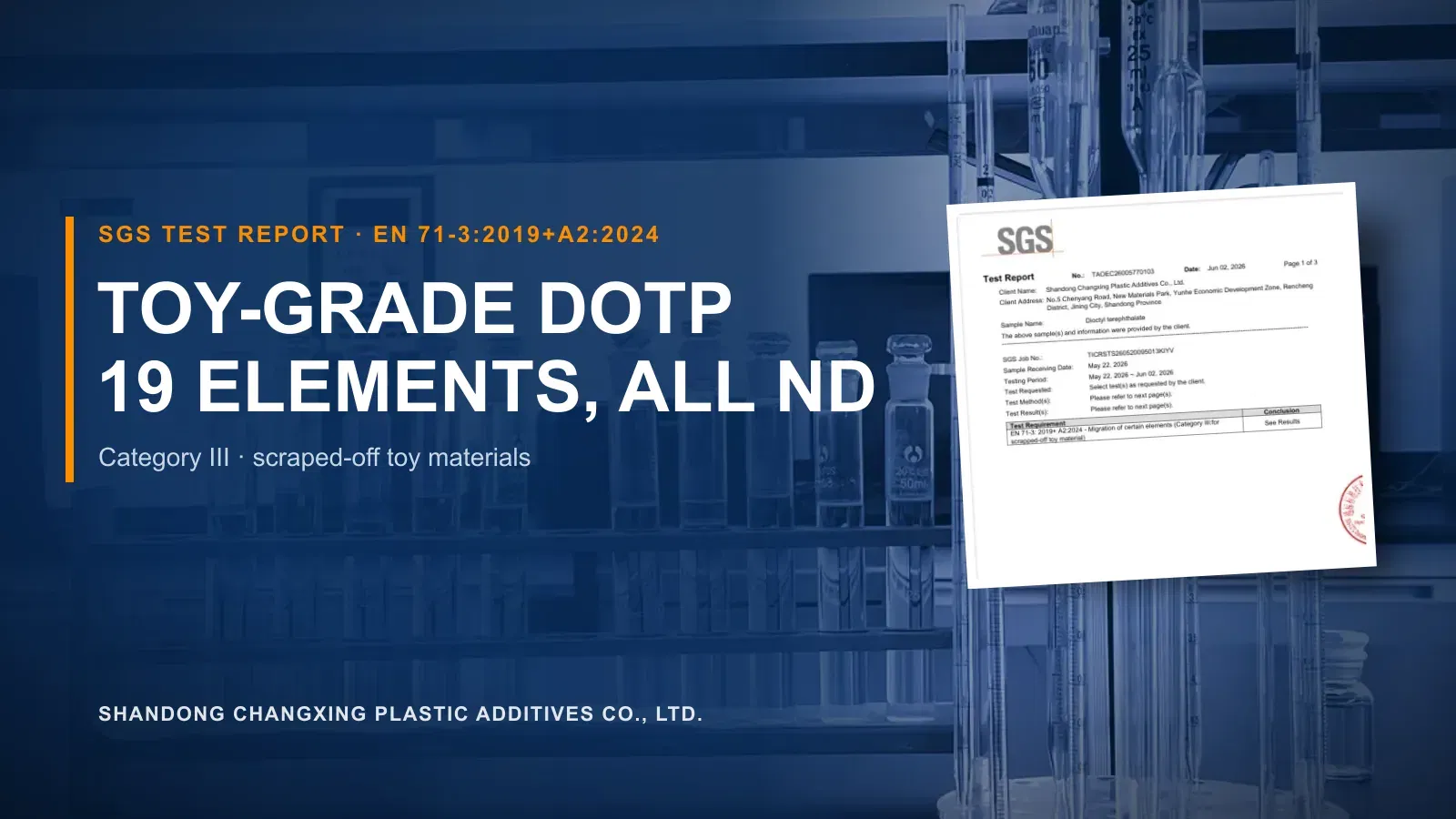
- ✓ SGS reports on file: phthalates not detected, EN 71-3 element migration, PFAS total fluorine screening