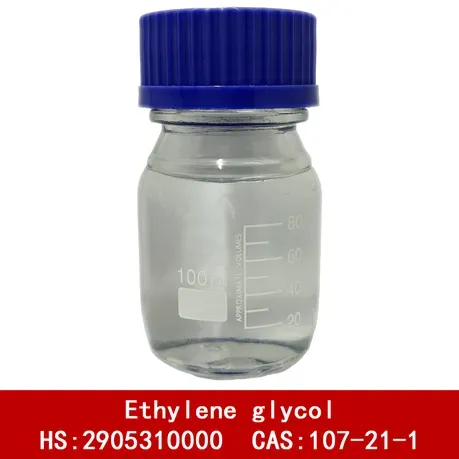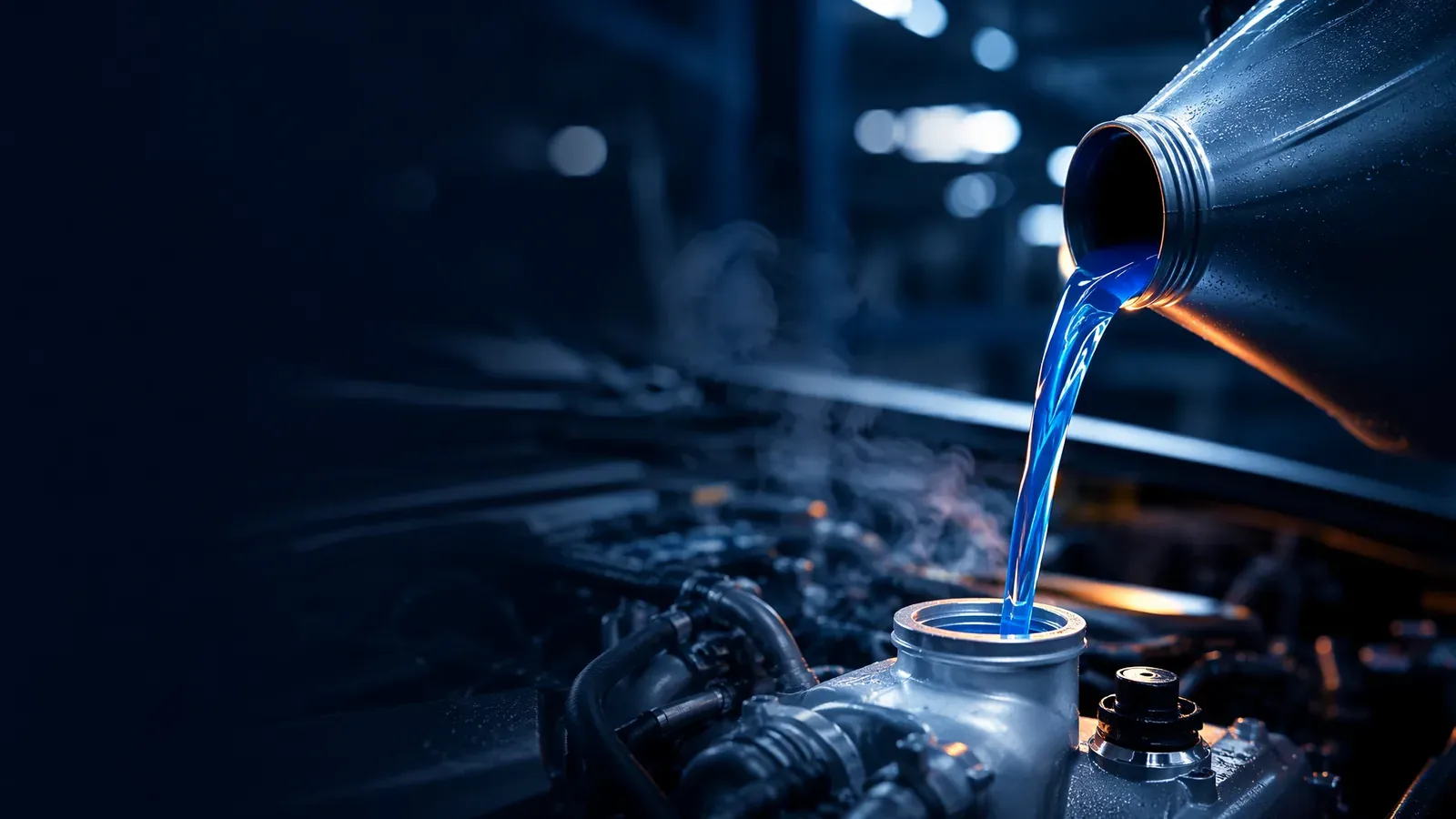

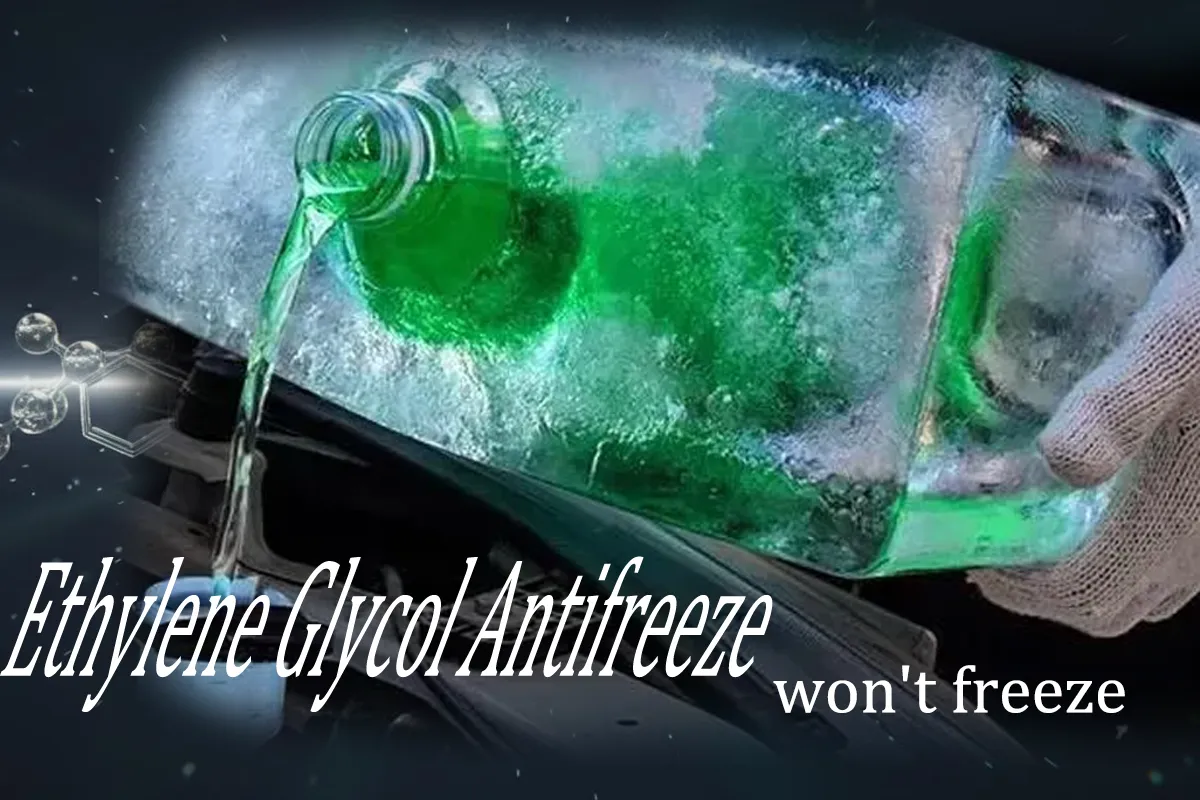
Ethylene glycol antifreeze is the backbone of modern engine cooling systems and industrial heat transfer applications worldwide. As the primary base fluid in over 90% of water-based antifreeze formulations, MEG (Monoethylene Glycol, CAS 107-21-1) delivers unmatched freeze point depression and boiling point elevation — the two thermodynamic properties that keep engines running in sub-zero winters and prevent boil-over in scorching summers. For coolant manufacturers seeking a reliable premium MEG (Monoethylene Glycol) supply, understanding the chemistry and formulation science behind ethylene glycol antifreeze is essential.
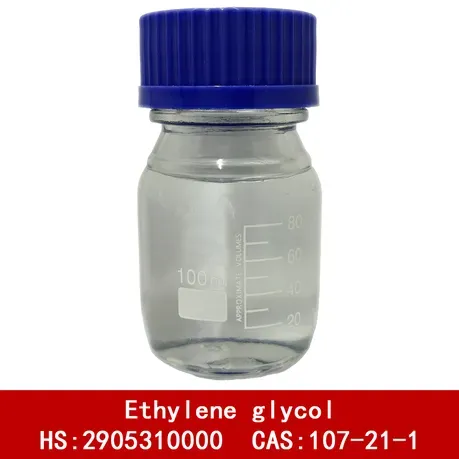
How Ethylene Glycol Works as Antifreeze
The antifreeze performance of ethylene glycol is governed by colligative properties — physical phenomena that occur when a solute dissolves in a solvent. When MEG is mixed with water, it disrupts the formation of hydrogen bonds between water molecules, lowering the freezing point and raising the boiling point of the solution.
This dual action is critical for engine protection:
- Freeze point depression: A 50% MEG / 50% water solution freezes at approximately −37 °C (−34 °F), far below the freezing point of pure water (0 °C).
- Boiling point elevation: The same 50% solution boils at approximately 108 °C (226 °F) at atmospheric pressure, compared to 100 °C for pure water. Under the pressurized conditions of a typical automotive cooling system (15 psi radiator cap), the boiling point rises to approximately 129 °C (265 °F).
- Heat transfer efficiency: MEG aqueous solutions have a specific heat capacity of approximately 3.5 kJ/(kg·°C) at 50% concentration — sufficient to absorb and dissipate the enormous thermal loads generated by internal combustion engines.
These properties make ethylene glycol antifreeze indispensable for both automotive and industrial cooling applications, as explored in our comprehensive guide to the uses of MEG in modern industry.
Ethylene Glycol Antifreeze Concentration Guide
The concentration of MEG in the coolant directly determines the freeze and boil protection range. Coolant manufacturers must select the appropriate ratio based on the target climate and operating conditions.
| MEG Concentration | Freeze Point | Boiling Point (1 atm) | Typical Application |
|---|---|---|---|
| 30% | −15 °C (5 °F) | 103 °C (217 °F) | Mild climate, light-duty |
| 50% | −37 °C (−34 °F) | 108 °C (226 °F) | Standard automotive (most common) |
| 58% | −48 °C (−54 °F) | 110 °C (230 °F) | Arctic/extreme cold |
| 60% | −48 °C (−54 °F) | 111 °C (232 °F) | Heavy-duty diesel, industrial |
Note: Beyond 60% MEG concentration, the freeze point actually rises because the solution begins to behave more like pure glycol. The optimal range for most applications is 45–60%.
MEG for Antifreeze Production: Automotive Formulations
Passenger Car Antifreeze (ASTM D3306)
Passenger car light-duty (PCLD) antifreeze must meet ASTM D3306 specifications, which define requirements for freezing point, boiling point, pH, corrosion protection, and foam tendency. A typical formulation contains:
- MEG base fluid: 47–50% by volume (the primary freeze/boil protection agent)
- Deionized water: 47–50% by volume
- Corrosion inhibitors: 2–5% — typically organic acid technology (OAT) such as 2-ethylhexanoic acid, sebacic acid, or tolyltriazole
- Anti-foam agent: ≤0.01% — silicone-based defoamer
- Dye: Trace — for leak detection (green, orange, pink, or blue depending on inhibitor type)
Heavy-Duty Diesel Antifreeze (ASTM D4985)
Heavy-duty diesel engines in trucks, construction equipment, and generators require antifreeze meeting ASTM D4985 with supplemental coolant additives (SCAs). These formulations use higher MEG concentrations (50–60%) and more robust inhibitor packages to protect cast iron cylinder liners from cavitation erosion — a destructive phenomenon where collapsing vapor bubbles pit the liner surface.
EV Thermal Management Coolant
Electric vehicles present a unique cooling challenge: battery packs must be maintained within a narrow 15–35 °C operating window, while power electronics generate significant heat. EV coolants use 50% MEG solutions with low-electrical-conductivity OAT inhibitors (typically <5 μS/cm) to prevent stray current corrosion in the battery cooling circuit. The global EV coolant market is projected to exceed USD 1.2 billion by 2028, driving new demand for high-purity MEG for antifreeze production.
Industrial Coolant Applications
Beyond automotive, ethylene glycol antifreeze serves as the heat transfer fluid in critical industrial systems:
HVAC & Chilled Water Systems
MEG solutions (20–40%) prevent freezing in rooftop chillers, cooling coils, and hydronic piping during winter shutdowns. The low toxicity relative to other glycols and excellent heat transfer make it the preferred choice for commercial HVAC.
Data Center Liquid Cooling
As AI and high-performance computing drive rack densities above 100 kW, direct-to-chip liquid cooling with 25–30% MEG solutions is replacing air cooling. The coolant must be non-conductive, non-corrosive, and stable at 40–65 °C operating temperatures.
Chemical Process Cooling
Reactor jackets, condensers, and heat exchangers in chemical plants use MEG brine at 30–50% concentration for temperature control. Compatibility with stainless steel, copper, and aluminum alloys is essential.
Solar Thermal Systems
Concentrated solar power (CSP) and solar hot water systems use 40–50% MEG as the heat transfer fluid in collector loops, where freeze protection and thermal stability at 200+ °C are required.
For a deeper look at MEG in specialized hydraulic and fire-resistant fluid systems, see our guide to ethylene glycol in HFC hydraulic fluids. For current market pricing and supply trends, visit our MEG price trends 2026 analysis.
Ethylene Glycol vs Propylene Glycol for Antifreeze
While both glycols provide freeze protection, coolant manufacturers must weigh key differences when selecting a base fluid:
| Property | Ethylene Glycol (MEG) | Propylene Glycol (PG) |
|---|---|---|
| CAS Number | 107-21-1 | 57-55-6 |
| Freeze Point (50% solution) | −37 °C | −33 °C |
| Boiling Point (50% solution) | 108 °C | 106 °C |
| Heat Transfer Efficiency | Higher (lower viscosity) | Lower (higher viscosity) |
| Toxicity (oral LD50, rat) | 4,700 mg/kg (manageable with standard PPE) | 20,000 mg/kg (low) |
| Cost (per ton) | Lower | 15–30% higher |
| Primary Use | Automotive & industrial | Food processing, RV, marine |
Key takeaway: Ethylene glycol antifreeze offers superior thermal performance at lower cost, making it the dominant choice for automotive and industrial applications worldwide. Propylene glycol is preferred only where low toxicity is paramount — food processing plants, recreational vehicles, and marine applications where accidental ingestion is a concern. With standard safe-handling practices, MEG delivers the best performance-to-cost ratio for the vast majority of cooling applications.
Quality Requirements for Antifreeze-Grade MEG
Not all MEG is suitable for antifreeze production. Coolant manufacturers must specify antifreeze-grade MEG that meets stringent purity requirements to prevent corrosion, scaling, and inhibitor depletion in the cooling system:
| Parameter | Antifreeze-Grade Spec | Impact if Out of Spec |
|---|---|---|
| MEG Purity | ≥99.5% | Reduced freeze/boil protection |
| Water Content | ≤0.1% | Alters concentration ratio |
| Chloride (Cl⁻) | ≤0.5 ppm | Pitting corrosion of aluminum |
| Iron (Fe) | ≤0.1 ppm | Discoloration, catalyst poisoning |
| Chroma (Pt-Co) | ≤40 | Visual quality, dye interference |
| Initial Boiling Point | ≥185 °C | Volatility loss during service |
Shandong Changxing's MEG consistently meets these specifications, with typical purity ≥99.5%, moisture ≤0.1%, and chroma ≤40 — making it an ideal feedstock for ethylene glycol antifreeze and coolant production.
Corrosion Inhibition Systems for Ethylene Glycol Antifreeze
MEG alone does not protect metals from corrosion. A properly formulated ethylene glycol antifreeze must include a corrosion inhibitor package matched to the metals in the cooling system:
OAT (Organic Acid Technology)
Uses carboxylic acids (2-ethylhexanoate, sebacate) as primary inhibitors. Provides 5-year / 150,000-mile service life. Preferred for modern aluminum-intensive engines.
Color: Orange, red, or pink
HOAT (Hybrid OAT)
Combines OAT carboxylates with silicates or phosphates for faster surface passivation. Provides 5-year / 150,000-mile service life. Common in European and Asian OEMs.
Color: Yellow, turquoise, or blue
IAT (Inorganic Acid Technology)
Traditional silicate-phosphate-borate formula. Requires replacement every 2 years / 30,000 miles. Being phased out due to shorter service life and silicate dropout.
Color: Green
Safe Handling, Regulatory Compliance, and Sustainability
Ethylene glycol antifreeze is one of the most widely used and well-understood chemical products in the world — safely protecting over 1.4 billion vehicles on the road today. Like many essential industrial chemicals, MEG requires proper handling: it is classified under GHS with H302 (Harmful if swallowed) and H373 (May cause damage to organs through prolonged or repeated exposure). When handled according to the SDS with standard industrial hygiene practices — gloves, goggles, and adequate ventilation — MEG-based coolants are safely manufactured and used worldwide.
✅ Proven Safe-Use Track Record
- • Over 70 years of safe use in automotive and industrial cooling systems worldwide
- • Closed cooling systems eliminate operator exposure during normal operation
- • Bitterant additives (denatonium benzoate) in commercial antifreeze deter accidental ingestion
- • Modern OAT/HOAT formulations extend service life to 5+ years, reducing handling frequency
Coolant manufacturers operate within a well-established regulatory framework that ensures safe production, distribution, and end-of-life management:
- EU REACH: MEG is fully registered under REACH (EC 203-473-3). Antifreeze products must provide Safety Data Sheets (SDS) and comply with classification, labeling, and packaging (CLP) regulations — a standard process that all reputable manufacturers follow.
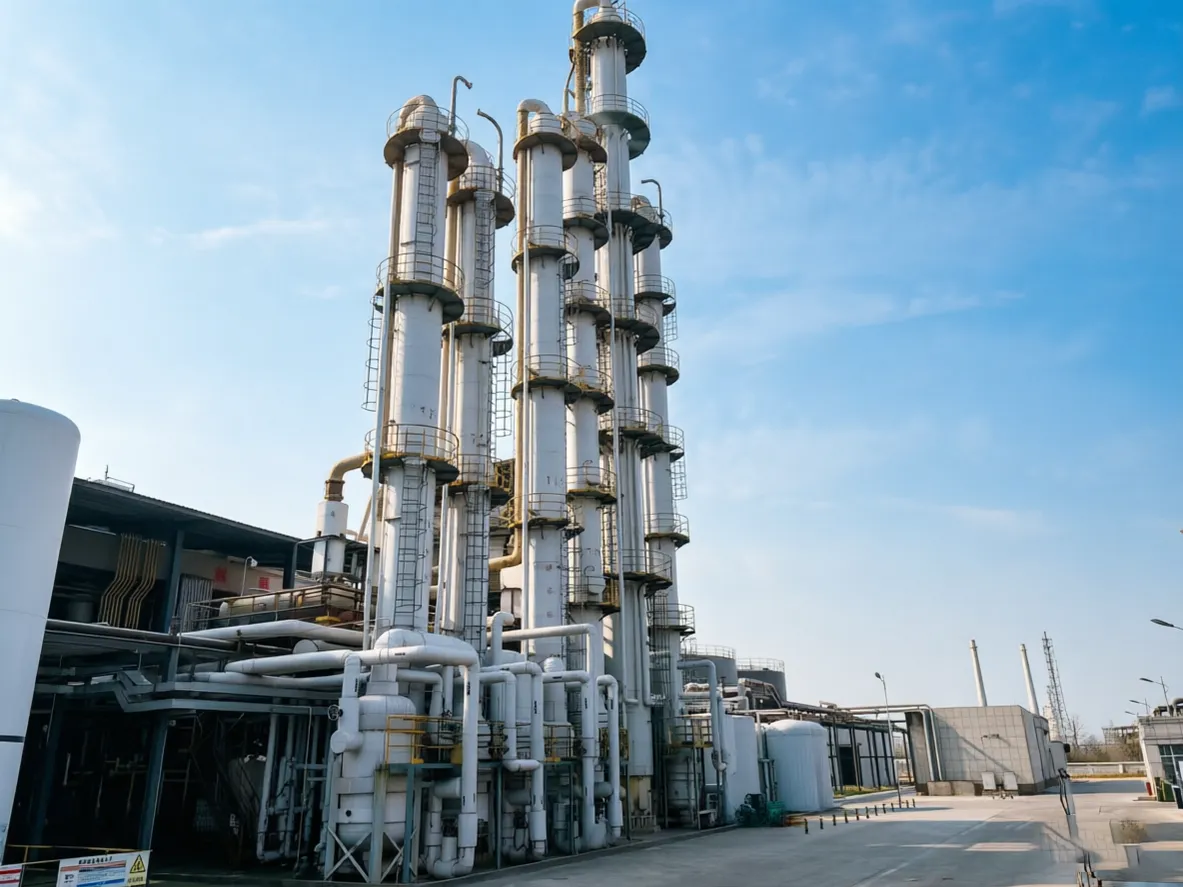
- US EPA: Used antifreeze recycling programs are widely available. Modern vacuum distillation recovers MEG with >99% purity, enabling closed-loop reuse and minimizing environmental impact.
- China GB 29743.1-2022: The new national standard restricts phosphate and nitrite additives in vehicle coolant, promoting low-toxicity, biodegradable formulations — a positive step toward greener antifreeze products.
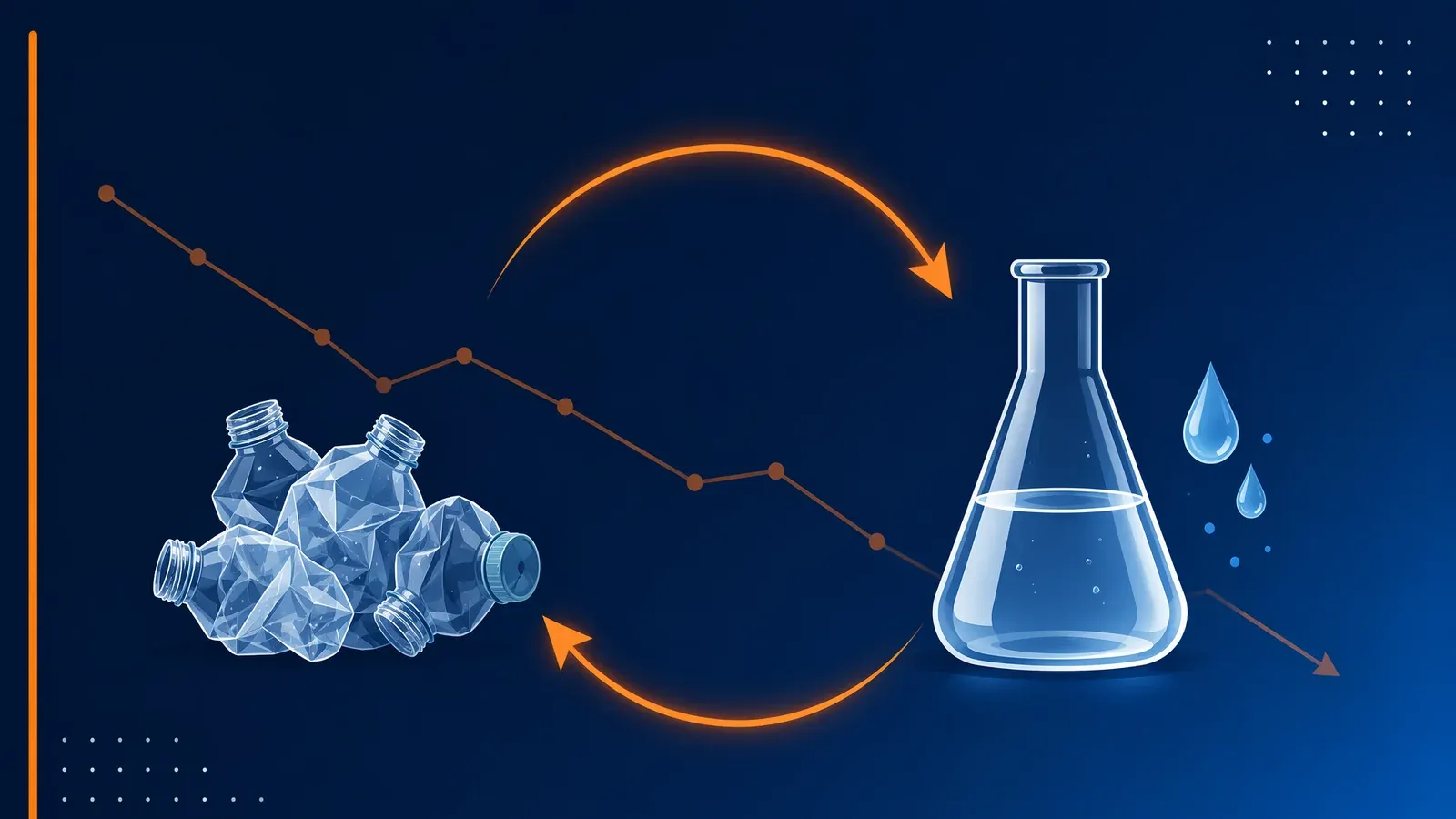
The antifreeze industry has developed robust recycling infrastructure: modern facilities use vacuum distillation to recover MEG from spent coolant with >99% purity, enabling closed-loop reuse — a process aligned with the circular economy principles that also drive our DOTP plasticizer production from recycled PET. This means every ton of MEG can serve multiple cooling-system lifecycles, reducing both waste and raw material demand.
Conclusion
Ethylene glycol antifreeze remains the dominant base fluid for both automotive and industrial cooling systems worldwide — and for good reason. Its superior freeze point depression (−37 °C at 50% concentration), boiling point elevation (108 °C at 1 atm), and heat transfer efficiency make MEG the most cost-effective choice for coolant manufacturers. Key takeaways from this guide:
- Concentration matters: The optimal MEG range is 45–60%; exceeding 60% is counterproductive as the freeze point rises.
- Inhibitor technology defines service life: Modern OAT and HOAT formulations deliver 5+ years of protection, far surpassing traditional IAT coolants.
- Quality is non-negotiable: Antifreeze-grade MEG must meet purity ≥99.5%, chloride ≤0.5 ppm, and chroma ≤40 to prevent corrosion and inhibitor depletion.
- Industrial applications are expanding: From data center liquid cooling to EV battery thermal management, new demand segments are driving growth in high-purity MEG.
For coolant manufacturers seeking a reliable MEG supply partner, Shandong Changxing's antifreeze-grade MEG delivers consistent quality with ISO-certified production and 300,000 tons annual capacity. Explore our related guides on MEG in HFC hydraulic fluids and MEG price trends in 2026 for deeper insights.
Frequently Asked Questions
What concentration of MEG is used in automotive antifreeze?
Automotive antifreeze typically uses 50% MEG by volume (50/50 blend with water), providing freeze protection to approximately −37 °C (−34 °F) and boil-over protection to 108 °C at atmospheric pressure. In extreme cold climates, a 60% MEG concentration can lower the freeze point to approximately −48 °C, though concentrations above 60% are counterproductive as they raise the freeze point.
Why is MEG preferred over propylene glycol for antifreeze applications?
MEG offers superior heat transfer efficiency (higher thermal conductivity), lower viscosity at low temperatures (better cold-start flow), and approximately 20–40% lower cost compared to propylene glycol (PG). PG is reserved for applications where low toxicity is a regulatory requirement, such as food processing plants, breweries, and marine potable water systems.
What are the main types of corrosion inhibitors in MEG-based coolants?
The main inhibitor types are: IAT (Inorganic Acid Technology — silicates, phosphates, borates, 2–3 year service life), OAT (Organic Acid Technology — 2-EHA, sebacate, benzoate, 5+ year service life), HOAT (Hybrid Organic Acid Technology — OAT + silicates or phosphates, 4–5 year service life), and OAT-LC (Low-conductivity OAT for EV battery cooling, 5+ year service life).
What purity of MEG is required for coolant and antifreeze production?
Coolant-grade MEG requires purity ≥99.5%, water content ≤0.1%, chloride ≤0.5 ppm, iron ≤0.1 ppm, and chroma ≤40 (Pt-Co). Chloride above 1.0 ppm can cause pitting corrosion of aluminum components, while iron above 0.5 ppm accelerates inhibitor depletion and sludge formation. Shandong Changxing's MEG consistently meets these specifications.
Can ethylene glycol antifreeze be used in industrial heat transfer systems?
Yes. Industrial heat transfer systems use MEG-water solutions at 20–50% concentration depending on the required freeze protection. Data center liquid cooling systems typically use 20–30% MEG with deionized water. HVAC chilled water systems use 20–40% MEG. Solar thermal systems use 30–50% MEG for year-round freeze protection.
Why Choose Shandong Changxing MEG for Antifreeze Production
When selecting a MEG supplier for antifreeze and coolant manufacturing, consistency, purity, and supply reliability are non-negotiable. Shandong Changxing Plastic Additives Co., Ltd. delivers on all three:
- High-purity MEG: Typical purity ≥99.5%, chroma ≤40, chloride ≤0.5 ppm — meeting antifreeze-grade specifications consistently.
- ISO-certified quality: Four integrated management systems — ISO 9001 (quality), ISO 14001 (environment), ISO 45001 (occupational health), ISO 50001 (energy) — ensure batch-to-batch consistency and regulatory compliance.
- 300,000 tons annual capacity: One of China's largest MEG and plasticizer production bases, capable of serving both regional distributors and global manufacturers with reliable long-term supply contracts.
- National-level recognition: Certified as a national "Little Giant" enterprise and Shandong Gazelle Enterprise, with 31 patents granted and 60+ R&D projects completed.
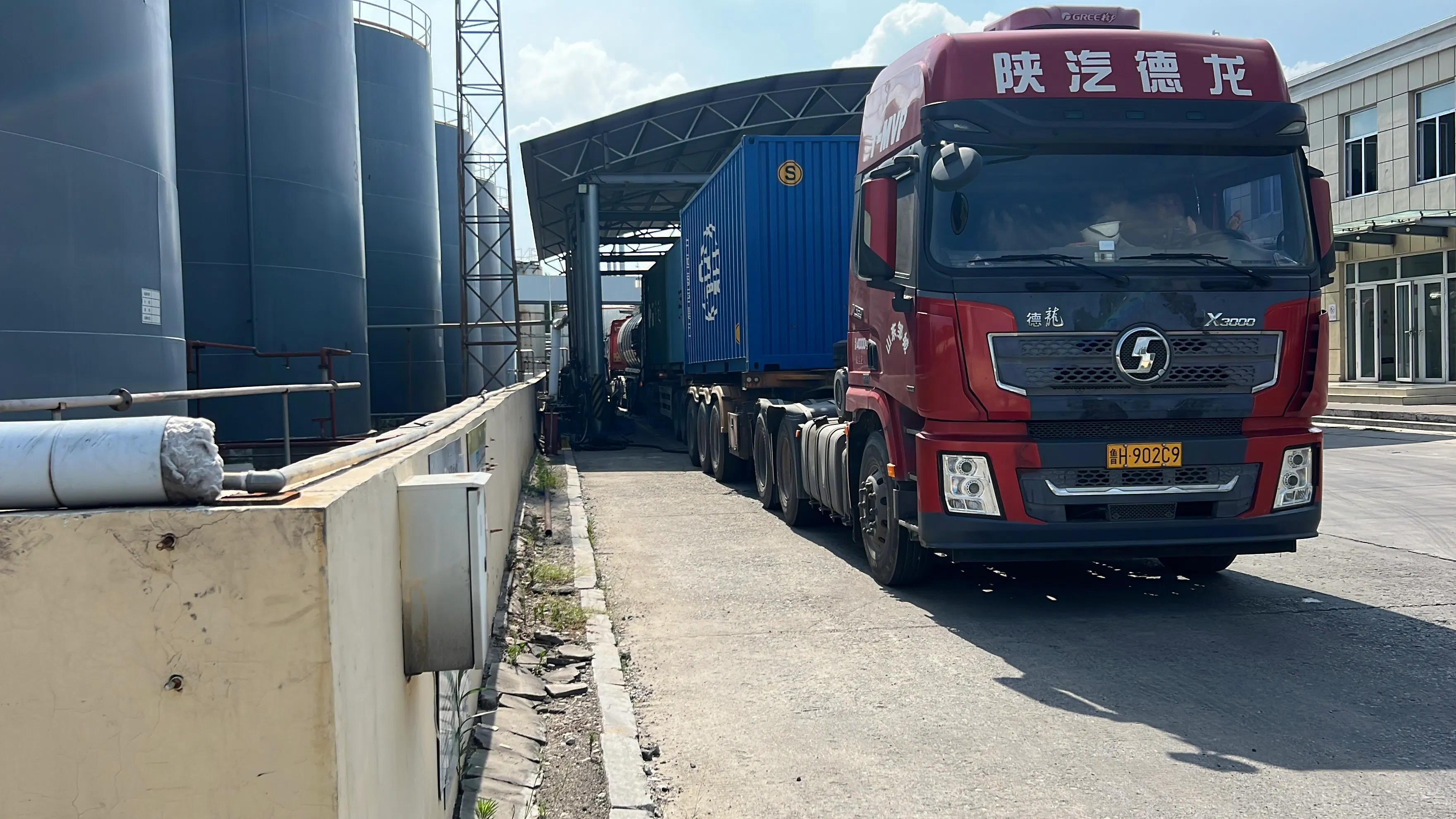
- Flexible packaging: IBC tanks (1,000 kg), flexibags (24 tons/container), ISO tanks (25 tons), and plastic drums (17.6 kg) — tailored to your logistics requirements.
Ready to Source Premium MEG for Antifreeze Production?
Shandong Changxing Plastic Additives Co., Ltd. is an ISO 9001 certified manufacturer with 300,000 tons annual capacity. We supply high-purity MEG, DOTP, and DCP to clients in 30+ countries.
Request a Free Quote- ✓ Antifreeze-grade MEG with ≥99.5% purity
- ✓ ISO 9001/14001/45001/50001 certified
- ✓ Global delivery to 30+ countries
- ✓ Technical support and SDS/COA documentation