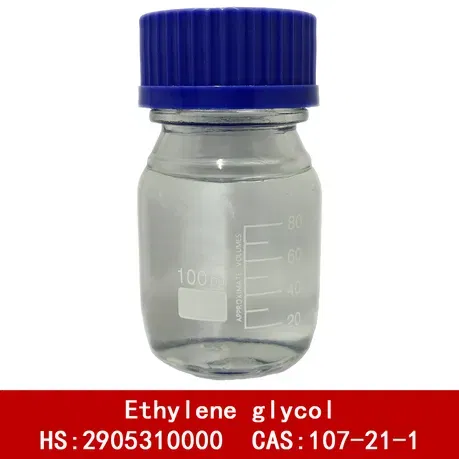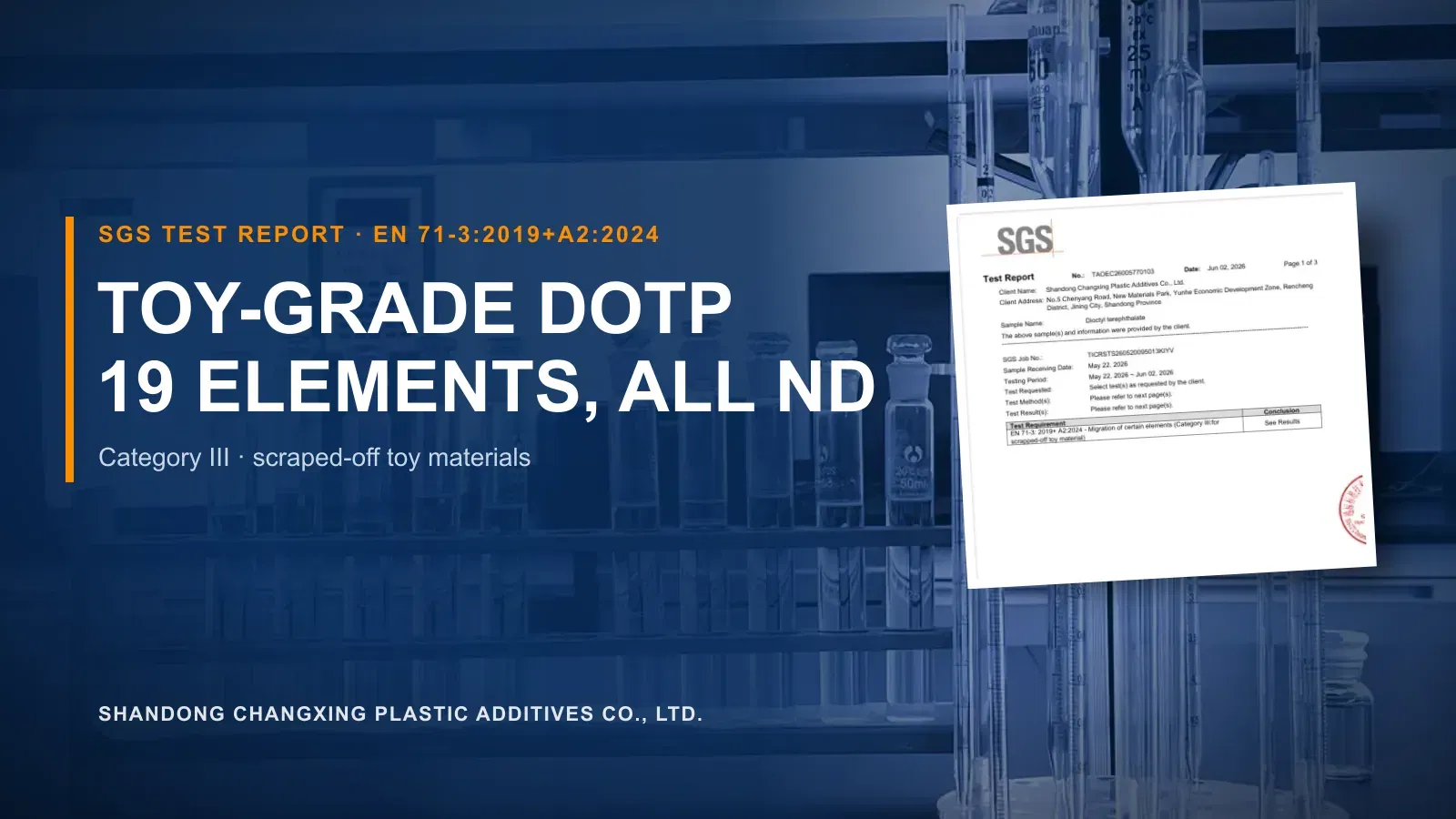

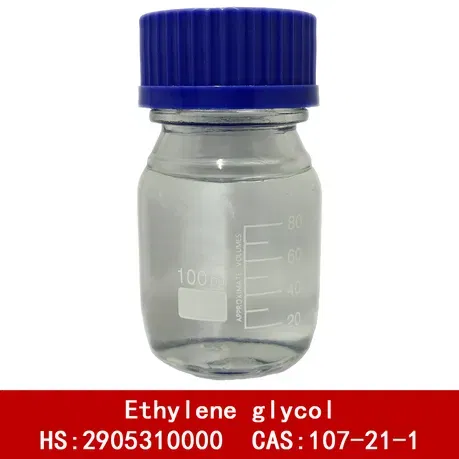
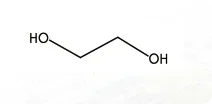
Ethylene Glycol (MEG), with the chemical formula C?H?O?, is one of the most versatile organic chemical raw materials in modern industry. As a leading chemical manufacturer, Shandong Changxing produces high-purity MEG alongside our flagship DOTP plasticizer products. As an important organic chemical raw material, its uses span industrial, consumer, medical, and electronics applications.
Industrial Applications: The Versatile Workhorse
Core Raw Material for Polyester Materials
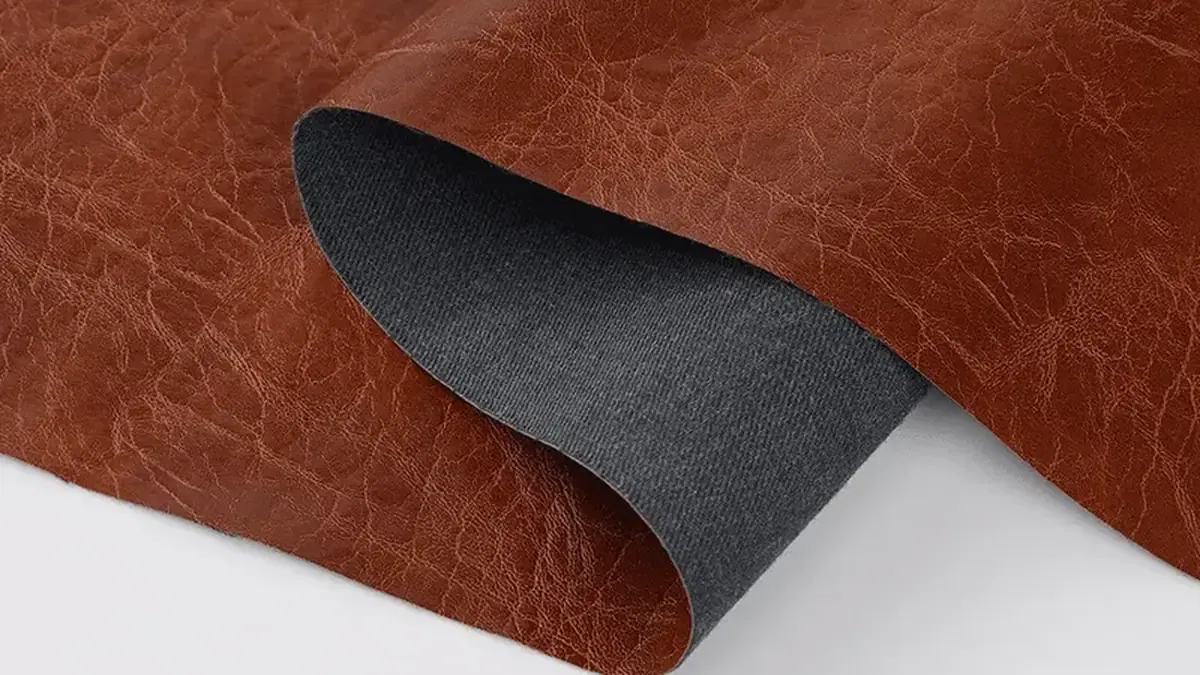
MEG reacts with terephthalic acid (PTA) 鈥?the same chemistry used to produce DOTP (Dioctyl Terephthalate) 鈥?to produce polyethylene terephthalate (PET), the foundation of polyester fibers, plastic bottles, and films. In 2024, global polyester fiber production reached 60.6 million tons, with China accounting for nearly 50% of global consumption.
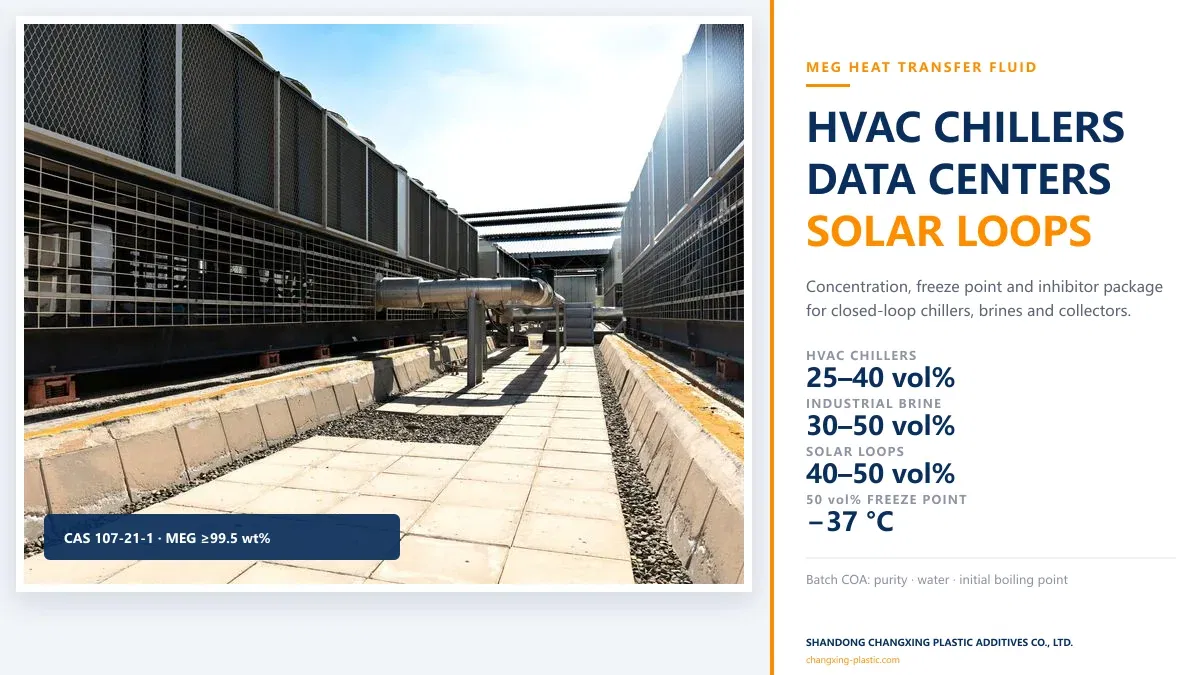
Core Heat Transfer Fluid for Industrial Cooling Systems
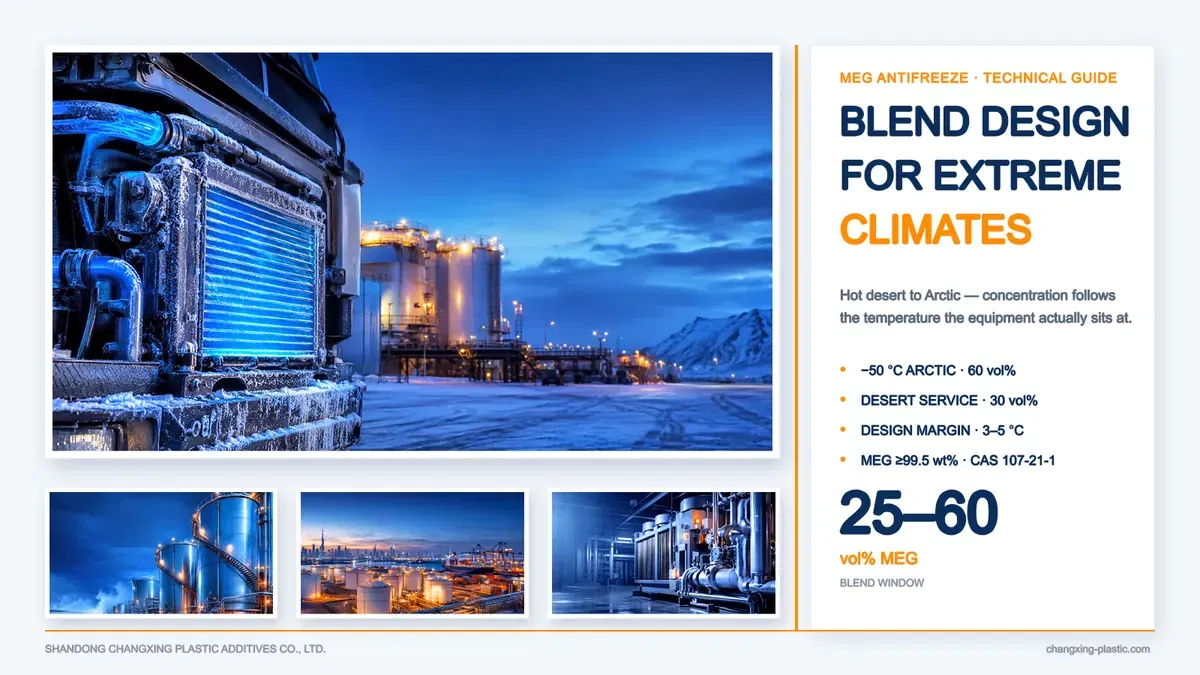
MEG aqueous solutions are widely used for automobile engine cooling, chemical reactor temperature control, and data center liquid cooling systems due to their low freezing point (50% concentration solution freezes at -33掳C) and high boiling point (108掳C).
Key Additive for Polyurethane and Coatings
In polyurethane synthesis, MEG participates as a polyol to manufacture furniture sponges, car seats, and building insulation materials. In the coatings industry, its addition ratio is typically 5%-15%, which can adjust viscosity, improve adhesion, and enhance coating gloss and durability.
Consumer and Daily Chemicals: From Antifreeze to Moisturizer
Mainstream Choice for Automotive Antifreeze
MEG accounts for more than 90% of global water-based antifreeze formulations. By lowering the freezing point and raising the boiling point, it protects engines. A 58% concentration MEG aqueous solution has a freezing point as low as -48掳C.
Moisturizing Agent in Cosmetics and Personal Care
Due to its hygroscopic properties, MEG is used as a moisturizer in skincare products, commonly found in face creams, lotions, and toothpaste, with typical addition amounts of 5%-15%.
High-End Manufacturing: Precision Applications in Electronics and Medicine
Ultra-High Purity Solvent for Semiconductor Manufacturing
Electronic-grade MEG must meet SEMI C12 standards (metal ions <100 ppt) and is used for wafer cleaning, etching, and circuit board production. The global electronic-grade MEG market is expected to reach USD 7.587 billion by 2029.
Multifaceted Assistant in the Medical Field
- Solvent and carrier: MEG can dissolve poorly soluble drugs to improve bioavailability.
- Cryoprotectant: In medical device preservation, its low freezing point prevents equipment from freezing damage.
- Drug synthesis intermediate: Used in the production of fungicides such as penconazole and hymexazol.
Safety and Sustainable Development
MEG ingestion can cause kidney failure. Emergency treatment requires gastric lavage, hemodialysis, and use of antidotes (such as ethanol, fomepizole) to inhibit metabolism. In industrial applications, workplace concentrations must be strictly controlled (PC-TWA 20 mg/m鲁).
China's new national standard GB 29743.1-2022 restricts additives such as phosphates and nitrites, promoting the development of low-toxicity, biodegradable products. Propylene glycol is gradually replacing MEG in food contact and medical applications due to its better biodegradability.
Conclusion
With its unique physicochemical properties, MEG has become an indispensable basic material in modern industry. From polyester fibers to semiconductor manufacturing, from automotive antifreeze to pharmaceutical carriers, its applications run through the upstream and downstream of industrial chains.
Source MEG & DOTP from One Trusted Supplier
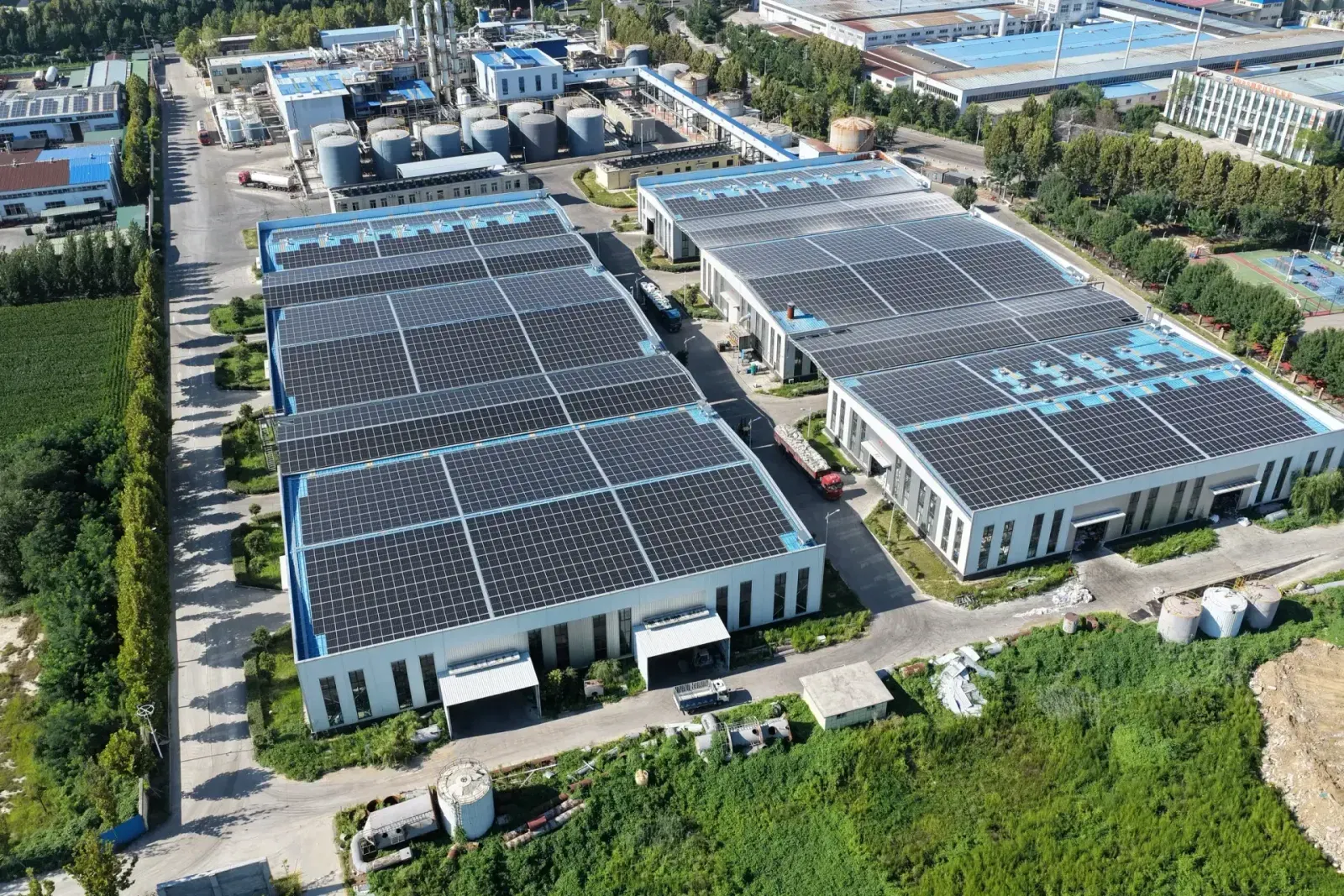
Shandong Changxing Plastic Additives is an ISO 9001 and ISO 14001 certified manufacturer with 230,000 tonnes annual plasticizer capacity upon full completion, producing high-purity MEG and premium DOTP plasticizers for clients in 30+ countries.
Request a Free Quote- 鉁?Premium DOTP & DCP plasticizers with REACH/FDA compliance
- 鉁?230,000 tonnes annual plasticizer capacity upon full completion with ISO 9001 & ISO 14001 certification
- 鉁?Global delivery to 30+ countries
- 鉁?Technical support and custom formulations available
Frequently Asked Questions
What is Ethylene Glycol (MEG) used for?
MEG is primarily used in four areas: (1) polyester fiber and PET production (~70% of global demand), (2) automotive and industrial antifreeze/coolant formulations, (3) polyurethane and coatings manufacturing, and (4) electronic-grade solvents for semiconductor production.
Is Ethylene Glycol (MEG) the same as ethylene glycol?
Yes. MEG (monoethylene glycol) and ethylene glycol (EG) refer to the same chemical compound (C鈧侶鈧哋鈧? CAS 107-21-1). 'MEG' emphasizes the mono- prefix to distinguish it from diethylene glycol (DEG) and triethylene glycol (TEG).
What is the freezing point of Ethylene Glycol (MEG) water solutions?
The freezing point depends on concentration: a 50% MEG solution freezes at approximately -33掳C, while a 58% solution can reach -48掳C. This makes MEG the dominant choice for automotive antifreeze.
Is Ethylene Glycol (MEG) safe for food contact applications?
No. MEG is toxic if ingested and can cause kidney failure. Propylene glycol (PG) is the safer alternative used in food, cosmetics, and pharmaceutical applications.
Does Shandong Changxing produce Ethylene Glycol (MEG)?
Yes. Shandong Changxing produces high-purity MEG (purity 鈮?9.5%) as both a primary product and a co-product of our PET-to-DOTP transesterification process.
Learn more about MEG in antifreeze and coolant applications, MEG in water-glycol hydraulic fluids, and MEG price trends in 2026.