
On March 6, 2026, LG Chemical announced a force majeure on certain export contracts for dioctyl terephthalate (DOTP), sending shockwaves through the Southeast Asian chemical supply chain. Triggered by geopolitical tensions disrupting key raw material supplies, this event has led to an immediate price surge in the regional DOTP market, with prices reaching $1,135 per ton - up $75 from the previous week. This sudden disruption poses significant challenges for downstream manufacturers across industries such as wire and cable, artificial leather, and flexible films.
For procurement managers and production planners in Southeast Asia, understanding the root causes, market implications, and strategic responses is critical. This article provides a timely analysis of how the LG force majeure is reshaping the regional plasticizer landscape.
Understanding the Supply Chain Breakdown Behind LG Force Majeure
The declaration of force majeure by LG Chemical was not an isolated incident but the result of a cascading supply chain failure rooted in global geopolitics. The primary trigger was the escalation of military conflict in the Middle East, which severely disrupted shipping routes through the Strait of Hormuz - a vital artery for crude oil and naphtha imports into South Korea.
South Korea relies on the Middle East for approximately 55–0% of its naphtha supply, a foundational feedstock for petrochemical production. With maritime traffic blocked or rerouted due to safety concerns, shipments stalled, leading to acute shortages at domestic refineries. This shortage quickly propagated upstream: insufficient naphtha supply forced LG Chemical to reduce operating rates at its olefin cracker facility in Yeosu, cutting output of propylene - an essential precursor for OXO alcohols.
As a result, the company's OXO alcohol plant operations were severely hampered, directly impacting the availability of 2-ethylhexanol, a core building block for producing DOTP. Note: 2-ethylhexanol (CAS 104-76-7) and 2-octanol (CAS 123-96-6) are different structural isomers - DOTP uses 2-ethylhexanol, while DCP uses 2-octanol.
This sequence highlights the vulnerability of concentrated supply chains to external shocks. A single chokepoint thousands of miles away can paralyze high-value manufacturing hubs, underscoring the need for greater resilience in sourcing strategies.
Market Reaction: DOTP Prices Surge Amid Cost-Push Inflation
The ripple effects of the supply disruption were felt almost immediately in the marketplace. According to Platts Energy Insights, Southeast Asian DOTP prices jumped to $1,135 per ton CIF in early March, marking a weekly increase of $75. A similar trend emerged in China, where prices rose to $1,085 per ton, reflecting synchronized regional dynamics driven by shared cost structures and trade flows.
Two key raw materials fueled this upward pressure: 2-ethylhexanol (2-Octanol) and purified terephthalic acid (PTA). By March 31, spot prices for 2-ethylhexanol in Jiangsu province surged to 9,250 - ,300 yuan/ton, up 41.28% from late February levels. Meanwhile, PTA prices climbed to 6,682 yuan/ton, representing a 29.55% gain over the same period.
While current prices remain elevated, market analysts project a gradual normalization in the coming months. Sinochem Consulting forecasts that Q2 average prices will trend downward, settling around 8,775 yuan/ton (~$1,189/ton) by June, assuming geopolitical risks ease and alternative supplies fill the gap.
Impact on Downstream Buyers and Strategic Response Options
For Southeast Asian manufacturers reliant on DOTP, the consequences are tangible and pressing. Contact us to discuss supply security strategies for your operation. Wire and cable producers face potential production halts, as DOTP is a preferred plasticizer for insulation compounds requiring high electrical resistance and low volatility - key attributes under IEC standards. Similarly, artificial leather and film converters report difficulties securing consistent volumes, threatening order fulfillment timelines.
To mitigate these risks, we recommend the following proactive measures:
- Diversify supplier base: Shift procurement toward alternative plasticizer manufacturers in China, Taiwan, and Turkey. Key players include Zhejiang Ji'ao Environmental Protection Technology, Yuanli Chemical Group, and Nan Ya Plastics.
- Build safety stock: Establish buffer inventory equivalent to 15–0 days of consumption to hedge against future disruptions.
- Evaluate substitute chemistries: Test non-phthalate alternatives like DINCH or TOTM in applications where performance allows.
- Review contract terms: Ensure future agreements include clear force majeure clauses and contingency provisions.
These steps can help maintain operational continuity and strengthen negotiating power in uncertain markets.
Core Concepts and Future Outlook for the DOTP Market
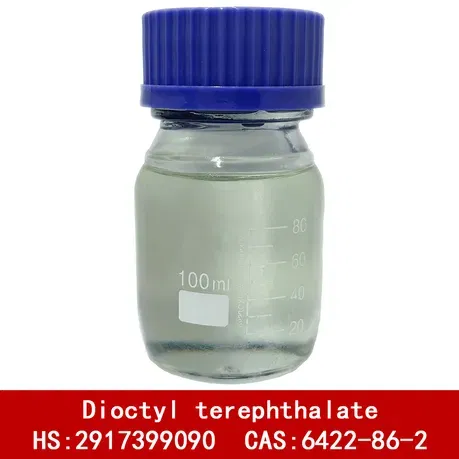
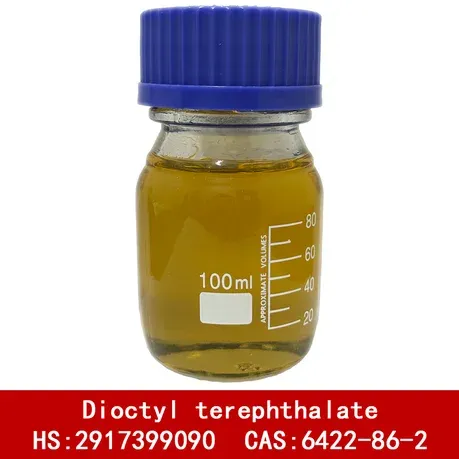
To better understand the broader context, it's important to clarify some key terminology. DOTP, short for dioctyl terephthalate (CAS No. 6422-86-2), is an eco-friendly plasticizer widely used as a safer alternative to traditional phthalates like DOP. It meets stringent regulatory requirements such as EU REACH, making it ideal for sensitive applications including medical devices, children's toys, and food-contact materials.
One of its defining advantages lies in its superior technical profile:
- Higher boiling point (383°C vs. 386°C for DOP) with lower volatility and improved heat resistance
- Lower volatility and improved heat resistance
- Volume resistivity up to 20 times higher than DOP, enhancing electrical insulation properties
The production of DOTP hinges critically on 2-ethylhexanol, which reacts with PTA via direct esterification. Therefore, any disruption affecting propylene-based alcohol supply - such as the current crisis - directly impacts DOTP availability and pricing. For more on the 2-ethylhexanol vs 2-octanol distinction, see our 2-octanol complete guide.
Looking ahead, long-term demand for DOTP in Southeast Asia remains robust. Driven by infrastructure development, automotive growth, and RCEP-facilitated trade liberalization, the region's PVC processing sector is expanding rapidly. Vietnam, Indonesia, and Thailand together account for nearly 80% of regional plastics consumption growth.
Moreover, Chinese plasticizer manufacturers are increasingly investing in ASEAN markets, with companies like Kingfa Sci & Tech and Yingke Recycling establishing local production bases in Vietnam and Malaysia. This shift enhances regional supply security and reduces dependency on Northeast Asian exporters.
Conclusion: Building Resilience in a Volatile Market
While the LG force majeure event has created short-term turbulence in the DOTP market, it also serves as a wake-up call for supply chain resilience. The sharp price spike - from $1,060 to $1,135 per ton in just one week - highlights the fragility of lean, globally integrated systems when exposed to geopolitical risk.
However, the fundamentals of the Southeast Asian plasticizer market remain strong. Long-term drivers such as urbanization, industrial upgrading, and environmental regulations favor continued adoption of premium products like DOTP. For related analysis, see our coverage of the Iran 'Combat 3.0' impact on DOTP prices and DOTP market price trends in 2026.
We urge procurement leaders and business strategists to use this moment to reassess their sourcing models. By diversifying suppliers, securing alternative chemistries, and leveraging digital B2B platforms to monitor real-time market shifts, companies can turn volatility into competitive advantage.
The story of the LG Force Majeure is not just about a temporary supply gap - it's a case study in modern supply chain management. Those who act now to build flexibility into their plasticizer supply chain will emerge stronger in the evolving landscape of global manufacturing.
Frequently Asked Questions
What caused the LG Chem DOTP force majeure in 2026?
LG Chem declared force majeure on DOTP exports in March 2026 due to a cascading supply chain failure triggered by Middle East military conflict. The conflict disrupted Strait of Hormuz shipping routes, cutting South Korea's naphtha supply (55-60% sourced from the Middle East). This forced LG to reduce operating rates at its Yeosu olefin cracker, cutting propylene output and subsequently 2-ethylhexanol production - the key alcohol feedstock for DOTP manufacturing.
How much did DOTP prices increase after the LG force majeure?
Southeast Asian DOTP prices jumped to $1,135 per ton CIF in early March 2026, a weekly increase of $75. In China, prices rose to $1,085 per ton. The price surge was driven by sharp increases in key feedstocks: 2-ethylhexanol spot prices in Jiangsu surged 41.28% to 9,250-9,300 yuan/ton, while PTA prices climbed 29.55% to 6,682 yuan/ton.
What should buyers do during a DOTP supply disruption?
Key strategies include: (1) diversifying suppliers - evaluate alternative DOTP manufacturers in China, Taiwan, and Turkey; (2) building safety stock - maintain 15-30 days of buffer inventory; (3) evaluating substitute chemistries - test DINCH or TOTM where performance allows; (4) reviewing contract terms - ensure force majeure clauses and contingency provisions are in place.
Is 2-ethylhexanol the same as 2-octanol?
No. 2-Ethylhexanol (CAS 104-76-7) is a branched primary alcohol used to produce DOTP and DOP. 2-Octanol (CAS 123-96-6) is a straight-chain secondary alcohol used to produce DCP (di-sec-octyl phthalate). Although both have the molecular formula C₈H₁₈O, they are structural isomers with different reactivity and applications. DOTP production requires 2-ethylhexanol, not 2-octanol.
What is the long-term outlook for the Southeast Asia DOTP market?
Long-term demand remains robust, driven by infrastructure development, automotive growth, and RCEP-facilitated trade liberalization. Vietnam, Indonesia, and Thailand account for nearly 80% of regional plastics consumption growth. Chinese manufacturers are increasingly investing in ASEAN production bases, enhancing regional supply security and reducing dependency on Northeast Asian exporters.
Secure Your DOTP Supply with Shandong Changxing
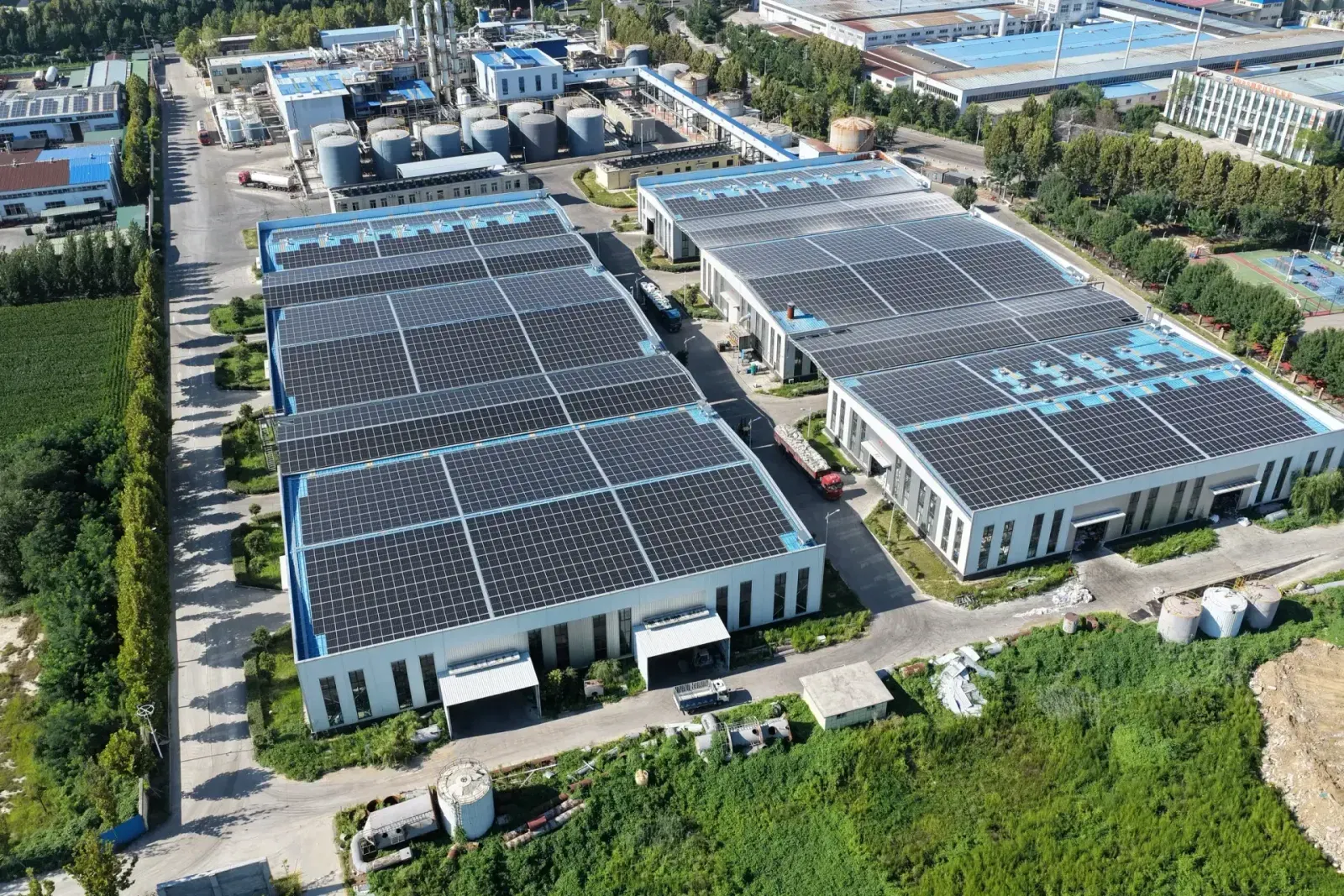
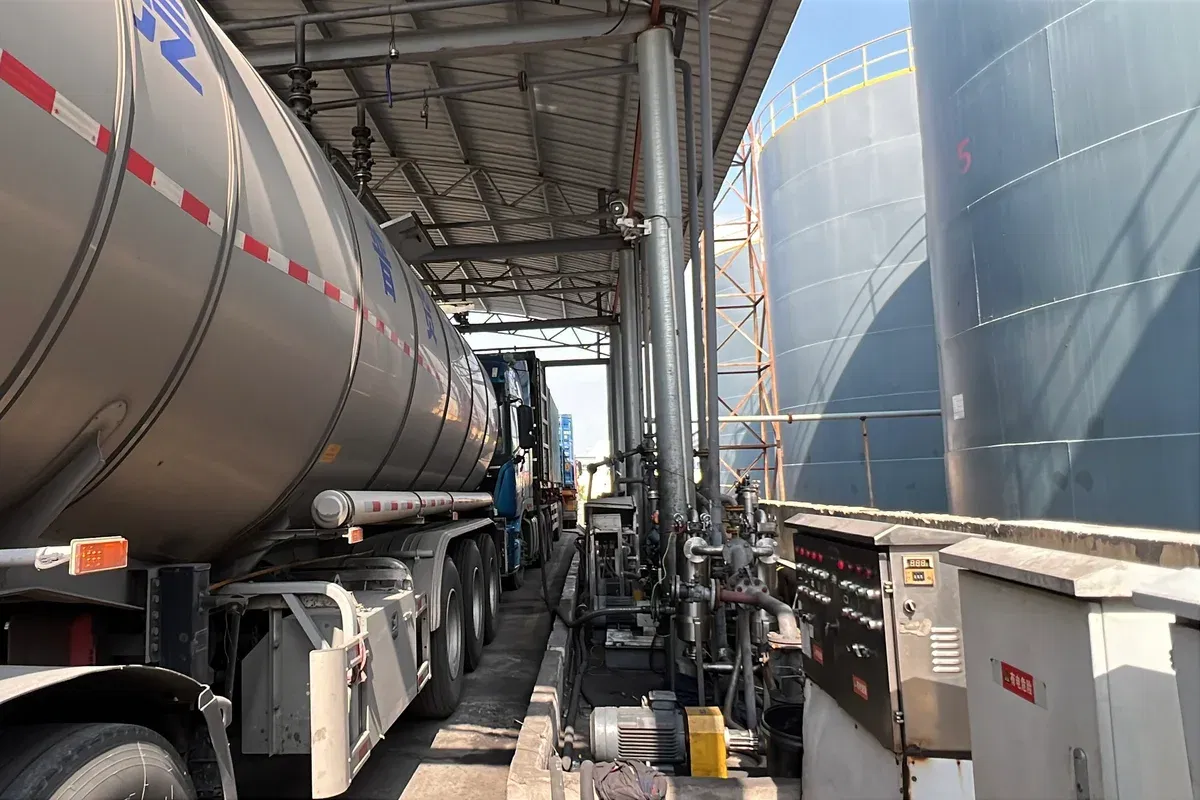
As a leading manufacturer with ISO 9001/14001 certification and 300,000 tons annual capacity, Shandong Changxing Plastic Additives provides reliable DOTP and DCP supply to global markets. Mitigate supply chain risks by partnering with a stable, quality-focused supplier.
Request a Free Quote- ✓Premium DOTP & DCP plasticizers with REACH/FDA compliance
- ✓Global delivery to 30+ countries
- ✓Technical support and custom formulations available