
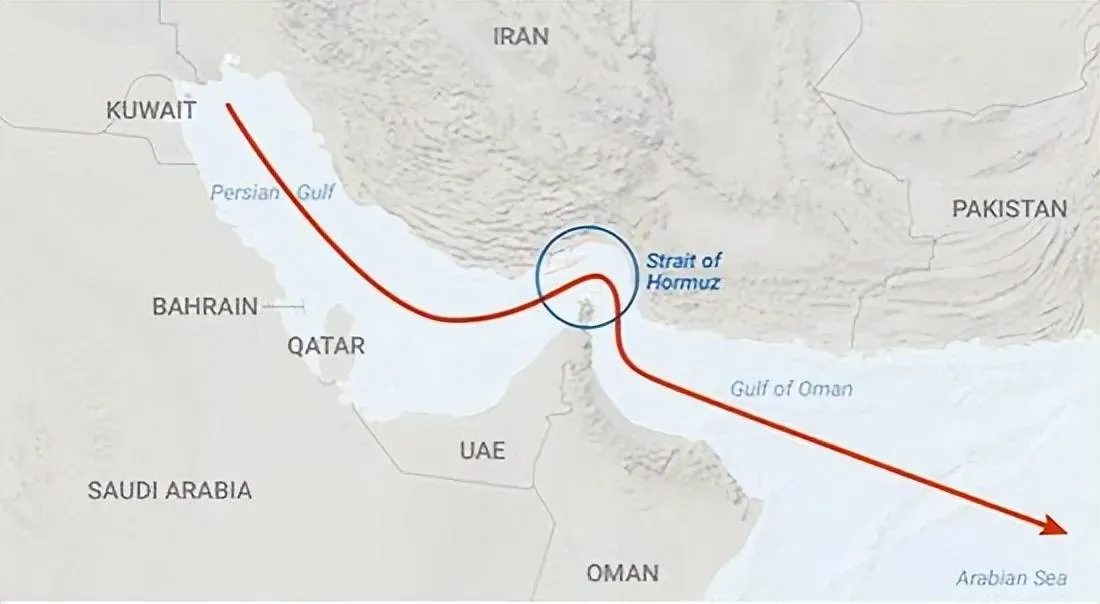
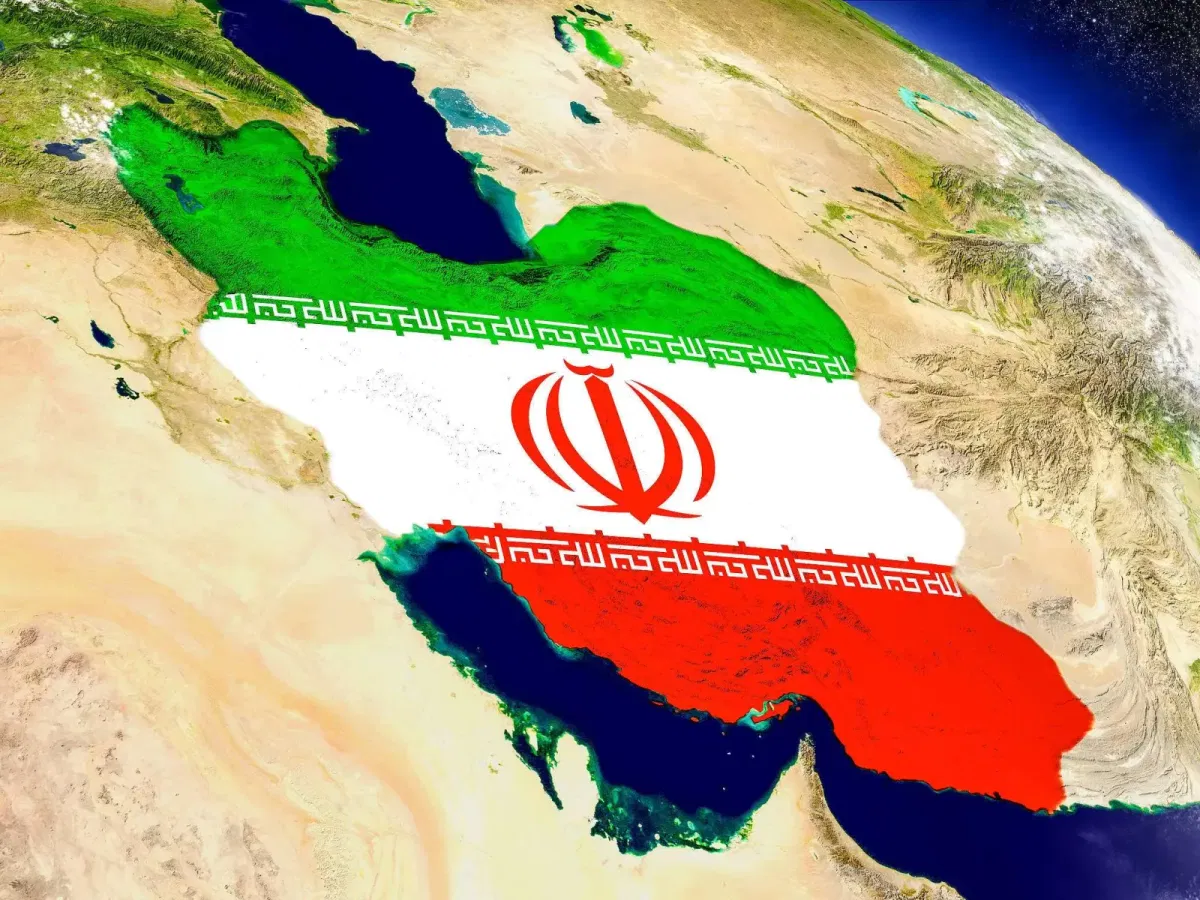
On May 22, 2026, Iran's Tasnim News Agency issued a stark warning: the Iranian Armed Forces have prepared a new retaliation plan dubbed "Combat 3.0." If attacked, Iran intends to blockade the Bab-el-Mandeb strait with firepower, sever seven undersea internet cables beneath the Strait of Hormuz, and strike Gulf energy infrastructure with next-generation missiles and drones. This escalation, confirmed by CCTV International, comes as the U.S. government prepares potential military action.
For global chemical markets - and especially for buyers of dioctyl terephthalate (DOTP) - this is not distant geopolitics. It is a direct threat to the feedstock supply chains that determine plasticizer prices and availability. This article examines how Iran's "Combat 3.0" could reshape DOTP market dynamics and what procurement leaders should do now. For broader market context, see our analysis of the LG force majeure impact on Southeast Asian DOTP markets.
Key Takeaways at a Glance
- Iran's "Combat 3.0" threatens simultaneous blockades of Hormuz and Bab-el-Mandeb.
- The March 2026 crisis pushed Brent crude to $112/bbl and DOTP feedstock costs up 15–18%.
- A full blockade could drive oil to $120–130/bbl, sending DOTP prices climbing $50–150/ton within weeks.
- Procurement teams should lock volumes, diversify sources, and build 30-day safety stock now.
Why the Strait of Hormuz Matters to Plasticizer Markets
The Strait of Hormuz is a 34-kilometer waterway that handles roughly 20% of global crude oil and 30% of liquefied natural gas (LNG) maritime trade. Any disruption here sends immediate shockwaves through the entire petrochemical value chain.
DOTP is produced from two primary feedstocks: 2-ethylhexanol (2-EH) and purified terephthalic acid (PTA). Both are deeply tied to crude oil and naphtha markets:
- Crude oil → Naphtha → Ethylene/Propylene → 2-EH: Approximately 55–60% of naphtha supply for Northeast Asian crackers originates in the Middle East. A Hormuz blockade would stall shipments, forcing cracker rate cuts and reducing 2-EH output.
- Crude oil → Paraxylene → PTA: Paraxylene, the precursor to PTA, is refined from naphtha. Supply interruptions raise PX and PTA prices in lockstep with crude.
In short, when Hormuz sneezes, the DOTP supply chain catches a cold - and buyers pay the price.
Historical Precedent: The March 2026 Strait Crisis
We do not need to speculate about the potential impact. We have already seen it. In late February and March 2026, military conflict led to a de facto closure of the Strait of Hormuz. The consequences were immediate and severe:
- Brent crude oil surged from $60–70 per barrel to $112 per barrel, a gain exceeding 50% (Sina Finance, April 2026). By April–May, prices climbed further above $125/bbl, reaching the highest level since March 2022 (the Russia–Ukraine conflict peak).
- Naphtha shortages forced Japanese petrochemical producers to cut operating rates, tightening regional supply.
- Sulfur prices spiked. According to CRU Group data, the Gulf region accounts for roughly 45% of global sulfur exports, exposing fertilizer and chemical supply chain fragility.
- Plastics supply chains faced broad disruptions, with downstream industries from automotive to packaging reporting shortages.
Impact on DOTP Raw Materials
For DOTP specifically, the March crisis drove raw material costs sharply higher. According to a March 2026 open letter from global medical-glove leader Intco Medical:
- DOTP prices rose approximately 15%
- Octanol prices jumped approximately 18%
- Spot 2-EH in Jiangsu province reached 9,250–9,300 yuan/ton by late March, up more than 41% from late February (industry spot data).
If Iran executes its "Combat 3.0" threats, the March disruption may look modest by comparison. A simultaneous blockade of both Hormuz and Bab-el-Mandeb would choke not only crude and naphtha flows but also critical Red Sea shipping lanes.
DOTP Price Transmission Mechanism: From Barrel to Ton
Understanding the precise transmission path helps buyers anticipate price movements and timing. Here is how an oil shock flows into DOTP costs:
| Timeframe | Event | Impact on DOTP |
|---|---|---|
| Day 1–3 | Crude oil spike: Brent/WTI jump $10–20/bbl on blockade fears | Futures markets react; sentiment shifts |
| Week 1–2 | Naphtha and paraxylene follow; Asian CFR prices rise | PX spreads widen; feedstock costs rise |
| Week 2–4 | PTA and 2-EH spot prices surge on propylene shortages | DOTP margins begin compressing |
| Week 3–6 | DOTP manufacturers reissue price lists with force-majeure clauses | Regional DOTP climbs $50–150/ton |
Goldman Sachs and Rapidan Energy have projected that a prolonged Hormuz closure could push oil above $100/bbl. Morgan Stanley estimates range from $120–130/bbl under a full blockade scenario. If even the lower bound materializes, DOTP prices could easily revisit or exceed the March 2026 peaks.
Global Trade Chain at Risk: Beyond Oil
Iran's threat to cut undersea internet cables is also significant for B2B commerce. Seven subsea cables run beneath Hormuz, carrying data between Europe, Asia, and the Middle East. Disruption would slow financial settlements, logistics tracking, and contract negotiations - amplifying physical supply chain delays with digital friction.
Moreover, a Bab-el-Mandeb blockade would hit containerized chemical shipments from Asia to Europe, forcing reroutes around the Cape of Good Hope. Longer transit times mean higher freight costs, tighter working capital, and extended order-to-delivery cycles for plasticizer buyers.
"The global trade chain is already under strain. For DOTP-dependent industries, the time to prepare is before the strait closes, not after."
- Industry analysis, Shandong Changxing Plastic Additives
Strategic Procurement Recommendations
In this environment, reactive buying is costly. Procurement teams should take four steps immediately:
- Secure Q3–Q4 cover early: Lock in volumes now, before any blockade materializes. Prices are still below March peaks in most regions, offering a window.
- Diversify geography: Reduce reliance on Northeast Asian suppliers most exposed to Middle East naphtha. Chinese manufacturers with diversified coal-to-chemicals or bio-based routes offer valuable hedges. Our Wansheng 180,000-tonne plasticizer capacity and the Changxing headquarters site's 50,000 tonnes/year as per environmental approval give the group 230,000 tonnes/year of plasticizer capacity upon full completion.
- Monitor 2-EH and PTA spot markers: These are the leading indicators for DOTP price moves. Jiangsu 2-EH and China PTA futures provide 2–4 week advance warning. Track them alongside our DOTP market price trends analysis.
- Build 30-day safety stock: Accept slightly higher inventory carrying cost in exchange for operational continuity if a supply disruption strikes.
Conclusion: Volatility Is the New Normal
Iran's "Combat 3.0" warning is a reminder that geopolitical risk is now a structural feature of plasticizer markets. The March 2026 Hormuz crisis proved how quickly crude shocks transmit into DOTP feedstock costs. A broader, more deliberate blockade - combined with cyber-physical attacks on energy infrastructure - could produce price spikes and supply gaps lasting months.
Buyers who treat this as background noise risk production halts and margin erosion. Buyers who act now - securing volumes, diversifying sources, and building inventory - will navigate the turbulence with far greater resilience.
As a leading ISO 9001 & ISO 14001 certified plasticizer manufacturer with 230,000 tonnes of annual plasticizer capacity upon full completion, Shandong Changxing Plastic Additives maintains diversified feedstock sourcing and stable production to help global partners weather supply chain volatility.
Secure Your DOTP Supply Before Prices Spike
Shandong Changxing Plastic Additives operates 230,000 tonnes of annual plasticizer capacity upon full completion with diversified feedstock sourcing and ISO 9001 & ISO 14001 certified quality. Lock in stable supply and competitive pricing before geopolitical risks drive costs higher.
Request a Free Quote- ✓ Stable DOTP & DCP supply from 230,000 tonnes of annual plasticizer capacity upon full completion
- ✓ REACH/FDA-compliant products for global markets
- ✓ Flexible packaging: IBC, drum, ISO tank, and bulk
Frequently Asked Questions
How does the Strait of Hormuz affect DOTP plasticizer prices?
The Strait of Hormuz handles ~20% of global crude oil and ~30% of LNG trade. DOTP feedstocks - 2-ethylhexanol (2-EH) and purified terephthalic acid (PTA) - are derived from naphtha and paraxylene, which follow crude oil prices. Any Hormuz disruption raises crude, naphtha, and PX prices, transmitting into higher DOTP production costs within 2–6 weeks.
What is Iran's "Combat 3.0" and why does it matter for chemical markets?
"Combat 3.0" is Iran's retaliatory plan announced May 22, 2026, threatening to blockade the Bab-el-Mandeb strait, sever seven undersea internet cables beneath Hormuz, and strike Gulf energy infrastructure with next-gen missiles and drones. For chemical markets, the simultaneous blockade of two critical chokepoints would severely disrupt crude oil, naphtha, and petrochemical shipments.
How much could DOTP prices increase from a Hormuz blockade?
Based on the March 2026 crisis precedent - where Brent crude surged to $112/bbl and DOTP prices rose ~15% - a full "Combat 3.0" blockade could push oil to $120–130/bbl (Morgan Stanley estimate), driving DOTP prices up $50–150/ton within 3–6 weeks. Spot 2-EH in Jiangsu already hit 9,250–9,300 yuan/ton during the March crisis, a 41% increase.
How can DOTP buyers mitigate geopolitical supply chain risks?
Key strategies: (1) Lock in Q3–Q4 volumes before any blockade materializes; (2) Diversify suppliers geographically - Chinese manufacturers with coal-to-chemicals routes are less exposed to Middle East naphtha; (3) Monitor 2-EH and PTA spot prices as leading indicators; (4) Build 30-day safety stock for operational continuity. See our plasticizer manufacturer selection guide for more criteria.
Did the March 2026 Strait of Hormuz crisis actually affect DOTP supply?
Yes. The March 2026 de facto closure of Hormuz pushed Brent crude from $60–70 to $112/bbl. According to Intco Medical's open letter, DOTP prices rose ~15% and octanol prices jumped ~18%. Japanese petrochemical producers cut operating rates due to naphtha shortages. The LG force majeure event compounded the disruption in Southeast Asia.