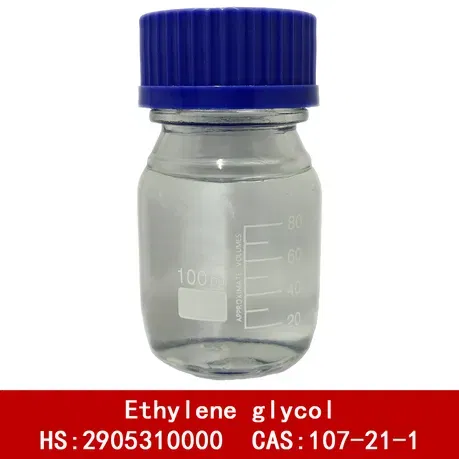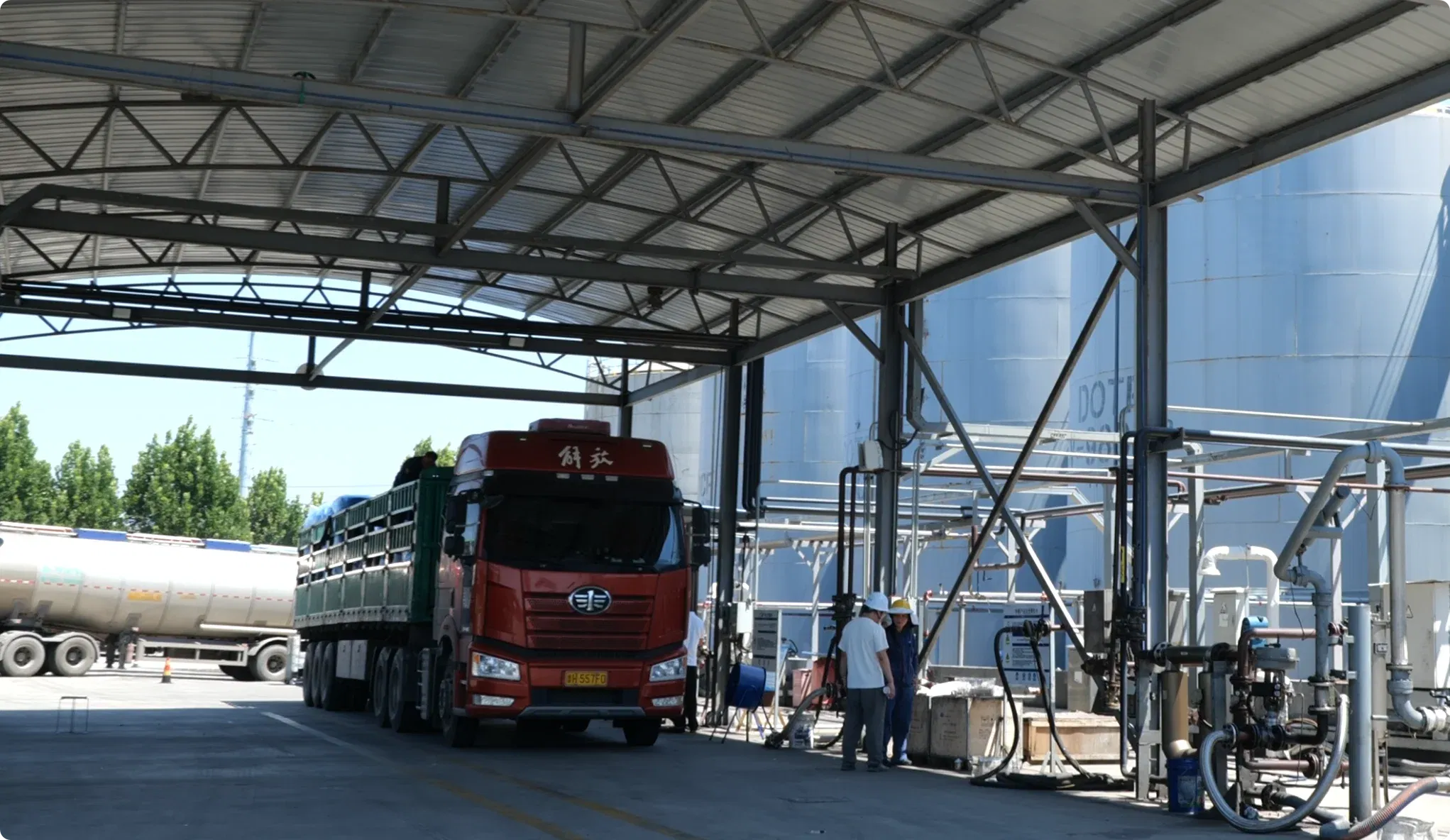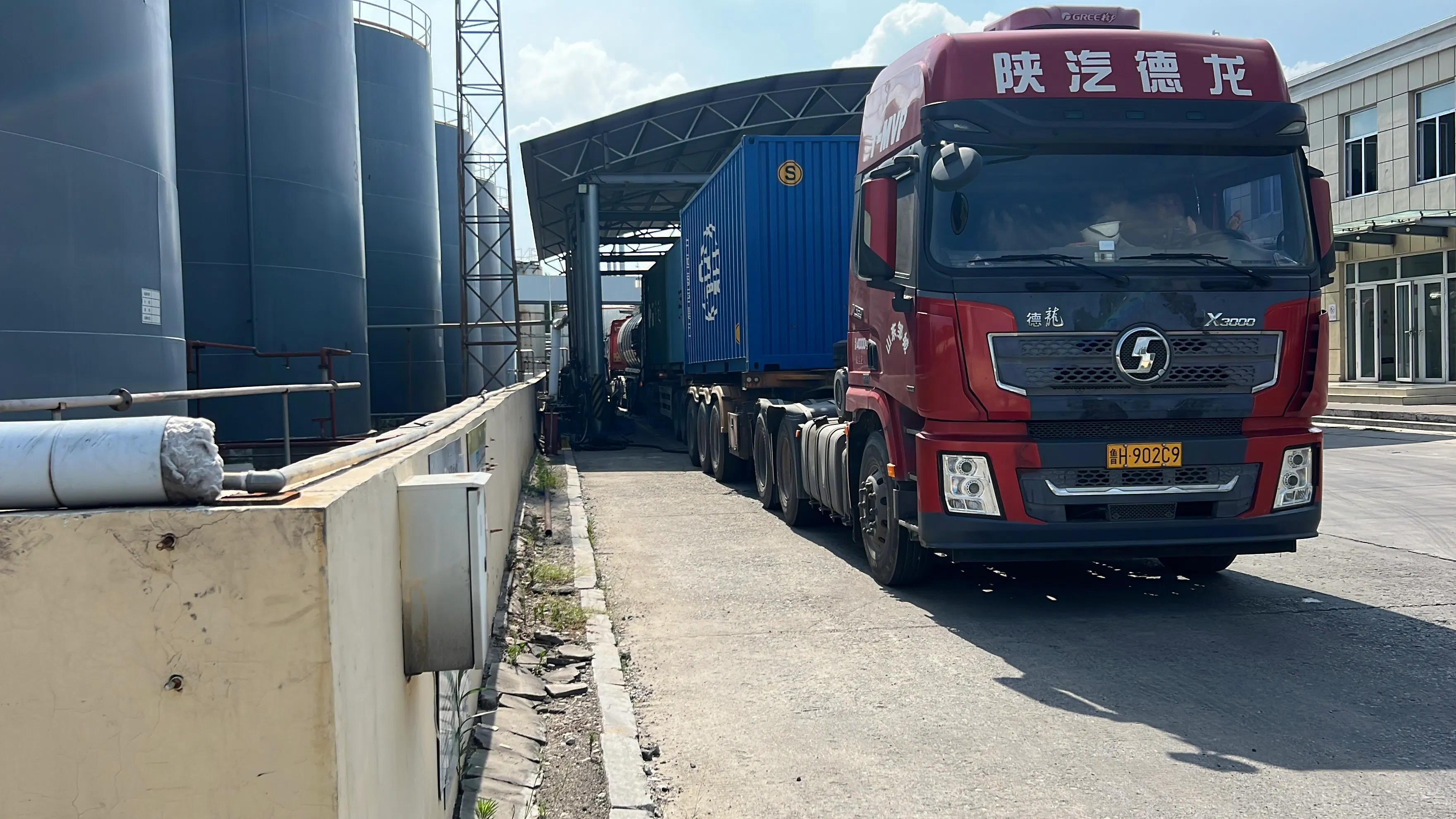

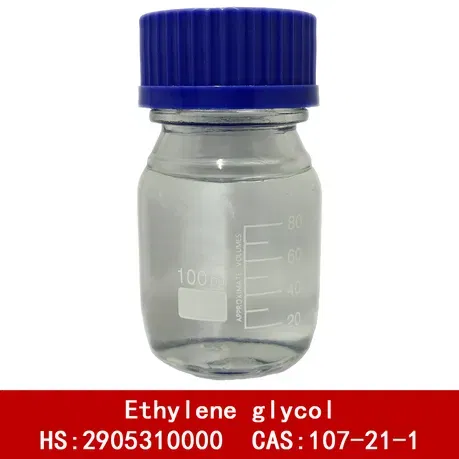
India is the world's third-largest consumer of Ethylene Glycol (MEG, CAS 107-21-1), with demand driven primarily by the country's rapidly expanding automotive sector, growing industrial cooling infrastructure, and surging electric vehicle (EV) market. As an Ethylene Glycol supplier to India, understanding the local market dynamics, pricing structures, and import logistics is essential for antifreeze and coolant manufacturers seeking competitive procurement. This 2026 guide provides a comprehensive analysis of Ethylene Glycol (MEG) price trends in India, import procedures, and sourcing strategies — with data specifically relevant to antifreeze and coolant buyers.
2026 India MEG Market at a Glance
- • Annual MEG consumption: 3.0–3.5 million tons, growing at 7–9% CAGR [1]
- • Import dependency: 55–60% of total MEG demand met through imports [1]
- • Primary import ports: Mumbai (Nhava Sheva/JNPT), Mundra, Chennai, Kandla
- • MEG price range (CIF India): $550–$700/ton for antifreeze-grade (≥99.5% purity)
- • Key demand sectors: Antifreeze & coolant (30%), chemical intermediates (25%), industrial heat transfer (15%)
- • Regulatory gatekeeper: BIS IS 1172 for antifreeze compliance; GHS-classified SDS required
[1] Source: Chemicals & Petrochemicals Statistics, Ministry of Chemicals & Fertilizers, Government of India; ICIS MEG Asia Market Analysis 2025–2026
India MEG Market Overview
India's MEG market is defined by a stark supply-demand gap. While domestic production capacity stands at approximately 1.4–1.6 million tons per year, the country consumes over 3 million tons annually. This gap of 1.5–1.8 million tons is filled by imports — primarily from China, Saudi Arabia, Singapore, and South Korea.
Domestic MEG Production in India
| Producer | Location | Capacity (KTA) | Feedstock |
|---|---|---|---|
| Indian Oil Corporation (IOC) | Panipat, Haryana | ~630 | Naphtha cracker |
| Reliance Industries (RIL) | Hazira, Gujarat | ~550 | Ethane/propane |
| Madras Fertilizers (MFL) | Chennai, Tamil Nadu | ~50 | Naphtha |
| Others (small-scale) | Various | ~170 | Mixed |
Source: IOC Annual Report 2024–25 (Panipat Petrochemical Complex); RIL Integrated Report 2024–25; MFL Annual Report 2024–25; ICIS MEG Supply-Demand Database
Critically, most domestic MEG production is consumed by the polyester and PET resin sectors under long-term contracts. Antifreeze and coolant manufacturers in India face limited access to domestically produced antifreeze-grade MEG, making imports the primary sourcing channel. For detailed global pricing context and the full analysis of crude oil feedstock costs, seasonal demand cycles, and the antifreeze-grade vs industrial-grade MEG price premium, see our MEG price trends and market outlook guide.
Current MEG Price in India (2026)
MEG prices in India are quoted on a CIF (Cost, Insurance, Freight) basis at major import ports. As of Q2–Q3 2026, antifreeze-grade MEG price in India ranges from $550 to $700 per ton CIF, depending on port of entry, volume, and quality specifications:
| Port of Entry | CIF Price (USD/ton) | Typical Volume | Transit Time from China |
|---|---|---|---|
| Nhava Sheva / JNPT (Mumbai) | $550–$680 | 20–24 tons/container | 14–18 days |
| Mundra (Gujarat) | $540–$670 | 20–24 tons/container | 12–16 days |
| Chennai (Tamil Nadu) | $560–$700 | 20–24 tons/container | 16–20 days |
| Kandla (Gujarat) | $540–$670 | 20–24 tons/container | 12–15 days |
Note: Prices are indicative ranges for antifreeze-grade MEG (≥99.5% purity, chroma ≤40) as of Q2–Q3 2026. Actual transaction prices vary by volume, contract terms, and quality specifications. Contact Shandong Changxing for current CIF India quotations.
Source: ICIS MEG Asia Weekly Price Report; ChemAnalyst MEG India Price Tracker; shipping transit times from Maersk/CMA CGM schedules Q2 2026
For a detailed comparison of antifreeze-grade vs industrial-grade MEG specifications and the $20–$50/ton quality premium, see our MEG price trends guide — Antifreeze-Grade vs Industrial-Grade section. For Indian buyers, the key takeaway is straightforward: always specify antifreeze-grade MEG (≥99.5% purity, chloride ≤0.5 ppm, chroma ≤40) — the $20–$50 premium is negligible compared to the risk of aluminum pitting corrosion and warranty claims in India's demanding climate.
India-Specific Price Drivers
Global MEG price drivers — crude oil feedstock costs (55–65% of production cost), seasonal antifreeze demand cycles, and EV coolant market growth — are analyzed in detail in our MEG price trends guide. For Indian buyers, three additional factors create unique pricing dynamics:
1. INR/USD Exchange Rate Impact
Since MEG imports are priced in USD while Indian manufacturers sell in INR, the rupee-dollar exchange rate directly affects landed cost. The INR has depreciated from approximately ₹74/USD in early 2023 to ₹83–85/USD in 2026 [2], effectively increasing MEG import costs by 12–15% in rupee terms even when USD-denominated FOB prices remained flat. For a $600/ton CIF shipment, each ₹1 depreciation adds approximately ₹600/ton to the landed cost in rupee terms.
2. India-Specific Freight Routes and Disruptions
Shipping from Chinese ports (Qingdao, Shanghai, Ningbo) to Indian gateways adds $80–$150/ton to the FOB price. Key India-specific freight variables include:
- Red Sea routing disruptions: Extended Cape of Good Hope routes have added 10–14 days and $20–$40/ton to East Asia–India chemical freight since late 2025 [3]. This disproportionately affects Chennai-bound shipments vs. west coast ports (Mundra/Kandla).
- Monsoon season port delays: Nhava Sheva and Mundra occasionally experience 3–7 day delays during June–September, increasing demurrage costs by $5–$15/ton.
- Container availability for flexibag shipments: FCL (full-container-load) flexibag shipments reduce per-unit freight by 15–25% compared to LCL — but require 14–21 day advance booking during peak season.
- Bunker fuel surcharges: VLSFO (Very Low Sulfur Fuel Oil) prices at Singapore and Fujairah bunkering ports directly impact India-route freight rates.
3. India's Structural Demand Growth
Unlike many markets where MEG demand is dominated by polyester, India's antifreeze and coolant segment is growing disproportionately due to three structural trends:
- Automotive production expansion: India produced 25+ million vehicles in FY2024–25 [4], each requiring antifreeze/coolant — driving baseline MEG demand growth of 7–9% annually.
- Electric vehicle thermal management: India's EV market exceeded 1.8 million unit sales in 2025 [5], with battery cooling systems requiring high-purity, low-conductivity MEG at premium pricing. See our India EV Coolant Market section for detailed analysis.
- Northern India winter demand: Delhi temperatures drop to 3–8°C in January; Rajasthan reaches −2 to 5°C — driving strong seasonal antifreeze demand. Q3–Q4 is the peak procurement period, with MEG prices typically 5–10% above annual averages.
💡 Procurement Tip: The optimal buying window for Indian MEG importers is Q1–Q2, before the seasonal rally begins and while freight rates are lower (pre-monsoon). Locking in annual contracts during this period typically saves 5–10% vs. spot purchases in Q3–Q4.
[2] Source: Reserve Bank of India (RBI) Reference Rate historical data; [3] Source: Drewry Maritime Research, Container Shipping Review Q1 2026; [4] Source: Society of Indian Automobile Manufacturers (SIAM) Annual Report 2024–25; [5] Source: Federation of Automobile Dealers Associations (FADA) EV Sales Tracker 2025
How to Import MEG to India: Step-by-Step Guide
For first-time and experienced importers alike, the MEG import process involves seven key steps. Understanding each step helps avoid delays and unexpected costs:
Step 1: Confirm HS Code
MEG falls under HS code 2905.31 (ethylene glycol) [6]. In India, the 8-digit classification is 2905.31.00. Always confirm the precise code with your customs broker before shipment, as misclassification can result in duty penalties and clearance delays.
Step 2: Obtain IEC Registration
An Importer Exporter Code (IEC) from the Directorate General of Foreign Trade (DGFT) is mandatory for all chemical imports. Registration is online via the DGFT portal and typically processed within 3–5 working days. No IEC = no import clearance. [7]
Step 3: Select Supplier and Incoterms
CIF Mumbai/Nhava Sheva is the preferred Incoterm for new importers — the supplier handles freight and insurance to the Indian port. Experienced importers may negotiate FOB Qingdao for better control over logistics and potentially lower costs. Request SDS, CoA, and REACH documentation before placing orders.
Step 4: Verify BIS Compliance (If Applicable)
For MEG used in antifreeze sold under BIS certification (IS 1172), ensure your supplier provides test reports compliant with BIS standards. While MEG itself is not under mandatory BIS certification, finished antifreeze products require BIS marking. Timeline: 8–12 weeks for BIS certification of end products. [8]
Step 5: Arrange Customs Clearance
Engage a Customs House Agent (CHA) at the destination port. Required documents: commercial invoice, packing list, bill of lading, certificate of origin, GHS-classified SDS, and CoA with actual test results. ICEGATE registration for electronic filing is mandatory.
Step 6: Pay Import Duties and GST
The total landed cost includes: Basic Customs Duty (BCD): 7.5%, Social Welfare Surcharge (SWS): 10% of BCD, and Integrated GST (IGST): 18% on CIF value + duties. IGST input tax credit is available for registered manufacturers. See the tariff calculator below for a detailed worked example. [9]
Step 7: Inland Transport to Warehouse
Container movement via rail (ICD) or road to your factory warehouse. Ensure transport compliance with state pollution control board norms for hazardous chemicals. MEG is classified as Acute Tox. 4 (H302) under GHS — proper labeling and transport documentation are required.
[6] Source: Customs Tariff Act 1975, First Schedule (as amended by Finance Act 2026), Chapter 29; [7] Source: DGFT IEC Online Registration Portal; [8] Source: Bureau of Indian Standards (BIS), IS 1172: Ethylene Glycol Base Engine Coolant specification; [9] Source: CBIC (Central Board of Indirect Taxes and Customs) Customs Tariff and GST Rate Notifications
India MEG Import Tariff Calculator
Understanding the full landed cost is critical for Indian MEG buyers. Below is a detailed worked example for a standard antifreeze-grade MEG shipment:
| Cost Component | Calculation | Amount (USD/ton) |
|---|---|---|
| CIF Value | — | $600.00 |
| Basic Customs Duty (BCD) @ 7.5% | $600 × 7.5% | $45.00 |
| Social Welfare Surcharge (SWS) @ 10% of BCD | $45 × 10% | $4.50 |
| Integrated GST (IGST) @ 18% | ($600 + $45 + $4.50) × 18% | $116.91 |
| Total Duty & Tax | BCD + SWS + IGST | $166.41 |
| Total Landed Cost (excl. inland transport) | CIF + Total Duty | $766.41 |
📋 Key Notes on India MEG Import Duties:
- • IGST Input Tax Credit: Registered manufacturers can claim IGST (18%) as input tax credit under GST, effectively reducing the net duty burden to BCD + SWS = $49.50/ton.
- • Anti-dumping duty: As of Q2 2026, no anti-dumping duty is applicable on MEG imports into India from China. Monitor DGFT notifications for changes.
- • FTAs and preferential rates: MEG from Singapore or ASEAN-origin may qualify for reduced BCD under applicable Free Trade Agreements — verify with your CHA.
- • Customs valuation: CIF value is assessed under Section 14 of the Customs Act 1962. Ensure invoice values are at arm's length to avoid transaction value disputes.
Source: CBIC Customs Tariff Schedule 2026; GST Council Notification on IGST rates for Chapter 29 organic chemicals; Finance Act 2026
India EV Coolant Market: A New MEG Demand Engine
India's electric vehicle market is creating a structurally new demand segment for high-purity MEG — one that commands premium pricing and has different quality requirements than traditional automotive antifreeze.
India EV Market Scale (2025–2026)
- • EV sales: 1.8 million+ units in 2025 [5]
- • Growth rate: 40%+ CAGR (2023–2026)
- • 2-wheelers: ~75% of EV sales
- • 4-wheelers: Growing rapidly, 100K+ units in 2025
- • Government target: 30% EV penetration by 2030 [10]
EV Coolant MEG Requirements
- • Ultra-low electrical conductivity: ≤5 μS/cm (vs. standard antifreeze ≤200 μS/cm)
- • Higher purity: ≥99.8% MEG for battery thermal management
- • Low metal ion content: Fe ≤0.05 ppm, Cl ≤0.2 ppm
- • Price premium: EV-grade MEG commands $80–$150/ton above standard antifreeze-grade
- • Estimated EV coolant MEG demand: 50–80 KTA by 2028 in India
For MEG suppliers and Indian coolant manufacturers, the EV segment represents a high-value growth opportunity. Battery thermal management systems use 3–8 kg of MEG per EV (depending on battery size), with stricter purity requirements than conventional antifreeze. As India's EV fleet scales toward the government's 2030 target, EV coolant MEG demand could reach 50,000–80,000 tons per year by 2028 — creating a structural floor under premium antifreeze-grade MEG prices.
[5] Source: Federation of Automobile Dealers Associations (FADA) EV Sales Tracker 2025; [10] Source: NITI Aayog, "India's Electric Mobility Transformation" policy framework; EV coolant MEG demand estimate based on ICIS analysis and battery thermal management system specifications
Antifreeze-Grade MEG Specifications for India
Indian antifreeze and coolant manufacturers must specify antifreeze-grade MEG to ensure product performance and regulatory compliance. The following specifications are critical for the Indian market:
| Parameter | Antifreeze-Grade Spec | Why It Matters for India |
|---|---|---|
| MEG Purity | ≥99.5% | Impurities affect freeze point depression and inhibitor performance |
| Chloride (Cl⁻) | ≤0.5 ppm | Chloride >1 ppm causes aluminum pitting in Indian-made engines |
| Iron (Fe) | ≤0.1 ppm | Iron accelerates inhibitor depletion and sludge formation in hot climate |
| Chroma (Pt-Co) | ≤40 | Color consistency required for branded antifreeze products |
| Water Content | ≤0.1% | Excess water dilutes antifreeze concentration ratio |
| Distillation Range | 195–205°C | Confirms product identity and purity per IS 1172 |
Shandong Changxing's MEG consistently meets or exceeds all antifreeze-grade specifications, with typical purity ≥99.5%, chroma ≤20, and chloride ≤0.5 ppm — making it ideal for Indian antifreeze and coolant formulations. Complete SDS and CoA documentation is provided with every shipment.
Port Selection Guide for Indian MEG Importers
Choosing the right port of entry can significantly impact both cost and delivery timeline. Here's a strategic comparison for Indian MEG importers:
| Factor | West Coast (Mundra/Kandla/JNPT) | East Coast (Chennai/Ennore) |
|---|---|---|
| CIF Price | $540–$680/ton (lower) | $560–$700/ton (higher) |
| Transit from China | 12–18 days (shorter) | 16–20 days (longer) |
| Red Sea Disruption Impact | Moderate — direct routing available via Malacca Strait | Higher — Cape route adds more days |
| Port Congestion | JNPT can be congested; Mundra/Kandla more efficient | Chennai moderate; Ennore less congested |
| Best For | Gujarat, Maharashtra, Rajasthan, NCR buyers | Tamil Nadu, Karnataka, Andhra Pradesh buyers |
| Inland Transport to Major Hubs | Mundra→Ahmedabad: 6 hrs; JNPT→Pune: 5 hrs | Chennai→Bangalore: 6 hrs; Chennai→Hyderabad: 10 hrs |
💡 Port Strategy: For buyers in North/West India (Delhi NCR, Gujarat, Maharashtra), Mundra or Kandla offer the best combination of lower CIF prices and shorter transit times. For South India (Tamil Nadu, Karnataka), Chennai is the logical choice despite slightly higher costs — the inland transport savings from avoiding cross-peninsular trucking typically exceed the CIF premium.
Why Source MEG from Shandong Changxing for India
For Indian antifreeze, coolant, and hydraulic fluid manufacturers seeking a reliable Ethylene Glycol supplier for India, Shandong Changxing Plastic Additives Co., Ltd. offers India-specific advantages beyond our core quality credentials (ISO 9001/14001/45001/50001 certified, 300,000 tons annual capacity, national "Little Giant" enterprise — full details in our MEG price trends guide):
- CIF Mumbai / CIF Mundra delivery: We handle freight and insurance to Indian ports, simplifying procurement for Indian buyers and eliminating logistics risk. Our logistics partners have regular sailings from Qingdao to all major Indian ports.
- Flexible packaging optimized for Indian logistics: Flexibags (20–24 tons per 20-foot container) for cost-efficient bulk delivery; IBC totes (1,000 kg) for manufacturers with limited storage; plastic drums (17.6 kg) for smaller operations — all compatible with Indian port handling and inland transport.
- India-ready documentation package: SDS (GHS-compliant per Indian Manufacture, Storage and Import of Hazardous Chemicals Rules), CoA with actual test results (not specification ranges), REACH registration documentation, and certificate of origin — all required for Indian customs clearance and BIS compliance.
- Proven India supply track record: We have successfully delivered MEG to Indian antifreeze and coolant manufacturers, with experience navigating IEC requirements, ICEGATE filing, and BIS documentation needs.
- Competitive CIF India pricing: Our integrated production base and direct port access in Qingdao enable competitive CIF India pricing — typically $10–$30/ton below trading company quotes for equivalent antifreeze-grade quality.
Procurement Strategy for Indian Buyers
Based on our experience supplying MEG to Indian antifreeze and coolant manufacturers, we recommend the following India-specific procurement strategies (for general MEG procurement best practices, see our MEG price trends guide):
- Factor IEC and BIS lead times into your planning: IEC registration takes 3–5 working days, but BIS certification for finished antifreeze products takes 8–12 weeks. Start regulatory preparations before placing your first MEG import order to avoid costly delays.
- Choose CIF terms to simplify India logistics: For new importers, CIF Mumbai or CIF Mundra terms transfer freight risk to the supplier and simplify cost forecasting. Experienced importers may negotiate FOB Qingdao for better freight control — but must account for Red Sea disruption risk and monsoon season delays.
- Maintain 30–45 day safety stock: Given 14–20 day transit times from China plus 5–10 days customs clearance, maintaining 30–45 days of buffer inventory prevents production disruptions during supply chain disruptions (monsoon delays, Red Sea rerouting, port congestion).
- Hedge INR/USD exchange rate risk: Each ₹1 depreciation adds ~₹600/ton to landed cost. Consider forward contracts or negotiate USD/INR-linked pricing formulas with suppliers to manage currency exposure.
- Optimize port selection by factory location: West coast ports (Mundra/Kandla) for Gujarat/Maharashtra/NCR factories; Chennai for South India. The inland transport savings from choosing the right port typically exceed the CIF price difference.
- Verify quality documentation before every shipment: Request CoA with actual test results (not just specification ranges), GHS-classified SDS per Indian hazardous chemicals rules, and certificate of origin — all mandatory for customs clearance under ICEGATE.
Conclusion
India's MEG market presents both opportunity and complexity for antifreeze and coolant manufacturers. With 55–60% import dependency, growing automotive and EV coolant demand, and India-specific pricing dynamics (INR/USD exchange rate, Red Sea freight disruptions, BIS regulatory requirements), a well-planned sourcing strategy is essential. Key takeaways for Indian buyers:
- MEG price in India: Antifreeze-grade MEG trades at $550–$700/ton CIF India, with a $20–$50 premium over industrial-grade — a small cost for protecting engine components and warranty integrity.
- Total landed cost: Factor in BCD (7.5%), SWS, and IGST (18%) — totaling ~$166/ton on a $600 CIF shipment. IGST input tax credit reduces the net duty burden for registered manufacturers.
- Timing matters: Lock in Q1–Q2 contracts before the Q3–Q4 seasonal rally for the best pricing.
- Quality is non-negotiable: Specify antifreeze-grade MEG (≥99.5% purity, chloride ≤0.5 ppm, chroma ≤40) upfront to protect downstream product performance in India's demanding climate.
- EV opportunity: India's EV boom is creating a new high-value MEG demand segment with premium pricing for ultra-low conductivity grades.
- Supply security: Partner with ISO-certified manufacturers like Shandong Changxing for batch consistency, flexible packaging, CIF delivery to Indian ports, and complete regulatory documentation.
For detailed application guidance, see our ethylene glycol antifreeze and coolant application guide and our global MEG price trends and market outlook. To request current MEG pricing and CIF India supply terms, contact our sales team.
Frequently Asked Questions
What is the current Ethylene Glycol (MEG) price in India?
As of Q2–Q3 2026, antifreeze-grade MEG (≥99.5% purity) trades at $550–$700 per ton CIF India, depending on port of entry (Mumbai, Mundra, Chennai, or Kandla), volume, and quality specifications. Industrial-grade MEG is typically $20–$50/ton cheaper than antifreeze-grade.
Why is Ethylene Glycol (MEG) imported to India instead of produced domestically?
India's domestic MEG production capacity (approximately 1.4–1.6 million tons/year) is insufficient to meet total demand of 3.0–3.5 million tons/year. Additionally, most domestic production is consumed by the polyester and PET sectors under long-term contracts, leaving antifreeze and coolant manufacturers reliant on imports for antifreeze-grade MEG.
How do I import Ethylene Glycol (MEG) to India?
The process involves: obtaining an IEC code from DGFT, selecting a supplier under CIF or FOB terms, confirming HS code 2905.31, arranging customs clearance with a CHA, paying BCD (7.5%) + SWS (10% of BCD) + IGST (18%), and inland transport to your warehouse. CIF Mumbai or CIF Mundra terms are recommended for new importers.
What is the HS code for Ethylene Glycol (MEG) in India?
MEG falls under HS code 2905.31 (ethylene glycol). In India, the 8-digit classification is 2905.31.00. Always confirm the precise code with your customs broker before shipment.
What purity of Ethylene Glycol (MEG) is required for antifreeze production in India?
Antifreeze-grade MEG for the Indian market requires purity ≥99.5%, chloride ≤0.5 ppm, iron ≤0.1 ppm, chroma ≤40 (Pt-Co), and water content ≤0.1%. These specifications are essential for protecting aluminum engine components from pitting corrosion and meeting IS 1172 antifreeze standards. Shandong Changxing's MEG consistently meets these specifications with typical purity ≥99.5% and chroma ≤20.
Is Ethylene Glycol (MEG) from China compliant with Indian regulations?
Yes, provided the supplier offers complete documentation including GHS-classified SDS, CoA with actual test results, REACH registration documentation, and certificate of origin. For antifreeze sold under BIS certification (IS 1172), ensure your supplier provides test reports compliant with BIS standards. Shandong Changxing provides all required compliance documents for Indian import.
Ready to Source Premium MEG for Antifreeze Production in India?
Shandong Changxing Plastic Additives Co., Ltd. is an ISO 9001 certified manufacturer with 300,000 tons annual capacity. We supply antifreeze-grade MEG (purity ≥99.5%) to clients in India and worldwide. CIF Mumbai and CIF Mundra delivery available.
Request a Free MEG Quote- ✓ Antifreeze-grade MEG: ≥99.5% purity, chroma ≤20, chloride ≤0.5 ppm
- ✓ ISO 9001/14001/45001/50001 certified
- ✓ CIF Mumbai / CIF Mundra delivery
- ✓ Annual contracts with fixed pricing available