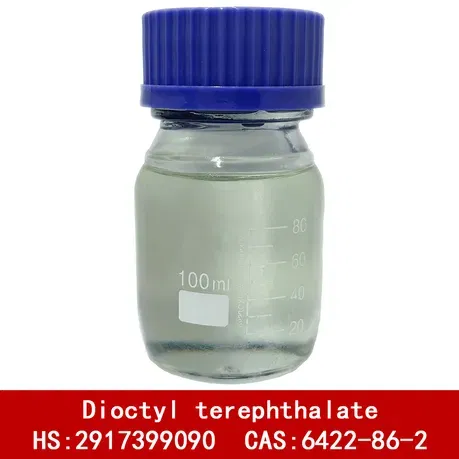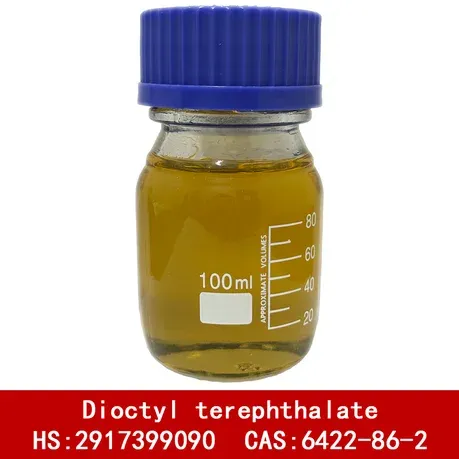

Is DOTP biodegradable? This question matters more than ever as regulators worldwide tighten environmental rules on plasticizers. DOTP (Dioctyl Terephthalate, CAS 6422-86-2) has become the leading non-phthalate plasticizer for PVC, replacing DEHP in wire and cable, flooring, toys, and medical gloves. But environmental performance goes beyond regulatory compliance — buyers and specifiers need to understand the DOTP plasticizer's full environmental profile, from biodegradability to long-term ecological impact.
Key Takeaways
- DOTP demonstrates ready biodegradability under OECD 301B (CO₂ Evolution Test) conditions, meeting the 60% degradation threshold within 28 days.
- DOTP is a terephthalate ester, not an ortho-phthalate — it is not restricted under EU REACH Annex XVII and is not classified as a CMR substance.
- Compared to DEHP, DOTP has significantly lower bioaccumulation potential, lower aquatic toxicity, and far lower migration rates from PVC products.
- DOTP produced from recycled PET feedstock further reduces environmental impact through circular economy manufacturing.
- Shandong Changxing supplies DOTP with ISO 14001 environmental certification and SGS-verified compliance for phthalates, EN 71-3, and PFAS.
What Does "Biodegradable" Mean for Plasticizers?
Biodegradability, in the context of chemical substances like plasticizers, refers to the ability of microorganisms to break down the compound into simpler, non-harmful molecules such as carbon dioxide, water, and biomass. For plasticizers, this is a critical environmental property because these substances can leach from PVC products over time and enter soil, water, and biological systems.
The internationally recognized standard for assessing ready biodegradability is the OECD 301 series. The most commonly applied test for plasticizers is OECD 301B (CO₂ Evolution Test), which measures the amount of carbon dioxide produced when microorganisms metabolize the test substance over 28 days. A substance is classified as "readily biodegradable" if it achieves ≥60% theoretical CO₂ evolution within the 28-day window. Additional standards include ISO 14851 (aqueous aerobic biodegradability) and ISO 14852 (determination of ultimate aerobic biodegradability).
Understanding these test frameworks is essential because "biodegradable" is not a binary label — it exists on a spectrum. A plasticizer may be inherently biodegradable (it will eventually break down) but not readily biodegradable (it does not meet the 28-day threshold). The distinction has direct regulatory and environmental consequences.
Is DOTP Biodegradable? The Scientific Evidence
DOTP (Dioctyl Terephthalate) has been evaluated under OECD 301B test conditions, and the available data indicate that DOTP meets the criteria for ready biodegradability. Under the CO₂ Evolution Test, DOTP achieves greater than 60% theoretical degradation within the 28-day test period, confirming that environmental microorganisms can metabolize the terephthalate ester backbone effectively.
The biodegradation pathway of DOTP involves two main stages. First, enzymatic hydrolysis cleaves the ester bonds, releasing 2-ethylhexanol and terephthalic acid. Second, both hydrolysis products undergo further microbial degradation: 2-ethylhexanol is metabolized through β-oxidation pathways, while terephthalic acid is degraded by common soil and water bacteria via the protocatechuate pathway. This two-stage mechanism is well-documented in environmental toxicology literature.
DOTP Biodegradation Summary
| Parameter | DOTP Result | Significance |
|---|---|---|
| OECD 301B (28-day) | ≥60% degradation | Meets "readily biodegradable" criteria |
| Primary degradation pathway | Ester hydrolysis → microbial oxidation | Two-stage mechanism, well-characterized |
| Hydrolysis products | 2-Ethylhexanol + Terephthalic acid | Both further biodegradable by common bacteria |
| Persistence classification | Not persistent (P) | Does not meet REACH P-criteria |
This biodegradability profile stands in sharp contrast to many ortho-phthalate plasticizers, which persist in the environment for extended periods. The terephthalate ester structure of DOTP — with its para-substituted benzene ring — is more accessible to microbial enzymes than the ortho-substituted structure of DEHP, which sterically hinders enzymatic attack on the ester bonds.
DOTP vs DEHP: Environmental Impact Comparison
The environmental case for DOTP becomes even clearer when compared directly with DEHP, the ortho-phthalate it replaces. As detailed in our guide on DOTP as a DEHP replacement, the two plasticizers differ fundamentally in their environmental behavior.
| Environmental Parameter | DOTP | DEHP |
|---|---|---|
| Chemical class | Terephthalate ester (non-phthalate) | Ortho-phthalate ester |
| Ready biodegradability (OECD 301B) | ≥60% in 28 days | Typically <30% in 28 days |
| Bioaccumulation potential (log Kow) | ~5.7 (lower) | ~7.5 (high) |
| Aquatic toxicity (fish, 96h LC50) | >100 mg/L (low) | ~0.3–1.0 mg/L (high) |
| Endocrine disruption | Not classified | Suspected ED (EU SVHC) |
| REACH restriction (skin-contact articles) | Not restricted | Restricted to 0.1% |
| Migration from PVC (ISO 177) | 0.5–1.5 mg/cm² | 3.0–5.0 mg/cm² |
The data tells a clear story: DEHP is environmentally persistent, bioaccumulative, and toxic to aquatic organisms at low concentrations. It is listed as a Substance of Very High Concern (SVHC) under EU REACH due to its endocrine-disrupting properties. DOTP, by contrast, does not accumulate in the food chain, degrades more readily, and shows low toxicity across standard environmental endpoints. The lower migration rate of DOTP from PVC products also means less plasticizer enters the environment during the product's service life.
DOTP's Eco-Friendly Properties Beyond Biodegradability
While biodegradability is important, the DOTP environmental impact profile includes several additional eco-friendly properties that make it a genuinely sustainable plasticizer choice.
Non-Phthalate Chemistry
DOTP is a terephthalate ester, meaning the ester groups are positioned para (opposite) on the benzene ring, unlike ortho-phthalates where the groups are adjacent. This structural difference is not merely academic — it fundamentally changes the toxicological and environmental profile. As explained in our phthalate-free plasticizer guide, DOTP is not subject to the REACH Annex XVII restrictions that limit DEHP, DBP, BBP, and DIBP to 0.1% in consumer articles.
Low Migration Rate
DOTP's migration rate from PVC is approximately 3 to 5 times lower than DEHP under ISO 177 test conditions. This means less plasticizer leaches out of products during use, reducing environmental release and human exposure simultaneously. For applications like wire and cable insulation, flooring, and medical gloves, low migration translates directly into longer product life and reduced environmental burden.
Recycled PET Feedstock
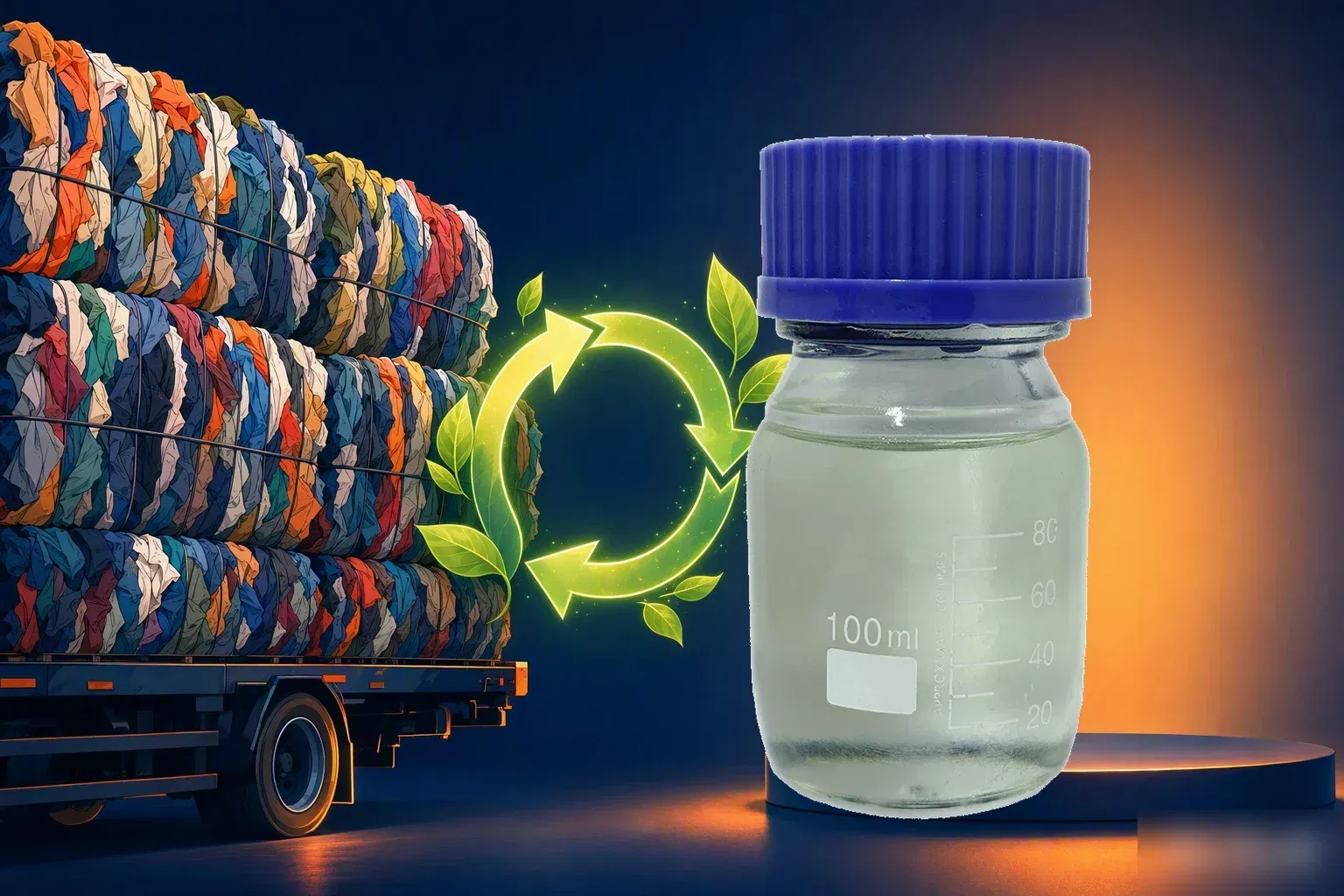
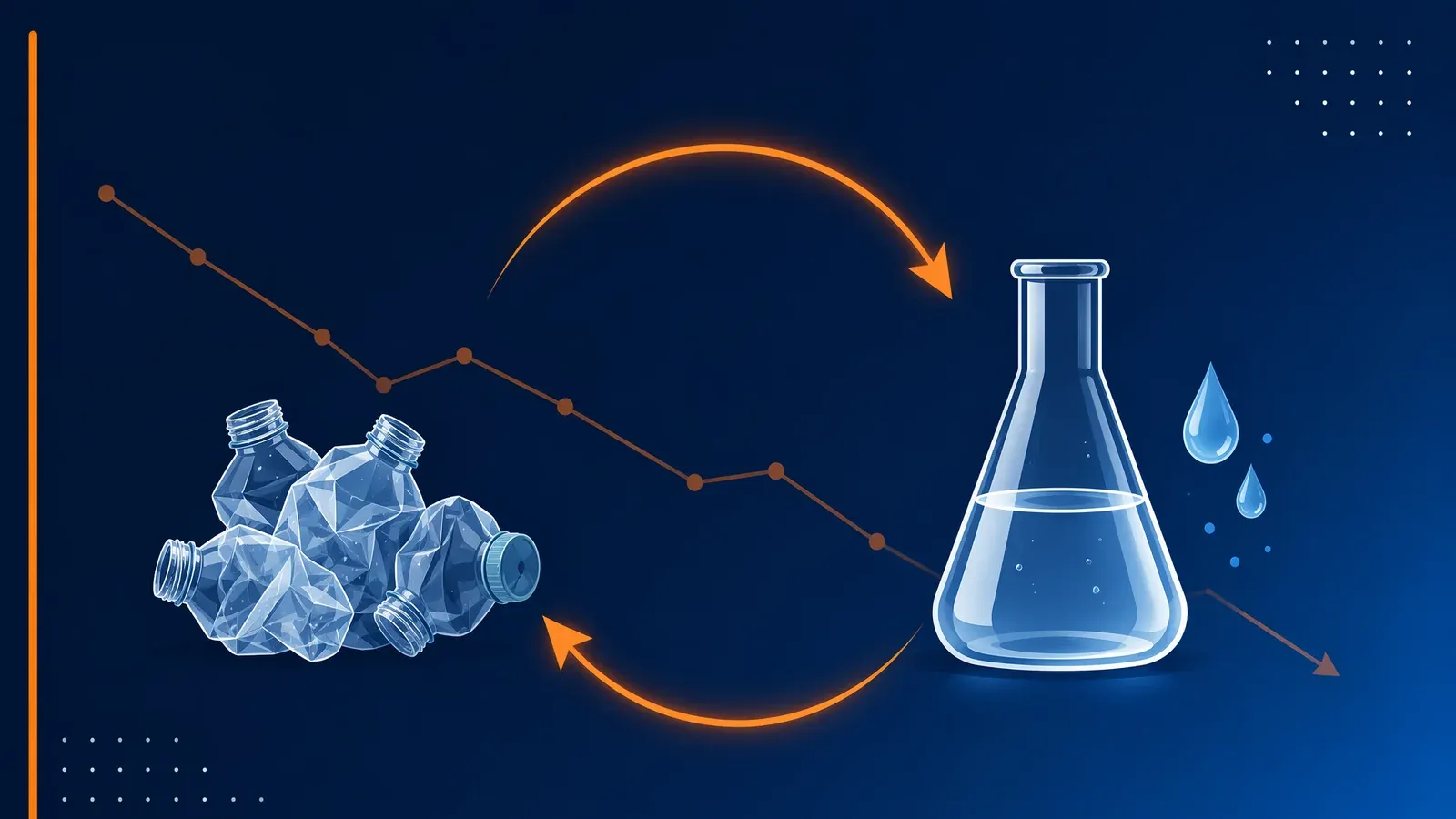
A significant portion of DOTP production now uses recycled PET (polyethylene terephthalate) as the terephthalic acid source. This circular economy model transforms waste PET bottles and packaging into high-value plasticizer, diverting plastic waste from landfills and reducing demand for virgin petroleum feedstock. The resulting DOTP is chemically identical to petroleum-derived DOTP — the molecular structure is the same regardless of feedstock origin.
PFAS-Free Certified
With growing regulatory scrutiny of per- and polyfluoroalkyl substances (PFAS), DOTP's PFAS-free status is an increasingly valuable environmental attribute. Shandong Changxing's DOTP has passed SGS total fluorine screening with no detectable PFAS (below 20 mg/kg), meeting the latest requirements for environmentally sensitive applications.
Regulatory Perspective: Why DOTP Is the Sustainable Choice
Environmental regulations worldwide are converging on a clear direction: ortho-phthalates are being phased out, and non-phthalate alternatives like DOTP are the future. Here is how the major regulatory frameworks position DOTP as the eco-friendly plasticizer of choice.
| Regulation / Standard | Requirement | DOTP Status |
|---|---|---|
| EU REACH Annex XVII (entry 51) | Ortho-phthalates ≤0.1% in consumer articles | Not restricted — terephthalate ester |
| EU REACH SVHC Candidate List | DEHP listed as SVHC (endocrine disruptor) | Not listed |
| EN 71-3 (Toy Safety) | Element migration limits for toy materials | Compliant (19 elements, zero migration) |
| US CPSIA | 8 ortho-phthalates ≤0.1% in children's products | Not among restricted phthalates |
| PFAS screening (SGS) | Total fluorine below detection limit | ND (<20 mg/kg) |
The regulatory trajectory is unmistakable. The EU has progressively expanded phthalate restrictions since 2005, and the trend continues globally. Countries in the Middle East, Southeast Asia, and South America are adopting similar frameworks. Choosing DOTP today means choosing a plasticizer that will remain compliant as regulations tighten further — a critical consideration for manufacturers with product lifecycles of 10 to 25 years.
Shandong Changxing's Commitment to Sustainability
Shandong Changxing Plastic Additives Co., Ltd. has built environmental responsibility into every layer of its operations, from raw material sourcing to finished product certification.
ISO 14001 Environmental Management
Our ISO 14001 certified environmental management system ensures continuous improvement in energy efficiency, waste reduction, and emissions control across both production bases.
Circular Economy: PET → DOTP
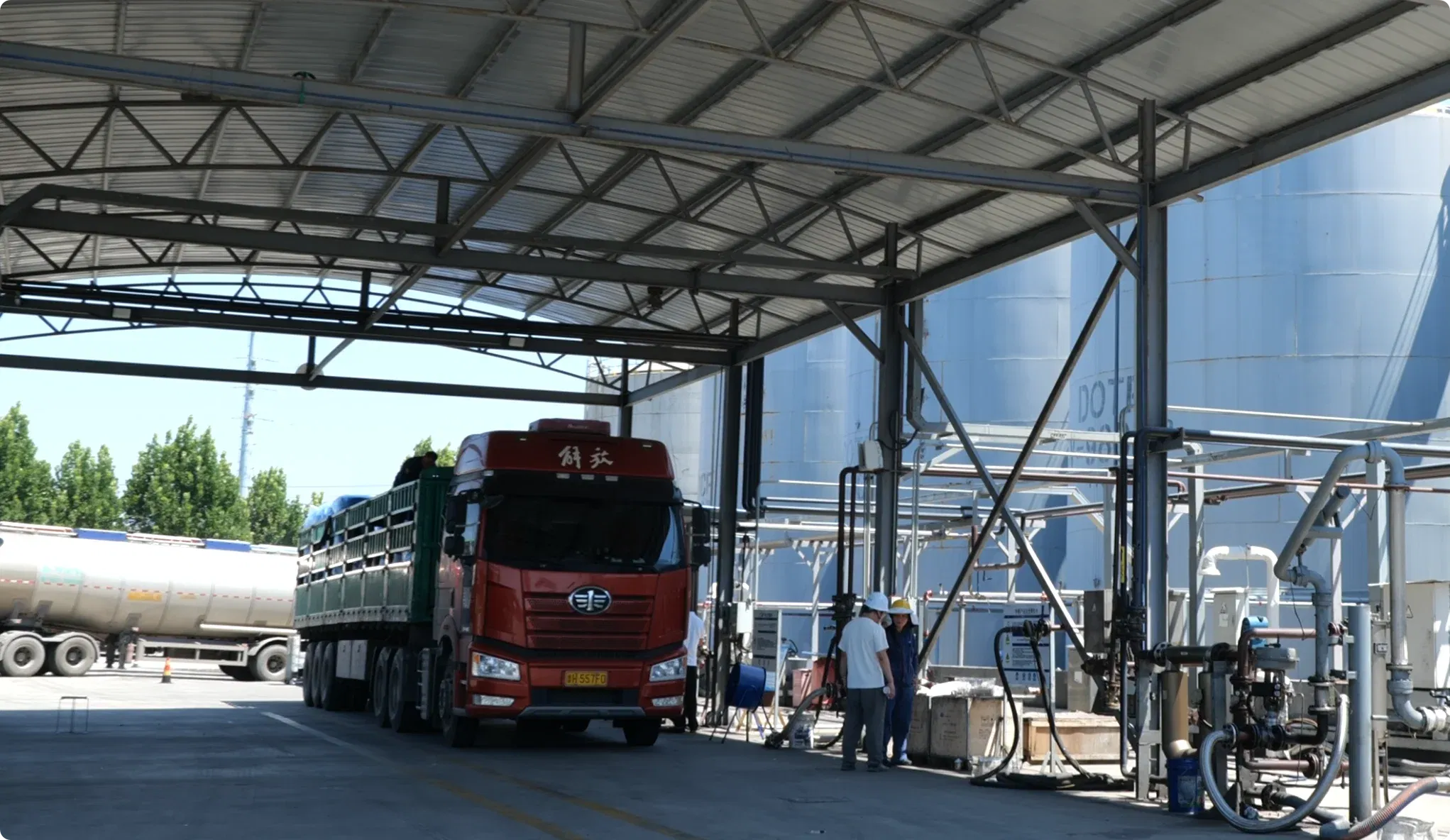
Our recycled PET-to-DOTP facility processes 150,000 tons annually, transforming waste PET into premium plasticizer. This circular economy model reduces landfill dependency and virgin petroleum demand.
Four ISO Certifications
ISO 9001 (Quality), ISO 14001 (Environmental), ISO 45001 (Health & Safety), and ISO 50001 (Energy) — a comprehensive management framework that integrates environmental performance with quality and safety.
SGS-Verified Compliance
Our DOTP has passed SGS testing for 17 restricted phthalates (zero detection), EN 71-3 element migration (19 elements, zero migration), and PFAS total fluorine screening (ND, below 20 mg/kg).
As a national "Little Giant" (专精特新) enterprise and Shandong Gazelle Enterprise, Shandong Changxing has demonstrated that environmental responsibility and manufacturing excellence are not competing priorities — they are complementary strengths. Our ISO 14001 certified manufacturing operations and 300,000-ton annual DOTP capacity ensure that sustainability is delivered at industrial scale. Explore our qualified DOTP product specifications for detailed compliance and performance data.
Frequently Asked Questions
Is DOTP biodegradable?
Yes. DOTP meets the OECD 301B criteria for ready biodegradability, achieving ≥60% theoretical CO₂ evolution within 28 days. Environmental microorganisms can hydrolyze the ester bonds and metabolize the resulting 2-ethylhexanol and terephthalic acid through well-characterized biochemical pathways.
How does DOTP compare to DEHP in environmental impact?
DOTP is significantly more environmentally favorable than DEHP across all key parameters: it biodegrades more readily (≥60% vs <30% in OECD 301B), has lower bioaccumulation potential (log Kow ~5.7 vs ~7.5), shows lower aquatic toxicity (>100 mg/L vs ~0.3–1.0 mg/L LC50), and is not classified as an endocrine disruptor. DEHP is listed as an SVHC under EU REACH, while DOTP is not restricted.
Is DOTP safe for the environment?
DOTP has a favorable environmental safety profile. Its low migration rate from PVC products (3–5× lower than DEHP) means less plasticizer enters the environment during use. When it does enter the environment, it biodegrades readily and does not bioaccumulate. It is not classified as persistent, bioaccumulative, or toxic (PBT) under REACH criteria.
What makes DOTP an eco-friendly plasticizer?
DOTP is eco-friendly for multiple reasons: it is a non-phthalate terephthalate ester (not restricted under REACH), it biodegrades readily under OECD 301B conditions, it has low migration from PVC products, it can be produced from recycled PET feedstock (circular economy), it is PFAS-free (SGS verified), and it is not classified as an endocrine disruptor. These properties make it the preferred sustainable alternative to DEHP across wire and cable, flooring, toys, and medical applications.
Sources: OECD Guidelines for the Testing of Chemicals, Section 3 (Degradation and Accumulation), Test No. 301B; ECHA REACH Annex XVII (Restricted Substances); ECHA SVHC Candidate List; ISO 177 (Plasticizer Migration Test); ISO 14851/14852 (Aerobic Biodegradability in Aqueous Medium).
Ready to Source Eco-Friendly DOTP?
Shandong Changxing Plastic Additives Co., Ltd. is an ISO 9001 and ISO 14001 certified manufacturer with 300,000 tons annual capacity. We supply DOTP, DCP, and 2-octanol to clients worldwide. Our DOTP has passed SGS testing for 17 restricted phthalates, EN 71-3, and PFAS — providing the compliance documentation your environmental dossiers require.
Request a Free Quote