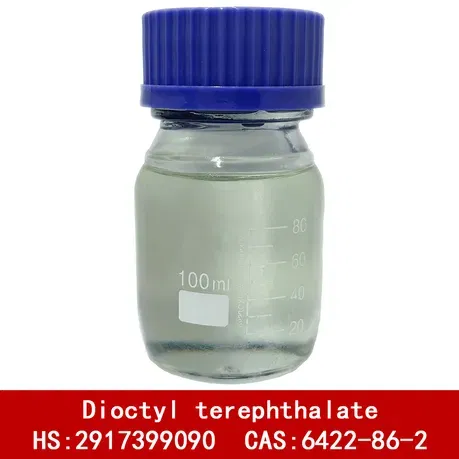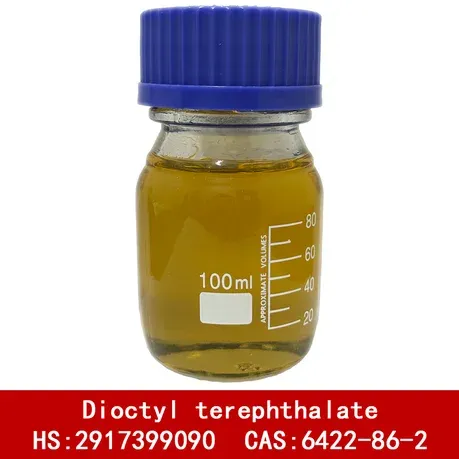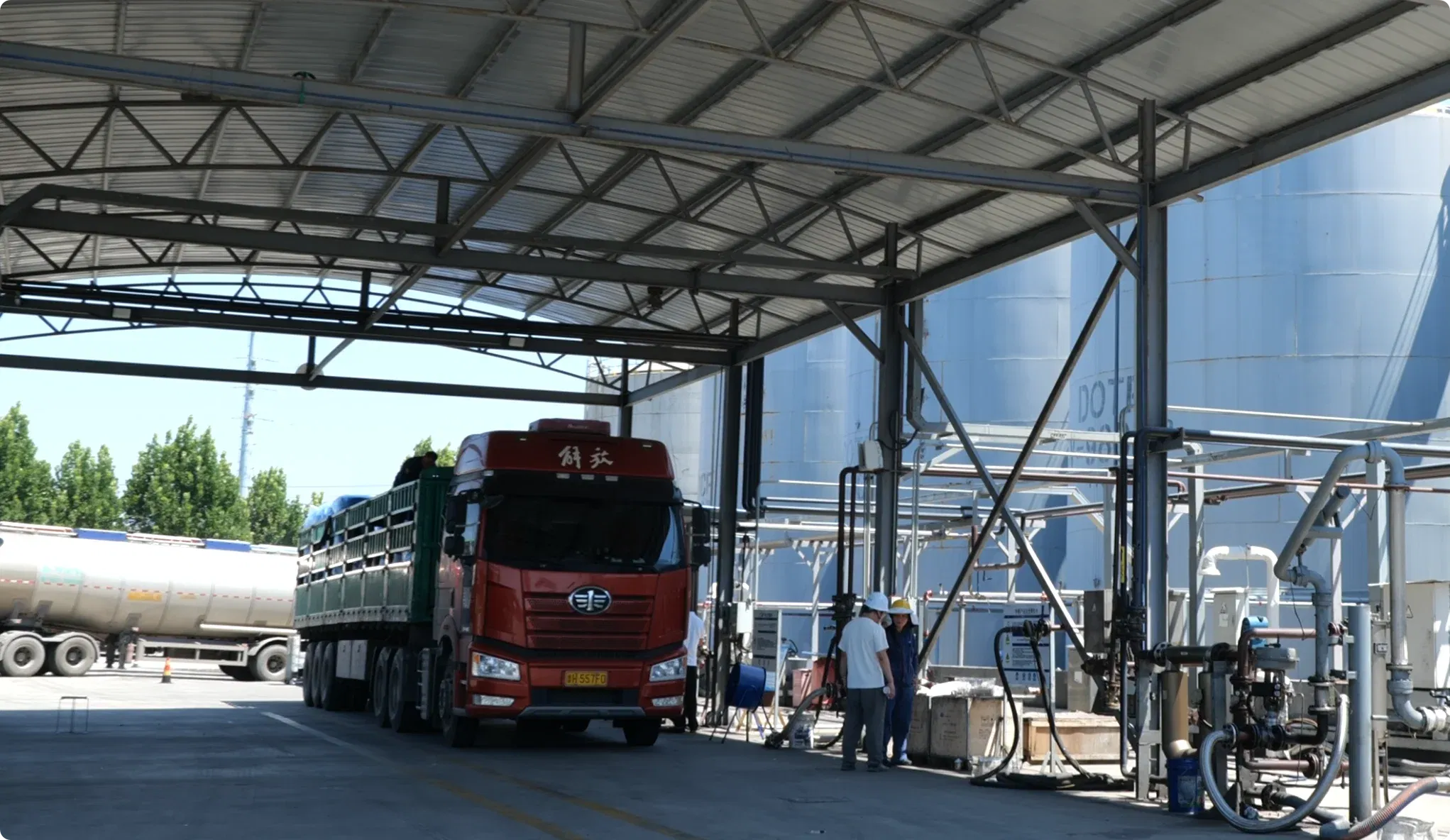

India imports an estimated 80,000–120,000 tons of DOTP (Dioctyl Terephthalate, CAS 6422-86-2) plasticizer annually, making it one of the world's largest import markets for this non-phthalate PVC additive. With minimal domestic production capacity, Indian PVC manufacturers—from cable compounders in Mumbai to medical-glove makers in Chennai—must navigate a multi-step import process involving customs duties, BIS certification, and documentation requirements. This guide walks you through every step of importing DOTP to India, from obtaining an IEC code to clearing customs at Nhava Sheva, so you can source premium DOTP plasticizer with confidence. For current pricing, see our DOTP price in India market guide.
Why India Imports DOTP: Market Context
India's PVC industry consumes over 3.5 million tons of PVC resin annually, with demand growing at 8–10% CAGR driven by infrastructure investment (Smart Cities Mission), automotive production, and medical-device manufacturing. The shift from DOP to DOTP—accelerated by export-market compliance requirements (EU REACH, US CPSIA)—has created a structural supply gap. For a deeper understanding of the global phthalate-to-non-phthalate transition, see our complete guide to phthalate-free plasticizers. India's domestic DOTP production is limited to small-scale facilities totaling less than 20,000 tons/year, meaning over 95% of DOTP demand must be met through imports.
India DOTP Import Snapshot (2026)
- • Annual import volume: 80,000–120,000 tons
- • Domestic production: <20,000 tons/year (mostly qualified-grade)
- • Primary application sectors: Wire & cable (35%), flooring (20%), medical gloves (15%), toys (10%)
- • Key import origins: China (~70%), South Korea, Taiwan, Turkey
- • Major entry ports: Mundra, Nhava Sheva (JNPT), Chennai, Kandla
Prerequisites: IEC Registration and HS Code
IEC (Importer-Exporter Code)
Every Indian entity importing DOTP must hold a valid IEC (Importer-Exporter Code) issued by the Directorate General of Foreign Trade (DGFT). This 10-digit alphanumeric code is mandatory for customs clearance and is linked to your GSTIN (GST Identification Number).
- Application: Online through the DGFT portal. No physical documents required.
- Processing time: 3–5 working days for standard applications.
- Cost: No government fee; nominal processing charges through the portal.
- Validity: Lifetime (no renewal required), but must be updated if business details change.
HS Code Classification for DOTP
DOTP customs duty India calculations start with the correct HS code. DOTP (Dioctyl Terephthalate, CAS 6422-86-2) is classified under the Central Board of Indirect Taxes and Customs (CBIC) tariff schedule as:
| Classification Level | Code | Description |
|---|---|---|
| Chapter | 29 | Organic chemicals |
| Heading | 2917 | Polycarboxylic acids and their derivatives |
| Subheading | 2917.39 | Aromatic polycarboxylic acids, derivatives n.e.c. |
| India 8-digit | 2917.39.90 | Other aromatic polycarboxylic acid derivatives |
Important: Always confirm the precise 8-digit classification with your customs broker before shipment. Misclassification can result in duty underpayment penalties or clearance delays.
7-Step DOTP Import Process for India
Whether you are a first-time DOTP importer or an experienced procurement manager, the following seven steps outline the complete import workflow from supplier selection to warehouse delivery.
Step 1: Select a DOTP Supplier and Negotiate Incoterms
Evaluate suppliers based on production capacity, ISO certifications, REACH registration, and ability to provide BIS-compliant documentation. For new importers, CIF Mumbai or CIF Nhava Sheva terms are recommended—the supplier handles freight and insurance to the Indian port. Experienced importers may negotiate FOB Qingdao to use their own freight forwarder and potentially reduce costs by 3–5%.
Key selection criteria: ISO 9001/14001/45001/50001 certification, SGS phthalate-free test reports, REACH registration, annual capacity ≥100,000 tons, and a proven track record of India shipments.
Step 2: Sign the Purchase Contract
The contract should specify: product grade (premium or qualified-grade DOTP), quantity, price basis (CIF or FOB), payment terms (typically T/T or LC at sight), delivery timeline, quality specifications (ester content ≥98%, volume resistivity ≥2×10¹² Ω·cm), and documentation requirements (SDS, CoA, Certificate of Origin).
Step 3: Initiate BIS Certification (If Applicable)
If your end product requires a BIS ISI mark or you are supplying government tenders, you need BIS certification under IS 10158 (Specification for Dioctyl Terephthalate). The process involves submitting samples to a BIS-recognized laboratory, factory inspection (for foreign manufacturers via a local representative), and documentation review. Timeline: 8–12 weeks. For private-label products not requiring an ISI mark, BIS certification is optional but recommended for market credibility.
Step 4: Arrange Shipping and Insurance
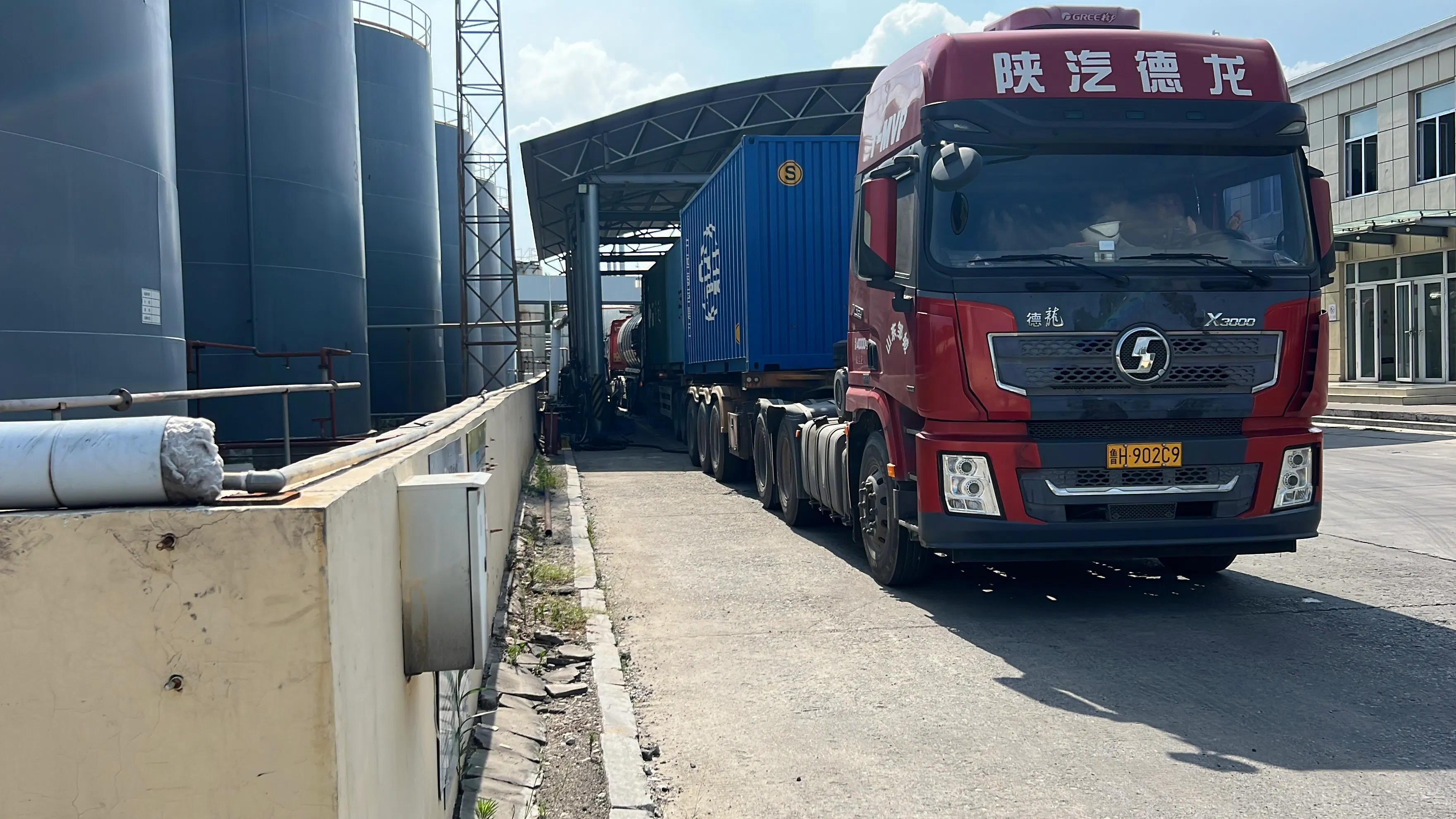
DOTP is classified as non-dangerous goods under IMDG, ADR, and IATA regulations, simplifying shipping. Standard packaging includes flexitanks (20–24 tons per 20-foot container), IBC totes (1,000 kg each), or 200 kg steel drums. Transit time from Qingdao to Nhava Sheva is typically 18–25 days depending on routing (direct vs. transshipment).
Step 5: Engage a Customs House Agent (CHA)
A licensed CHA at the destination port handles all customs formalities. Submit the following documents to your CHA before vessel arrival: commercial invoice, packing list, bill of lading (B/L), certificate of origin, GHS-classified SDS, and Certificate of Analysis (CoA). The CHA files the Bill of Entry (BE) electronically through ICEGATE (Indian Customs Electronic Commerce/Electronic Data Interchange Gateway).
Step 6: Pay Customs Duties and GST
The total DOTP customs duty India burden adds approximately 27.74% to the CIF value: Basic Customs Duty (BCD) 7.5%, Social Welfare Surcharge (SWS) 0.75%, and Integrated GST (IGST) 19.49%. Duties are assessed on the CIF value and must be paid before cargo release. Registered GST manufacturers can claim IGST (18%) as input tax credit, effectively reducing the net duty burden to approximately 8.25%. See the detailed duty structure and worked example in the Customs Duty section below.
Step 7: Inland Transport to Warehouse
After customs clearance, arrange container movement via rail (through an Inland Container Depot, ICD) or road transport to your warehouse. DOTP is non-hazardous for transport, but ensure compliance with state pollution control board norms for chemical storage. Typical inland transport costs: ₹8,000–₹15,000 per container for distances under 500 km.
DOTP Customs Duty India: Complete Tax Structure
Understanding the DOTP customs duty India structure is critical for accurate landed-cost calculations. The total duty burden adds approximately 27–28% to the CIF value, based on the CBIC tariff schedule for HS 2917.39.90.
| Duty/Tax Component | Rate | Calculation Base | Effective Rate on CIF |
|---|---|---|---|
| Basic Customs Duty (BCD) | 7.5% | CIF value | 7.50% |
| Social Welfare Surcharge (SWS) | 10% of BCD | BCD amount | 0.75% |
| Integrated GST (IGST) | 18% | CIF + BCD + SWS | 19.49% |
| Total Landed Cost Addition | — | — | ~27.74% |
Worked Example: 24-Ton DOTP Shipment CIF Mumbai
- • CIF value: 24 tons × $1,350/ton = $32,400
- • BCD (7.5%): $2,430
- • SWS (10% of BCD): $243
- • IGST (18% on $35,073): $6,313
- • Total duty & tax: $8,986
- • Landed cost: $41,386 (~$1,724/ton including all duties)
- • IGST input credit: $6,313 (available for registered manufacturers)
Key insight: Registered GST manufacturers can recover the IGST component (18%) as input tax credit, effectively reducing the duty burden to approximately 8.25% on CIF. This makes importing DOTP significantly more cost-effective for established PVC manufacturers compared to traders who cannot claim IGST credit.
BIS Certified DOTP: Compliance for the Indian Market
The Bureau of Indian Standards (BIS) publishes IS 10158: Specification for Dioctyl Terephthalate (DOTP), which defines quality parameters for DOTP used in PVC applications. The full standard is available from the BIS official website. While BIS certification is not legally mandatory for all DOTP imports, it is required for:
- ISI-marked products: Any PVC product bearing the BIS ISI mark must use BIS-certified raw materials.
- Government tenders: Public procurement often specifies BIS-certified inputs.
- Food-contact and medical applications: Regulatory compliance increasingly demands certified raw materials.
BIS Certification Process for Foreign Manufacturers
Foreign DOTP manufacturers seeking BIS certification must appoint an Authorized Indian Representative (AIR) and undergo a three-stage process:
- Application submission: File with BIS through the AIR, including factory details, quality management system documentation, and product specifications.
- Factory inspection: BIS officers (or their designated agency) conduct an on-site audit of the manufacturing facility, verifying production processes, quality control systems, and testing capabilities.
- Sample testing: Product samples are tested at a BIS-recognized laboratory against IS 10158 parameters (ester content, color, acid value, volume resistivity, flash point, moisture).
Timeline: 8–12 weeks from application to grant of license. Validity: 2 years, renewable. Cost: Approximately $2,000–$4,000 including testing fees, inspection charges, and AIR fees.
Required Documentation Checklist for DOTP Import
Complete documentation is essential for smooth customs clearance. Missing or incorrect documents are the #1 cause of clearance delays. Prepare the following before your shipment arrives:
| # | Document | Source | Notes |
|---|---|---|---|
| 1 | Commercial Invoice | Supplier | CIF/FOB value, product description, HS code, payment terms |
| 2 | Packing List | Supplier | Net/gross weight, number of packages, container number |
| 3 | Bill of Lading (B/L) | Shipping line | 3 originals required; telex release acceptable |
| 4 | Certificate of Origin | Chamber of Commerce | Required for preferential duty rates (if applicable) |
| 5 | GHS-classified SDS | Supplier | 16-section format per GHS Rev.9; DOTP is non-hazardous |
| 6 | Certificate of Analysis (CoA) | Supplier | Actual test results: ester content, color, acid value, resistivity |
| 7 | REACH Registration Statement | Supplier | Confirms EU REACH compliance for export-oriented products |
| 8 | Phthalate-free Test Report (SGS) | Third-party lab | 17 phthalates per CPSC-CH-C1001-09.4; all ND |
| 9 | IEC Copy | Importer | Valid IEC linked to GSTIN |
| 10 | BIS License (if applicable) | BIS | Required for ISI-marked products or government tenders |
DOTP Import Port Selection and Logistics in India
Choosing the right port of entry can significantly impact your total landed cost and delivery timeline. India's four major chemical import gateways each have distinct advantages:
| Port | State | Advantages | Typical Clearance |
|---|---|---|---|
| Nhava Sheva (JNPT) | Maharashtra | Largest container port; best CHA network; proximity to Mumbai/Pune industrial belt | 3–5 days |
| Mundra | Gujarat | Fastest clearance; lower port charges; excellent road/rail connectivity to North India | 2–4 days |
| Chennai | Tamil Nadu | Best for South India; serves medical-glove cluster in Tamil Nadu/AP | 3–5 days |
| Kandla (Deendayal) | Gujarat | Lowest port dues; handles bulk liquid chemicals; Kandla SEZ benefits | 2–4 days |
Recommendation for first-time importers: Start with CIF Mundra or CIF Nhava Sheva. Mundra offers the fastest clearance and lowest costs, while Nhava Sheva provides the deepest CHA expertise for chemical imports. For South Indian manufacturers (Tamil Nadu, Andhra Pradesh, Karnataka), CIF Chennai eliminates 1,500+ km of inland transport.
Common DOTP Import Pitfalls and How to Avoid Them
Pitfall 1: Incorrect HS Code Classification
Some importers incorrectly classify DOTP under HS 2917.36 (phthalic acid esters) instead of 2917.39. This can trigger higher duty rates or seizure. Solution: Always use 2917.39 and confirm with your CHA before filing the Bill of Entry.
Pitfall 2: Missing Phthalate-Free Documentation
Indian customs and downstream buyers increasingly demand phthalate-free certification. Without an SGS test report, your shipment may face delays or buyer rejection. Solution: Request a CPSC-CH-C1001-09.4 test report from your supplier with every shipment.
Pitfall 3: Ignoring IGST Input Credit
Many first-time importers fail to claim IGST input credit, effectively paying 18% more than necessary. Solution: Ensure your GST registration covers the import category and file GSTR-2 to claim the credit within the prescribed timeline.
Pitfall 4: Monsoon Season Port Delays
Nhava Sheva and Mundra experience 3–7 day delays during the June–September monsoon, increasing demurrage costs. Solution: Plan shipments to arrive outside peak monsoon weeks, or build 5–7 extra days into your delivery schedule during this period.
Why Source DOTP from Shandong Changxing for India
Shandong Changxing Plastic Additives Co., Ltd. is an ISO 9001/14001/45001/50001 certified manufacturer with a group annual capacity of 300,000 tons. We are recognized as a national-level Little Giant enterprise and a Shandong Gazelle Enterprise, with production technology certified as "internationally advanced" by the Shandong Association for Science and Technology. Learn more about our company and certifications.
- India-ready documentation: GHS-classified SDS, CoA with actual test results, REACH registration statement, Certificate of Origin, and SGS phthalate-free/EN 71-3/PFAS test reports—all provided as standard.
- Proven India track record: We have been shipping DOTP to Indian ports (Mundra, Nhava Sheva, Chennai) for over 5 years with zero clearance rejections.
- Flexible packaging: Flexitanks (20–24 tons/container), IBC totes (1,000 kg), and 200 kg drums to match your warehouse capabilities.
- Competitive CIF terms: FOB Qingdao or CIF to any Indian port. Standard delivery within 7 days of order confirmation.
- BIS support: We provide all technical documentation and sample support needed for your BIS IS 10158 certification application.
Frequently Asked Questions
What is the HS code for DOTP in India?
DOTP (Dioctyl Terephthalate, CAS 6422-86-2) falls under HS code 2917.39 (aromatic polycarboxylic acids and their derivatives). The India-specific 8-digit classification is 2917.39.90. Always confirm the precise code with your customs broker before shipment to avoid misclassification penalties.
What is the customs duty on DOTP imports to India?
The total duty burden on DOTP imports to India is approximately 27.74% of CIF value: Basic Customs Duty (BCD) 7.5%, Social Welfare Surcharge (SWS) 10% of BCD (effective 0.75%), and IGST 18% on (CIF + BCD + SWS). Registered GST manufacturers can claim IGST as input tax credit, effectively reducing the net duty burden to approximately 8.25%.
Do I need BIS certification to import DOTP to India?
BIS certification under IS 10158 is mandatory for ISI-marked products and government tenders. For private-label products not requiring an ISI mark, BIS certification is optional but recommended for market credibility. The certification process takes 8–12 weeks and involves sample testing, factory inspection, and documentation review.
What documents are required to import DOTP to India?
Essential documents include: commercial invoice, packing list, bill of lading, certificate of origin, GHS-classified SDS, Certificate of Analysis (CoA), REACH registration statement, SGS phthalate-free test report, valid IEC, and BIS license (if applicable). Missing documents are the #1 cause of clearance delays.
Which Indian port is best for DOTP imports?
Mundra offers the fastest clearance (2–4 days) and lowest port charges. Nhava Sheva (JNPT) has the deepest CHA expertise for chemical imports and serves the Mumbai/Pune industrial belt. Chennai is optimal for South Indian manufacturers, especially the medical-glove cluster in Tamil Nadu and Andhra Pradesh.
Ready to Import DOTP to India?
Shandong Changxing Plastic Additives Co., Ltd. is an ISO 9001 certified manufacturer with 300,000 tons annual capacity. We supply DOTP, DCP, and 2-octanol to clients worldwide—including leading Indian PVC manufacturers.
Request a Free Quote