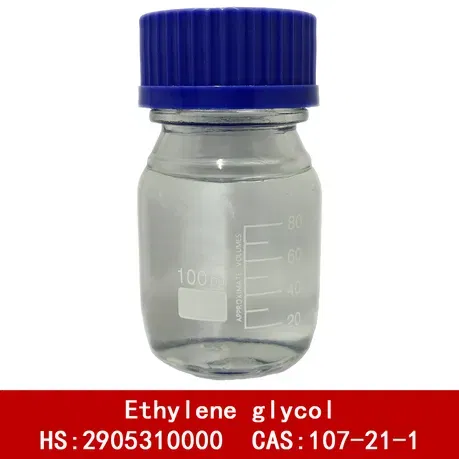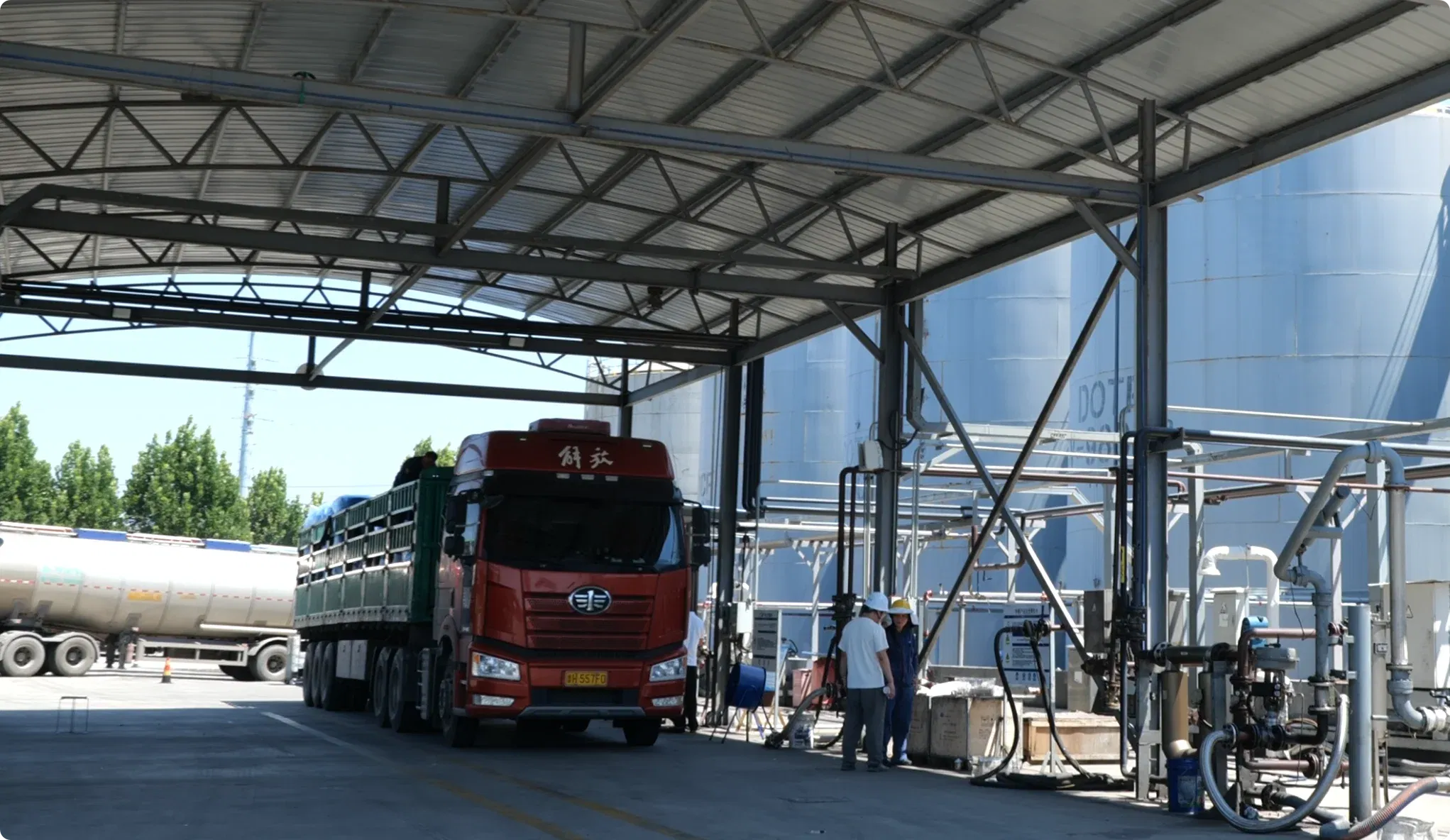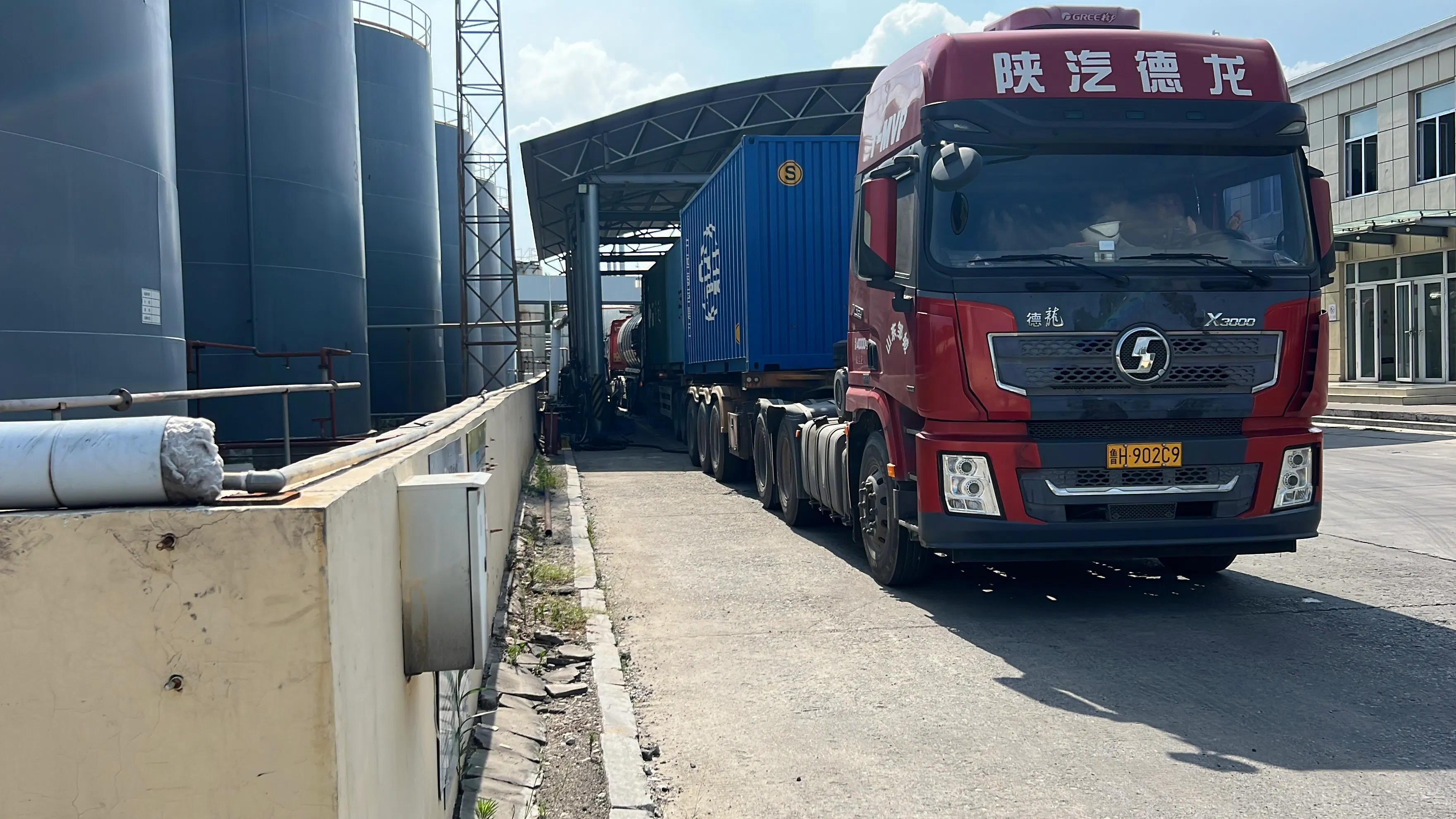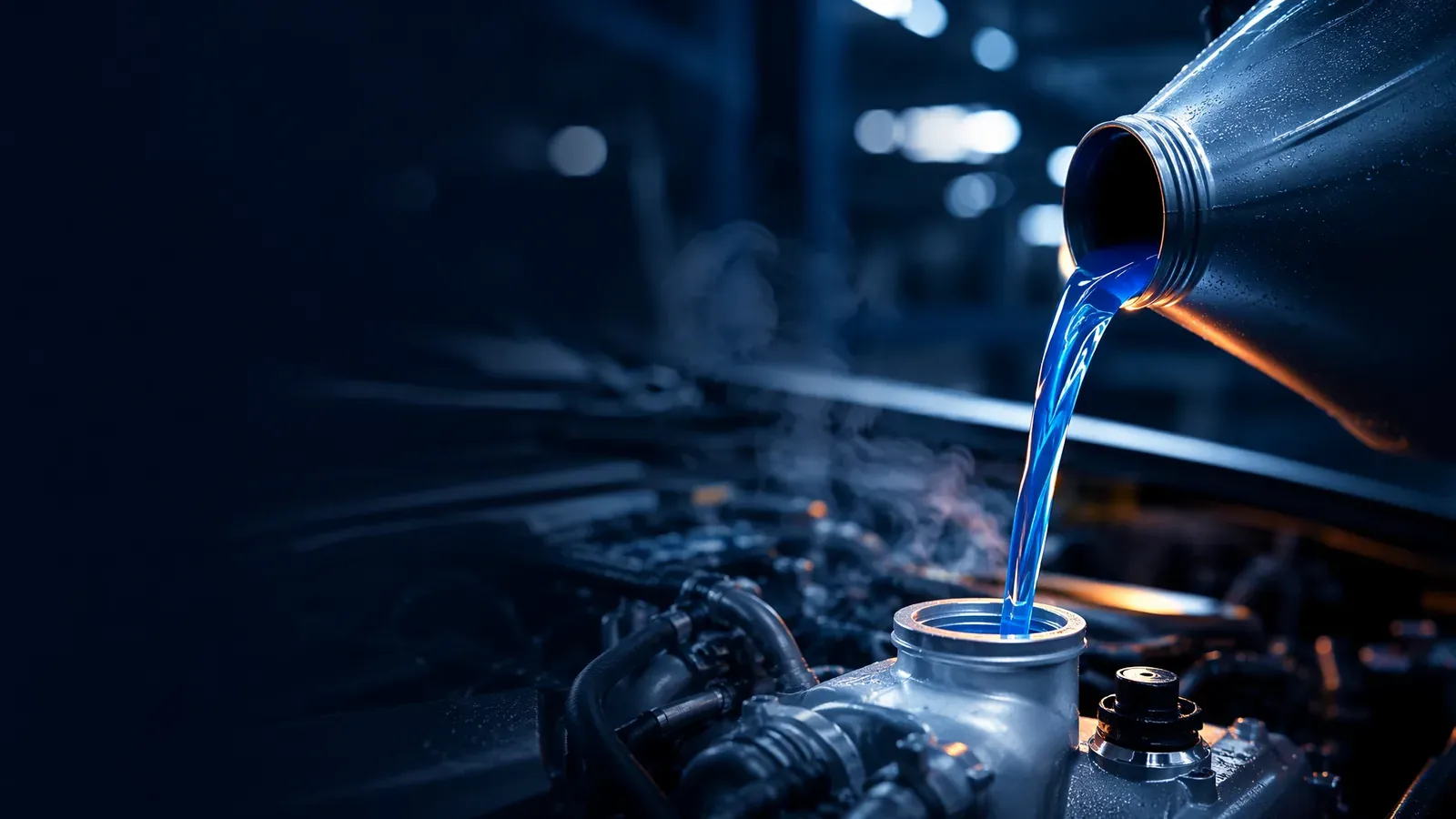

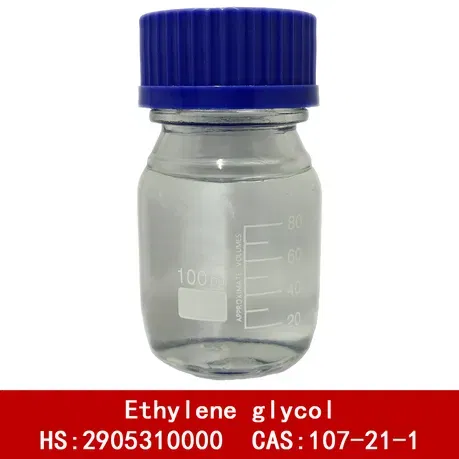
Every winter, airports and highways across the Northern Hemisphere face the same critical challenge: keeping surfaces safe from ice and snow. Ethylene glycol deicing is the cornerstone of modern winter operations, protecting runways, taxiways, and road infrastructure when temperatures plummet below freezing. MEG (Monoethylene Glycol, CAS 107-21-1) 鈥?the same chemical that protects automotive engines as antifreeze 鈥?serves as the primary active ingredient in both airport deicing fluids and road deicer formulations worldwide. For deicing manufacturers seeking a reliable premium MEG (Monoethylene Glycol) supply, understanding the science, standards, and application of ethylene glycol deicing is essential.
Key Takeaways
- Ethylene glycol (MEG) lowers the freezing point of water through colligative properties 鈥?a 50% MEG solution freezes at approximately 鈭?7 掳C (鈭?4 掳F).
- Airport deicing fluids are classified into Type I, II, III, and IV by SAE AMS specifications, each designed for specific aircraft and operational conditions.
- MEG-based road deicers outperform rock salt (NaCl) below 鈭?2 掳C and work faster on bonded ice, making them essential for critical highway and bridge applications.
- Environmental regulations (EPA, EU Water Framework Directive, ICAO) require containment, collection, and proper disposal of spent deicing fluid.
- Antifreeze-grade MEG (鈮?9.5% purity, CAS 107-21-1) is required for deicing formulations 鈥?lower grades introduce contaminants that degrade performance.
How Ethylene Glycol Deicing Works
Ethylene glycol deicing relies on freeze point depression 鈥?a colligative property that occurs when a solute (MEG) dissolves in a solvent (water). When MEG molecules mix with water, they disrupt the hydrogen-bond network that forms ice crystals, effectively lowering the temperature at which the solution freezes.
The relationship between MEG concentration and freeze point is well-characterized and forms the basis for all deicing fluid formulations:
| MEG Concentration | Freeze Point | Deicing Application |
|---|---|---|
| 25% | 鈭?0 掳C (14 掳F) | Light frost, preventive anti-icing |
| 30% | 鈭?5 掳C (5 掳F) | Road deicer, mild winter conditions |
| 50% | 鈭?7 掳C (鈭?4 掳F) | Standard airport Type I fluid |
| 58% | 鈭?8 掳C (鈭?4 掳F) | Extreme cold, Type II/IV thickened fluids |
Note: Beyond 60% MEG concentration, the freeze point begins to rise because the solution starts behaving more like pure glycol. The optimal deicing range is 45鈥?8% MEG.
MEG offers several advantages over alternative deicers for both airport and road applications:
- Faster ice penetration: MEG solutions have lower viscosity than propylene glycol at equivalent concentrations, allowing faster penetration through bonded ice layers.
- Lower effective temperature: MEG achieves lower freeze points than propylene glycol at the same concentration, making it more effective in extreme cold conditions.
- Cost efficiency: MEG is typically 15鈥?5% less expensive than propylene glycol per ton, a significant factor for high-volume airport deicing operations that consume thousands of tons per winter season.
- Corrosion inhibition: When formulated with appropriate additives, MEG-based deicers protect aluminum airframes and steel bridge structures 鈥?a critical requirement explored in our ethylene glycol antifreeze applications guide.
Airport Deicing Applications
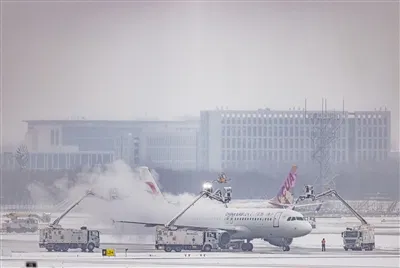
Airport deicing is the single largest application for airport deicer MEG by volume. Major international airports in cold-climate regions 鈥?including Chicago O'Hare, Helsinki-Vantaa, Toronto Pearson, and Beijing Capital 鈥?each consume 1,000鈥?,000 tons of MEG-based deicing fluid per winter season, according to Airports Council International (ACI) winter operations data. The aviation industry classifies deicing fluids into four types, each governed by SAE Aerospace Material Specifications (AMS):
| Type | SAE Spec | MEG Content | Holdover Time | Primary Use |
|---|---|---|---|---|
| Type I | AMS 1424 | 45鈥?5% | 6鈥?5 min | Deicing (snow/ice removal) |
| Type II | AMS 1428 | 50鈥?8% | 30鈥?5 min | Anti-icing (slow aircraft) |
| Type III | AMS 1428 | 50鈥?5% | 20鈥?0 min | Anti-icing (medium-speed) |
| Type IV | AMS 1428 | 50鈥?8% | 60鈥?0 min | Anti-icing (high-speed jets) |
Runway and Taxiway Deicing
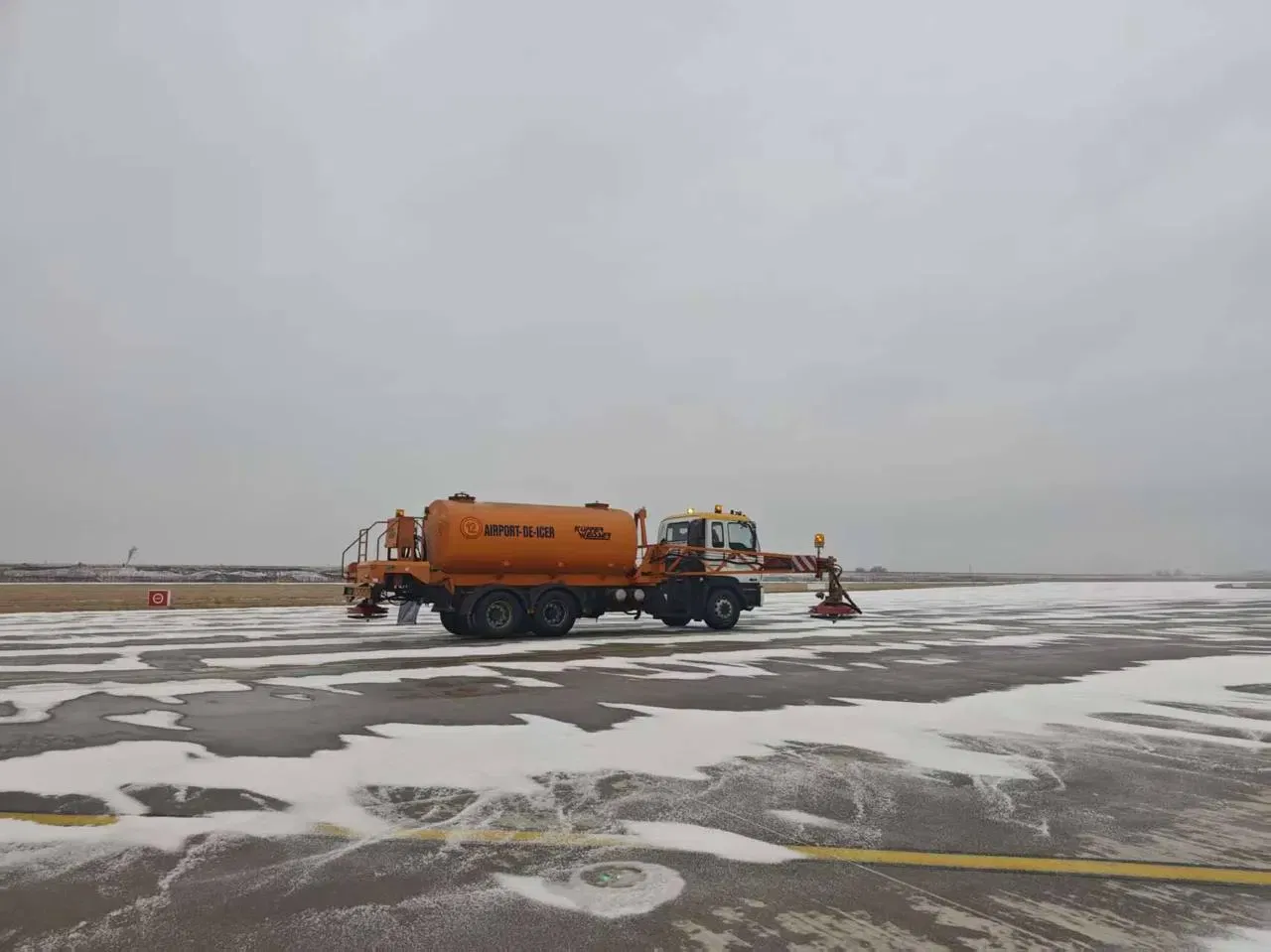
Beyond aircraft deicing, ethylene glycol runway deicing is critical for maintaining safe surface conditions. Airport authorities apply MEG-based pavement deicers to runways, taxiways, and aprons to prevent ice formation and break bonded snow-ice layers. Typical application rates range from 20鈥?0 g/m虏 depending on surface temperature, ice thickness, and precipitation intensity.
FAA Advisory Circular 150/5200-30C requires certified airports to maintain a Snow and Ice Control Plan that specifies deicing fluid types, application procedures, and environmental management protocols. MEG-based pavement deicers are preferred at major airports because they:
- Work effectively at temperatures as low as 鈭?0 掳C (鈭?2 掳F)
- Do not corrode aluminum airframe components tracked onto pavement surfaces
- Provide residual anti-icing protection for 4鈥? hours after application
- Are compatible with rubber removal and pavement marking operations
Deicing Fluid Formulation: Additives and Corrosion Inhibitors
Raw MEG alone does not meet SAE AMS specifications for airport deicing fluids. Commercial deicing formulations are complex mixtures where MEG serves as the base fluid, supplemented with carefully selected additive packages that ensure aircraft safety and material compatibility:
- Corrosion inhibitors: Tolyltriazole or benzotriazole (0.05鈥?.2% by weight) protect aluminum alloys, copper, and cadmium-plated steel components from corrosion. These inhibitors form a passive molecular film on metal surfaces, preventing electrochemical attack even when deicing fluid remains on airframe surfaces for extended holdover times.
- Surfactants (wetting agents): Non-ionic surfactants (0.01鈥?.05%) reduce surface tension, allowing the deicing fluid to spread evenly across contaminated surfaces and penetrate beneath bonded ice layers more effectively.
- Thickeners (Type II/IV only): Pseudo-plastic polymers such as polyacrylates or xanthan gum (0.3鈥?.0%) create the shear-thinning behavior required for anti-icing fluids. These thickeners keep the fluid on aircraft surfaces during taxi and takeoff, extending holdover time from minutes to over an hour.
- pH buffers: Phosphate or borate buffers maintain the formulation at pH 7.5鈥?.0, preventing acidic degradation of aluminum and ensuring long-term storage stability.
- UV stabilizers and dyes: Fluorescent dyes (typically orange or yellow for Type I, green for Type IV) enable visual verification of fluid coverage during application, while UV stabilizers prevent photo-degradation during storage.
The additive package typically constitutes 1鈥?% of the total formulation by weight but is critical for meeting SAE AMS performance requirements. Deicing manufacturers must source MEG with consistently low contaminant levels (particularly chloride and iron), as impurities can interfere with inhibitor performance and accelerate corrosion 鈥?a key reason why antifreeze-grade MEG (鈮?9.5% purity) is specified for deicing applications. For a broader overview of MEG's industrial applications beyond deicing, see our comprehensive ethylene glycol uses guide.
Road & Highway Deicing
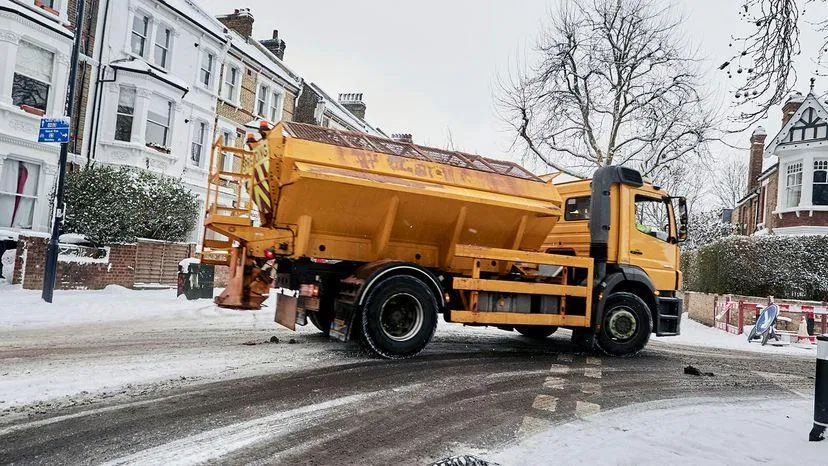
While rock salt (sodium chloride) remains the most common road deicer by volume, MEG-based liquid deicers have become essential for critical infrastructure 鈥?bridges, elevated highways, tunnel approaches, and intersections 鈥?where salt corrosion poses unacceptable risks to structural steel and reinforced concrete.
MEG vs. Rock Salt: Performance Comparison
| Property | MEG-Based Deicer | Rock Salt (NaCl) |
|---|---|---|
| Effective temperature range | Down to 鈭?7 掳C (鈭?4 掳F) | Effective only above 鈭?2 掳C (10 掳F) |
| Ice penetration speed | Fast (liquid penetrates bonded ice) | Slow (requires brine formation first) |
| Corrosion impact | Low (with inhibitors) | High 鈥?accelerates steel and concrete degradation |
| Environmental impact | Moderate (biodegradable, BOD concern) | High 鈥?chloride contamination of soil and water |
| Cost per ton | Higher | Lower |
Many highway agencies now use a pre-wetting strategy 鈥?applying MEG-based liquid deicer to rock salt before spreading 鈥?which reduces salt bounce and scatter by 20鈥?0%, accelerates brine formation, and extends the effective temperature range of salt to approximately 鈭?8 掳C (0 掳F), as documented in FHWA research reports on winter highway maintenance. This hybrid approach reduces total salt consumption by 25鈥?0% while maintaining road safety.
Bridge and Critical Structure Protection
Bridges are particularly vulnerable to ice formation because they lack the ground's thermal mass, freezing before road surfaces. The U.S. Federal Highway Administration (FHWA) identifies deicing salt as the primary cause of reinforced concrete bridge deck deterioration, costing an estimated $8.3 billion annually in repair and replacement according to the FHWA National Bridge Inventory data. MEG-based liquid deicers provide a corrosion-conscious alternative for these critical structures, as detailed in our comprehensive ethylene glycol storage and safety guide.
Deicing Application Methods and Equipment
The effectiveness of ethylene glycol deicing depends not only on fluid formulation but also on proper application methods and equipment. Both airport and road deicing operations use specialized equipment designed to deliver precise fluid volumes at controlled rates:
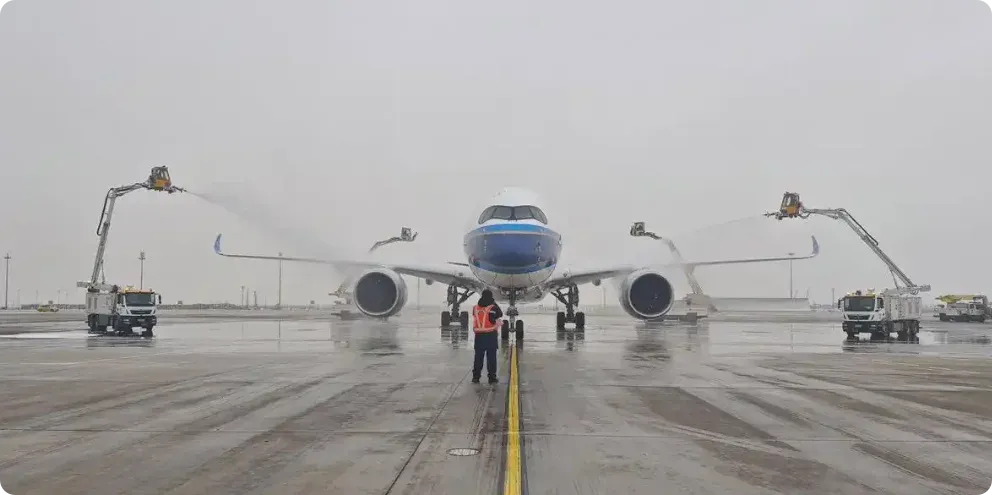
- Aircraft deicing trucks: Modern deicing vehicles combine a 2,000鈥?,000 liter fluid tank, a high-capacity pump (200鈥?00 L/min), and a hydraulically elevated basket for operators to direct spray from above. Airport deicing is performed at dedicated pads near terminal gates or at centralized deicing facilities (CDFs) that can process 8鈥?2 aircraft per hour during peak winter operations.
- Runway spray vehicles: Airport authorities use truck-mounted or trailer-mounted spray systems with boom widths of 6鈥?2 meters, applying MEG-based pavement deicer at rates of 20鈥?0 g/m虏. GPS-guided application systems ensure even coverage and prevent over-application, reducing both fluid waste and environmental runoff.
- Road deicing sprayers: Highway maintenance vehicles equipped with 1,500鈥?,000 liter tanks and computer-controlled spray bars apply MEG-based liquid deicer at rates of 20鈥?0 g/m虏 for anti-icing (pre-storm) and 40鈥?0 g/m虏 for deicing (post-storm). Pre-wetting systems combine liquid MEG deicer with solid salt at a ratio of 8鈥?5 gallons per ton of salt.
- Fixed spray systems: Some critical bridges and highway sections are equipped with automated fixed-spray systems that detect pavement temperature and moisture conditions, triggering MEG-based deicer application before ice can form. These systems reduce response time from hours to minutes and minimize labor costs. MEG-based hydraulic fluids, as discussed in our ethylene glycol HFC hydraulic fluid guide, are also used in the hydraulic systems of these spray units.
Application timing is critical for both safety and cost efficiency. Anti-icing (applying deicer before precipitation) typically requires 25鈥?0% less fluid than deicing (removing accumulated ice), making proactive application the preferred strategy for both airport and road operations.
Environmental & Regulatory Compliance
Ethylene glycol deicing is subject to increasingly stringent environmental regulations worldwide. While MEG is readily biodegradable (achieving >90% degradation within 10 days under aerobic conditions per OECD 301), the high biological oxygen demand (BOD) of concentrated deicing runoff poses risks to aquatic ecosystems if discharged untreated.
Key Regulatory Frameworks
- FAA / EPA (United States): Airport effluent discharge permits under the Clean Water Act require collection and treatment of deicing fluid runoff. EPA's Effluent Guidelines (40 CFR Part 449) set numeric limits for COD and BOD鈧?in airport deicing discharges.
- ICAO: The International Civil Aviation Organization's Doc 9640 (Airport Services Manual 鈥?Pavement Surface Conditions) recommends environmental management plans for deicing operations, including containment, recycling, and proper disposal.
- EU Water Framework Directive: Airports in the EU must obtain discharge permits under the Water Framework Directive (2000/60/EC), with member states setting specific limits for glycol concentrations in receiving waters.
- Transport Canada: Canadian airports follow TP 14052 (Guidelines for Aircraft Ground Icing Operations) and must comply with the Fisheries Act, which prohibits deposition of deleterious substances into fish-bearing waters.
Environmental Best Practice
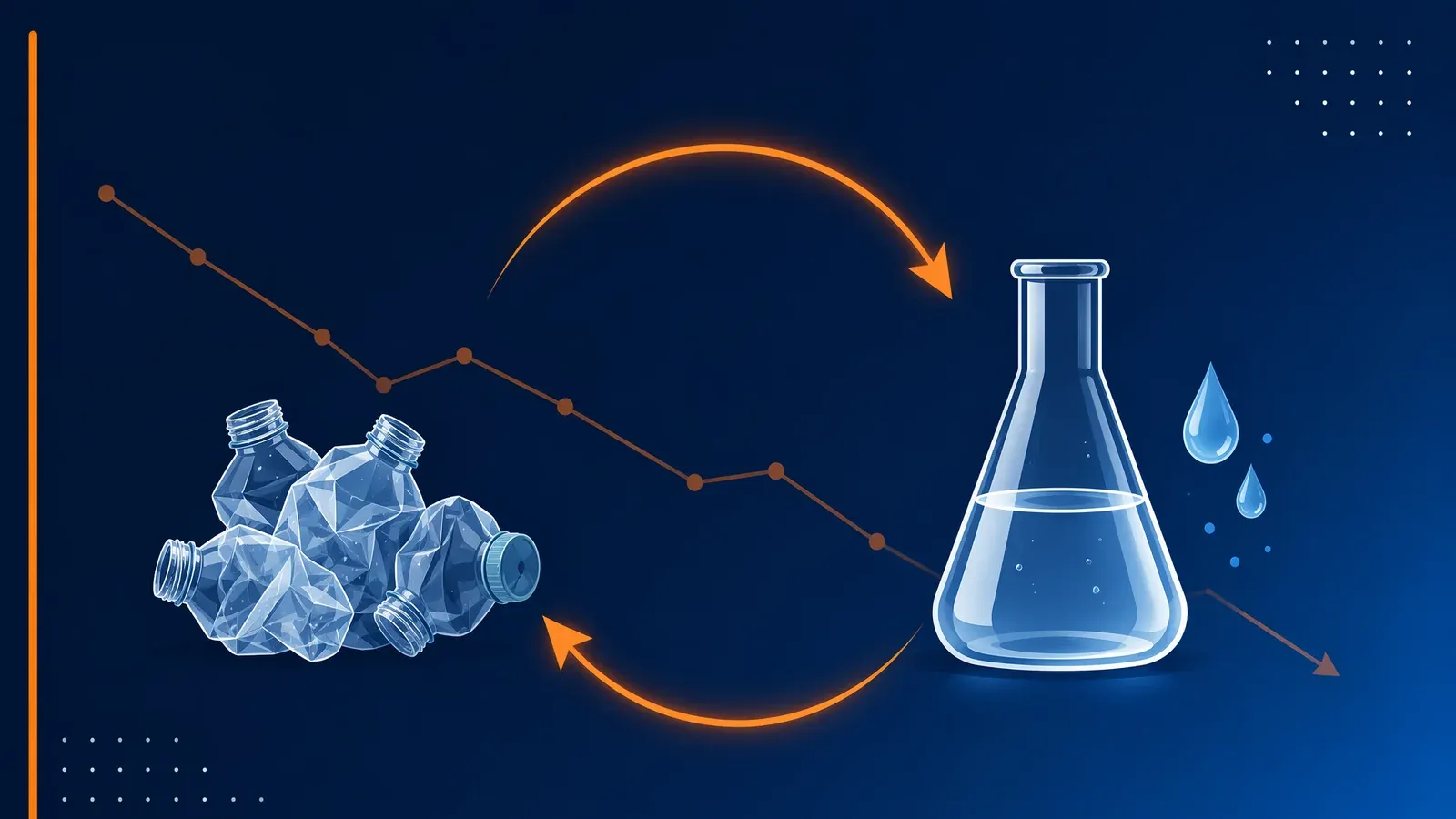
Modern airports recycle 50鈥?0% of collected spent deicing fluid through vacuum recovery systems and on-site distillation, according to ICAO Doc 9640 environmental management guidelines. Recovered MEG can be re-concentrated and reused in Type I deicing fluid, reducing both environmental impact and procurement costs. This circular approach aligns with sustainability goals while maintaining operational safety.
MEG Quality Specifications for Deicing
Not all MEG is suitable for deicing applications. Airport and road deicer manufacturers require antifreeze-grade MEG with specific purity and contaminant limits to ensure consistent deicing performance and regulatory compliance:
| Parameter | Deicing Grade Spec | Why It Matters |
|---|---|---|
| MEG Purity | 鈮?9.5 wt% | Lower purity reduces freeze point depression effectiveness |
| Water Content | 鈮?.2 wt% | Excess water dilutes deicing fluid concentration |
| Chloride (as Cl鈦? | 鈮?.0 ppm | Chloride causes pitting corrosion in aluminum airframes |
| Iron (as Fe) | 鈮?.5 ppm | Iron accelerates inhibitor depletion in deicing formulations |
| Color (Pt-Co) | 鈮?0 | Discoloration indicates oxidation or contamination |
| CAS Number | 107-21-1 | Identity verification for regulatory documentation |
Shandong Changxing Plastic Additives supplies antifreeze-grade MEG that meets or exceeds these specifications, backed by complete SDS, Certificate of Analysis (CoA), and GHS-compliant documentation for every shipment. Our ISO 9001/14001/45001/50001 certified production facilities ensure batch-to-batch consistency that deicing manufacturers depend on for their SAE AMS-qualified formulations.
Cost Analysis and Procurement Considerations
MEG procurement represents a significant operational cost for deicing manufacturers and airport authorities. Understanding the cost structure and procurement strategy is essential for optimizing winter operations budgets:
| Cost Factor | Typical Range | Notes |
|---|---|---|
| MEG raw material | $500鈥?00/ton (FOB China) | Price varies with crude oil and ethylene markets |
| Additive package | $50鈥?50/ton of finished fluid | Corrosion inhibitors, surfactants, thickeners, dyes |
| Type I finished fluid | $800鈥?,500/ton | Ready-to-use, 50% MEG concentration |
| Type IV finished fluid | $2,500鈥?,500/ton | Premium thickened formulation with extended holdover |
| MEG vs. PG cost premium | MEG is 15鈥?5% less per ton | MEG preferred for Type I; PG common in Type IV |
For deicing manufacturers, several procurement strategies can optimize costs while ensuring supply reliability:
- Pre-season contracting: Securing MEG supply contracts during Q2鈥換3 (before the Northern Hemisphere winter season) typically yields 5鈥?0% lower pricing compared to spot purchases during peak demand in Q4鈥換1. For current MEG market pricing and trend analysis, see our MEG price trends 2026 forecast.
- Bulk shipment economics: ISO tank containers (24鈥?6 tons) offer 15鈥?0% lower per-ton logistics costs compared to IBC totes (1,000 kg). For high-volume deicing operations consuming 500+ tons per season, bulk shipment is the most cost-effective option.
- Recycled MEG integration: Blending recovered and re-concentrated MEG with virgin MEG at ratios up to 30:70 can reduce raw material costs by 10鈥?5% while maintaining SAE AMS compliance, provided the recycled MEG meets purity specifications.
- Multi-origin sourcing: Working with manufacturers who can provide consistent quality from multiple production facilities reduces supply chain risk during peak winter demand periods.
Source Premium MEG for Deicing
Ethylene glycol deicing is an indispensable technology for winter operations 鈥?from airport Type I/IV deicing fluids to corrosion-conscious road and bridge deicers, MEG's freeze point depression performance, cost efficiency, and formulation flexibility make it the cornerstone of the global deicing industry. Sourcing antifreeze-grade MEG (鈮?9.5% purity, CAS 107-21-1) from a reliable supplier is the critical prerequisite for deicing manufacturers to ensure SAE AMS compliance and optimize winter operations costs. For a broader overview of MEG applications beyond deicing 鈥?including antifreeze, hydraulic fluids, and more 鈥?see our comprehensive ethylene glycol uses guide.
Frequently Asked Questions
Is ethylene glycol used for airport deicing?
Yes. Ethylene glycol (MEG, CAS 107-21-1) is the primary active ingredient in airport deicing fluids worldwide. It is used in Type I (deicing), Type II, III, and IV (anti-icing) fluids classified under SAE AMS 1424 and AMS 1428 specifications. Major international airports consume 1,000–5,000 tons of MEG-based deicing fluid per winter season.
How does ethylene glycol work as a deicer?
Ethylene glycol lowers the freezing point of water through freeze point depression — a colligative property. When MEG dissolves in water, it disrupts the hydrogen-bond network that forms ice crystals. A 50% MEG / 50% water solution freezes at approximately −37 °C (−34 °F), making it effective even in extreme cold conditions.
What is the difference between MEG and propylene glycol for deicing?
MEG achieves lower freeze points than propylene glycol at equivalent concentrations, works faster on bonded ice due to lower viscosity, and costs 15–25% less per ton. However, propylene glycol is less toxic and is sometimes preferred for environmental sensitivity areas. Most major airports use MEG-based Type I fluids and PG-based Type IV fluids.
What MEG purity is required for deicing applications?
Deicing applications require antifreeze-grade MEG with ≥99.5% purity (CAS 107-21-1). Key specifications include: water content ≤0.2 wt%, chloride ≤1.0 ppm (to prevent aluminum corrosion), iron ≤0.5 ppm (to prevent inhibitor depletion), and color ≤10 Pt-Co. Lower-grade MEG introduces contaminants that degrade deicing performance and may violate SAE AMS specifications.
Is ethylene glycol deicing environmentally safe?
MEG is readily biodegradable (>90% degradation within 10 days under aerobic conditions per OECD 301), but concentrated deicing runoff has high biological oxygen demand (BOD) that can harm aquatic ecosystems if discharged untreated. Regulations (EPA 40 CFR 449, EU Water Framework Directive, ICAO Doc 9640) require collection, treatment, and proper disposal. Modern airports recycle 50–80% of spent deicing fluid.
Ready to Source Premium MEG for Deicing?
Shandong Changxing Plastic Additives Co., Ltd. is an ISO 9001 certified manufacturer with 300,000 tons annual capacity. We supply antifreeze-grade MEG (鈮?9.5% purity, CAS 107-21-1) to deicing manufacturers worldwide.
- ISO 9001 / 14001 / 45001 / 50001 certified 鈥?four-system quality assurance
- National "Little Giant" enterprise 鈥?recognized technology leadership
- Complete SDS, CoA, and GHS documentation for every shipment
- CIF / FOB terms available 鈥?flexible logistics for global delivery