
In PVC injection moulding and granulation, formulation cost, processing stability, product colour consistency and material flexibility are always priorities for producers. In black or dark PVC products especially, customers usually want to cut plasticizer, colour powder and overall formulation cost without obviously sacrificing performance.
This is where our plastic additive plays a decisive role.
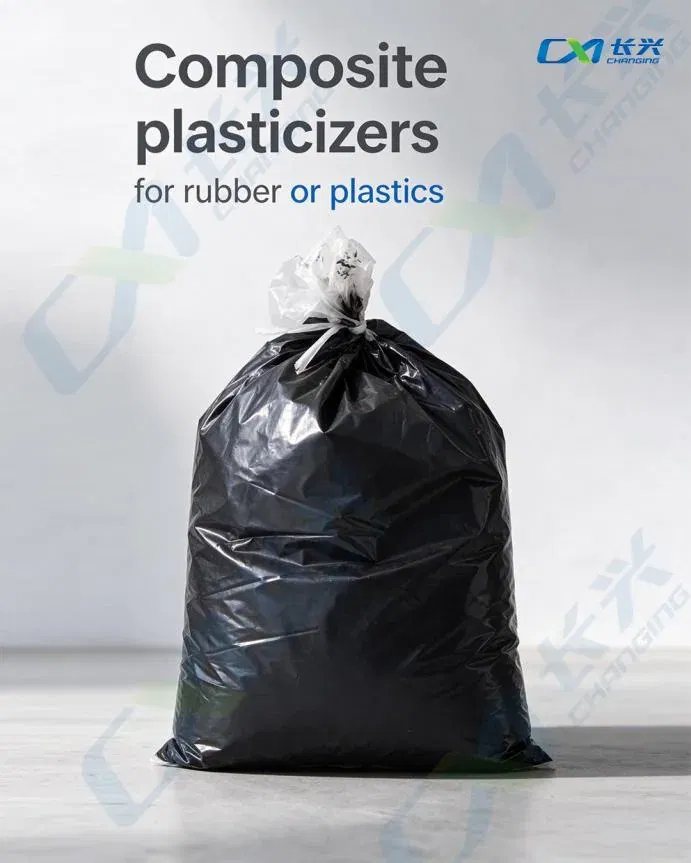
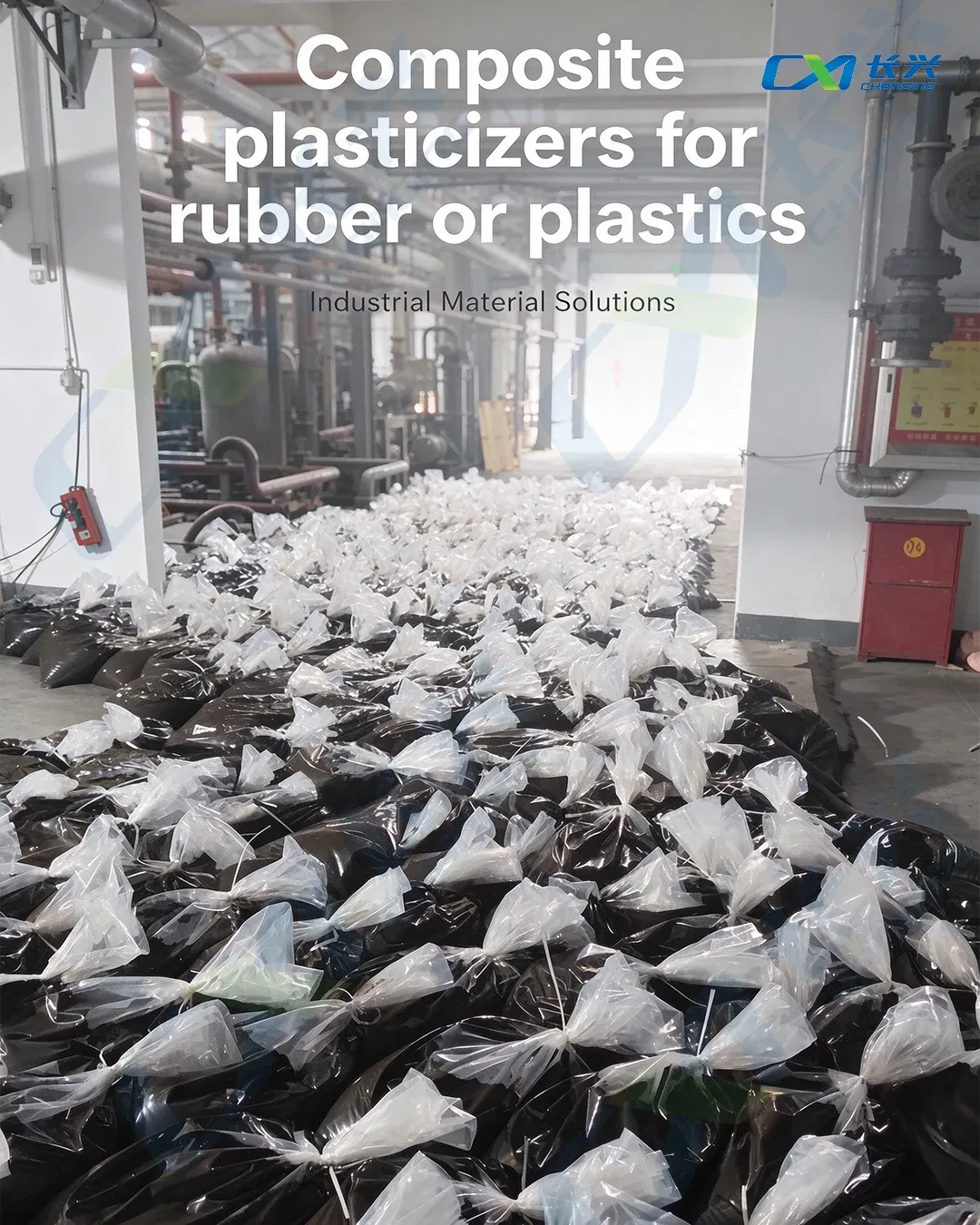
It is a by-product material generated during DOTP production. It still contains a proportion of DOTP components, and it is fluid, flows better when heated and is naturally dark brown.
Product Positioning:
A plastic additive for the raw material of PVC injection-moulded pellet products.
Applications:
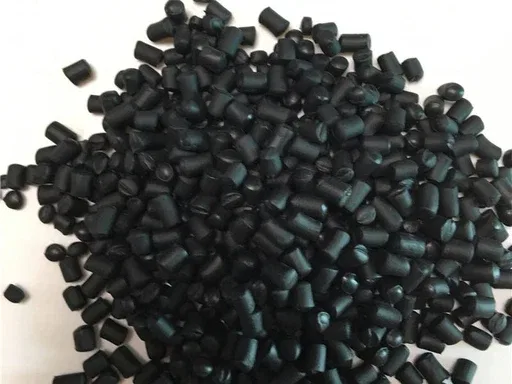
Raw material for PVC injection-moulded pellet products
It can serve as a composite plasticising / processing aid in PVC granulation, injection moulding and extrusion formulations, helping improve plasticising and processing flow.
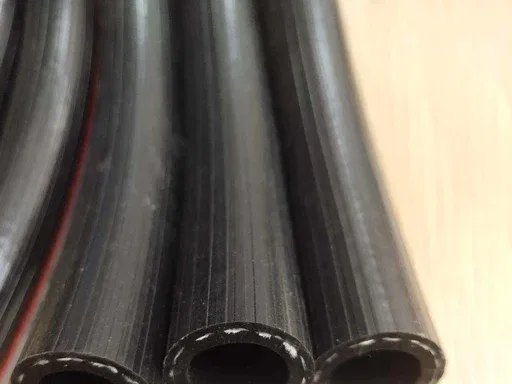
Formulations for black or dark PVC products
Naturally dark brown, it suits black PVC pellets, dark injection-moulded parts and industrial plastic fittings, and can reduce the amount of added black pigment.
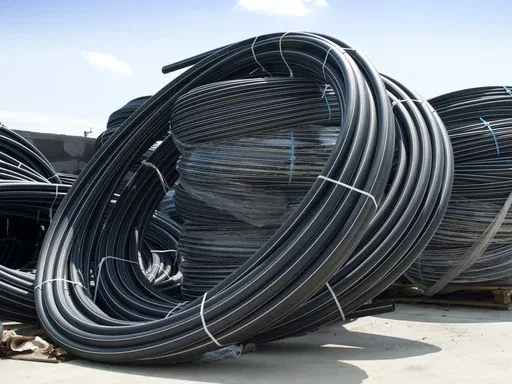
Plastic compound modification systems
It can be used in some rubber and plastics compound formulations, helping improve material flexibility and processing adaptability.
2. Why Do PVC Injection Moulding Companies Pay Attention to a DOTP By-Product Composite Plasticizer?
In PVC injection moulding and granulation, common pain points include:
- High plasticizer cost;
- Large colour powder addition in black products;
- Visible batch-to-batch colour variation;
- Products hardening and cracking at low temperature;
- Insufficient processing flow, affecting mould filling and surface quality;
- Heavy pressure to cut formulation cost in bulk purchasing.
A DOTP by-product composite plasticizer has application value against exactly this background. Through resource recovery, a by-product stream containing DOTP components is turned into a composite plasticizer that can serve as the raw material for PVC injection-moulded pellet production.
Advantages:
- Contains 30%+ DOTP components;
- Fluid form, with stronger flow after heating;
- Naturally dark brown;
- Can serve as a cost-reducing raw material for black PVC granulation and dark PVC injection moulding formulations;
- Helps improve material flexibility and the low-temperature hardening problem.
3. Composition and Performance: How DOTP Components Affect PVC Injection Moulding
1. The plasticising effect of 30%+ DOTP
- Better PVC plasticising;
- Lower melt viscosity;
- Higher processing flow;
- Better product flexibility;
- Lower low-temperature brittleness;
- More stable mould filling in injection moulding.
2. A fluid form helps granulation and injection moulding
Compared with solid plasticizers or high-viscosity additives, this plastic additive is fluid, so it is easier to meter, disperse and mix in PVC granulation and injection moulding.
3. Stronger flow after heating, matching injection moulding requirements
PVC injection moulding is sensitive to melt flow. If the material does not flow enough during heating, problems such as difficult mould filling, surface defects and unstable part dimensions are more likely.
For injection moulding, this means:
- Smoother plasticising;
- More uniform melt flow;
- More stable mould cavity filling;
- Easier control of product surface quality;
- A wider processing window.
4. Where the dark brown colour comes from and its value in black PVC products
The dark brown colour of the DOTP by-product material usually comes from dark organic components, side-reaction products or high-molecular-weight impurities formed during production. For light-coloured PVC products this colour can be a limiting factor; for black or dark PVC products, however, it has real application value.
Typical application scenarios: black PVC granulation and injection-moulded pellet production
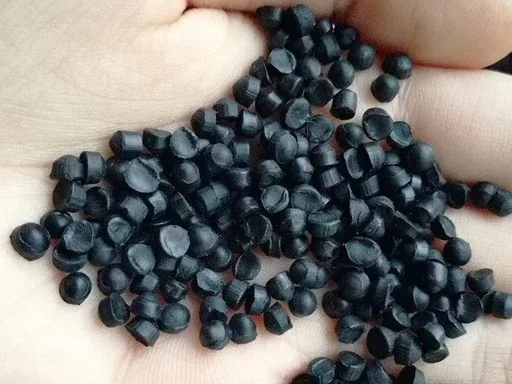
Black PVC injection-moulded pellets
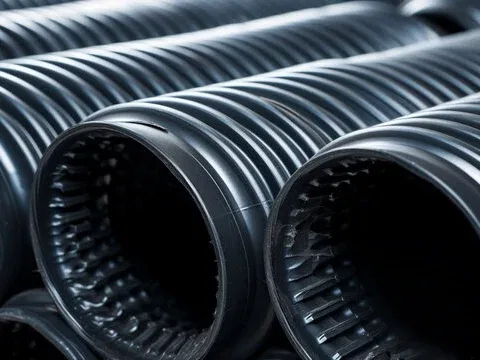
Dark PVC products
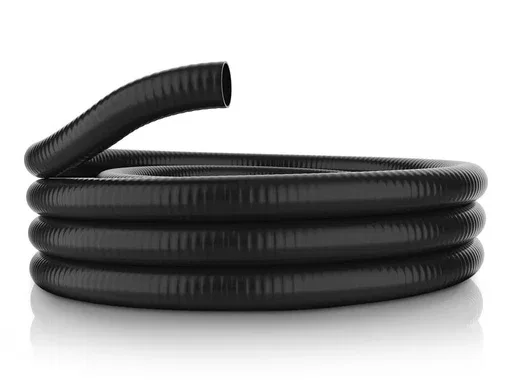
3. PVC extrusion and injection moulding systems
5. How It Compares with Pure DOTP and Ordinary Plasticizers
In a PVC injection moulding formulation, the choice of plasticizer affects cost, colour, processing and final performance.
| Item | DOTP By-Product Composite Plastic Additive | Ordinary Plasticizer |
|---|---|---|
| DOTP content | Contains 30%+ DOTP components | Depends on the type |
| Form | Fluid, high flow when heated | Liquid or solid |
| Colour | Dark brown | Colourless or light |
| Black PVC suitability | Suits dark formulations, reduces colour powder | Needs extra colour powder |
| Cost advantage | Recovered by-product, better cost performance | Cost depends on the type |
| Flexibility improvement | Contains DOTP components, helps improve flexibility | Depends on the type |
| Applications | Black / dark PVC injection moulding and granulation | General PVC formulations |
In practice, the choice of product can be decided according to the customer's production requirements.
6. Application Advice for PVC Injection Moulding Formulations
1. Choose the addition ratio according to product colour requirements
Because the product is naturally dark brown, using it directly in light or transparent PVC products is not recommended. For black, dark grey, dark brown or industrial dark products, it offers more application advantage.
We suggest customers clarify the following before formulation design:
- Product colour requirements;
- Whether dark raw material is allowed;
- Whether hiding power is needed;
- Whether high gloss is needed;
- Whether strict colour-difference control is needed.
2. Assess it together with the formulation system
This product is suited to use as a composite plasticising / processing aid; it does not necessarily have to replace all DOTP on its own. In practice it can be used together with other plasticizers, processing aids, stabilizers, lubricants and fillers to reach a more balanced performance and cost result.
3. Watch environmental and compliance requirements
If the product is exported to the EU, the United States or other markets, confirm formulation compliance against the regulations of the target market, including RoHS, REACH, phthalate restrictions and heavy-metal limits. DOTP is generally regarded as an environmentally friendly plasticizer direction, but the specific compliance of a by-product composite plasticizer still has to be confirmed against test reports and customer standards.
7. FAQ
Q1: Can a DOTP by-product composite plasticizer be used in PVC injection-moulded pellets?
Yes. This product is a composite plasticizer for rubber and plastics and can be used as a composite plasticising / processing aid in the raw material for PVC injection-moulded pellet products. It is especially suited to black or dark PVC granulation and injection moulding formulations.
Q2: Why is it suited to black PVC granulation?
Because the product is naturally dark brown, it can reduce the amount of added black pigment in black or dark PVC products, which helps lower colour powder cost and improves finished-product colour consistency.
Q3: What is the benefit of stronger flow after heating for PVC injection moulding?
In PVC injection moulding, melt flow affects plasticising, mould filling, surface quality and product consistency. This product flows better after heating, which helps improve processing compatibility and makes mixing, granulation and injection moulding run more smoothly.