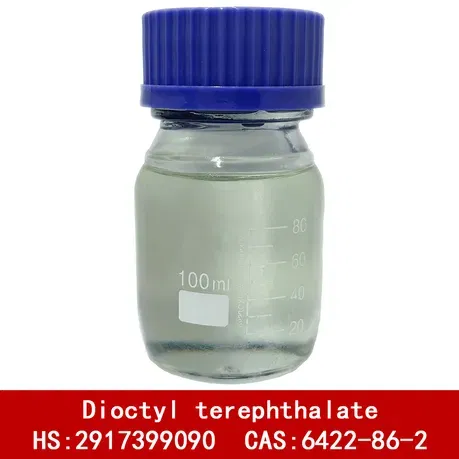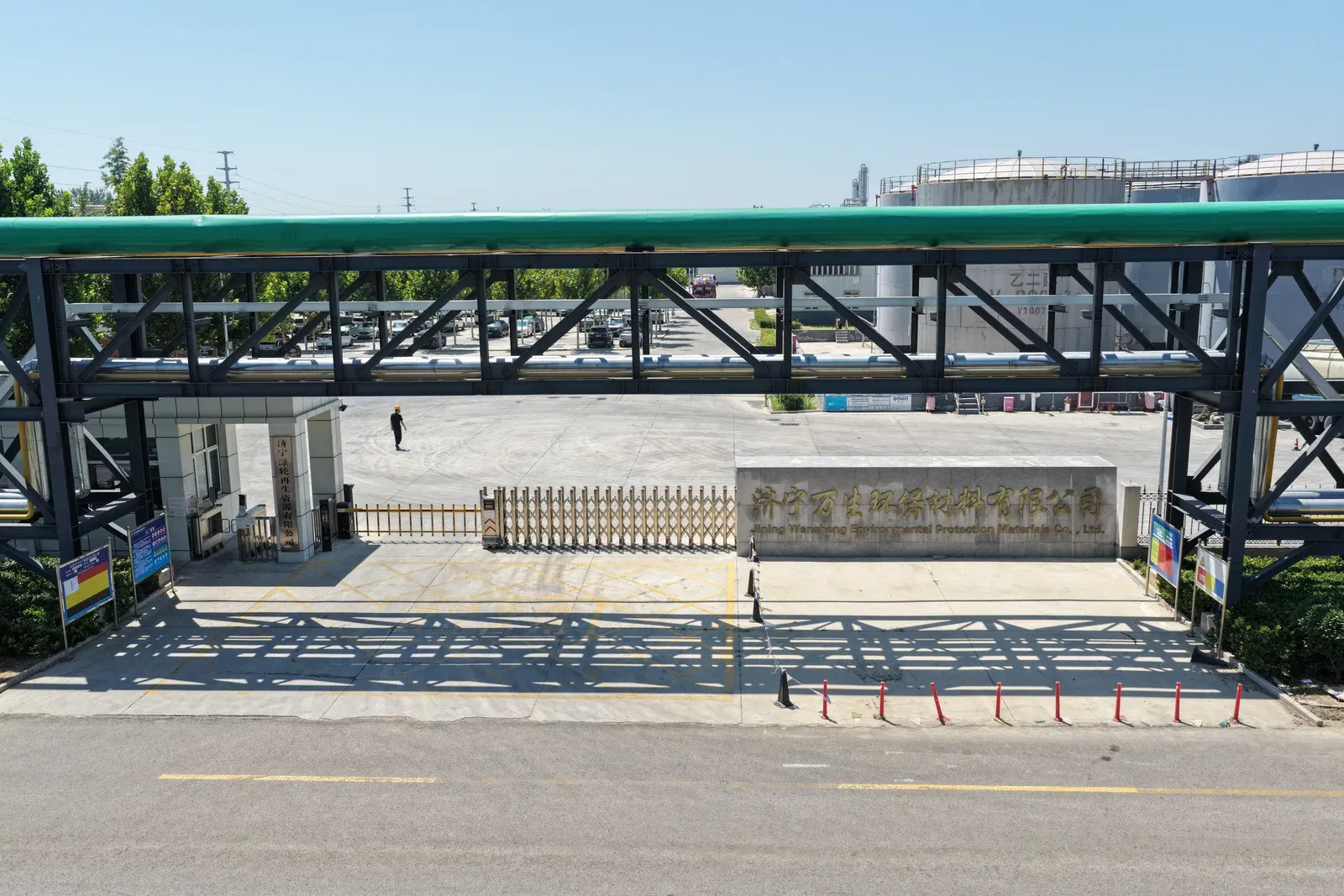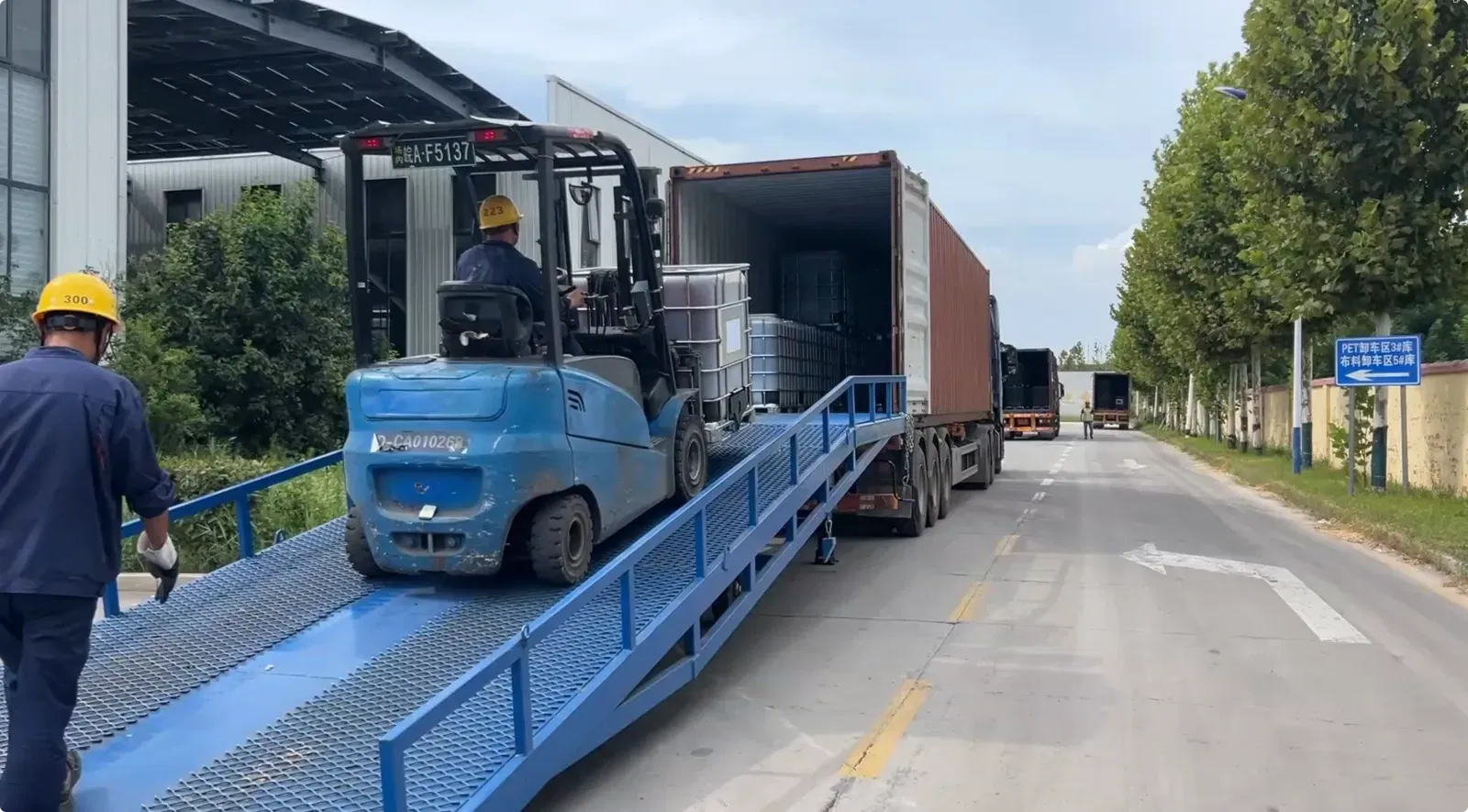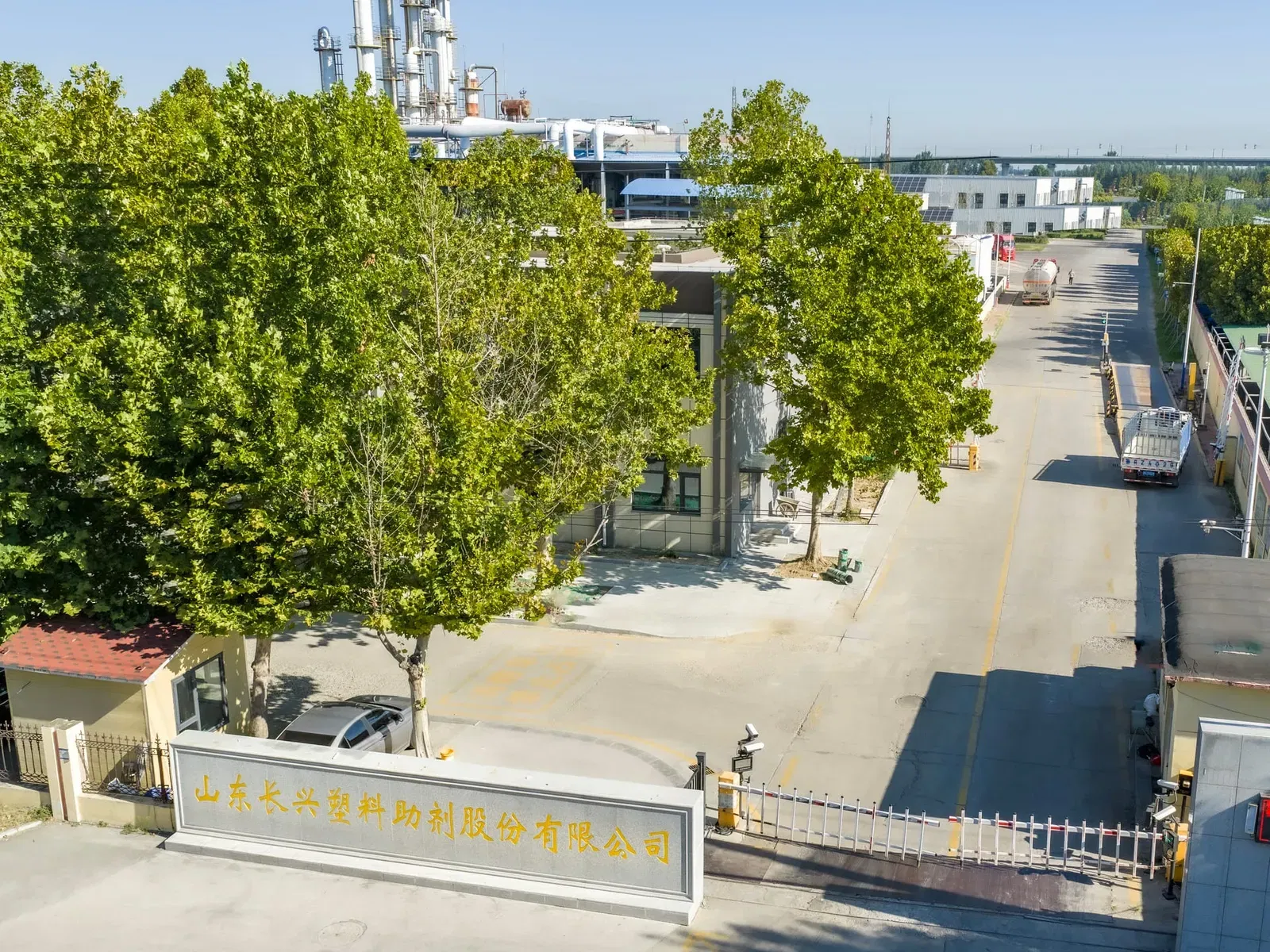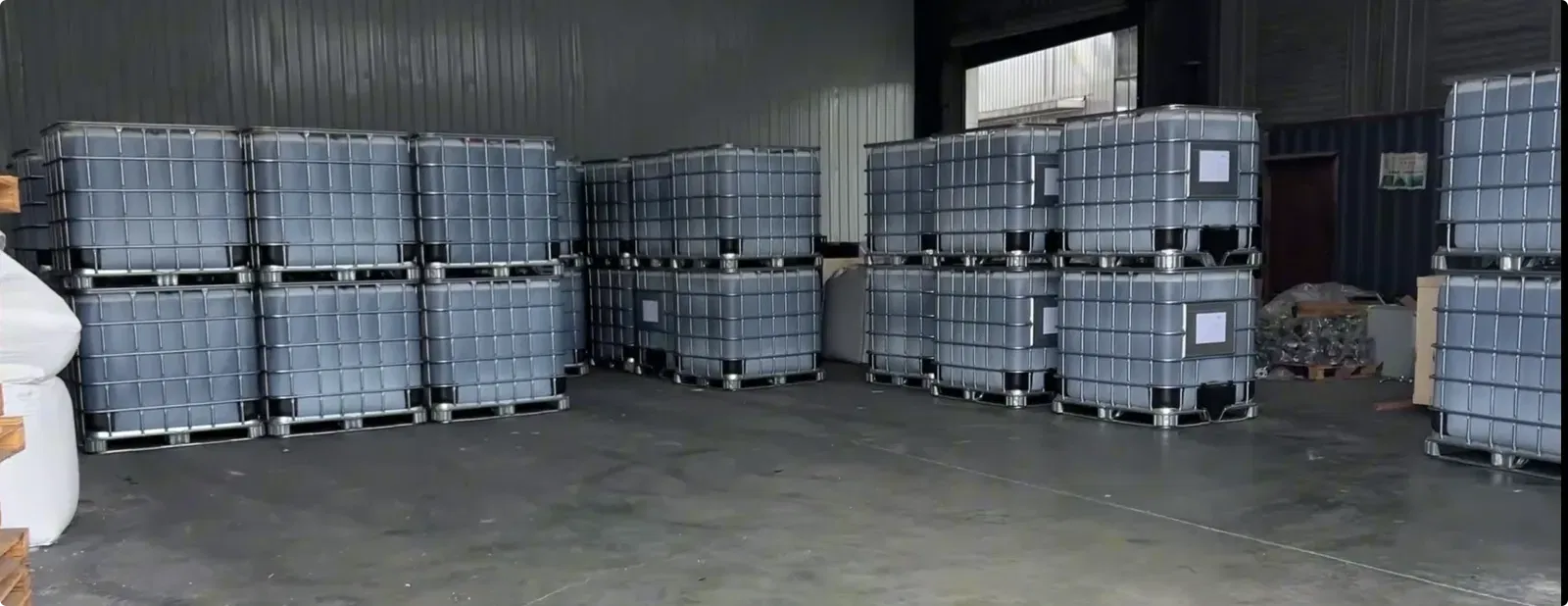

DOTP flexibag factory loading is the final step that turns premium DOTP plasticizer into a shipment-ready cargo unit. At Shandong Changxing Plastic Additives, we load dioctyl terephthalate (CAS 6422-86-2) into single-trip flexibags inside standard 20ft containers using a controlled pump filling line. Because DOTP is a high-boiling, non-hazardous liquid with a closed-cup flash point above 200°C, it is ideal for bulk liquid transport in flexibags - a format that maximizes payload while keeping freight cost per ton low. This article walks through the in-plant loading workflow, from container inspection and flexibag installation to pump filling, quality checks, and sealing.
Key Takeaways
- ✅ Container inspection is mandatory - we reject units with rust, residues, or odours before flexibag installation.
- ✅ Pump filling at 8–15 m³/h loads a 24MT DOTP flexibag in 1.5–3 hours with continuous weight and level monitoring.
- ✅ Quality control includes pre-loading sampling, in-line filtration, COA matching, and photo documentation.
- ✅ Contamination prevention relies on dedicated hoses, static grounding, clean containers, and controlled temperature.
- ✅ Shandong Changxing ships DOTP flexibags worldwide with full CoA, MSDS, origin, and cleanliness certificates.
Why Flexibags for DOTP Bulk Liquid Transport
Flexibags - also called flexitanks - are multi-layer polyethylene bladders that fit inside ordinary 20ft dry containers. For dioctyl terephthalate, a typical flexibag holds 20,000–24,000 liters, or roughly 20–24 metric tons at DOTP's ~0.98 g/cm³ density. That payload is 30–50% higher than the same container loaded with 200L drums, and it avoids the empty packaging return logistics of ISO tanks. The result is the lowest single-trip freight cost per ton for DOTP buyers with on-site storage tanks.
Unlike many chemicals, DOTP does not require dangerous-goods handling during factory loading. Its high flash point and low vapour pressure mean standard electrical and grounding precautions are sufficient. This makes flexibags a practical, scalable choice for moving DOTP from our Shandong facility to ports serving India, the Middle East, Africa, and Southeast Asia - markets where Shandong Changxing is actively expanding DOTP packaging and logistics capacity.
Pre-Loading Preparation: Container and Flexibag Readiness
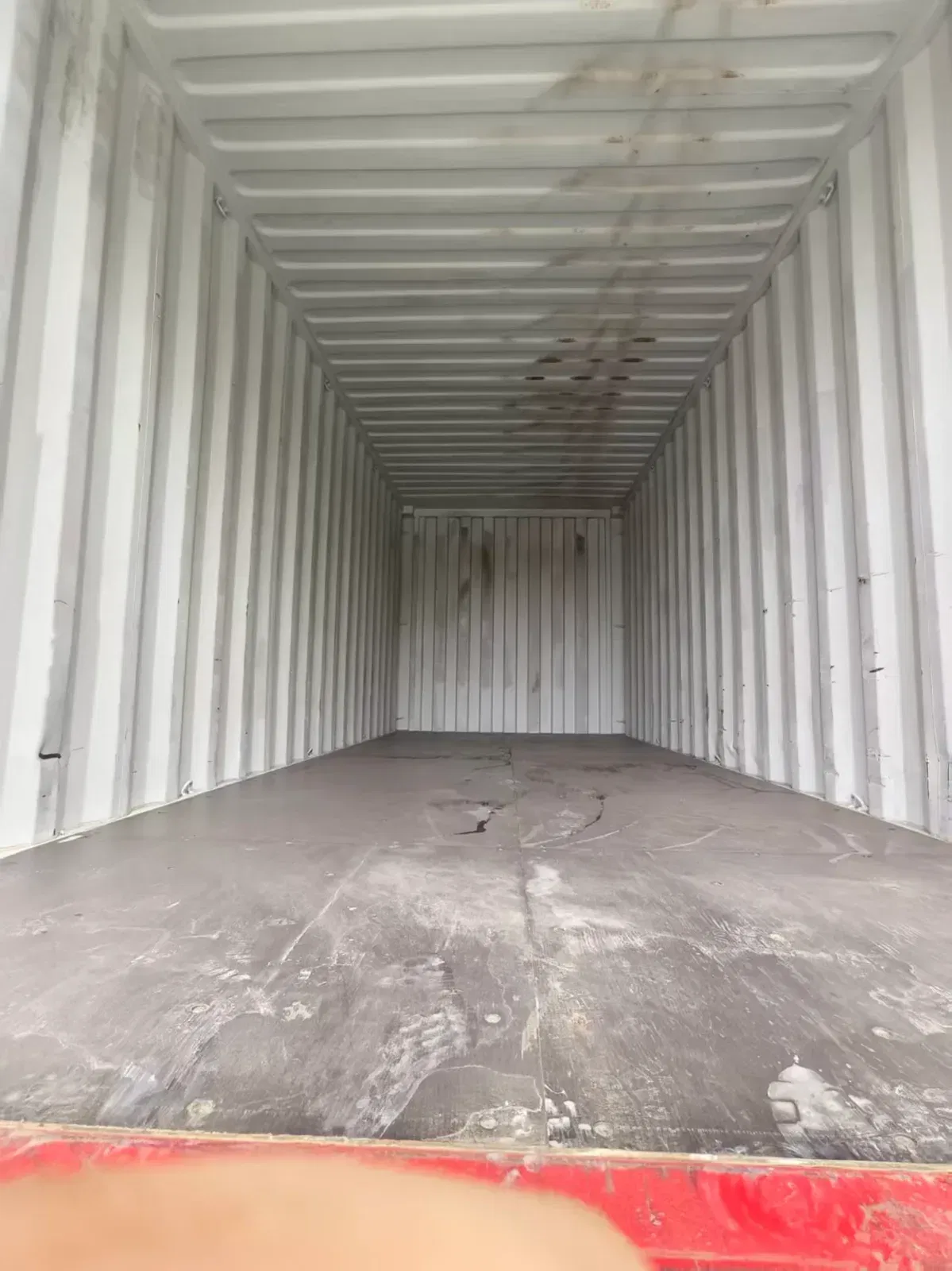
Before any DOTP enters the container, the loading team completes a seven-point preparation checklist. Skipping any step raises contamination risk and can void the flexibag warranty.
| Step | Action | Purpose |
|---|---|---|
| 1. Container selection | Choose a food-grade or cargo-worthy 20ft dry container | Avoids chemical residues and structural damage |
| 2. Interior inspection | Check floor, walls, roof, and door seals for rust, holes, odours | Prevents puncture and odour migration into DOTP |
| 3. Flexibag fit | Install bladder, bulkhead, and valve alignment | Ensures even load distribution and safe discharge |
| 4. Valve and hose check | Inspect camlock fittings, gaskets, and dedicated hoses | Eliminates leakage and cross-contamination |
| 5. Static grounding | Connect container, pump, and flexibag to ground | Dissipates static charge during liquid transfer |
| 6. Pre-loading sample | Draw DOTP sample from tank for colour and moisture check | Confirms batch matches CoA before shipment |
| 7. Photo record | Capture empty container, flexibag install, and valve setup | Creates traceability evidence for buyer and insurer |
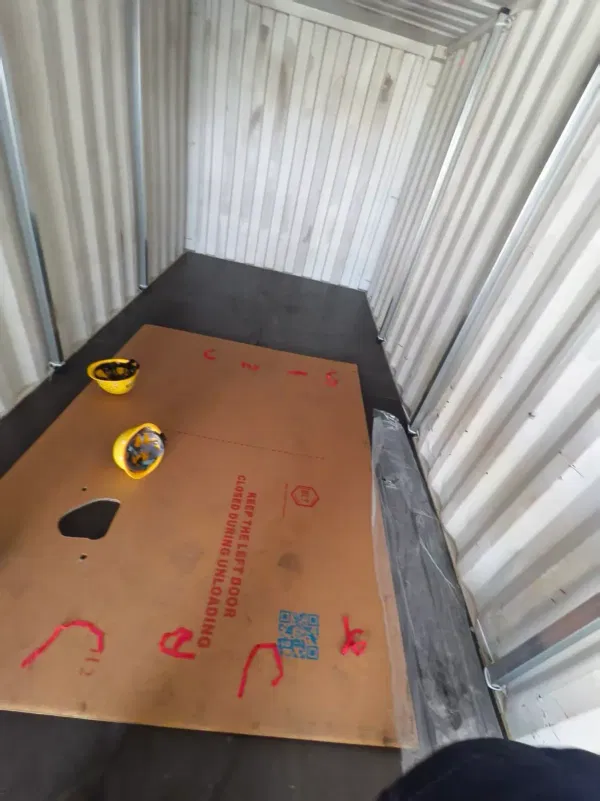
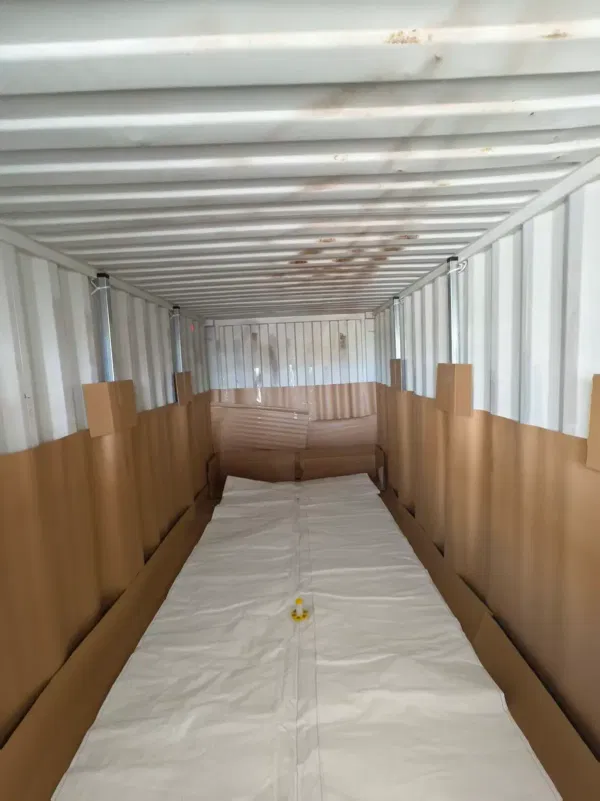
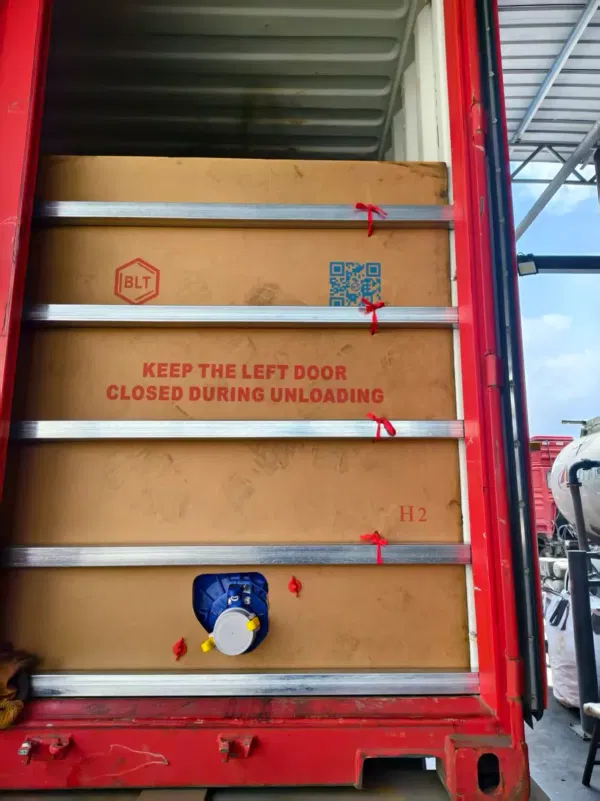
Pump Filling Process: DOTP Bulk Liquid Transport Workflow
Once the flexibag is secured, the loading operator connects a dedicated DOTP hose from the storage tank to the flexibag top valve. A centrifugal or positive-displacement pump moves the liquid at a controlled rate, typically 8–15 m³/h. For a standard 24,000-liter flexibag, total fill time is 1.5–3 hours depending on pump capacity and line length.
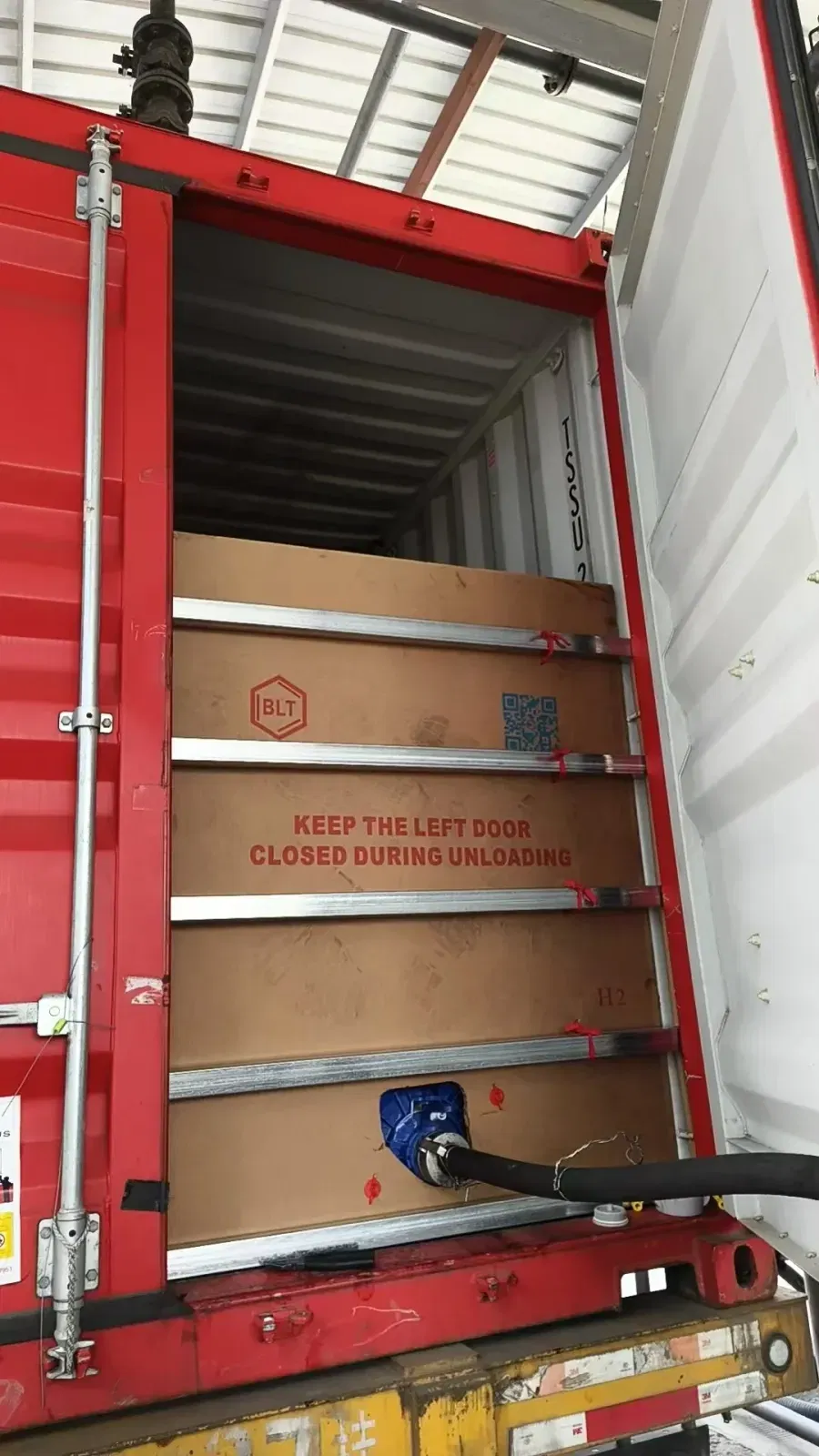
During filling, the operator monitors three parameters continuously:
- Flow rate - kept steady to avoid surge pressure that could stress the bladder seams.
- Total weight - measured via the container weighbridge to stop within ±1% of target payload.
- Product temperature - maintained below 40°C because prolonged heat can accelerate colour drift.
When the target weight is reached, the pump stops and the valve is closed. A small air pocket is left intentionally to allow for thermal expansion during transit. The hose is then drained back to the tank, the valve cap is sealed, and the flexibag bulkhead is locked in place before the container doors are closed and sealed.
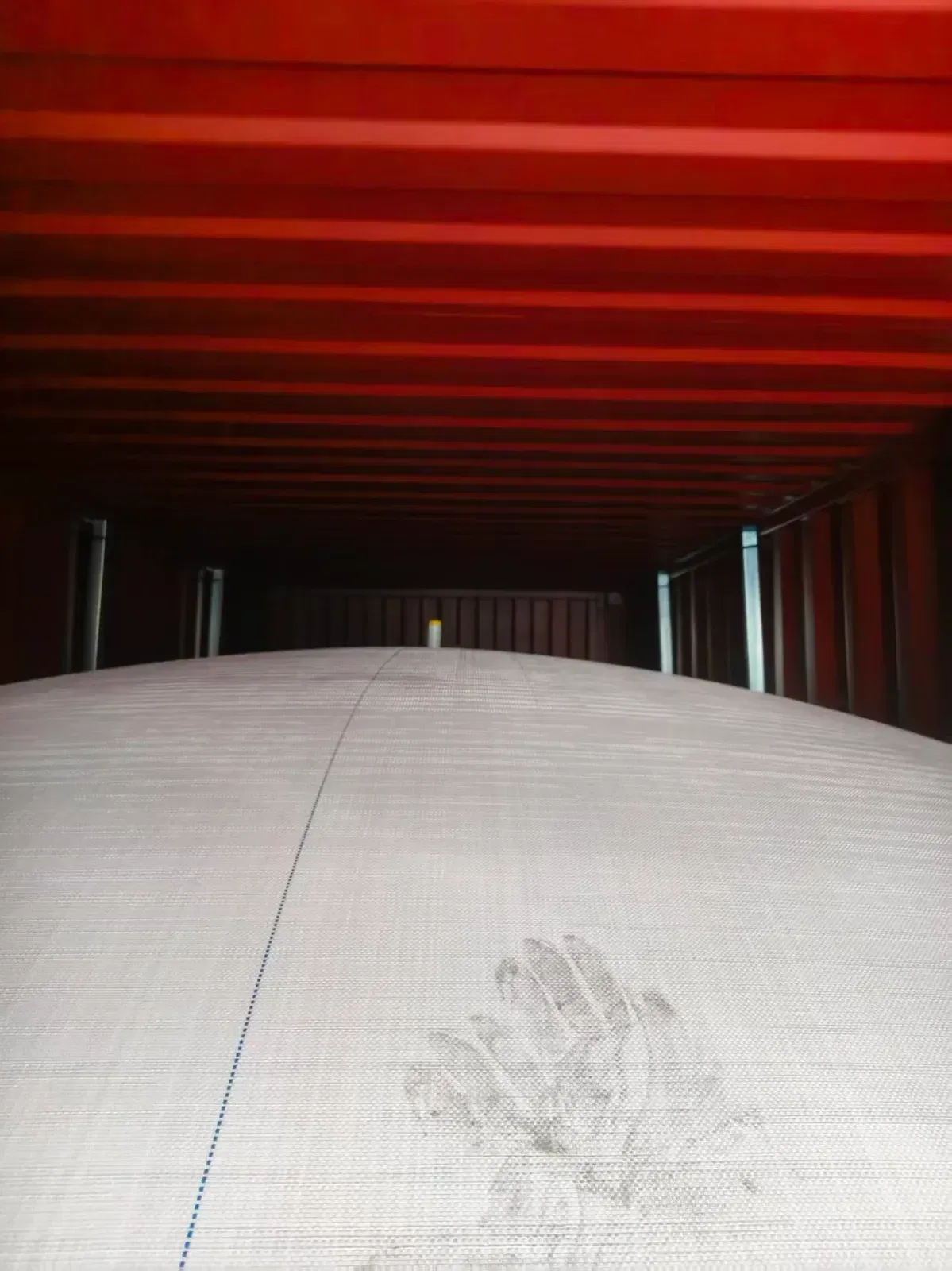
Quality Control During Dioctyl Terephthalate Loading
Quality assurance is integrated into the loading line, not added as an afterthought. The batch loaded into the flexibag must match the Certificate of Analysis issued by the quality lab. Key controls include:
| Control Point | Standard | Why It Matters |
|---|---|---|
| Ester content | ≥ 98% | Confirms DOTP purity and plasticizing performance |
| Colour (APHA) | ≤ 150 | Ensures visual acceptance in sensitive PVC applications |
| Moisture | ≤ 0.1% | Prevents hydrolysis and quality degradation |
| Acid value | ≤ 0.035 mg KOH/g | Indicates stability and low corrosivity |
| In-line filtration | 50–100 mesh at loading arm | Removes particulates before they reach the flexibag |
A retain sample is sealed and labelled with the batch number, container number, and loading date. This sample is stored at the factory for at least six months so any downstream quality question can be traced back to the exact loading event. For buyers who need guidance on keeping DOTP stable after arrival, our DOTP storage best practices guide covers tank, IBC, and drum storage in detail.
Safety and Contamination Prevention
Contamination is the biggest risk in DOTP flexibag loading. A single residue from a previous cargo - solvent, acid, or food-grade oil - can ruin a full batch. Shandong Changxing prevents this through a strict clean-container policy: we either use newly manufactured flexibags with a cleanliness certificate or require a validated wash certificate for the container interior.
Additional safety measures include:
- Dedicated hoses and pumps for DOTP only, never shared with acids, solvents, or other plasticizers.
- Static grounding of all metal equipment before liquid transfer begins.
- No mixed cargo in the same container - DOTP flexibags travel alone.
- Temperature monitoring to avoid heating above 40°C during pumping.
- Spill containment trays under hose connections during connection and disconnection.
🌱 Sustainability Note
A single 24MT DOTP flexibag replaces more than 120 empty 200L drums and the pallet space they consume. For buyers moving large volumes regularly, flexibags reduce single-use steel and plastic packaging waste while lowering freight emissions per ton-kilometer.
Flexibag vs. Other DOTP Loading Methods
Flexibag loading is not the only way to ship DOTP. The right choice depends on volume, frequency, and destination infrastructure.
| Method | Payload per 20ft | Best For |
|---|---|---|
| Flexibag | 20–24 MT | Bulk single shipments, lowest freight-per-ton |
| ISO tank | 24–25 MT | Regular shipments with tank rotation/return logistics |
| IBC tote | 18–19 MT | Mid-volume buyers needing stackable warehouse storage |
| 200L drum | ~16 MT | Small trial orders or markets without bulk discharge pumps |
Frequently Asked Questions
Q1: What is a DOTP flexibag and how much can it hold?
A DOTP flexibag, or flexitank, is a multi-layer polyethylene bladder installed inside a standard 20ft dry container. It typically holds 20,000–24,000 liters of DOTP, equivalent to roughly 20–24 metric tons depending on the exact density.
Q2: How long does pump filling of a DOTP flexibag take?
Pump filling a 24MT DOTP flexibag at the factory usually takes 1.5–3 hours using a centrifugal or positive-displacement pump at 8–15 m³/h, plus time for setup, sampling, and final sealing.
Q3: Is DOTP flexibag loading safe?
Yes. DOTP is a non-hazardous liquid with a closed-cup flash point above 200°C. Factory loading follows static grounding, dedicated hoses, clean container inspection, and temperature control to prevent contamination and spills.
Q4: What documents accompany a DOTP flexibag shipment?
Each shipment includes a Certificate of Analysis (CoA), GHS-classified MSDS, packing list, flexibag/new-tank cleanliness certificate, certificate of origin, and loading photos for traceability.
Q5: Why choose flexibag over IBC or drums for DOTP?
Flexibags offer the lowest freight cost per ton for bulk DOTP shipments, maximize container payload, and eliminate empty packaging return logistics compared with IBC totes or 200L drums.
Conclusion
DOTP flexibag factory loading combines the cost advantage of bulk liquid transport with the quality assurance buyers expect from an ISO-certified manufacturer. By controlling every step - container selection, flexibag installation, pump filling, sampling, and sealing - Shandong Changxing delivers DOTP that arrives at destination with the same purity and colour it left the factory. Whether your monthly volume is one container or twenty, the flexibag workflow can be scaled to match.
Ready to Source Premium Plasticizers?
Shandong Changxing Plastic Additives Co., Ltd. is an ISO 9001 certified manufacturer with 300,000 tons annual capacity. We supply DOTP, DCP, MEG, 2-octanol, and chemical intermediates to clients worldwide.
- SGS-tested: Phthalate-free, EN 71-3, PFAS-free certified
- Four ISO systems: 9001 / 14001 / 45001 / 50001
- National "Little Giant" enterprise with exports to 30+ countries
Shandong Changxing Plastic Additives Co., Ltd.
July 2026