
Proper DOTP storage maintains product quality and extends shelf life. This guide covers temperature controls, container requirements, and safety protocols based on Shandong Changxing Plastic Additives technical specifications and industry best practices.
Key Takeaways
- Store DOTP at 5°C to 35°C in sealed, dry containers
- Standard shelf life is 24 months from production date
- Use stainless steel or epoxy-coated carbon steel containers
- DOTP is not classified as hazardous under GHS for transport or storage
- Monitor acid value and color monthly for long-term storage
What Is DOTP Storage and Why Does It Matter?
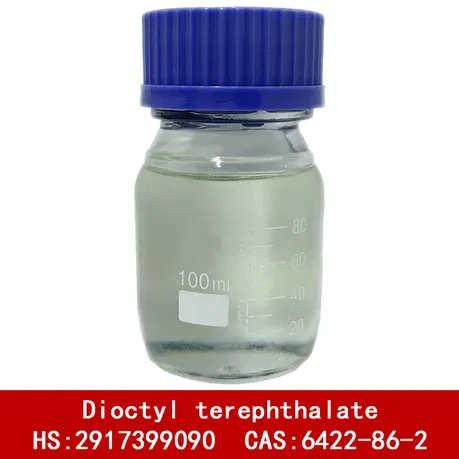
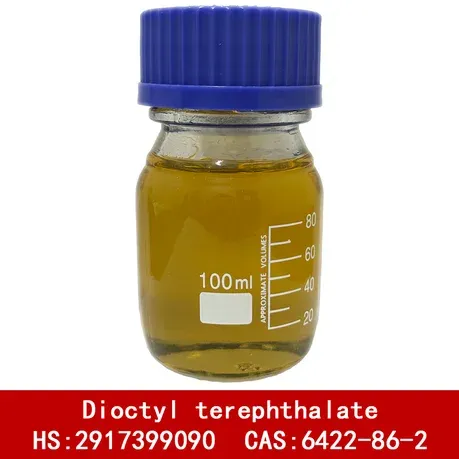
DOTP (Dioctyl Terephthalate, CAS 6422-86-2) is a non-phthalate plasticizer used in PVC applications worldwide. DOTP storage refers to the proper handling and environmental control of this liquid chemical to maintain its physical properties and chemical stability over time. Poor storage conditions can lead to oxidation, color degradation, moisture absorption, and viscosity changes that compromise plasticizing performance.
Shandong Changxing Plastic Additives produces high-purity DOTP with ester content ≥99% and acid value ≤0.03 mg KOH/g. Even premium-grade DOTP requires correct storage to preserve these specifications. This guide applies to DOTP stored in 200 kg drums, IBC totes, or bulk tanks.
DOTP Temperature Control Requirements
Temperature is the most critical factor in DOTP storage. The recommended storage temperature range is 5°C to 35°C (41°F to 95°F). At temperatures above 35°C, DOTP undergoes accelerated oxidation that increases acid value and causes yellowing. At temperatures below 5°C, viscosity increases significantly and may approach 80 mPa·s at 0°C, making pumping and handling difficult.
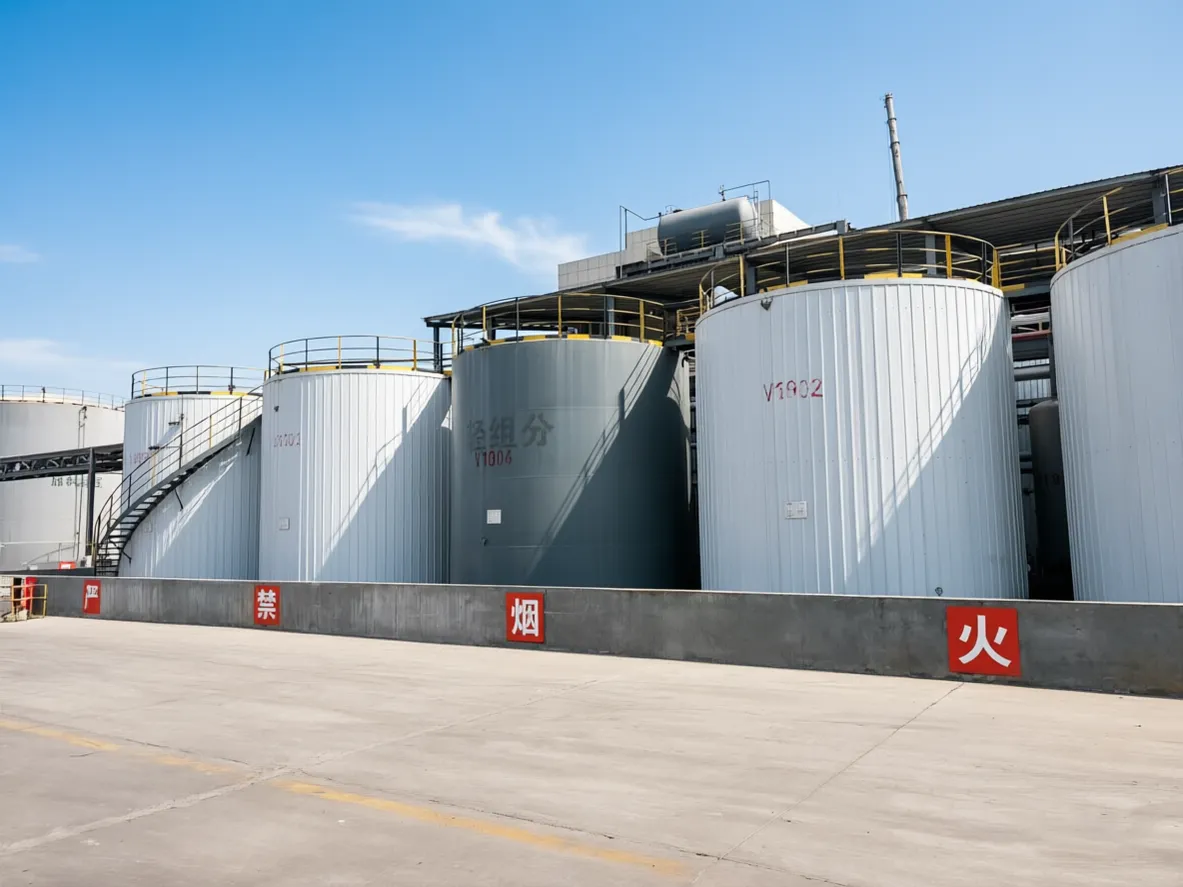
The flash point of DOTP is 238°C (460°F), which means DOTP is not flammable under normal storage conditions. However, storage areas should still avoid direct heat sources and maintain ambient temperatures below 40°C as a safety margin. For bulk storage tanks in hot climates, consider insulation or shade structures to prevent temperature spikes during summer months.
Temperature monitoring should occur daily for bulk tanks and weekly for warehouse storage. Record temperature logs and investigate any excursions outside the 5°C to 35°C range. If DOTP has been exposed to temperatures above 45°C for more than 48 hours, test acid value and color before use.
Container and Packaging Specifications
DOTP containers must be airtight, corrosion-resistant, and compatible with ester-based chemicals. Shandong Changxing supplies DOTP in three standard packaging formats, each with specific storage requirements.
| Packaging Type | Capacity | Material | Storage Notes |
|---|---|---|---|
| Steel Drum | 200 kg | Carbon steel with epoxy lining | Store upright, seal bungs tightly |
| IBC Tote | 1,000 kg | HDPE bottle, steel cage | UV-resistant, stackable 2 high |
| Flexitank | 20-24 tons | Multi-layer PE, steel container | Single-use, discharge within 30 days |
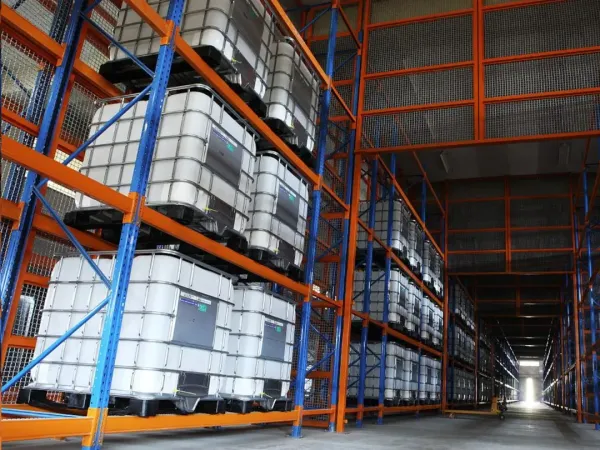
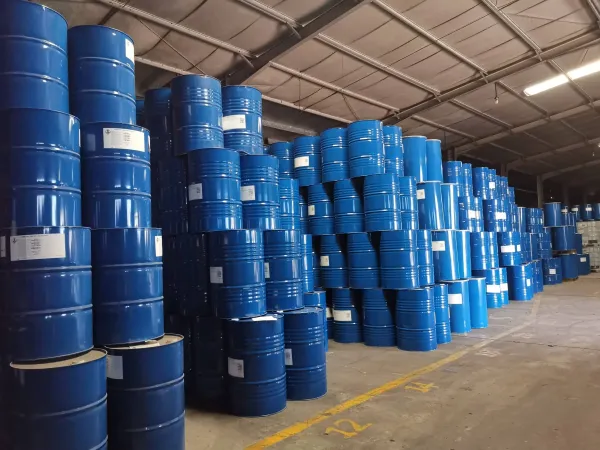
For bulk storage tanks, use stainless steel 304 or 316L, or carbon steel with phenolic epoxy coating. Avoid uncoated mild steel, which can catalyze oxidation. Tank vents should include desiccant breathers to prevent moisture ingress. Transfer lines should be stainless steel or PTFE-lined hose.
Environmental Control Requirements
DOTP storage environments require controlled humidity, ventilation, and contamination prevention. Relative humidity should remain below 70% to prevent moisture absorption. DOTP is hygroscopic at high humidity, and moisture content above 0.1% can cause hydrolysis that increases acid value.
Storage areas need natural or mechanical ventilation to prevent vapor accumulation. While DOTP has low vapor pressure (less than 0.01 mmHg at 25°C), ventilation supports operator comfort and safety. Store DOTP away from direct sunlight, as UV exposure accelerates degradation. Indoor warehouse storage is preferred over outdoor storage.
Segregate DOTP from strong oxidizers, acids, and bases. DOTP is chemically stable but can react with strong oxidizing agents at elevated temperatures. Maintain a minimum 3-meter separation from incompatible chemicals per standard chemical storage guidelines.
DOTP Shelf Life and Quality Monitoring
The standard shelf life of DOTP is 24 months from the production date when stored under recommended conditions. After 24 months, DOTP does not automatically become unusable, but quality testing is required before use in critical applications.
Monitor these key quality indicators for stored DOTP:
- Acid value: Should remain ≤0.03 mg KOH/g. Values above 0.05 indicate oxidation or hydrolysis.
- Color (Pt-Co): Should remain ≤50. Values above 100 indicate degradation.
- Moisture content: Should remain ≤0.1%. Values above 0.2% may cause processing issues.
- Viscosity at 25°C: Should remain 60-80 mPa·s. Significant increases indicate polymerization or contamination.
Test frequency depends on storage duration. Test monthly for material stored beyond 12 months. Test quarterly for material stored 6 to 12 months. For material stored less than 6 months under recommended conditions, testing is optional unless visual changes occur.
DOTP Safety Handling Procedures
DOTP is not classified as hazardous under GHS (Globally Harmonized System) criteria. It is not flammable, not corrosive, and has low acute toxicity. The LD50 for oral exposure is greater than 5,000 mg/kg (rat), which places DOTP in the lowest toxicity category. For complete safety documentation, see our DOTP MSDS and Safety Data Sheet guide.
Despite the favorable safety profile, standard handling precautions apply. Wear chemical-resistant gloves (nitrile or neoprene), safety goggles, and long-sleeved clothing when handling DOTP. In case of skin contact, wash with soap and water. For eye contact, rinse with water for 15 minutes and seek medical attention if irritation persists.
Spill cleanup requires absorbent materials such as sand, vermiculite, or commercial oil absorbents. Collect spilled material in containers for disposal or recycling. DOTP is biodegradable under aerobic conditions, with a biodegradation rate of 28% in 28 days (OECD 301B test). Do not discharge to waterways.
DOTP Storage Checklist
Use this checklist when receiving or storing DOTP shipments:
- Verify container integrity: no dents, leaks, or corrosion
- Check seal integrity on drums and IBC valves
- Record batch number and production date
- Confirm storage area temperature is 5°C to 35°C
- Verify relative humidity is below 70%
- Ensure storage area is ventilated and away from heat sources
- Segregate from incompatible chemicals (oxidizers, strong acids)
- Label containers with product name, date received, and expiration date
- Schedule first-in-first-out (FIFO) rotation
- Plan quality testing for material stored beyond 12 months
Frequently Asked Questions
Q: Can DOTP freeze in cold storage?
DOTP does not freeze at typical storage temperatures. The pour point is approximately -30°C (-22°F). However, viscosity increases significantly below 5°C, making pumping difficult. If DOTP has been exposed to freezing temperatures, warm to 20°C before handling and verify viscosity is within specification.
Q: What is the maximum storage time for DOTP?
The recommended maximum storage time is 24 months from production under ideal conditions. DOTP stored beyond 24 months requires quality testing before use. With proper temperature control and sealed containers, DOTP can remain usable for 36 months or longer if acid value, color, and moisture remain within specification.
Q: Can I store DOTP in plastic containers?
HDPE and PP containers are suitable for short-term DOTP storage. Avoid PVC containers, as DOTP can extract plasticizers from PVC and become contaminated. For long-term storage, stainless steel or epoxy-lined carbon steel is preferred. Glass containers are acceptable for laboratory samples.
Q: Can DOTP be stored outdoors?
Outdoor storage is not recommended. Temperature fluctuations, UV exposure, and moisture from rain or humidity accelerate degradation. If outdoor storage is unavoidable, use covered areas with temperature-controlled shade structures and ensure containers are sealed against moisture.
Q: Can different batches of DOTP be mixed?
Yes, DOTP batches from the same manufacturer and grade can be mixed. Mixing DOTP from different manufacturers is generally acceptable if both meet the same specifications, but test the mixture for acid value and color before use in critical applications. Always mix thoroughly before sampling.
Conclusion
Proper DOTP storage requires attention to temperature, container integrity, and environmental controls. By maintaining storage temperatures between 5°C and 35°C, using compatible containers, and monitoring quality indicators, you can preserve DOTP performance for 24 months or longer. The low hazard classification of DOTP simplifies handling procedures, but standard chemical storage practices still apply.
For DOTP procurement from a manufacturer with ISO 9001, ISO 14001, ISO 45001, and ISO 50001 certifications, consider Shandong Changxing Plastic Additives. Our technical team provides storage guidance, quality certificates, and formulation support for PVC compounders worldwide.
Source Premium Plasticizers with Full Technical Support
Shandong Changxing Plastic Additives Co., Ltd. is an ISO 9001 certified manufacturer with 300,000 tons annual capacity. We supply DOTP, DCP, and 2-octanol with complete technical documentation and storage guidance.
- High-purity DOTP with ester content ≥99%
- SGS-tested for phthalates, EN 71-3, and PFAS
- Flexible packaging: 200 kg drums, IBC totes, flexitanks
- Technical support for storage and formulation
Sources and References
- Shandong Changxing Plastic Additives DOTP Technical Data Sheet (2026)
- Shandong Changxing DOTP Safety Data Sheet (SDS) Version 3.2
- OECD Test Guideline 301B: Ready Biodegradability — CO2 Evolution Test
- GHS Classification: DOTP is not classified as hazardous per UN GHS Rev.9