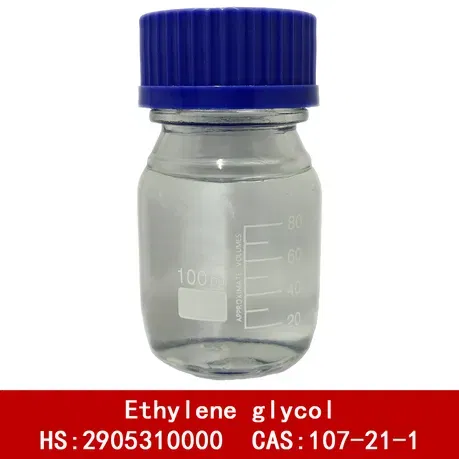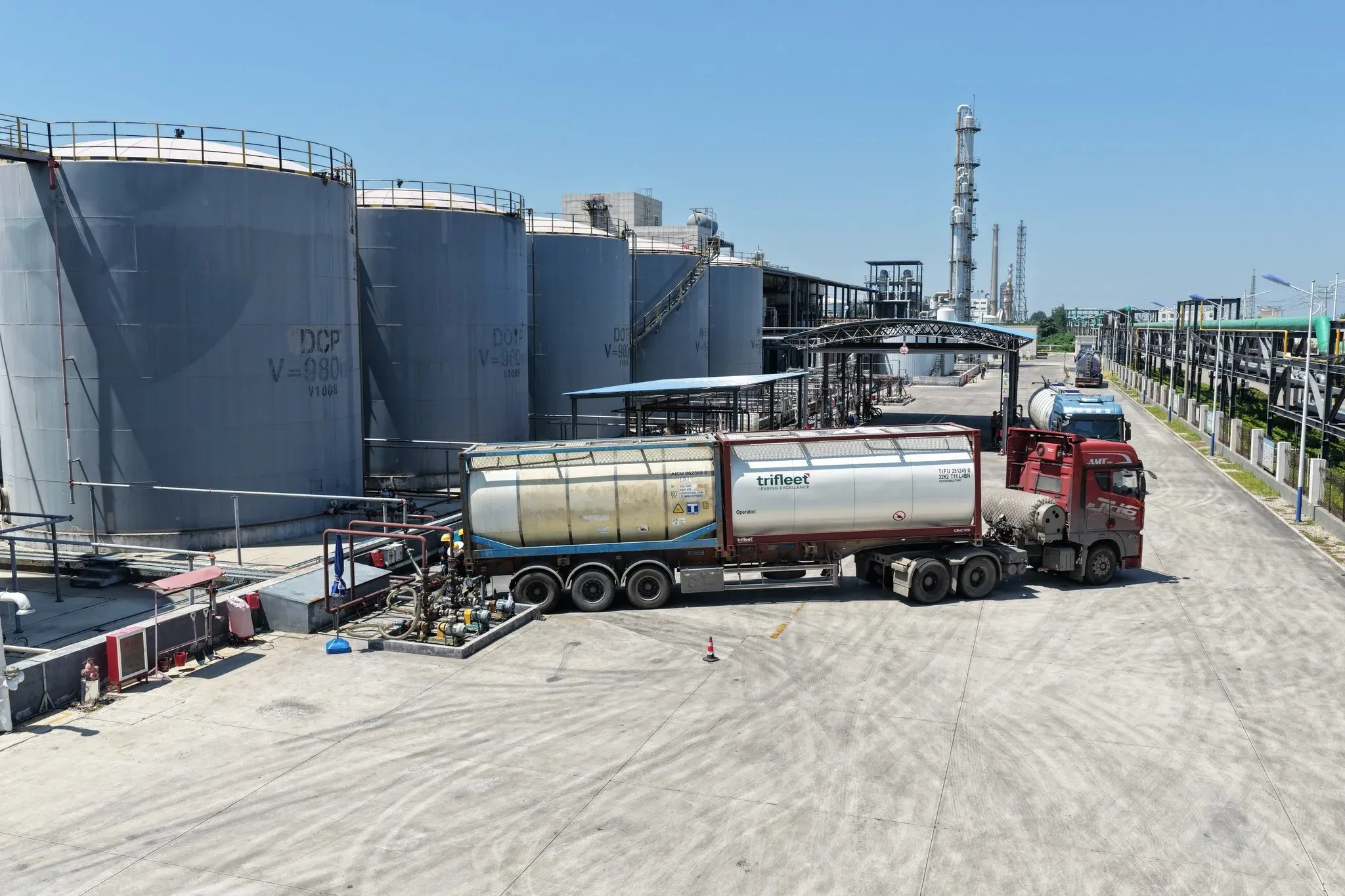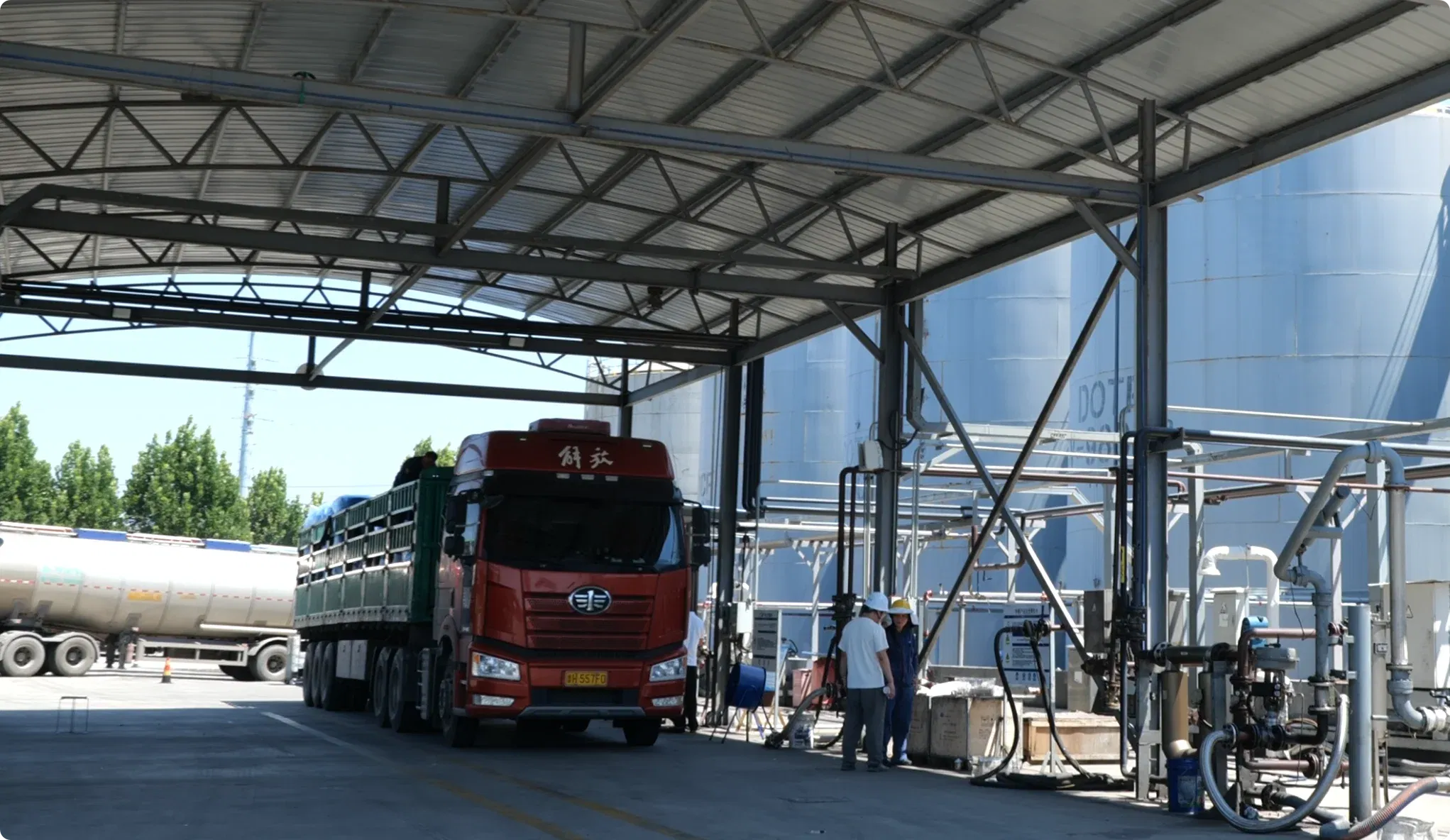

Ethylene Glycol (MEG, CAS 107-21-1) is widely recognized as the primary ingredient in antifreeze and coolant formulations. Yet its role as a Ethylene Glycol (MEG) chemical intermediate extends far beyond freeze protection. In natural gas dehydration, textile dyeing, resin synthesis, tobacco processing, and electroplating, Ethylene Glycol (MEG) serves as an indispensable ethylene glycol feedstock that enables processes across dozens of industries. Shandong Changxing Plastic Additives, an ISO 9001 certified manufacturer, supplies high-purity Ethylene Glycol (MEG) to chemical intermediate buyers worldwide.
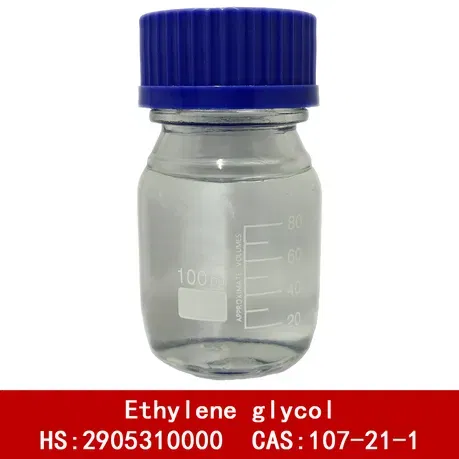
What Makes MEG an Effective Chemical Intermediate
Ethylene glycol's effectiveness as a chemical intermediate stems from its unique combination of physicochemical properties. Its two hydroxyl groups enable esterification, etherification, and condensation reactions with a wide range of organic and inorganic compounds. The low molecular weight (62.07 g/mol), high boiling point (197.3 °C), and complete miscibility with water and most organic solvents make MEG an ideal reaction medium and feedstock for downstream synthesis.
Key properties that drive MEG's role as an ethylene glycol chemical intermediate include: hygroscopicity (enabling dehydration applications), low freezing point (−12.9 °C), high flash point (≥111 °C closed cup), and excellent solvent power for polar and semi-polar compounds. These characteristics distinguish ethylene glycol from other glycols and make it the preferred intermediate in applications where both reactivity and process safety are critical.
Gas Dehydration: MEG in Natural Gas Processing
Natural gas produced from wells contains significant amounts of water vapor — typically 5,000 to 15,000 ppm. If this moisture is not removed, it forms hydrates (ice-like crystalline solids) that plug pipelines, valves, and processing equipment, causing shutdowns and safety hazards. MEG is the most widely used chemical intermediate for gas dehydration worldwide.
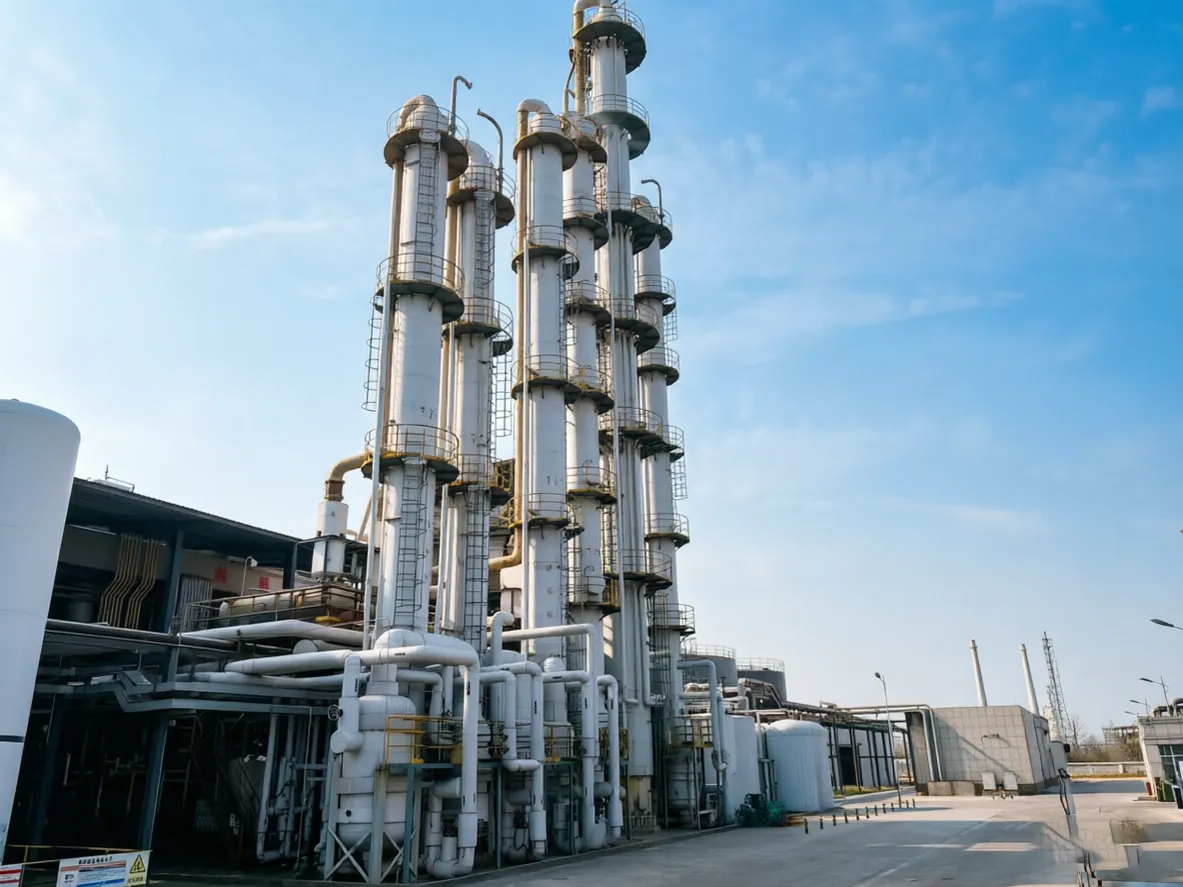
In a typical glycol dehydration unit, lean MEG (99.0–99.5% purity) is pumped into an absorber column where it contacts the wet natural gas counter-currently. The hygroscopic MEG absorbs water vapor, reducing gas moisture content to below 7 lbs/MMSCF (approximately 140 ppm) — the specification required for pipeline transmission. The water-rich MEG (called "rich glycol") is then regenerated in a reboiler at 200–204 °C to strip out absorbed water, producing lean MEG for recirculation.
Why MEG, not TEG or DEG?
Triethylene glycol (TEG) is more common in natural gas dehydration due to lower vapor losses at higher reboiler temperatures. However, MEG is preferred for cold-climate pipeline dehydration (offshore and Arctic operations) because of its lower viscosity at sub-zero temperatures and lower freezing point, ensuring reliable circulation in extreme conditions. MEG is also the standard choice for hydrate inhibition — injecting MEG directly into gas streams to prevent hydrate formation during production and transportation.
For gas dehydration applications, MEG must meet stringent purity requirements: purity ≥99.0%, water content ≤0.3%, chloride ≤1.0 ppm, and iron ≤0.5 ppm. Contaminants accelerate corrosion in gas processing equipment and reduce dehydration efficiency. Shandong Changxing's ethylene glycol consistently exceeds these specifications with typical purity ≥99.9% and chloride ≤0.5 ppm.
Textile Processing: MEG as Dye Carrier and Fiber Finish
In the textile industry, Ethylene glycol serves as a chemical intermediate in several critical processes. As a dye carrier, MEG improves the diffusion of disperse dyes into synthetic fibers (particularly polyester) by swelling the fiber structure at temperatures below the glass transition point. This enables deeper, more uniform color penetration without the energy costs of high-pressure dyeing.
MEG also functions as a fiber finish intermediate in textile manufacturing. It is used to formulate spin finishes — the lubricating and antistatic coatings applied to synthetic fibers during spinning and drawing. MEG's hygroscopic nature helps maintain consistent moisture levels on fiber surfaces, reducing static buildup and improving processability at speeds exceeding 5,000 m/min.
In textile printing, MEG acts as a humectant in print paste formulations, preventing premature drying of dyes on screens and ensuring sharp, well-defined prints. Typical MEG concentrations in print paste range from 3% to 8% by weight.
Resin Production: MEG in Alkyd and Unsaturated Polyester Resins
Beyond its well-known role in PET production (which is outside our business scope), MEG is a key chemical intermediate in the production of alkyd resins and unsaturated polyester resins (UPR) used in coatings, adhesives, and composite materials.
In alkyd resin synthesis, ethylene glycol reacts with phthalic anhydride and fatty acids (from vegetable oils) through polycondensation to produce resins for architectural paints, industrial coatings, and wood finishes. MEG-based alkyds offer faster drying times, better gloss retention, and improved flexibility compared to glycerin-based alternatives.
In unsaturated polyester resin (UPR) production, MEG is combined with maleic anhydride and phthalic anhydride to form the base polyester backbone. After dissolution in styrene monomer, these resins cure into rigid or flexible composites used in boat hulls, automotive body panels, storage tanks, and corrosion-resistant piping. The global UPR market was valued at approximately $8.5 billion in 2024 (per Grand View Research), with MEG serving as one of the primary glycol feedstocks.
| Resin Type | MEG Role | Typical MEG Content | End Products |
|---|---|---|---|
| Alkyd resins | Polyol intermediate | 15–25 wt% | Paints, varnishes, wood coatings |
| Unsaturated polyester resins | Glycol backbone | 20–30 wt% | Composites, boat hulls, tanks |
| Polyurethane prepolymers | Chain extender | 5–15 wt% | Foams, elastomers, adhesives |
Tobacco Humectant: MEG in Cigarette and Tobacco Processing
Ethylene glycol is widely used as a humectant in tobacco processing, where it helps maintain moisture content in cigarettes, cigars, and pipe tobacco at optimal levels (12–14% for cigarettes). Without humectants, tobacco leaf becomes brittle during manufacturing and storage, leading to breakage, waste, and an uneven burn. MEG's hygroscopic properties absorb moisture from the air and retain it within the tobacco matrix, ensuring consistent product quality from factory to consumer.
Typical MEG concentrations in cigarette tobacco range from 1.5% to 3.0% by weight. MEG is applied as part of the casing solution — a blend of humectants, sugars, and flavorings — during the primary processing stage. The choice of MEG over propylene glycol (PG) in tobacco applications is primarily economic: MEG costs 20–40% less per ton while providing equivalent humectant performance.
It is important to note that while MEG is approved for use as a tobacco humectant in most jurisdictions, some markets (particularly the EU under the Tobacco Products Directive 2014/40/EU) have restricted or are reviewing the use of specific humectants. Manufacturers should verify regulatory compliance for their target markets.
Other Niche Applications of MEG as a Chemical Intermediate
Electroplating and Metal Surface Treatment
MEG is used as a solvent and brightener carrier in electroplating baths, particularly for copper, nickel, and chromium plating. Its high boiling point and low vapor pressure reduce bath evaporation losses, while its solvent power helps dissolve organic brighteners and leveling agents that produce mirror-finish deposits.
Pharmaceutical Intermediates
MEG serves as a starting material and reaction solvent in the synthesis of several pharmaceutical compounds. Its diol functionality enables cyclization and condensation reactions that produce heterocyclic intermediates for antibiotics, antifungals, and cardiovascular drugs. Pharmaceutical-grade MEG requires purity ≥99.8% and compliance with pharmacopeia standards (USP, EP, or BP).
Ink and Coating Formulations
In printing inks and specialty coatings, MEG acts as a co-solvent and humectant that controls drying speed, prevents nozzle clogging in inkjet systems, and improves film formation in water-based coatings. Typical concentrations range from 2% to 10% by weight in ink formulations.
Quality Specifications for Intermediate-Grade MEG
The quality requirements for ethylene glycol as a chemical intermediate vary by application, but the following specifications represent the baseline for most industrial uses:
| Parameter | Intermediate Grade | Antifreeze Grade | Pharma Grade |
|---|---|---|---|
| Purity | ≥99.0% | ≥99.5% | ≥99.8% |
| Water content | ≤0.3% | ≤0.1% | ≤0.1% |
| Chloride | ≤1.0 ppm | ≤0.5 ppm | ≤0.5 ppm |
| Iron | ≤0.5 ppm | ≤0.1 ppm | ≤0.1 ppm |
| Chroma (Pt-Co) | ≤60 | ≤40 | ≤15 |
| DEG content | ≤1.0% | ≤0.5% | ≤0.1% |
For gas dehydration applications, the critical specification is chloride content — levels above 1.0 ppm accelerate stress corrosion cracking in carbon steel piping and vessels. For resin and coating applications, chroma (color) is the key indicator: high chroma signals degradation or contamination that can discolor finished products. Shandong Changxing's ethylene glycol consistently delivers purity ≥99.9%, chloride ≤0.5 ppm, and chroma ≤20 Pt-Co — meeting or exceeding antifreeze-grade specifications for all intermediate applications.
How to Source MEG as a Chemical Intermediate from China
China is the world's largest MEG producer, with installed capacity exceeding 28 million tons per year (per IHS Markit). For international buyers sourcing MEG as a chemical intermediate, the procurement process involves several key considerations:
1. Define your grade requirement. Specify whether you need intermediate grade (≥99.0%), antifreeze grade (≥99.5%), or pharmaceutical grade (≥99.8%). The grade determines the price premium and available supplier pool. For most ethylene glycol uses as a chemical intermediate, antifreeze grade provides the best balance of quality and cost.
2. Verify supplier certifications. Require ISO 9001 certification at minimum. For buyers serving EU markets, confirm the supplier provides REACH-registered MEG with complete SDS and CoA documentation. Shandong Changxing holds ISO 9001/14001/45001/50001 certifications and provides GHS-classified SDS, CoA with actual test results, and certificate of origin for every shipment.
3. Request sample testing. Before placing a bulk order, request a 1–5 kg sample for independent laboratory verification of purity, chloride, iron, chroma, and DEG content. Compare results against the supplier's CoA.
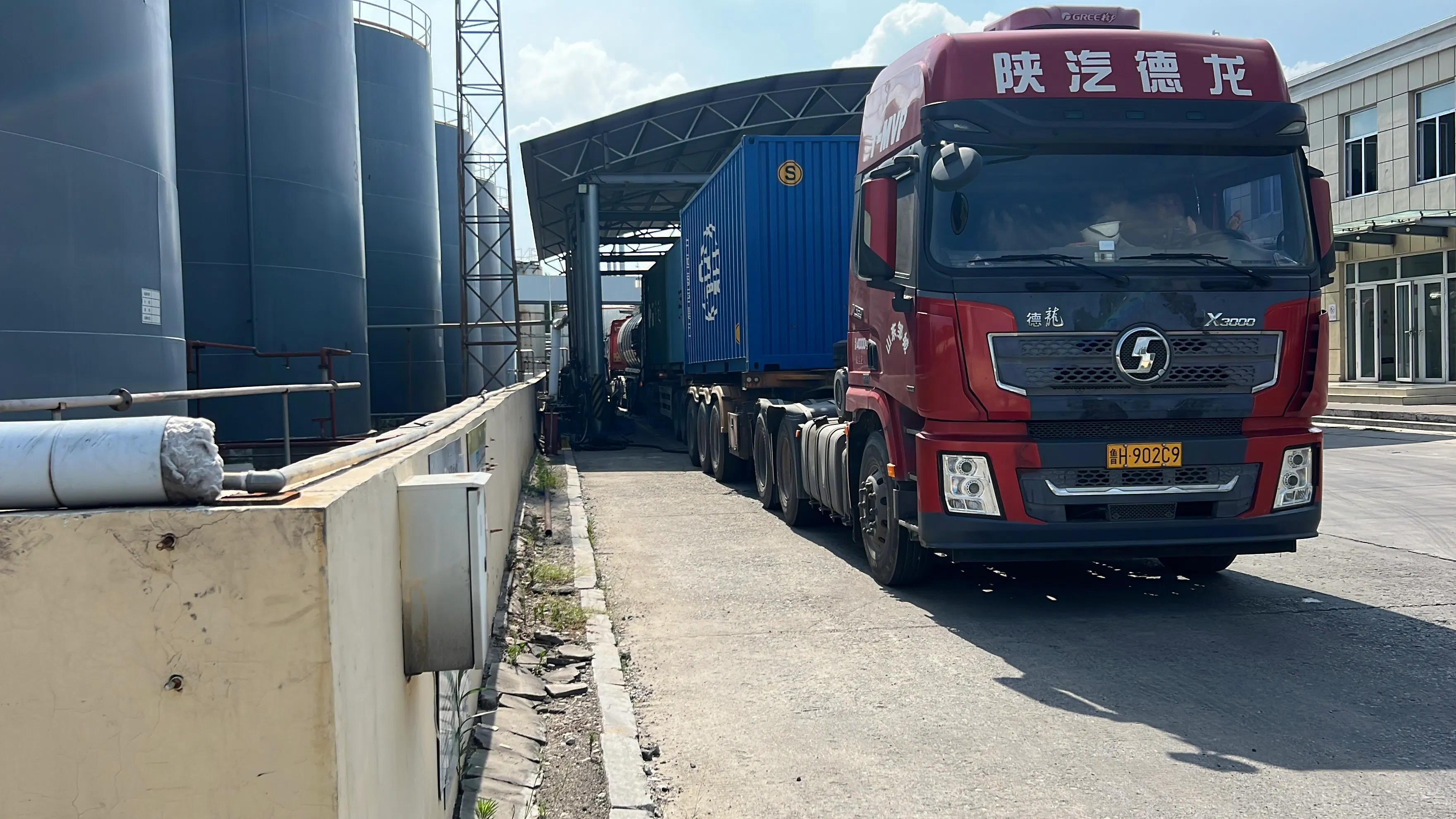
4. Negotiate packaging and logistics. MEG is shipped as non-dangerous goods under IMDG, ADR, and IATA regulations. Standard packaging options include flexitanks (20–24 tons per 20-foot container), IBC totes (1,000 kg each), and 200 kg drums. FOB Qingdao or CIF to major ports worldwide are the most common trade terms.
5. Establish quality consistency. For ongoing supply, implement a batch-to-batch quality monitoring program. Request CoA for each shipment and track key parameters over time. A reliable supplier will maintain consistent specifications with minimal lot-to-lot variation. For more on MEG antifreeze and coolant formulation, see our dedicated guide.
Ready to Source Premium MEG?
Shandong Changxing Plastic Additives Co., Ltd. is an ISO 9001 certified manufacturer. We supply MEG, DOTP, DCP, and 2-octanol to clients worldwide.
Request a Free Quote- ✅ Antifreeze-grade MEG (≥99.5% purity, chloride ≤0.5 ppm)
- ✅ ISO 9001/14001/45001/50001 certified
- ✅ Global delivery to 30+ countries
- ✅ Complete SDS/CoA documentation for every shipment
- ✅ National specialized & innovative "Little Giant" enterprise
Frequently Asked Questions
What is MEG used for as a chemical intermediate?
As a chemical intermediate, MEG is primarily used in: (1) natural gas dehydration and hydrate inhibition, (2) textile dye carrier and fiber finish formulations, (3) alkyd and unsaturated polyester resin synthesis, (4) tobacco humectant applications, (5) electroplating bath solvents, (6) pharmaceutical intermediate synthesis, and (7) ink and coating formulations. These applications leverage MEG's hygroscopicity, diol reactivity, and solvent properties.
What purity of MEG is required for chemical intermediate applications?
Most chemical intermediate applications require MEG purity ≥99.0% (intermediate grade). Gas dehydration and resin production typically specify antifreeze grade (≥99.5%, chloride ≤0.5 ppm) for corrosion protection and color consistency. Pharmaceutical applications require pharma grade (≥99.8%). Shandong Changxing's MEG consistently exceeds antifreeze-grade specifications with typical purity ≥99.9% and chroma ≤20 Pt-Co.
How is MEG used in natural gas dehydration?
In natural gas dehydration, lean MEG (99.0–99.5% purity) is pumped into an absorber column where it contacts wet natural gas counter-currently. The hygroscopic MEG absorbs water vapor, reducing gas moisture to below 7 lbs/MMSCF for pipeline transmission. The water-rich MEG is then regenerated in a reboiler at 200–204 °C and recirculated. MEG is also injected directly into gas streams for hydrate inhibition in cold-climate and offshore operations.
Is MEG used in resin production?
Yes. MEG is a key intermediate in alkyd resin synthesis (for paints and coatings) and unsaturated polyester resin (UPR) production (for composites, boat hulls, and storage tanks). In alkyd resins, MEG reacts with phthalic anhydride and fatty acids through polycondensation. In UPR, MEG forms the glycol backbone combined with maleic anhydride and phthalic anhydride. Typical MEG content ranges from 15–30 wt% depending on the resin type.
How do I source MEG as a chemical intermediate from China?
Define your grade requirement (intermediate, antifreeze, or pharma grade), verify supplier ISO certifications and REACH registration, request sample testing for purity and contaminants, negotiate packaging (flexitanks, IBC totes, or drums) and logistics (FOB Qingdao or CIF), and establish batch-to-batch quality monitoring. Shandong Changxing provides complete SDS/CoA documentation, ISO 9001/14001/45001/50001 certification, and global delivery to 30+ countries.