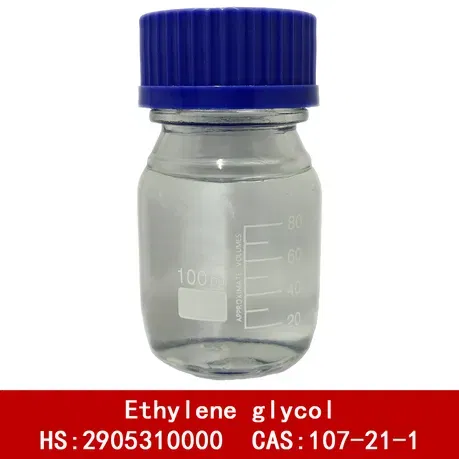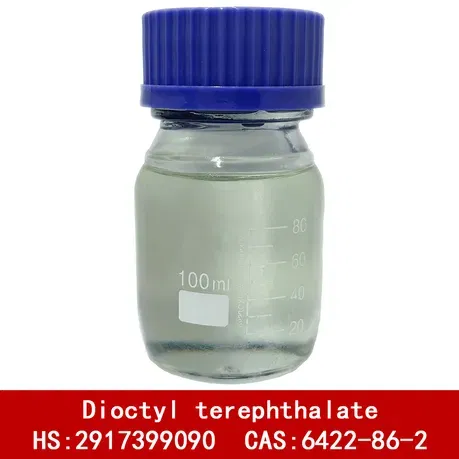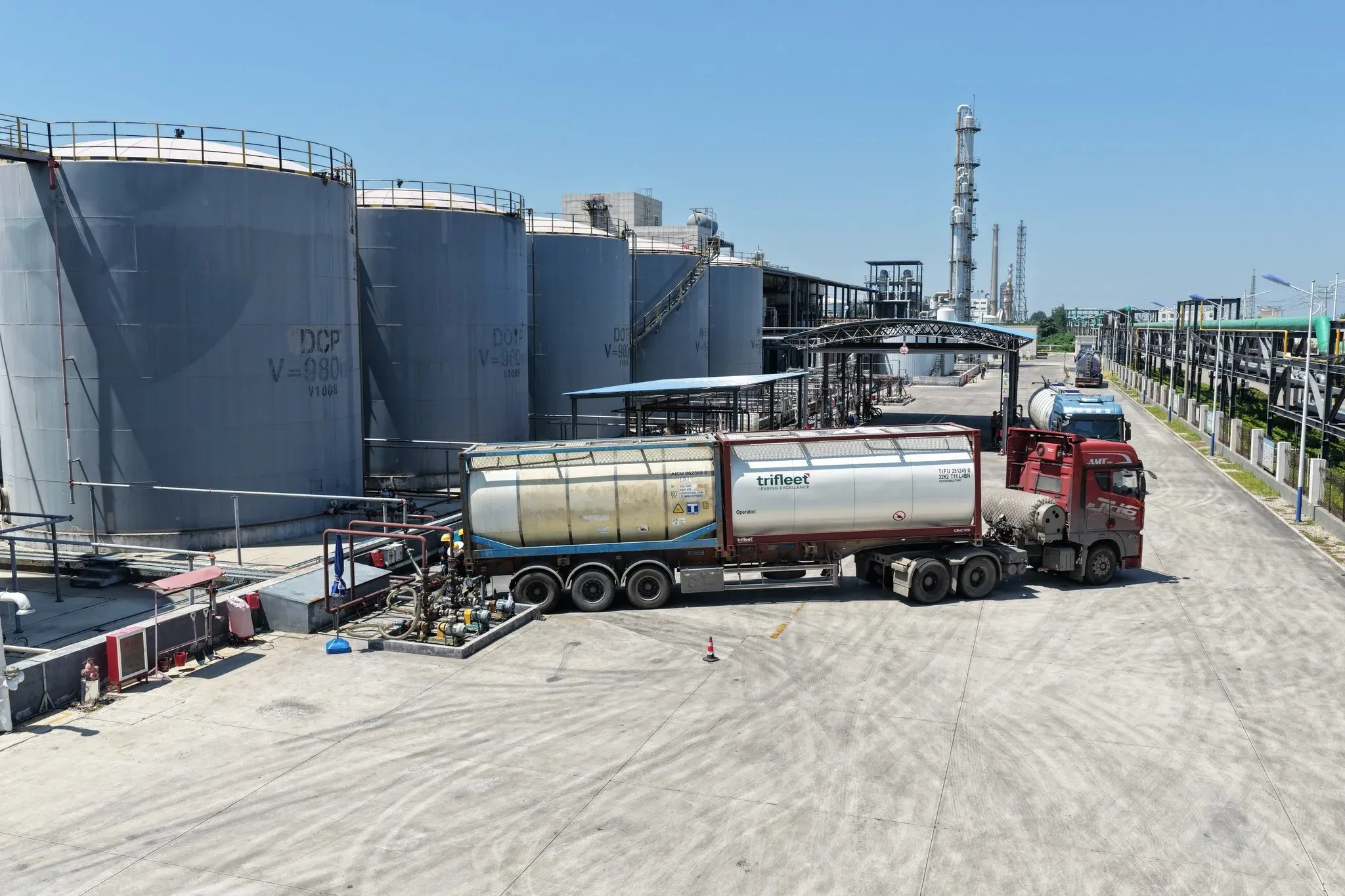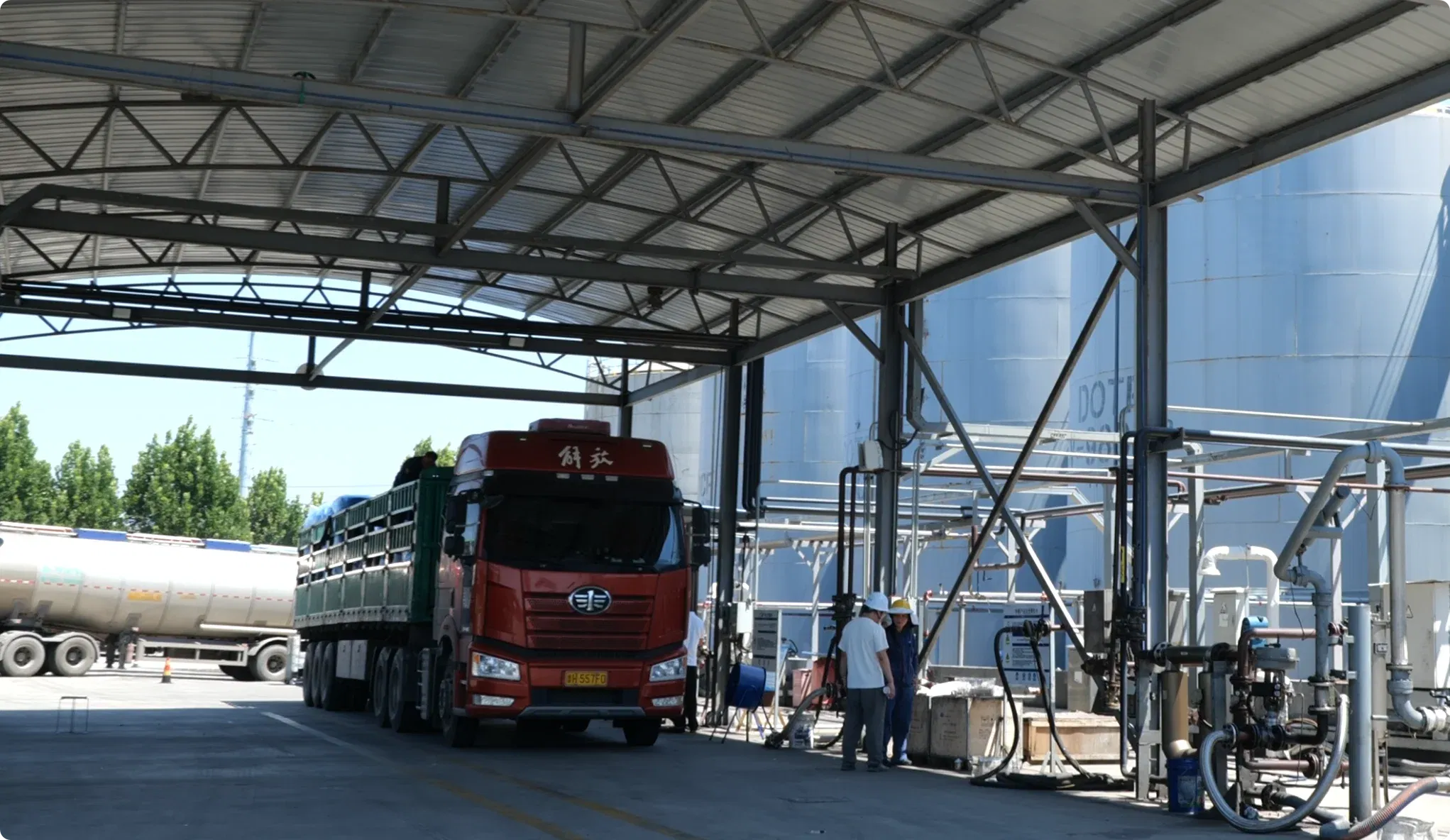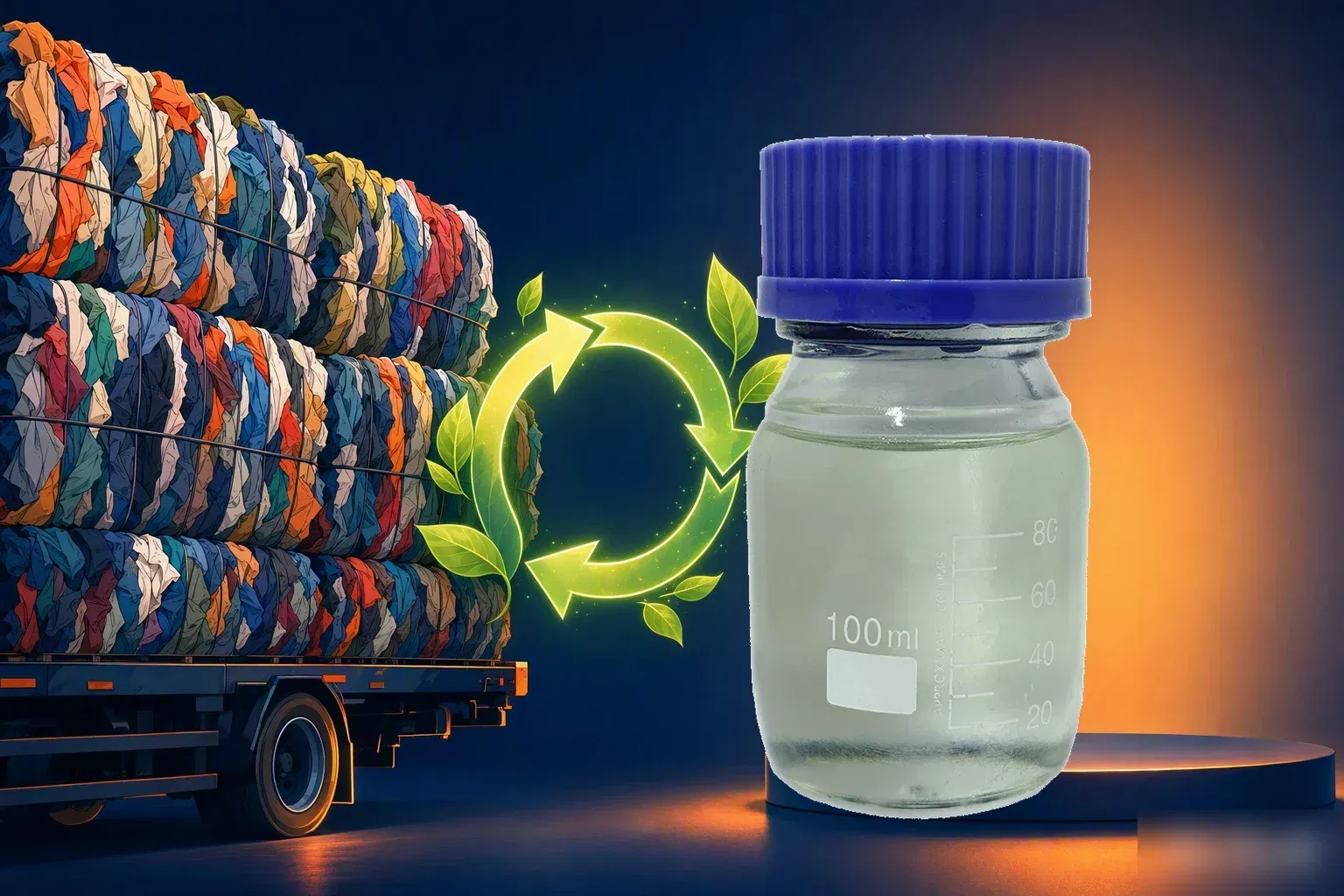

Ethylene Glycol (MEG, CAS 107-21-1) accounts for over 90% of every antifreeze concentrate by weight — it is the single largest cost item in your formulation. Shandong Changxing Plastic Additives now supplies Ethylene Glycol (MEG) at 15–25% lower cost than conventional petrochemical MEG, with zero compromise on purity or performance. The reason: our MEG is co-produced from waste PET through chemical recycling — a process that fundamentally restructures the cost equation. For antifreeze manufacturers, this is not an incremental discount. It is a cost breakthrough that reshapes your competitive position.
The Cost Breakthrough: 15–25% Lower Than Petrochemical MEG
Conventional MEG is produced from ethylene oxide — a petrochemical intermediate derived from ethylene, which tracks crude oil and natural gas prices. When oil surges, MEG surges. This volatility makes cost planning difficult for antifreeze manufacturers, who operate in a market where finished product pricing is increasingly commoditized.
Shandong Changxing's MEG is different. It is co-produced from waste PET plastic — water bottles, food containers, and industrial polyester scrap — through a chemical recycling process. The feedstock cost is a fraction of virgin ethylene: typically 40–60% lower per ton of equivalent MEG output. This is not a temporary discount or a promotional price. It is a structural cost advantage built into the process economics, and it persists regardless of oil price movements.
| Cost Factor | Petrochemical MEG | Changxing Recycled MEG |
|---|---|---|
| Feedstock | Ethylene (from crude oil / natural gas) | Waste PET (bottles, scrap) |
| Feedstock cost | High — tracks oil/gas | 40–60% lower per ton MEG output |
| Typical FOB China price (2026)* | $480–560/ton | $380–440/ton |
| Cost advantage | — | 15–25% lower |
| Price volatility | High — exposed to oil markets | Low — waste feedstock, stable |
| Supply risk | Ethylene cracker outages | Stable — continuous PET waste stream |
* Price range based on Q1 2026 China domestic market data (ICIS, CME Group). Actual prices vary with grade, volume, and contract terms.
What does this mean for your antifreeze business? MEG is 90–95% of your concentrate. A 15–25% reduction in MEG input cost translates to $60–120 savings per ton of finished antifreeze concentrate. For a mid-size manufacturer producing 10,000 tons per year, that is $600,000–$1,200,000 in annual savings. This is not marginal optimization — it is a cost breakthrough that lets you either widen margins or undercut competitors on price, or both.
The Carbon Neutrality Bonus: 40–60% Lower Carbon Footprint
The cost advantage is compelling on its own — but recycled MEG delivers a second, equally powerful benefit: a dramatically lower carbon footprint. In an era of carbon border adjustment mechanisms (CBAM), corporate net-zero pledges, and ESG-mandated procurement, the embedded carbon in your raw materials is no longer an afterthought. It is a line item that directly affects landed cost and market access.
Shandong Changxing's PET chemical recycling route avoids the upstream carbon emissions associated with crude oil extraction, refining, and ethylene cracking — the most carbon-intensive stages of conventional MEG production. Life-cycle assessments (based on ISO 14040/14044 methodology) indicate that our circular-route MEG reduces greenhouse gas emissions by 40–60% compared to petrochemical MEG. Each ton of waste PET diverted from landfill or incineration avoids approximately 5.5 tons of CO₂ equivalent emissions — from eliminated landfill methane and displaced virgin chemical production combined.
| Carbon Metric | Petrochemical MEG | Changxing Recycled MEG |
|---|---|---|
| GHG reduction vs. petrochemical route | Baseline | 40–60% lower |
| CO₂ avoided per ton waste PET processed | — | ~5.5 t CO₂e |
| Feedstock source | Crude oil / natural gas (extractive) | Waste PET (circular) |
| Carbon certification | — | ISO 14067 carbon footprint verified |
| ESG reporting support | — | GRI / SASB / CDP compatible |
| CBAM exposure | High — fossil-derived | Low — circular feedstock |
What does this mean for your antifreeze business? Two things. First, as CBAM and similar mechanisms expand, the carbon embedded in petrochemical MEG will carry a direct financial penalty — a cost that recycled MEG largely avoids. Second, for OEMs and fleet operators with Scope 3 emission reduction targets, switching to recycled-MEG antifreeze is a verifiable, documented reduction that requires zero reformulation. Shandong Changxing holds ISO 14001 (environmental management), ISO 50001 (energy management), and ISO 14067-compliant carbon footprint certification — we can provide the data and traceability documentation your sustainability team needs.
Cost advantage and carbon advantage — from the same molecule, at the same time. This is not a trade-off. It is a double win.
Why It Is Cheaper: The PET Chemical Recycling Advantage
The cost advantage is not magic — it is chemistry. Here is how the process works and why it fundamentally restructures the cost equation.
In the PET-to-DOTP transesterification process, waste PET flakes are reacted with 2-ethylhexanol (CAS 104-76-7) under catalytic conditions at elevated temperatures. The ester bonds in PET break, and new ester bonds form with the 2-ethylhexanol, producing two valuable products simultaneously:
- DOTP plasticizer (dioctyl terephthalate) — the primary product, used in PVC wire & cable, flooring, medical devices
- Ethylene Glycol (MEG) — the co-product, released as the PET backbone depolymerizes
The crude MEG then undergoes negative-pressure rectification — a vacuum distillation that strips away residual water, 2-ethylhexanol, and trace impurities. The result: antifreeze-grade MEG with purity ≥99.5%.
Why This Process Costs Less
- Feedstock is waste, not oil. Waste PET costs 40–60% less than virgin ethylene per ton of MEG output. PET generators pay to dispose of it — we turn their cost into our feedstock.
- Two products, one process. DOTP and MEG are produced simultaneously from the same reaction. The process economics are shared, not sequential. MEG is not an afterthought — it is a co-product that carries a fraction of the total process cost.
- Feedstock supply grows every year. Global PET consumption increases annually. More PET means more waste, more feedstock, and more stable pricing — the opposite of oil-linked ethylene.
- Immune to ethylene cracker disruptions. When a cracker goes down, petrochemical MEG supply tightens and prices spike. Our supply depends on the waste stream, not a single point of failure.
Absolutely Meets Antifreeze Manufacturing Requirements
Cost advantage means nothing if the product does not perform. Shandong Changxing's recycled MEG does not just meet antifreeze-grade specifications — it exceeds them. Through chemical recycling, the MEG molecule produced from waste PET is chemically identical to MEG from ethylene oxide: same C₂H₆O₂, same CAS 107-21-1, same physical and chemical properties. There is no "recycled" discount on performance.
| Parameter | Antifreeze Grade Spec | Changxing Recycled MEG |
|---|---|---|
| Purity | ≥99.5% | ≥99.9% |
| Water content | ≤0.1% | ≤0.05% |
| Chloride | ≤0.5 ppm | ≤0.3 ppm |
| Iron | ≤0.1 ppm | ≤0.05 ppm |
| Chroma (Pt-Co) | ≤40 | ≤20 |
| Initial boiling point | ≥185 °C | ≥196 °C |
Every parameter exceeds the antifreeze-grade threshold. Our ISO 9001:2015 certified quality management system tests every batch against 15+ parameters before release. Batch-to-batch consistency is guaranteed — your formulation does not need to change, your inhibitor package does not need to change, your production line does not need to change.
Proven in Antifreeze Performance
MEG remains the undisputed first choice for antifreeze for four reasons — and our recycled MEG delivers on every one:
1. Freeze point depression. A 50% MEG / 50% water solution freezes at approximately −33 °C; a 58% solution reaches −48 °C. Our recycled MEG achieves identical freeze point depression because it is the same molecule. Your ASTM D3306, BS 6580, or JIS K2234 compliance is unaffected.
2. Heat transfer efficiency. MEG has higher thermal conductivity than propylene glycol at equivalent concentrations. More efficient heat removal from engines and industrial equipment — unchanged with recycled MEG.
3. Low-temperature viscosity. MEG's lower viscosity vs. PG ensures faster cold-start circulation. When an engine starts at −20 °C, MEG-based coolant flows immediately — no difference between recycled and petrochemical MEG.
4. Corrosion protection compatibility. Recycled MEG works with all standard inhibitor packages (silicate, organic acid, hybrid, phosphate-based). The chloride content (≤0.3 ppm) is well below the threshold that accelerates aluminum and solder corrosion, giving you more headroom than petrochemical MEG.
The Antifreeze Cost Breakthrough
Let us put the numbers together. For a typical antifreeze concentrate formulation:
| Metric | Petrochemical MEG | Changxing Recycled MEG |
|---|---|---|
| MEG cost per ton (FOB China) | $480–560 | $380–440 |
| MEG in antifreeze concentrate | 90–95 wt% | 90–95 wt% |
| Savings per ton concentrate | — | $60–120 |
| Annual savings (10,000 t/yr) | — | $600K–$1.2M |
| Quality impact | — | Zero — exceeds specs |
| Formulation change required | — | None |
Same molecule. Same performance. Same formulation. Lower cost. That is the breakthrough.
And there is a bonus: the circular economy story. Your antifreeze is now made from recycled plastic — a verifiable sustainability claim that supports ESG reporting under GRI, SASB, and CDP frameworks. In a market where corporate procurement increasingly demands green credentials, this is a competitive edge that costs you nothing extra.
Ready for the Cost Breakthrough?
Shandong Changxing Plastic Additives Co., Ltd. — ISO 9001/14001/45001/50001 certified. Our recycled MEG delivers antifreeze-grade quality at 15–25% lower cost. Same molecule. Zero compromise.
Request a Free Quote- ✅ Antifreeze-grade MEG — purity ≥99.9%, chloride ≤0.3 ppm
- ✅ 15–25% cost advantage vs. petrochemical MEG
- ✅ No formulation change required
- ✅ ISO 9001/14001/45001/50001 certified
- ✅ Global delivery to 30+ countries
- ✅ Circular economy — verifiable ESG claim at no extra cost
Frequently Asked Questions
Is recycled MEG the same quality as petrochemical MEG for antifreeze?
Yes — it is the same molecule (C₂H₆O₂, CAS 107-21-1). Through chemical recycling, MEG from waste PET is molecularly identical to MEG from ethylene oxide. Shandong Changxing's recycled MEG typically achieves purity ≥99.9%, chroma ≤20 Pt-Co, and chloride ≤0.3 ppm — all exceeding antifreeze-grade specifications. Your formulation, inhibitor package, and production process require zero changes.
Why is recycled MEG 15–25% cheaper?
The feedstock. Petrochemical MEG uses ethylene (from crude oil/natural gas) — expensive and volatile. Our MEG uses waste PET as feedstock, which costs 40–60% less per ton of equivalent MEG output. Waste PET is a disposal-cost material for generators; we turn it into a valuable product. This structural advantage is built into the process economics and persists regardless of oil price movements.
Can I use recycled MEG in my existing antifreeze formulation without changes?
Yes. Drop-in replacement. Same molecule, same freeze point depression (50% MEG solution freezes at approximately −33 °C), same heat transfer efficiency, same low-temperature viscosity, same compatibility with all standard inhibitor packages (silicate, organic acid, hybrid, phosphate-based). No reformulation, no requalification, no production line changes. Just lower input cost.
How much can my antifreeze business save?
MEG is 90–95% of antifreeze concentrate by weight. A 15–25% reduction in MEG cost translates to $60–120 savings per ton of finished concentrate. For a 10,000 ton/year manufacturer, that is $600,000–$1,200,000 annually. The savings go straight to your margin or your pricing competitiveness — your choice.
What is the supply capacity and stability?
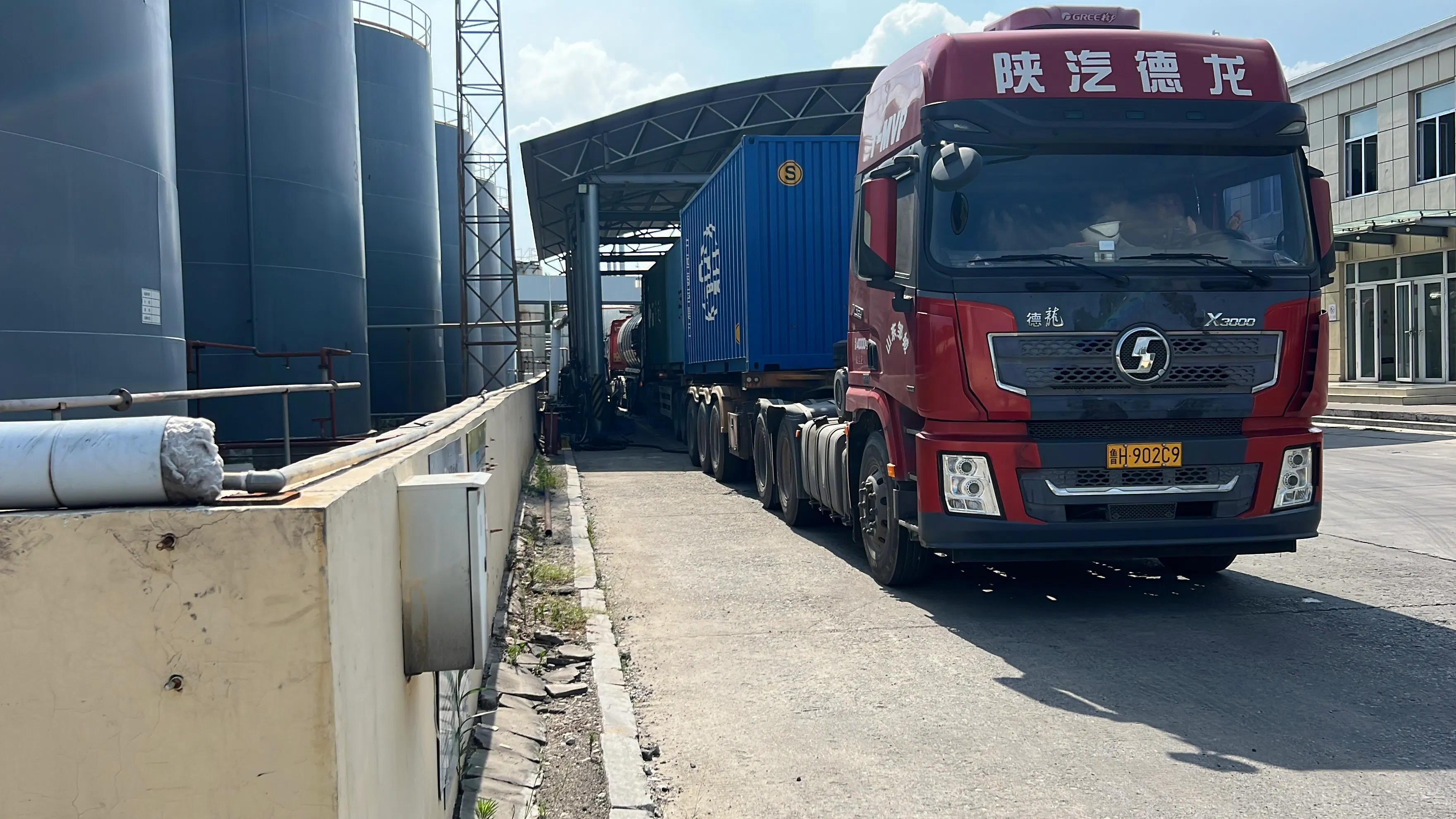
Shandong Changxing's group operates two production bases with DOTP capacity of 450,000 tons/year, including the 150,000-ton Wan Sheng continuous PET alcoholysis facility. The MEG co-product stream is stable and growing. Unlike petrochemical MEG — vulnerable to ethylene cracker outages and oil supply disruptions — our supply is backed by the ever-growing global PET waste stream. More PET consumption means more feedstock, not less.
Does recycled MEG support our ESG and sustainability reporting?
Yes — and this is a bonus that costs nothing extra. Your antifreeze is now made from recycled plastic, which is a verifiable circular economy claim under GRI, SASB, and CDP frameworks. Shandong Changxing holds ISO 14001 (environmental management), ISO 50001 (energy management), and ISO 14067 carbon footprint certifications, and can provide carbon footprint data and waste-PET traceability documentation. In procurement decisions where green credentials matter, this is a competitive edge.