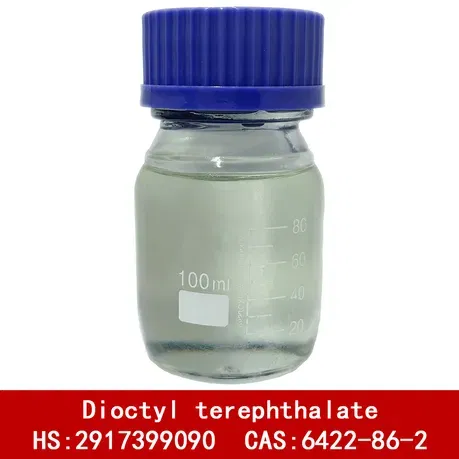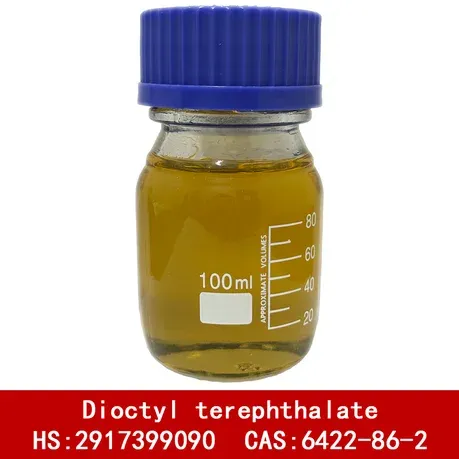

If you manufacture or import PVC products into the European Union, REACH compliance is not optional — it is a legal requirement. The EU's Registration, Evaluation, Authorisation and Restriction of Chemicals regulation (EC No 1907/2006) directly impacts which plasticizers you can use, how you document compliance, and whether your products can legally enter the EU market. For PVC manufacturers seeking a REACH compliant plasticizer, understanding the regulation's structure and requirements is the first step toward building a defensible compliance strategy. This guide explains what REACH means for plasticizers, why DOTP (Dioctyl Terephthalate, CAS 6422-86-2) is the leading compliant alternative, and how to implement a practical compliance path.
What Is REACH and Why It Matters for Plasticizers
REACH is the European Union's comprehensive chemicals regulation, in force since June 2007. It places the burden of proof on industry — manufacturers and importers must demonstrate that the chemicals they place on the EU market are safe for human health and the environment. For the plasticizer industry, REACH matters through three key mechanisms:
- Registration — Any substance manufactured or imported above 1 tonne per year must be registered with the European Chemicals Agency (ECHA). This includes plasticizers like DOTP, DOP, and DINP.
- SVHC Candidate List — Substances of Very High Concern (SVHCs) are identified based on carcinogenic, mutagenic, reproductive toxicity (CMR), persistent/bioaccumulative/toxic (PBT), or equivalent concern. Once listed, articles containing SVHCs above 0.1% require notification and supply chain communication.
- Restriction (Annex XVII) and Authorisation (Annex XIV) — Restricted substances cannot be used above specified concentration limits. Substances on the Authorisation list can only be used if an authorisation is granted — a costly and time-consuming process.
Key takeaway: REACH compliance for plasticizers is not just about registration — it is about ensuring your chosen plasticizer is not restricted, not on the SVHC list, and does not require authorisation. This is where the choice between phthalate and non-phthalate plasticizers becomes critical. For a broader view of global phthalate regulations beyond REACH, see our Phthalate-Free Plasticizer Guide.
Phthalates Under REACH: DEHP, DBP, BBP, and DIBP Restrictions
Four ortho-phthalate plasticizers are subject to the most stringent REACH controls. These are the substances driving the global shift toward phthalate free plasticizer alternatives:
| Substance | CAS Number | REACH Status | Restriction |
|---|---|---|---|
| DEHP (DOP) | 117-81-7 | SVHC + Annex XIV + Annex XVII | ≤0.1% in all consumer articles |
| DBP | 84-66-2 | SVHC + Annex XIV + Annex XVII | ≤0.1% in all consumer articles |
| BBP | 85-68-7 | SVHC + Annex XIV + Annex XVII | ≤0.1% in all consumer articles |
| DIBP | 84-69-5 | SVHC + Annex XVII | ≤0.1% in all consumer articles |
The practical impact is clear: any PVC product containing DEHP, DBP, BBP, or DIBP above 0.1% by weight cannot be sold in the EU without specific authorisation. For most manufacturers, obtaining authorisation is impractical — it requires demonstrating that no suitable alternative exists and implementing a substitution plan. This regulatory reality makes the transition to a DOTP as a DEHP alternative not just advisable, but necessary.
Why DOTP Is Naturally Exempt from Phthalate Restrictions
DOTP (Dioctyl Terephthalate, CAS 6422-86-2) is a terephthalate ester, not an ortho-phthalate ester. The distinction is chemical, legal, and consequential:
- Chemical structure — In DOTP, the two ester groups are positioned on opposite (para) carbons of the benzene ring. In restricted phthalates like DEHP, the ester groups are on adjacent (ortho) carbons. This structural difference fundamentally changes the toxicological profile.
- Legal classification — REACH, CPSIA, RoHS, and all major regulatory frameworks define restrictions based on the ortho-phthalate structure. DOTP's para-terephthalate structure places it outside the scope of these restrictions.
- SVHC status — DOTP is not listed on the REACH SVHC Candidate List. It is not classified as a CMR substance, PBT, or vPvB. No authorisation is required for its use.
- Registration status — DOTP is fully registered under REACH (EC No 1907/2006). Shandong Changxing's DOTP has completed registration, enabling seamless import into the EU.
Bottom line: Choosing DOTP eliminates the REACH compliance burden associated with phthalate restrictions. You do not need authorisation, you do not face concentration limits, and you do not need SVHC notification — because DOTP is not a phthalate. For a deeper comparison, see DOTP vs DINP.
5-Step REACH Compliance Path for PVC Manufacturers
Whether you are a PVC compounder, product manufacturer, or EU importer, achieving REACH compliance for your plasticizer supply chain follows a structured path. Here is a proven five-step DOTP compliance guide:
Step 1: Audit Your Current Plasticizer Supply
Document every PVC formulation containing ortho-phthalate plasticizers. Record the type (DEHP, DBP, BBP, DIBP, DINP, DIDP, DnOP, etc.), loading level (phr), target hardness, end-use application, and export markets. Identify which formulations serve EU-bound products — these carry the highest regulatory risk and should be prioritized for substitution.
Step 2: Select a REACH-Compliant Plasticizer
For most general-purpose PVC applications, DOTP is the proven, cost-effective replacement. It offers equivalent or superior plasticizing performance, is fully REACH registered, and is not subject to any phthalate restriction. For applications requiring enhanced purity specifications, qualified DOTP grades are also available. Verify that your DOTP supplier provides REACH registration documentation, a GHS-classified SDS, and a Certificate of Analysis (CoA) with each shipment.
Step 3: Conduct Third-Party Compliance Testing
Even when using a compliant plasticizer, you must verify that the finished product meets regulatory thresholds. Send samples to an accredited laboratory (e.g., SGS, Intertek, TÜV) for phthalate screening per CPSC-CH-C1001-09.4, element migration testing per EN 71-3, and PFAS total fluorine screening per EN 14582. Retain all test reports for at least 10 years. For detailed test methodology, see our SGS three-test results.
Step 4: Document and Archive Compliance Records
REACH requires a documented compliance trail. For each product line, maintain: (1) the supplier's REACH registration certificate, (2) SDS and CoA for every batch, (3) third-party test reports, (4) a Declaration of Compliance confirming the product meets REACH Annex XVII, RoHS, and applicable national regulations. EU importers may request these documents at any time. For SDS guidance, see our DOTP MSDS guide.
Step 5: Monitor Regulatory Changes Continuously
REACH is a living regulation. ECHA updates the SVHC Candidate List twice per year (typically January and June), and new restrictions can be added through Annex XVII entries. Subscribe to ECHA news alerts, review the latest SVHC list before each product shipment, and maintain a compliance calendar. All raw materials in your PVC formulations — including plasticizers, stabilizers, and processing aids — should be reviewed periodically against the latest SVHC and restriction lists.
SGS Testing: Phthalate 17-Substance, EN 71-3, and PFAS Screening
Third-party testing is the cornerstone of a credible REACH compliance program. Shandong Changxing's DOTP has passed three critical SGS tests, providing downstream manufacturers with verified compliance data:
| Test | Standard | What It Detects | DOTP Result |
|---|---|---|---|
| Phthalate 17-Substance | CPSC-CH-C1001-09.4 | 17 ortho-phthalate esters including DEHP, DBP, BBP, DIBP, DINP, DIDP, DnOP | All Not Detected (<LOD) |
| EN 71-3 Element Migration | EN 71-3:2019+A2:2024 | 19 heavy metal elements (lead, cadmium, mercury, arsenic, etc.) | All Compliant |
| PFAS Total Fluorine | EN 14582:2016 | Total fluorine content as indicator of PFAS presence | Not Detected |
These test results are not merely marketing claims — they are documented in SGS-issued reports with specific test numbers, sample identification, and accredited laboratory details. Shandong Changxing provides these reports to qualified buyers upon request, enabling you to build your own compliance documentation package. For detailed breakdowns of each test, see our articles on phthalate 17-substance testing, EN 71-3 toy safety compliance, and PFAS-free fluorine screening.
REACH Registration: What Importers Need to Know
Under REACH, the obligation to register a substance falls on the EU-based importer or the non-EU manufacturer's Only Representative (OR). Here is what PVC manufacturers and importers need to understand:
- Who must register? — Any EU-based company importing a chemical substance above 1 tonne per year must submit a registration dossier to ECHA. Non-EU manufacturers can appoint an Only Representative (OR) to fulfill this obligation on their behalf.
- What does registration cover? — The registration dossier includes information on substance identity, manufacturing process, uses, classification and labelling, guidance on safe use, and study summaries from toxicological and ecotoxicological testing.
- DOTP registration status — Shandong Changxing's DOTP is fully registered under EU Regulation (EC) No 1907/2006. This means EU importers can legally import our DOTP without additional registration procedures, provided they reference the existing registration in their supply chain communication.
- Required documentation — Each shipment should include: (1) a GHS-classified Safety Data Sheet (SDS) compliant with REACH Article 31, (2) a Certificate of Analysis (CoA) with actual test results, (3) a Statement of Compliance confirming REACH, RoHS, and Proposition 65 compliance, and (4) a Certificate of Origin.
Future Regulatory Trends: PFAS, Green Deal, and Beyond
REACH compliance is not a one-time achievement — it is an ongoing obligation. Several emerging regulatory trends will further reshape the plasticizer landscape in the coming years:
- PFAS restrictions — The EU's proposed universal PFAS restriction could affect plasticizers containing fluorinated compounds. DOTP, as a PFAS-free plasticizer, is well-positioned for this transition. Shandong Changxing's DOTP has passed SGS PFAS total fluorine screening with non-detectable results.
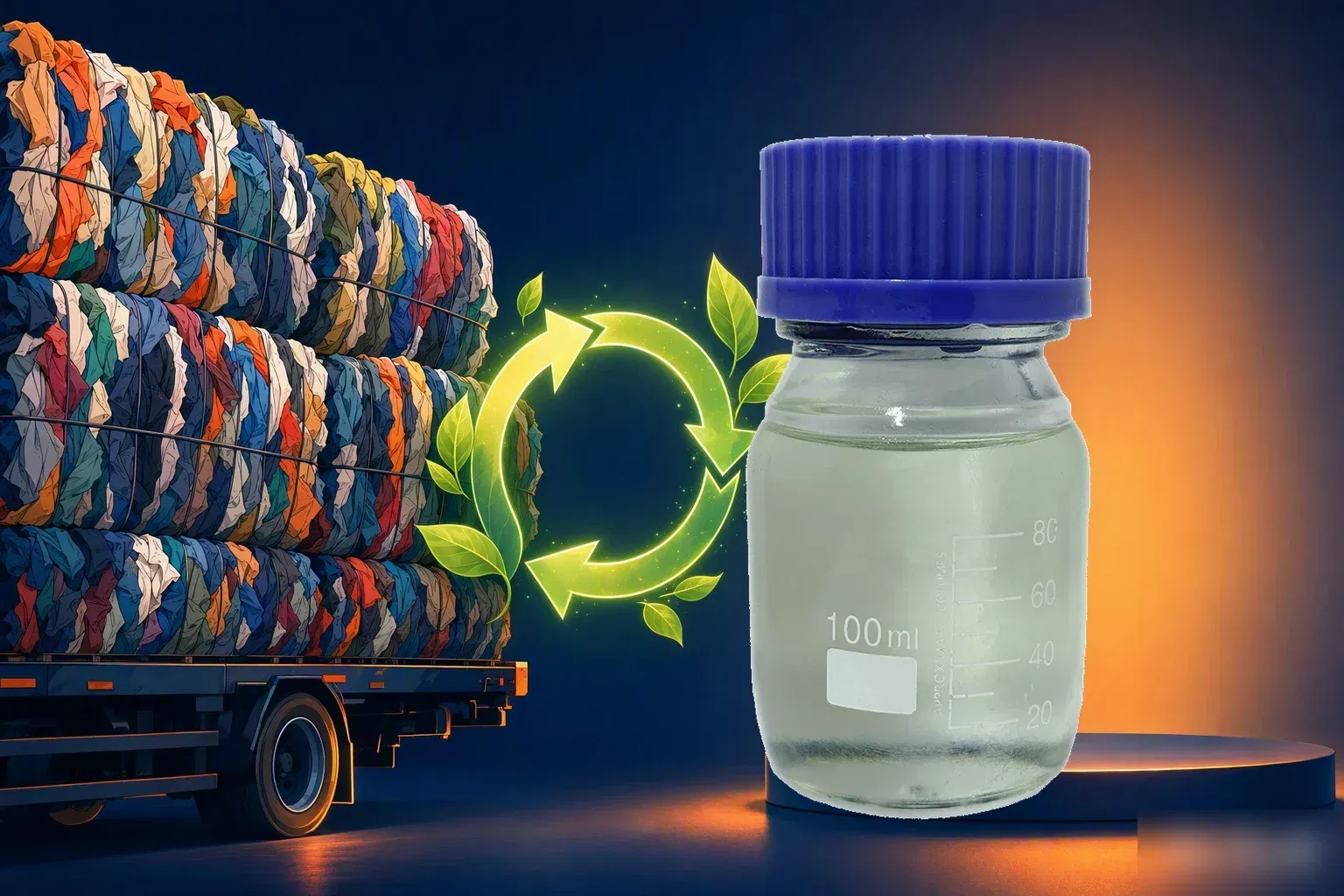
- EU Green Deal and Circular Economy Action Plan — The EU is pushing for increased recycled content in products and stricter chemical safety standards. DOTP's compatibility with recycled PVC and its production from recycled PET align with these goals.
- SVHC list expansion — ECHA regularly adds new substances to the SVHC Candidate List. As of 2026, the list contains over 230 entries. PVC manufacturers must review the updated list before each production cycle.
- Digital product passports — The EU's proposed Digital Product Passport (DPP) regulation will require detailed chemical composition data for products sold in the EU. REACH compliance documentation will form a core component of these passports.
References
- European Chemicals Agency (ECHA). "REACH Regulation." echa.europa.eu
- Regulation (EC) No 1907/2006 of the European Parliament and of the Council (REACH). EUR-Lex
- ECHA. "Candidate List of Substances of Very High Concern." echa.europa.eu
- ECHA. "Restrictions (Annex XVII)." echa.europa.eu
- U.S. Consumer Product Safety Commission. "Test Method: CPSC-CH-C1001-09.4." cpsc.gov
- European Committee for Standardization. "EN 71-3:2019+A2:2024 — Safety of Toys: Migration of Certain Elements."
- European Committee for Standardization. "EN 14582:2016 — Determination of Halogen and Sulfur Content."
Frequently Asked Questions
What makes a plasticizer REACH compliant?
A REACH compliant plasticizer must meet three criteria: (1) it is fully registered under EU Regulation (EC) No 1907/2006, (2) it is not listed on the REACH SVHC Candidate List, and (3) it is not subject to restriction under REACH Annex XVII or authorisation under Annex XIV. DOTP (dioctyl terephthalate, CAS 6422-86-2) meets all three criteria — it is a non-phthalate terephthalate ester that is fully registered, not an SVHC, and not restricted.
Is DOTP registered under REACH?
Yes. DOTP (dioctyl terephthalate, CAS 6422-86-2) is fully registered under EU Regulation (EC) No 1907/2006 (REACH). Shandong Changxing's DOTP has completed registration, enabling seamless import and distribution within the European Union without additional compliance procedures.
Why is DOTP not restricted under REACH like DEHP?
DOTP is a terephthalate ester, not an ortho-phthalate ester. In DOTP, the ester groups are in the para position on the benzene ring, whereas in DEHP/DOP they are in the ortho position. This structural difference means DOTP is chemically and legally outside the definition of phthalate under REACH, CPSIA, RoHS, and all other major regulatory frameworks. DOTP is not classified as an SVHC.
What SGS tests has DOTP passed for REACH compliance?
Shandong Changxing's DOTP has passed three critical SGS tests: (1) Phthalate 17-substance testing per CPSC-CH-C1001-09.4 — all 17 ortho-phthalates not detected, (2) EN 71-3 element migration testing per EN 71-3:2019+A2:2024 — all 19 heavy metals compliant, and (3) PFAS total fluorine screening per EN 14582:2016 — not detected. These results confirm zero phthalate content and compliance with EU safety requirements.
What documents are needed for REACH-compliant plasticizer imports?
Each shipment of REACH-compliant plasticizer should include: (1) a GHS-classified Safety Data Sheet (SDS) compliant with REACH Article 31, (2) a Certificate of Analysis (CoA) with actual test results for all specification parameters, (3) a Statement of Compliance confirming REACH, RoHS, and Proposition 65 compliance, and (4) a Certificate of Origin. EU importers may also request the supplier's REACH registration certificate.
Ready to Source REACH-Compliant Plasticizers?
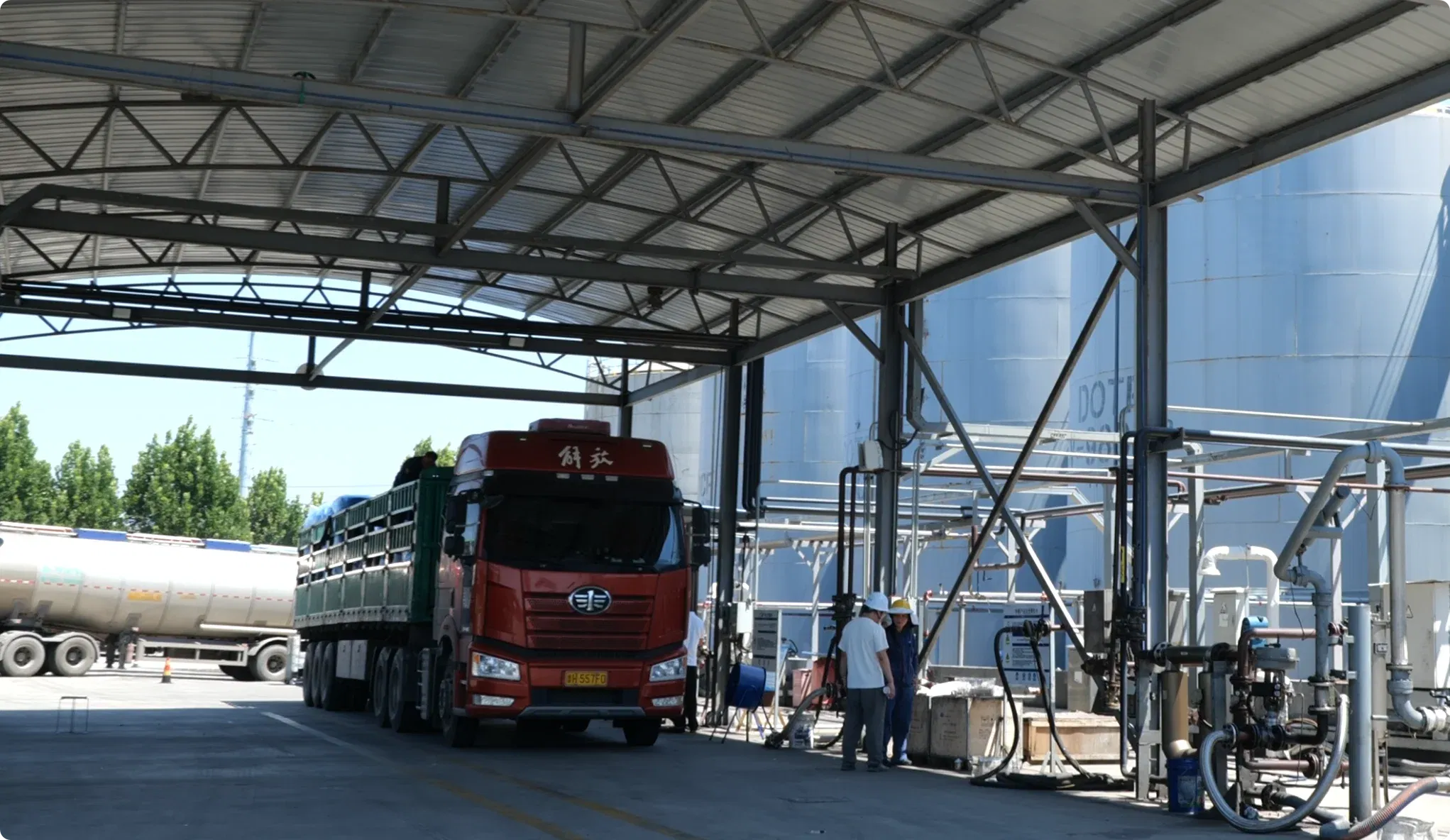
Shandong Changxing Plastic Additives Co., Ltd. is an ISO 9001/14001/45001/50001 certified manufacturer with 300,000 tons annual capacity. Our DOTP is fully REACH registered, SGS tested (phthalate 17-substance, EN 71-3, PFAS), and phthalate-free. We supply DOTP and 2-octanol to clients worldwide with complete compliance documentation.
Request a Free Quote