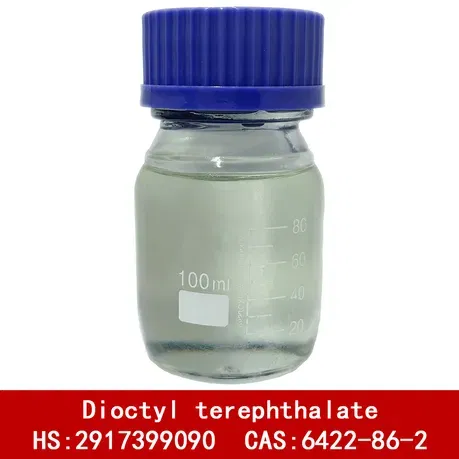

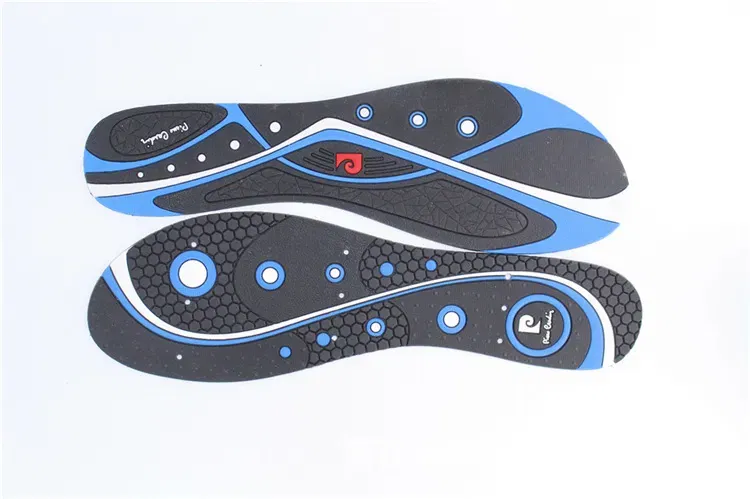
DOTP for PVC shoe soles means bis(2-ethylhexyl) terephthalate (CAS 6422-86-2), the terephthalate plasticizer used in phthalate-free footwear compounds. It matches DOP flexibility and abrasion resistance at 50–90 phr loading, with lower migration into sock linings, adhesives and packaging than DOP. Footwear makers use it in injection-moulded unit soles, calendered sheet for lamination, sandal straps, boots and fashion footwear. Switching to DOTP plasticizer removes ortho-phthalate exposure while meeting REACH Annex XVII, California Prop 65 and major brand RSLs, usually without a full reformulation.
Key Takeaways
- Shore A range 50–95: DOTP shoe sole compounds cover sandals and sneakers through boots and safety footwear.
- Phthalate-free by structure: as a terephthalate, DOTP clears REACH Annex XVII, California Prop 65, the AFIRM RSL and major brand restricted-substance lists.
- Low migration: footwear plasticizer selection favors DOTP for low migration, low odor and low fogging in finished shoes.
- Dosage 50–90 phr: typical DOTP loading in PVC footwear compounds, set by target hardness and end use.
- Supply specification: Shandong Changxing Plastic Additives Co., Ltd. supplies REACH-registered DOTP with consistent content (≥ 98%), controlled color (< 150 Hazen) and lot-to-lot stability for footwear producers worldwide.
Why Footwear PVC Needs Phthalate-Free Plasticizers
Global footwear production reached 22.4 billion pairs in 2023, according to the World Footwear Yearbook, and PVC remains a core material for affordable, durable and water-resistant shoes. The ortho-phthalates historically used in PVC shoe soles, namely DEHP (DOP), DBP and BBP, are now restricted in the major markets: ECHA lists them under REACH Annex XVII for articles used by the general public, California Prop 65 lists them as reproductive toxicants, and brand RSLs such as the AFIRM RSL enforce phthalate bans at the 1000 ppm threshold. Footwear made with restricted phthalates faces border detentions, customer returns and reputational damage.
DOTP removes this exposure because it is not an ortho-phthalate. Its terephthalate structure falls outside the scope of the major phthalate restrictions while it still delivers comparable plasticizing efficiency, so footwear makers can market their products as "phthalate-free" with third-party test verification. Our DOTP as a DEHP replacement guide explains the substitution in detail, and the DOTP vs DOA / DOZ cold-flexibility comparison covers low-temperature performance for winter footwear.
DOTP Performance in PVC Shoe Sole Compounds
A typical PVC shoe sole compound blends PVC resin, DOTP, a heat stabilizer, filler and lubricants. DOTP's plasticizing efficiency matches DOP at equivalent loading, so switching needs no full reformulation, yet it resists plasticizer migration into sock linings, adhesives and packaging better than DOP. The breakdown below shows how DOTP for shoe soles performs against DOP and a representative polymeric plasticizer in footwear service. For the complete physical and chemical dataset behind these figures, see our DOTP Technical Properties Guide.
Typical PVC Footwear Compound Formulation
- PVC resin: suspension or emulsion grade, K value 65–70 (100 phr by definition).
- DOTP footwear plasticizer: 50–90 phr, set by target Shore A hardness and end use.
- Heat stabilizer: calcium-zinc or barium-zinc at 2.5–3.5 phr; Ca-Zn is preferred for brand RSL compliance.
- Filler: calcium carbonate 10–30 phr for cost control and dimensional stability.
- Lubricants, pigments and blowing agent: plus azodicarbonamide where an expanded microcellular midsole is required.
DOTP vs DOP vs Polymeric Plasticizer: Footwear Performance Data
The comparison below uses a 70 phr loading in PVC at Shore A 70, the mid-range specification for injection-moulded unit soles and sneaker outsoles:
| Parameter (70 phr in PVC, Shore A 70) | DOTP | DOP (DEHP) | Polymeric |
|---|---|---|---|
| Tensile strength (MPa) | 12.5 | 12.8 | 11.0 |
| Elongation at break (%) | 340 | 350 | 300 |
| DIN abrasion loss (mm³) | 110 | 115 | 130 |
| Rossflex at −10°C | Pass | Pass | Marginal |
| Phthalate-free compliance | Yes | No | Yes |
Data source and method: typical values from Shandong Changxing laboratory trials on footwear-grade compounds, 70 phr plasticizer loading, Shore A 70. Tensile strength per ISO 527, DIN abrasion loss per ISO 4649, low-temperature flex per ASTM D1052 (Rossflex). Values are typical results, not specification limits.
Abrasion Resistance, Colour Stability and Processing
DOTP also resists sole yellowing, a decisive cosmetic failure for white and translucent outsoles. Its UV stability, paired with a non-phenolic stabilizer system, keeps light-colored footwear visually steady through retail display and consumer use. In injection-moulded unit soles, DOTP's lower melt viscosity supports shorter cycle times at 170–190°C, lifting productivity. For expanded PVC microcellular midsoles, DOTP stays compatible with chemical blowing agents such as azodicarbonamide, which helps produce a uniform cell structure.
Compliance and Brand Acceptance
Regulations, Brand RSLs and Supplier Declarations
Beyond the regulations, major footwear brands now ask tier-1 suppliers for fully disclosed plasticizer declarations. DOTP appears on the mainstream approved-substance lists used in footwear supply chains, including the AFIRM RSL, the ZDHC MRSL and OEKO-TEX Standard 100, so its pre-approved status shortens the material qualification cycle for OEMs sourcing PVC compounds externally. Shandong Changxing Plastic Additives supports footwear customers with third-party test reports from SGS and Intertek confirming DOTP content ≥ 98% and phthalate impurities below detection limits. See our phthalate-free plasticizer guide for the full documentation checklist.
Recycling, PPWR and Extended Producer Responsibility
Regional requirements keep evolving. The EU's Ecodesign for Sustainable Products Regulation (ESPR) and the EPR (Extended Producer Responsibility) schemes covering footwear in France, Germany and the Netherlands push brands toward plasticizers that do not complicate end-of-life recovery. Because DOTP is a single, fully traceable substance with no SVHC status under REACH, it avoids the downstream registration burdens that legacy phthalates trigger in recycled PVC streams. That makes DOTP-PVC soles easier to recover mechanically or blend back into lower-tier compounds without crossing the re-registration thresholds under REACH Article 7.
How to Switch a PVC Shoe Sole Line to DOTP
Most footwear compounders convert in five steps. The variables that decide success are DOTP dosage, stabilizer compatibility and the third-party test package required by the destination market.
- Audit the current plasticizer package. Record plasticizer type, phr loading, target Shore A hardness, stabilizer system and export markets for every footwear compound.
- Set the DOTP loading for the target hardness. Soft sandal straps (Shore A 55–65) run 80–95 phr; unit soles (Shore A 75–85) run 55–70 phr. Add 2–5 phr versus DOP for equal hardness.
- Run laboratory-scale trials. Check gelation, melt viscosity, Shore A hardness, tensile strength, elongation, DIN abrasion (ISO 4649) and Rossflex flex resistance at −10°C.
- Validate with third-party testing. Screen for phthalates (CPSC-CH-C1001-09.4), element migration (EN 71-3) and total fluorine (EN 14582). Retain the reports for brand audits.
- Scale up and lock supply. Convert one production line at a time and sign a supply agreement with an ISO 9001/14001/45001/50001 certified DOTP producer.
Frequently Asked Questions
Q1: Is DOTP suitable for children's PVC footwear?
Yes. DOTP is widely used in children's PVC sandals and rain boots because it meets EN 71-1/3 toy safety requirements and the CPSC limit of 0.1% per phthalate for children's products. Its low migration lowers direct skin-contact exposure.
Q2: What DOTP dosage do soft PVC sandal straps need?
Soft sandal straps (Shore A 55–65) usually run 80–95 phr DOTP, while harder unit soles (Shore A 75–85) sit around 55–70 phr. Pair either with a suitable Ca-Zn stabilizer at 2.5–3.5 phr.
Q3: Can DOTP be blended with bio-based plasticizers in footwear?
Yes. DOTP blends well with citrate-based or epoxy-based bio-plasticizers at 20–30% replacement, which lets footwear brands market partially bio-based soles while holding abrasion and ageing performance.
Q4: Does DOTP affect the recycling of PVC shoe soles?
No. DOTP's non-SVHC status under REACH means recycled PVC soles containing DOTP do not trigger Article 7 re-registration. Footwear OEMs can mechanically recycle DOTP-PVC trim and end-of-life soles into lower-tier compounds without a legal or technical barrier, supporting closed-loop production and EU EPR compliance.
Conclusion
For footwear producers working within phthalate restrictions, DOTP for shoe soles is a drop-in solution that keeps flexibility, abrasion resistance and processing efficiency while meeting every major global regulation. Shandong Changxing Plastic Additives Co., Ltd. supplies footwear-grade DOTP with consistent content, controlled color and complete documentation, helping compounders and shoe manufacturers worldwide ship compliant products on schedule.
Ready to Source Footwear-Grade DOTP?
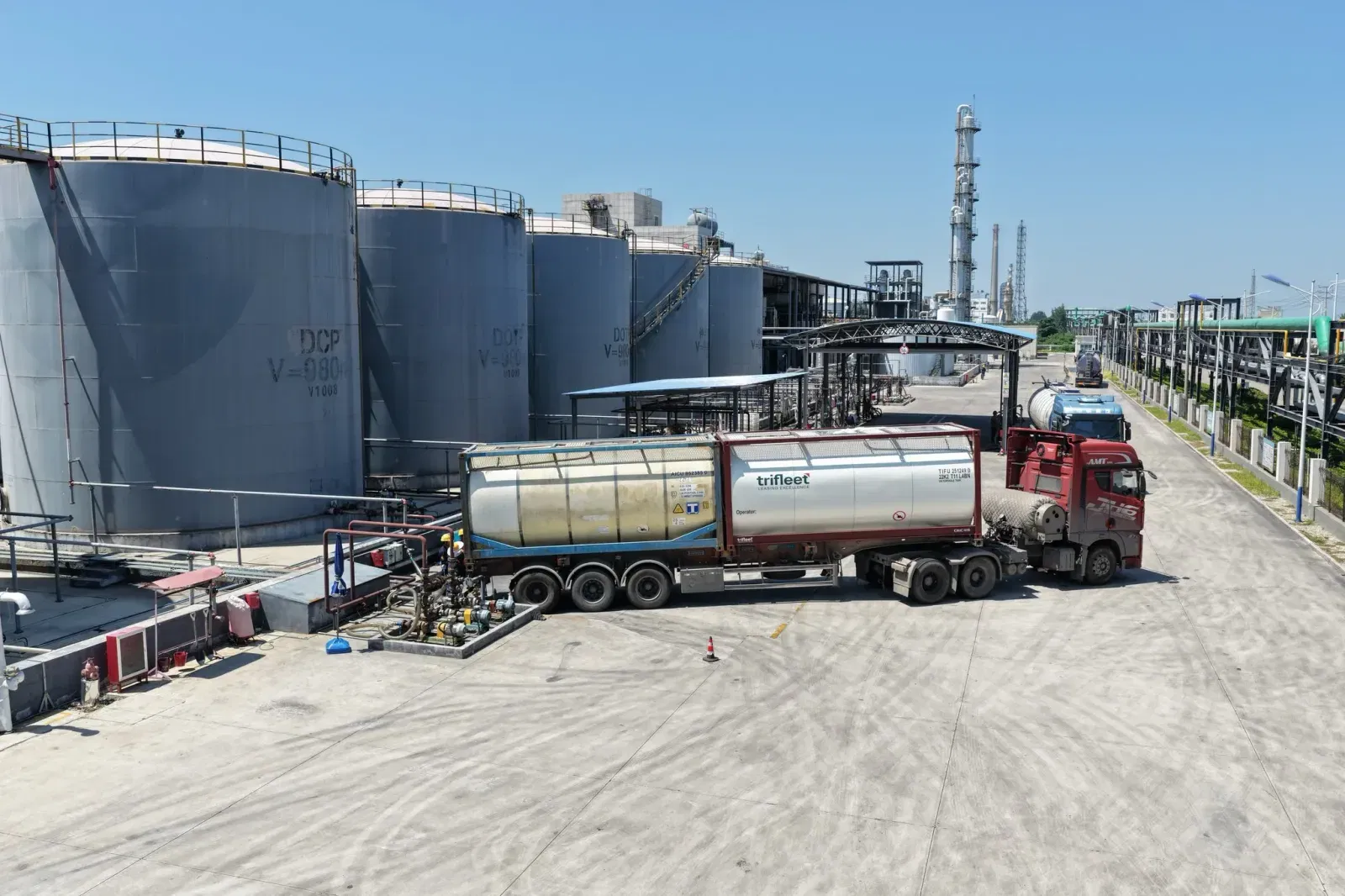
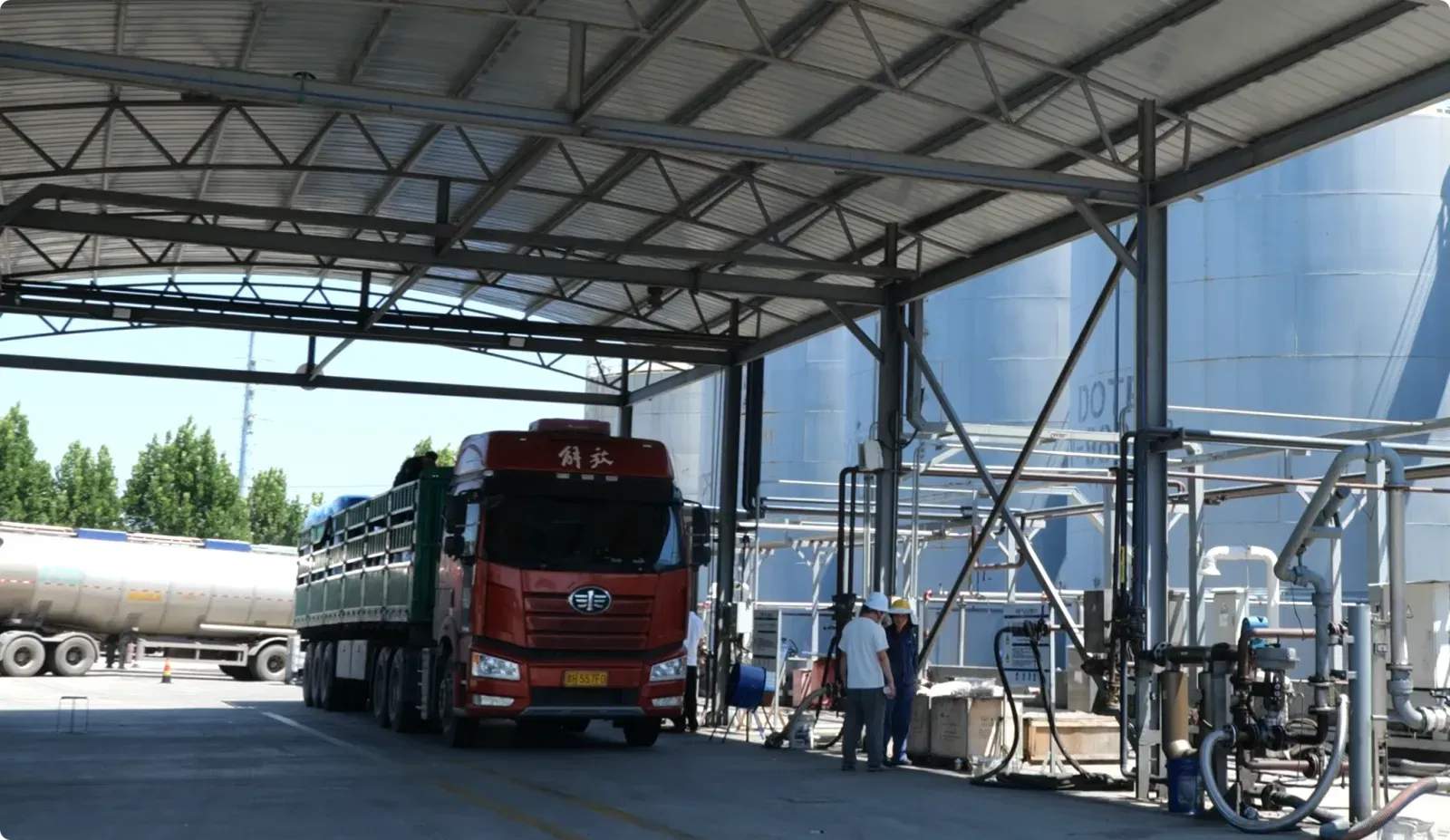
Shandong Changxing Plastic Additives Co., Ltd. is an ISO 9001/14001/45001/50001 certified manufacturer with 300,000 tons annual capacity. We supply DOTP, DCP, and 2-octanol to footwear compounders and shoe manufacturers worldwide, with SGS phthalate, EN 71-3 and PFAS test reports for every lot.
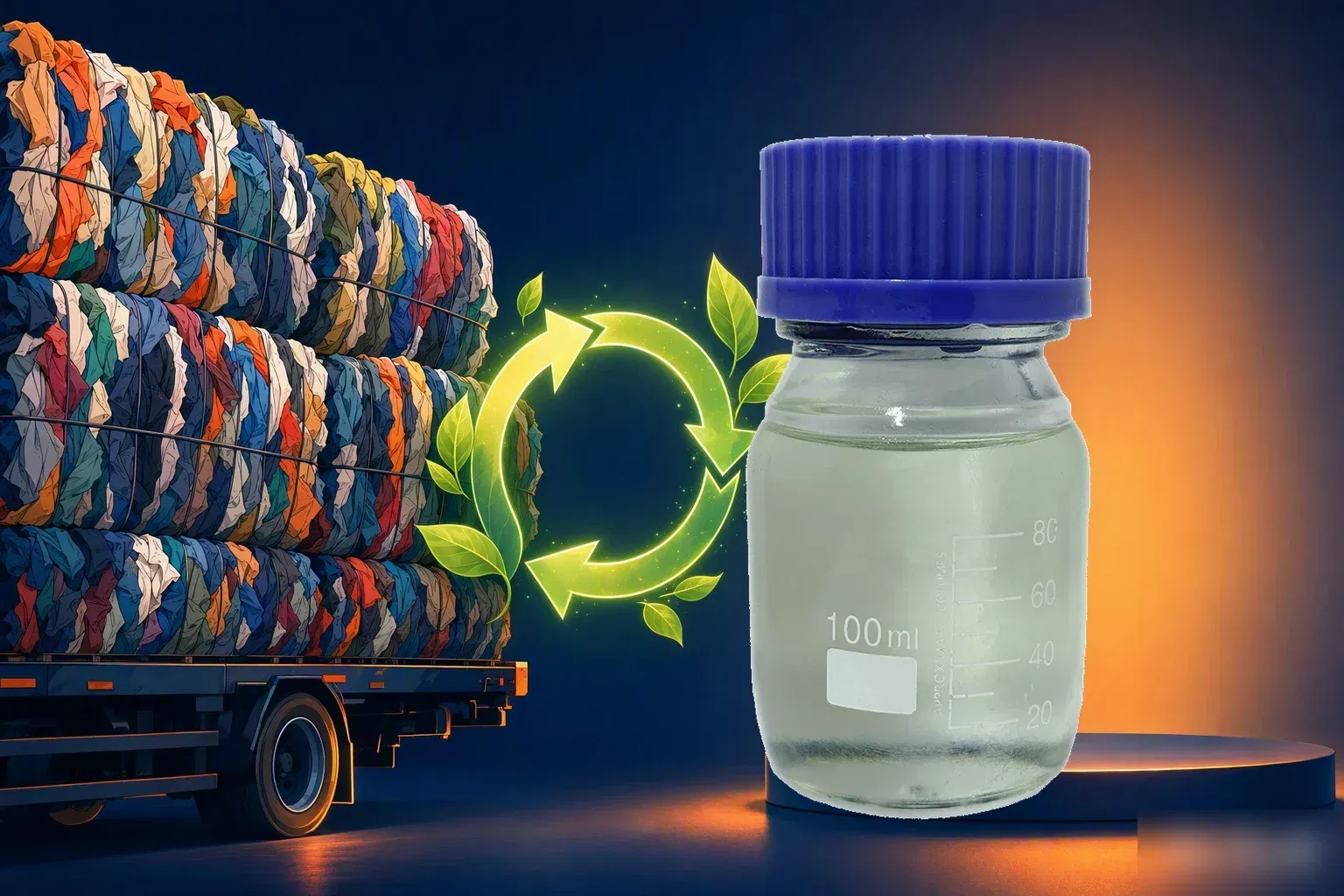
Request a Free Quote + Technical Data Sheet- ✓ DOTP from recycled PET: internationally advanced process
- ✓ SGS phthalate-free, EN 71-3, PFAS-free certified
- ✓ ISO 9001 / 14001 / 45001 / 50001 certified
- ✓ National "Little Giant" enterprise: trusted by global footwear brands
- ✓ 300,000 tons annual capacity: stable supply guaranteed