
Every industrial chemical shipment should arrive with a Material Safety Data Sheet (MSDS) - now standardized globally as the Safety Data Sheet (SDS). For procurement managers and compliance officers, the SDS is not just paperwork: it is the single authoritative document that determines whether a raw material can enter your factory, pass customer audits, and satisfy market regulations. This guide explains how to read a DOTP SDS, what the safety data really means, and why Shandong Changxing's DOTP stands out as the safer plasticizer alternative. For independent test results confirming DOTP's safety profile, see our SGS three-test verification report.
What Is a DOTP Safety Data Sheet?
Dioctyl terephthalate (DOTP, CAS 6422-86-2) is a high-performance non-phthalate plasticizer whose core application lies in polyvinyl chloride (PVC) products. The SDS - prepared according to the UN Globally Harmonized System (GHS, 8th revised edition) - contains 16 standardized sections covering identification, hazards, composition, first-aid measures, fire-fighting, accidental release, handling, exposure controls, physical properties, stability, toxicology, ecology, disposal, transport, and regulatory status.
Shandong Changxing's DOTP SDS (Version V2.0.0.1, Report No. THSD25121980034EN) was issued on December 23, 2025 and is available in English for immediate download. Below is a practical walkthrough of the sections that matter most to buyers.
Hazard Identification: GHS "Not Applicable"
Section 2 of the SDS addresses GHS hazard classification, label elements, hazard statements, and precautionary statements. For Shandong Changxing DOTP, every field reads "Not applicable":
- Hazard classification: Not applicable
- Hazard pictograms: Not applicable
- Signal word: Not applicable
- Hazard statements: Not applicable
- Precautionary statements (Prevention / Response / Storage / Disposal): Not applicable
What this means in practice: DOTP carries no GHS-mandated hazard labeling. It is not classified as flammable, toxic, corrosive, carcinogenic, or environmentally hazardous under the globally harmonized standard. For warehouse staff, this simplifies storage and handling training. For exporters, it eliminates the need for hazard-label translation and special packaging compliance in most jurisdictions.
Composition: >99.8% Purity
Section 3 confirms that Changxing DOTP is a single substance - not a mixture - with dioctyl terephthalate content exceeding 99.8%. The EC number is 229-176-9. Under Regulation (EC) No 1272/2008 (CLP), the substance is "Not classified," with no specific concentration limits or M-factors.
High purity matters because impurities are often the real source of regulatory problems. Low-grade plasticizers may contain residual phthalates, heavy metal catalysts, or unreacted alcohols that trigger REACH SVHC or RoHS violations. A >99.8% purity figure, backed by batch COA and SDS data, gives downstream manufacturers confidence that the plasticizer itself will not become a compliance liability.
Physical & Chemical Properties: Non-Flammable, High Flash Point
| Property | Value | Practical Meaning |
|---|---|---|
| Physical state | Oily liquid | Standard liquid plasticizer form; compatible with standard pumping and metering |
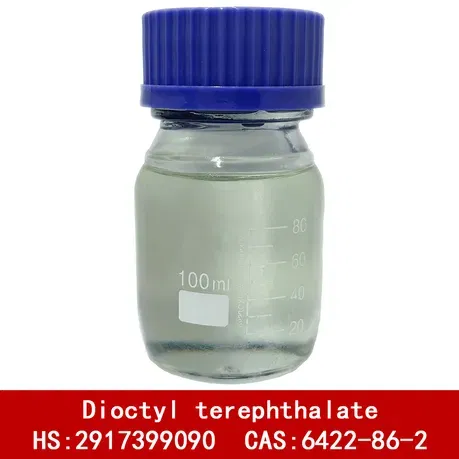
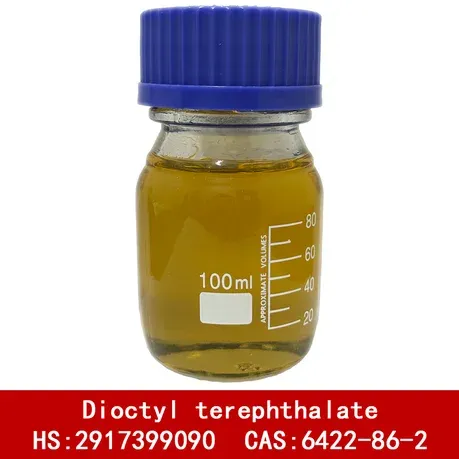
| Colour | Colorless and transparent | Visual indicator of purity; no discoloration in transparent PVC |
| Flash point (open cup) | ≥10°C | Well above normal processing temps; low fire risk during compounding |
| Flammability | Not flammable | No special fire-suppression systems required in storage |
| Relative density | 0.980 - .986 g/cm³ | Slightly lighter than water; useful for formulation calculations |
The flash point of ≥10°C is particularly significant. PVC compounding typically runs at 150–90°C. Because DOTP's flash point lies safely above this range, the risk of vapor ignition during processing is minimal. By contrast, some lower-grade plasticizers and solvents have flash points below 100°C, requiring nitrogen blanketing or explosion-proof equipment.
Toxicology: Low Acute Toxicity, No Carcinogenic Listing
Section 11 provides the toxicological profile. The key data points for DOTP are:
- Acute oral toxicity (LD₅₀): >5,000 mg/kg - classified as practically non-toxic
- Acute dermal toxicity (LD₅₀): >20 mL/kg - very low skin absorption risk
- IARC carcinogenicity: Not listed
- NTP carcinogenicity: Not listed
- Skin corrosion / irritation: Classification criteria not met
- Serious eye damage / irritation: Classification criteria not met
- Skin sensitization: Classification criteria not met
- Respiratory sensitization: Classification criteria not met
- Reproductive toxicity: Classification criteria not met
- Germ cell mutagenicity: Classification criteria not met
- STOT (single & repeated exposure): Classification criteria not met
- Aspiration hazard: Classification criteria not met
In plain language: DOTP does not meet the threshold for classification as a skin irritant, eye irritant, sensitizer, mutagen, reproductive toxicant, or specific target organ toxicant. It is not listed by IARC or NTP as a carcinogen. This profile is a major reason why DOTP is preferred over traditional phthalate plasticizers in toys, medical devices, and food-contact applications. For a complete list of phthalates that DOTP avoids, see our phthalate-free guide covering 17 restricted substances.
Transport: Not Regulated as Dangerous Goods
Section 14 confirms that DOTP is not regulated for transport of dangerous goods under:
- IMDG-CODE (International Maritime Dangerous Goods)
- ICAO/IATA-DGR (Air transport)
- UN-ADR (European road transport)
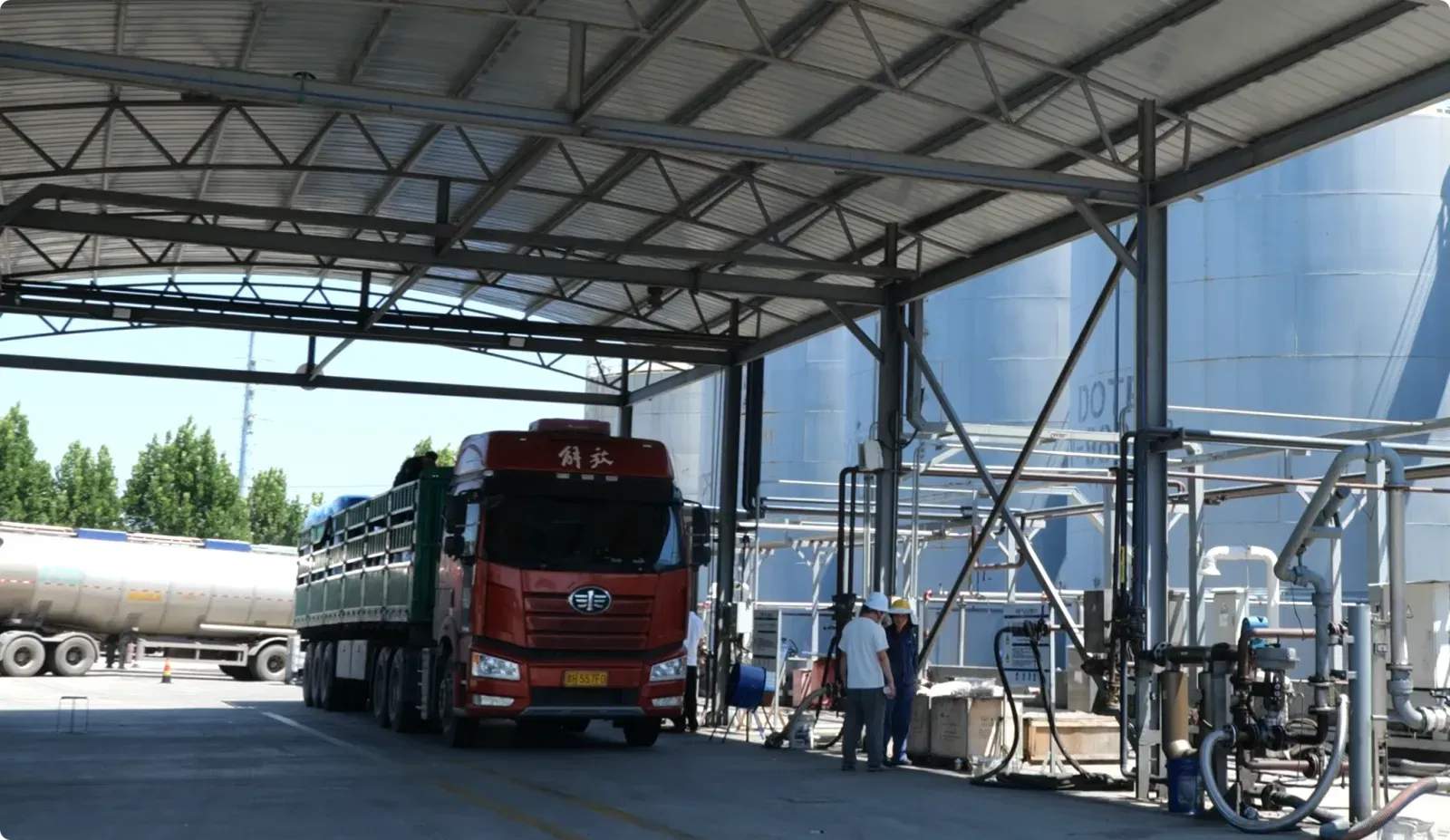
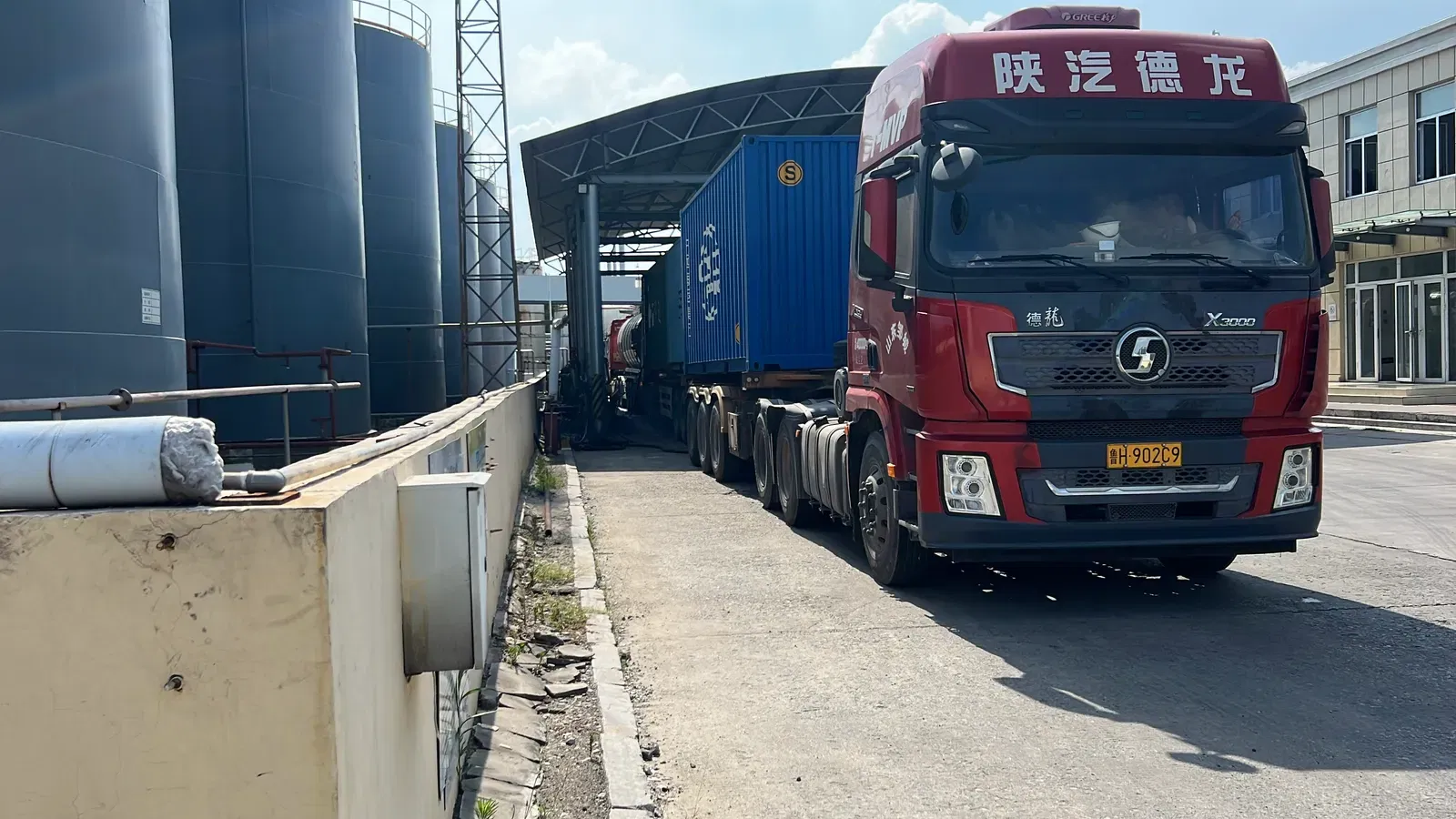
The transporting label is "Not applicable." For international buyers, this translates to lower freight costs, simpler customs documentation, and faster clearance compared to hazardous chemicals that require UN-number packaging, limited-quantity labels, and shipper declarations.
Regulatory Inventory: Recognized Worldwide
Section 15 lists international chemical inventory status. DOTP (CAS 6422-86-2) is included in all major inventories:
| Inventory | Region | Status |
|---|---|---|
| EINECS/EC | European Union | Listed |
| TSCA | United States | Listed |
| DSL | Canada | Listed |
| IECSC | China | Listed |
| NZIoC | New Zealand | Listed |
| PICCS | Philippines | Listed |
| KECI | South Korea | Listed |
| AIIC | Australia | Listed |
| ENCS | Japan | Listed |
Global inventory listing means DOTP can be imported, formulated, and sold in the EU, US, Canada, China, Southeast Asia, Australia, and Japan without new-substance notification hurdles. For exporters targeting multiple markets, this is a critical supply-chain simplification.
DOTP vs DOP: What the Safety Data Reveals
Many PVC manufacturers are transitioning from DOP (dioctyl phthalate) to DOTP. While both are general-purpose plasticizers, their safety profiles differ sharply:
| Safety Aspect | DOTP | DOP |
|---|---|---|
| GHS classification | Not applicable | Repr. 1B (H360FD) - may damage fertility / unborn child |
| IARC / NTP | Not listed | IARC Group 2B (possibly carcinogenic to humans) |
| EU REACH restriction | No restriction | Restricted in toys & childcare (Entry 51/52) |
| US CPSIA | Permitted | Permanent ban in children's toys (>0.1%) |
| Transport status | Non-dangerous goods | Non-dangerous goods |
The regulatory gap is the primary driver of substitution. DOP's classification as a reproductive toxicant and its restriction in children's products make it unusable for toy, food-contact, and medical applications in the EU and US. DOTP as a DOP substitute allows a single plasticizer to serve flooring, cable, film, toy, and healthcare markets simultaneously - reducing SKU complexity and raw-material inventory. For a detailed comparison of DOTP vs DOP physical and performance properties, see our DOTP vs DOP comparison guide.
Download the Complete DOTP SDS
The official Safety Data Sheet for Shandong Changxing DOTP (Version V2.0.0.1) is available for immediate download. Use it for customer audits, compliance filings, safety training, or tender documentation.
Download DOTP SDS (PDF)
References and External Resources
- OSHA - Globally Harmonized System (GHS)
- IARC Monographs - Carcinogenicity Evaluations
- UN GHS - 9th Revised Edition (2021)
Frequently Asked Questions
Is DOTP classified as a hazardous substance under GHS?
No. Shandong Changxing's DOTP SDS shows all GHS hazard classification fields as "Not applicable" - including hazard pictograms, signal words, hazard statements, and precautionary statements. DOTP is not classified as flammable, toxic, corrosive, carcinogenic, or environmentally hazardous under the UN Globally Harmonized System (8th revised edition).
What is the flash point of DOTP and is it flammable?
DOTP has a flash point (open cup) of ≥210°C and is classified as "Not flammable." PVC compounding typically operates at 150–190°C, so DOTP's flash point lies safely above processing temperatures. This eliminates the need for nitrogen blanketing or explosion-proof equipment during storage and compounding.
Is DOTP listed as a carcinogen by IARC or NTP?
No. DOTP is not listed by IARC (International Agency for Research on Cancer) or NTP (National Toxicology Program) as a carcinogen. This contrasts sharply with DOP, which is classified as IARC Group 2B (possibly carcinogenic to humans) and a reproductive toxicant (Repr. 1B, H360FD) under EU CLP.
Can DOTP be shipped as non-dangerous goods internationally?
Yes. Section 14 of the DOTP SDS confirms it is not regulated under IMDG-CODE (maritime), ICAO/IATA-DGR (air), or UN-ADR (European road transport). This means lower freight costs, simpler customs documentation, and faster clearance compared to hazardous chemicals requiring UN-number packaging and special declarations.
What purity does Shandong Changxing's DOTP achieve?
Shandong Changxing's DOTP achieves >99.8% dioctyl terephthalate content as a single substance (not a mixture), confirmed by SDS Section 3. High purity is critical because impurities - residual phthalates, heavy metal catalysts, or unreacted alcohols - are often the real source of REACH SVHC or RoHS violations in downstream products.
Need the Original SDS or Have Compliance Questions?
Shandong Changxing Plastic Additives Co., Ltd. is an ISO 9001/14001/45001/50001 certified manufacturer with 300,000 tons annual capacity. Original SDS, COA, REACH, RoHS, and SGS reports are available to qualified buyers in English and Chinese.
Request DOTP SDS- ✓SDS Version: V2.0.0.1 (UN GHS 8th revised edition)
- ✓Report No.: THSD25121980034EN
- ✓Creation Date: December 23, 2025
- ✓Languages: English and Chinese available