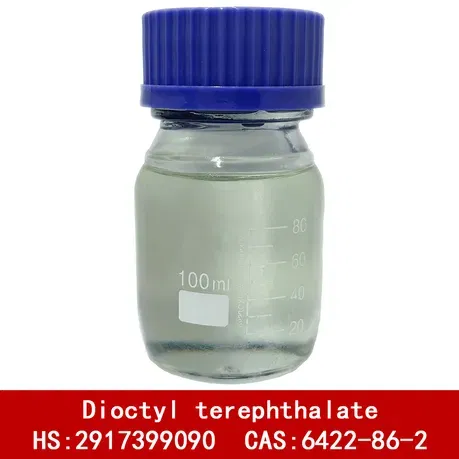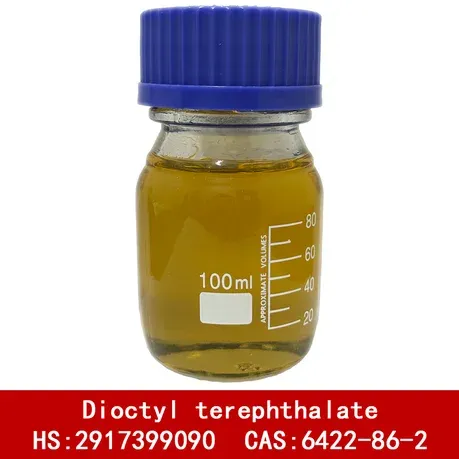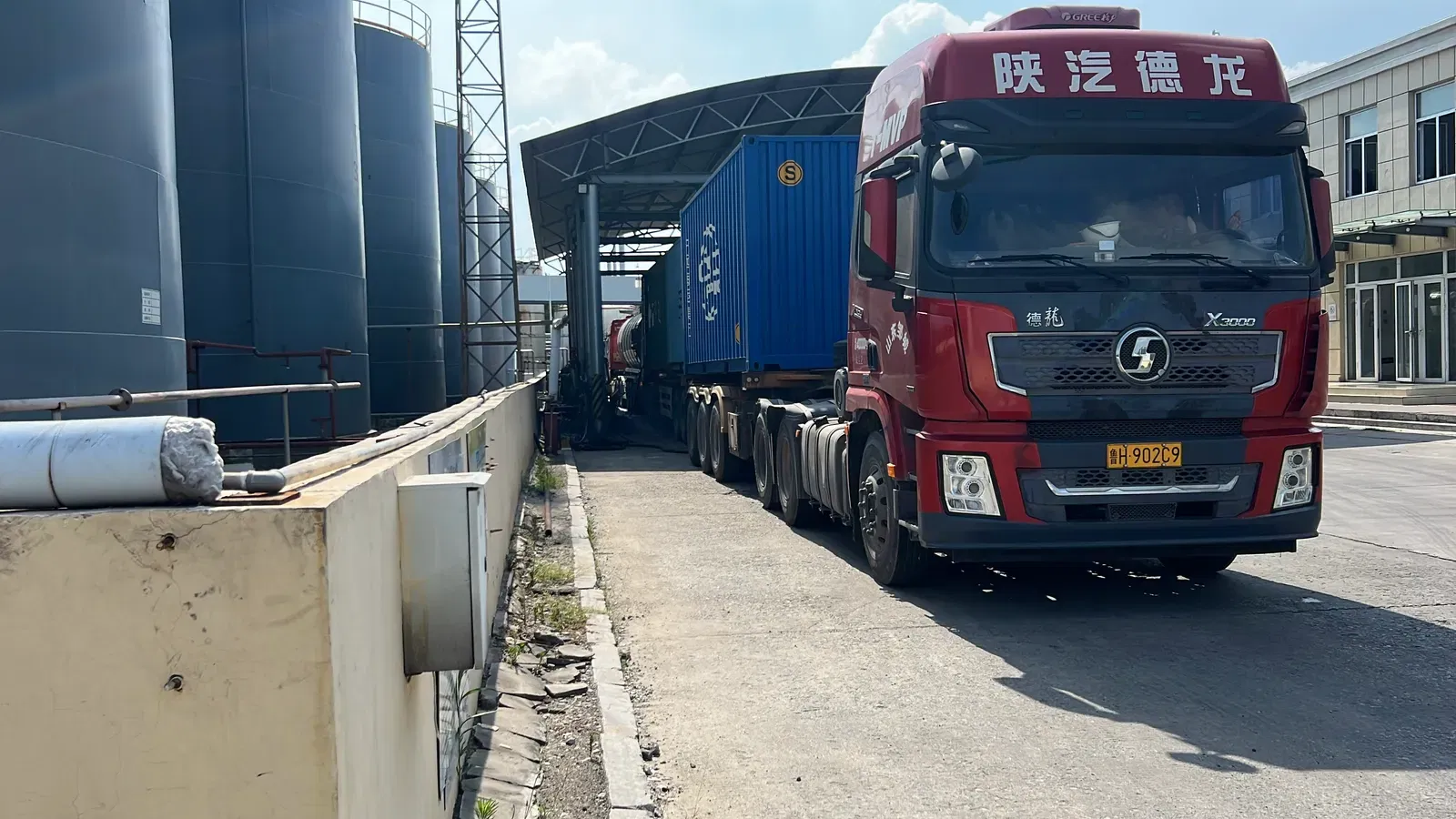

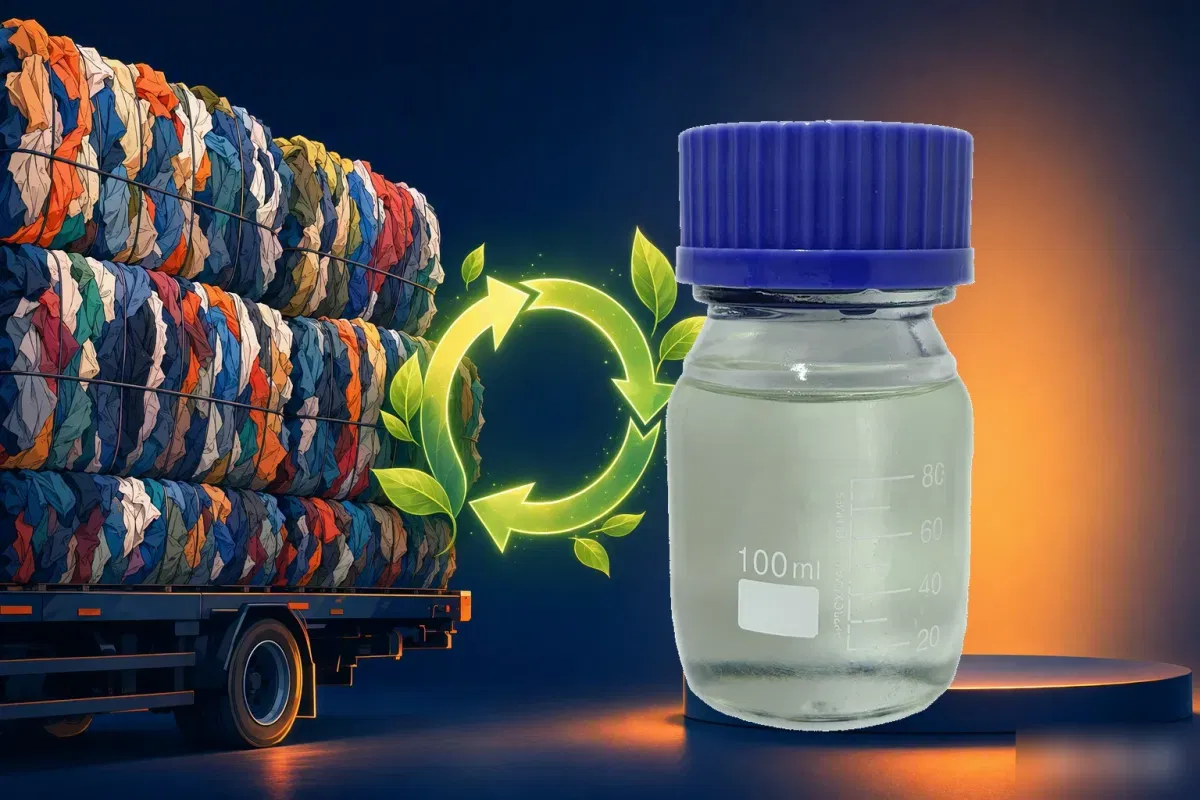
Every second of every day, the equivalent of one garbage truck full of textiles is landfilled or burned [1]. A large share of that stream is polyester: fabric offcuts, used garments, banners, and rope scraps. At Shandong Changxing Plastic Additives, we give this waste a second life. Our polyester recycling DOTP process converts discarded polyester fabric into high-purity, eco-friendly DOTP (dioctyl terephthalate), a non-phthalate plasticizer used in cables, flooring, synthetic leather, and medical-grade PVC.
Textile chemical recycling is a catalytic process that depolymerizes waste polyester into its monomers and re-esterifies them with octanol to rebuild high-purity DOTP (dioctyl terephthalate). Unlike mechanical recycling, which can only downcycle, the chemical route yields a plasticizer molecule-for-molecule identical to virgin grade, and it handles dyed, blended, and coated fabrics that mechanical recycling cannot process.
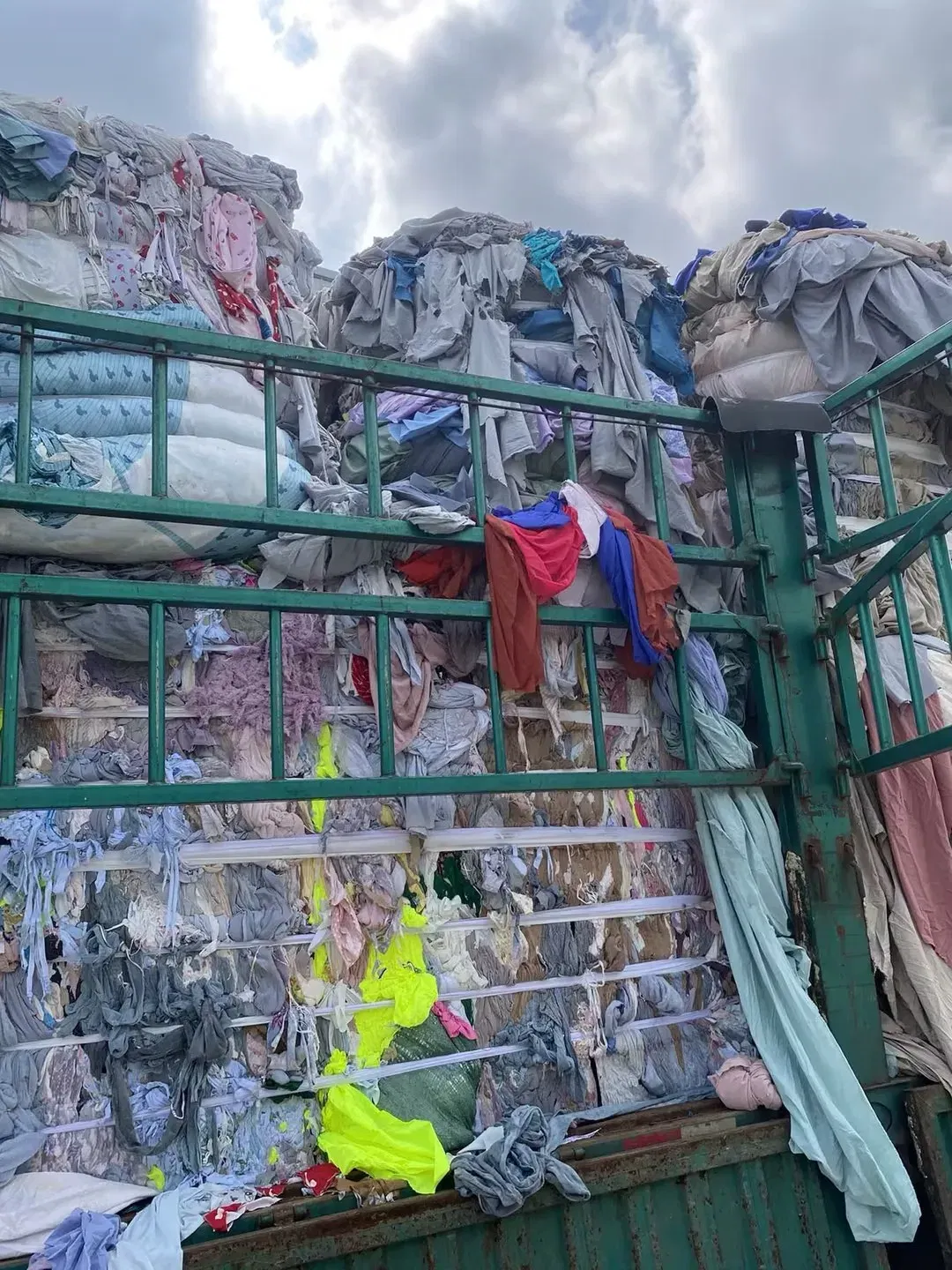
The Polyester Waste Mountain: Why Textiles Need a Better End
The numbers are staggering. Global fiber production reached roughly 132 million tons in 2024, and polyester alone accounted for about 78 million tons, nearly 59% of all fiber produced, the vast majority of it still fossil-based [2]. Yet because polyester does not biodegrade, most of what is discarded ends up landfilled or incinerated. The Ellen MacArthur Foundation has put it starkly: the world loses an estimated USD 500 billion of clothing value every year because garments are barely worn and rarely recycled [1].
The problem is global. In the EU, used and waste textiles total about 6.95 million tons a year (roughly 16 kg per person), and only about 12% is captured through separate collection [3]. In China, the world's largest textile producer, more than 20 million tons of waste textiles are generated annually, with an overall recycling rate still below 30% [4]. Unlike PET bottles, which have established collection streams, polyester textile waste is fragmented: factory offcuts, rejected garment lots, wedding banners, ropes, and mixed-color scraps.
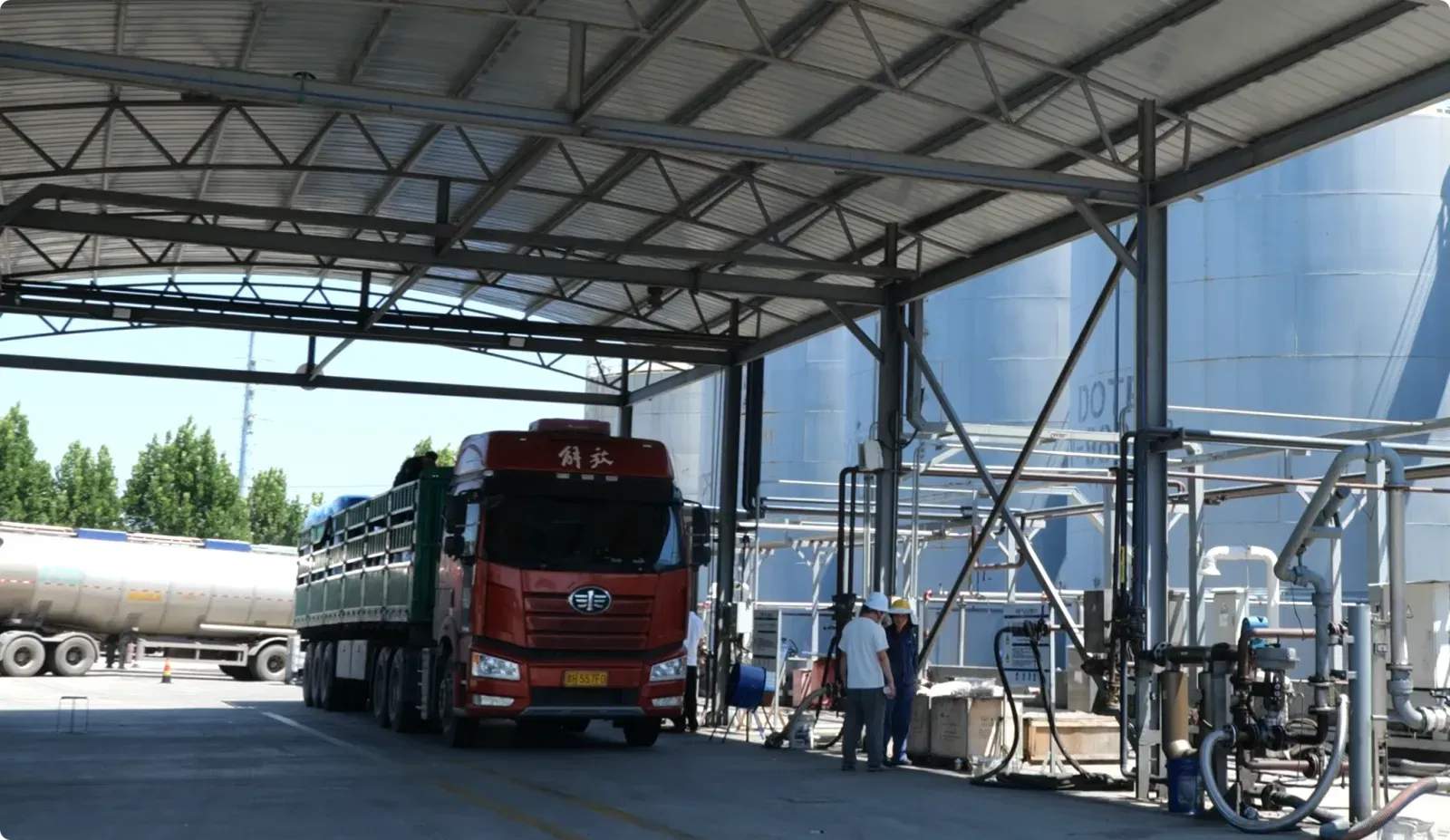
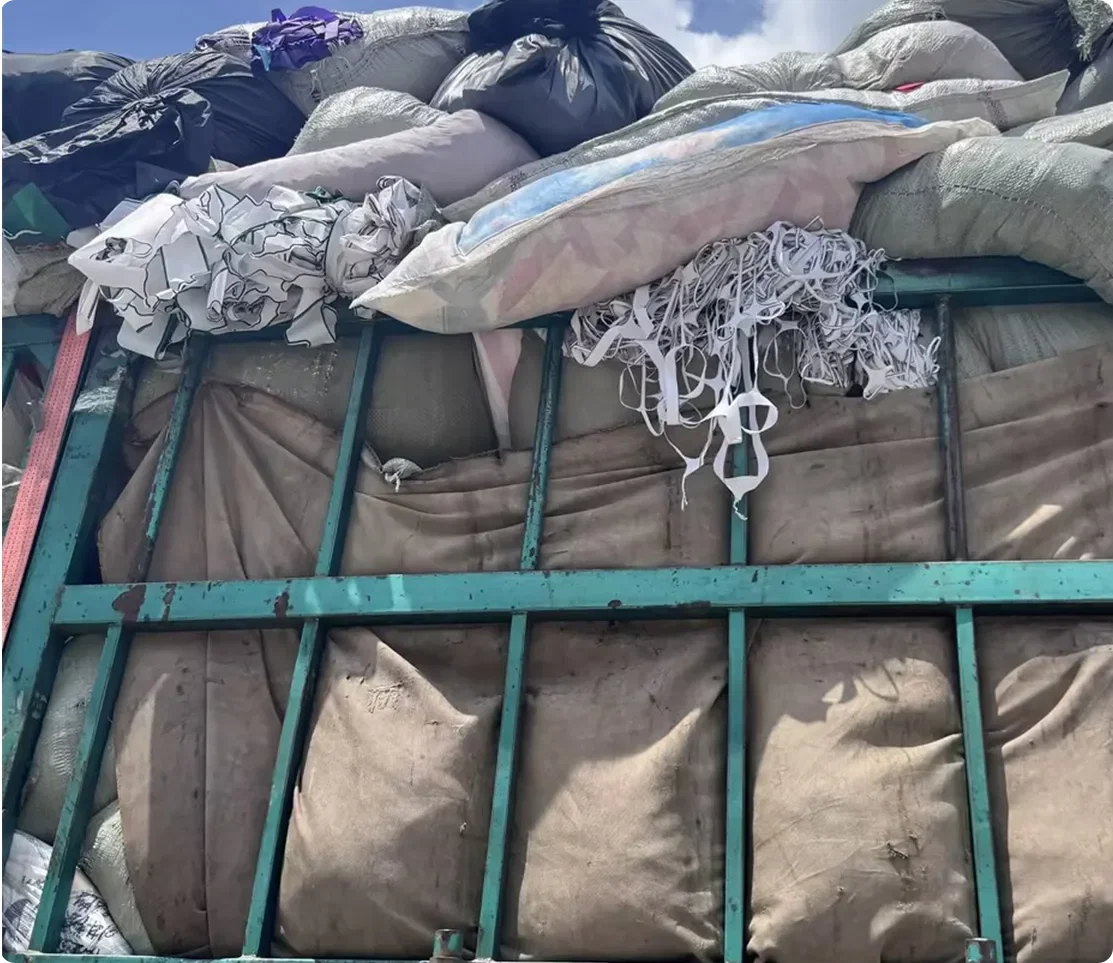
That fragmentation is exactly why we built a dedicated collection and recycling network. The photos in this article are from our own collection sites: bales of sorted used clothing, heaps of dyed fabric offcuts, and trucks loaded with bagged polyester scraps arriving at our facility every week. This is not a theoretical feedstock. It is a real, continuous waste stream that our polyester recycling DOTP line was engineered to absorb.
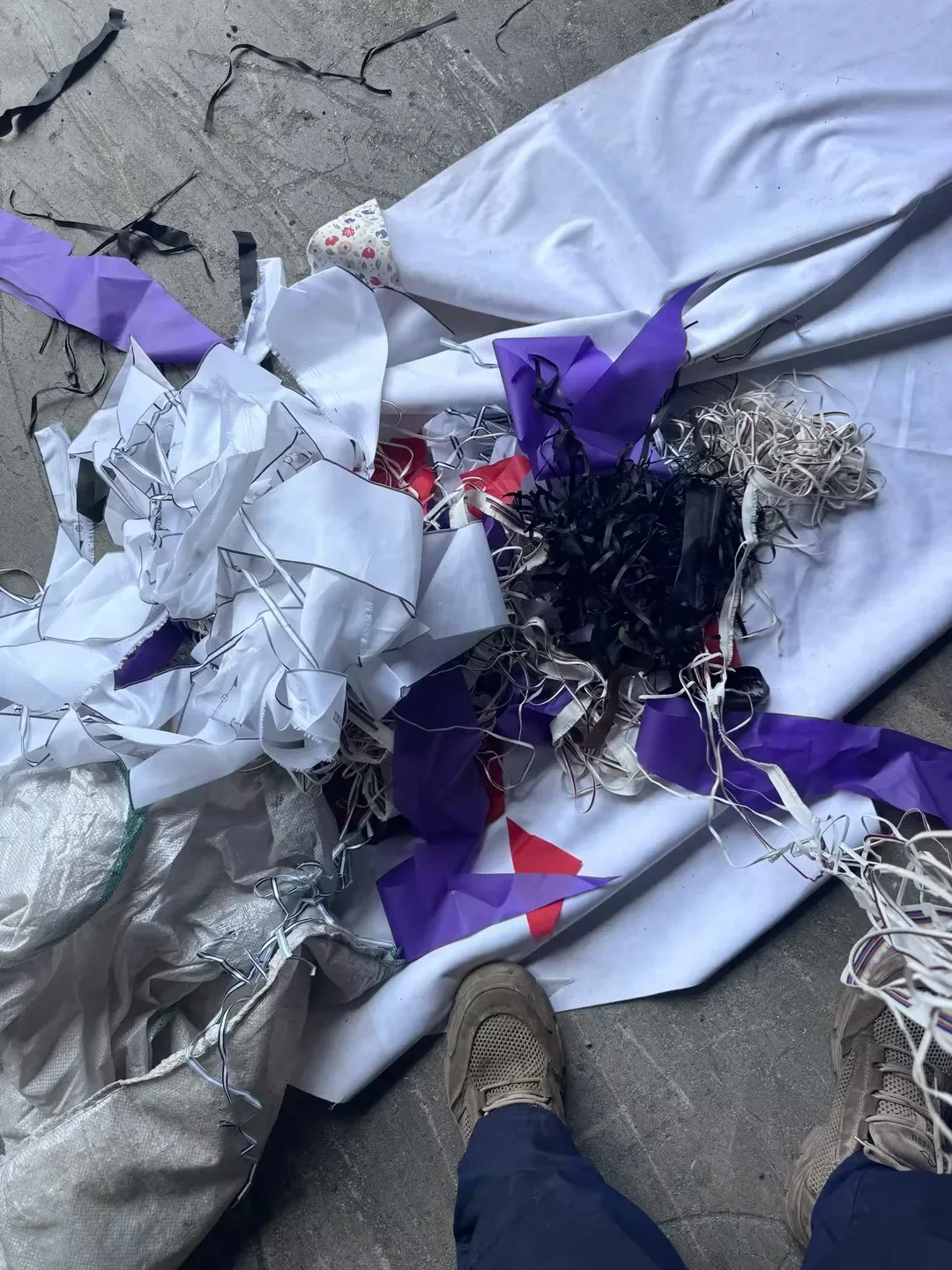
Why Mechanical Recycling Falls Short for Polyester Fabric
Mechanical recycling (shredding and re-melting) works reasonably well for clear bottles, but it struggles with textiles. Every cycle of melting degrades the polymer chain, so mechanically recycled polyester is typically downcycled into lower-value fiber or filling material, and only for a limited number of cycles.
The industry data makes the gap visible. Recycled polyester now represents about 12% of total polyester output, but nearly all of it comes from PET bottles. The bottle-based route alone supplies roughly 6.9% of all polyester, while recycled fiber sourced from pre- and post-consumer textiles accounts for well under 1% [2]. In other words, the textile-to-textile loop is almost entirely unexploited. That is the gap chemical recycling is built to close.
Dyes, Finishes, and Blends Complicate Everything
Textile polyester carries disperse dyes, water-repellent finishes, coatings, and often blends with cotton or elastane. In a melt process these impurities remain in the polymer, darkening the color and weakening the fiber. That is why mixed, brightly dyed scraps (like the purple, red, and black offcuts shown above) have historically had almost no recycling destination at all.
Chemical recycling changes the equation. Instead of preserving the polymer, it deliberately breaks it down and rebuilds a new, pure molecule: DOTP. Impurities are separated at the molecular level rather than carried along.
Chemical Recycling: How Waste Polyester Becomes DOTP
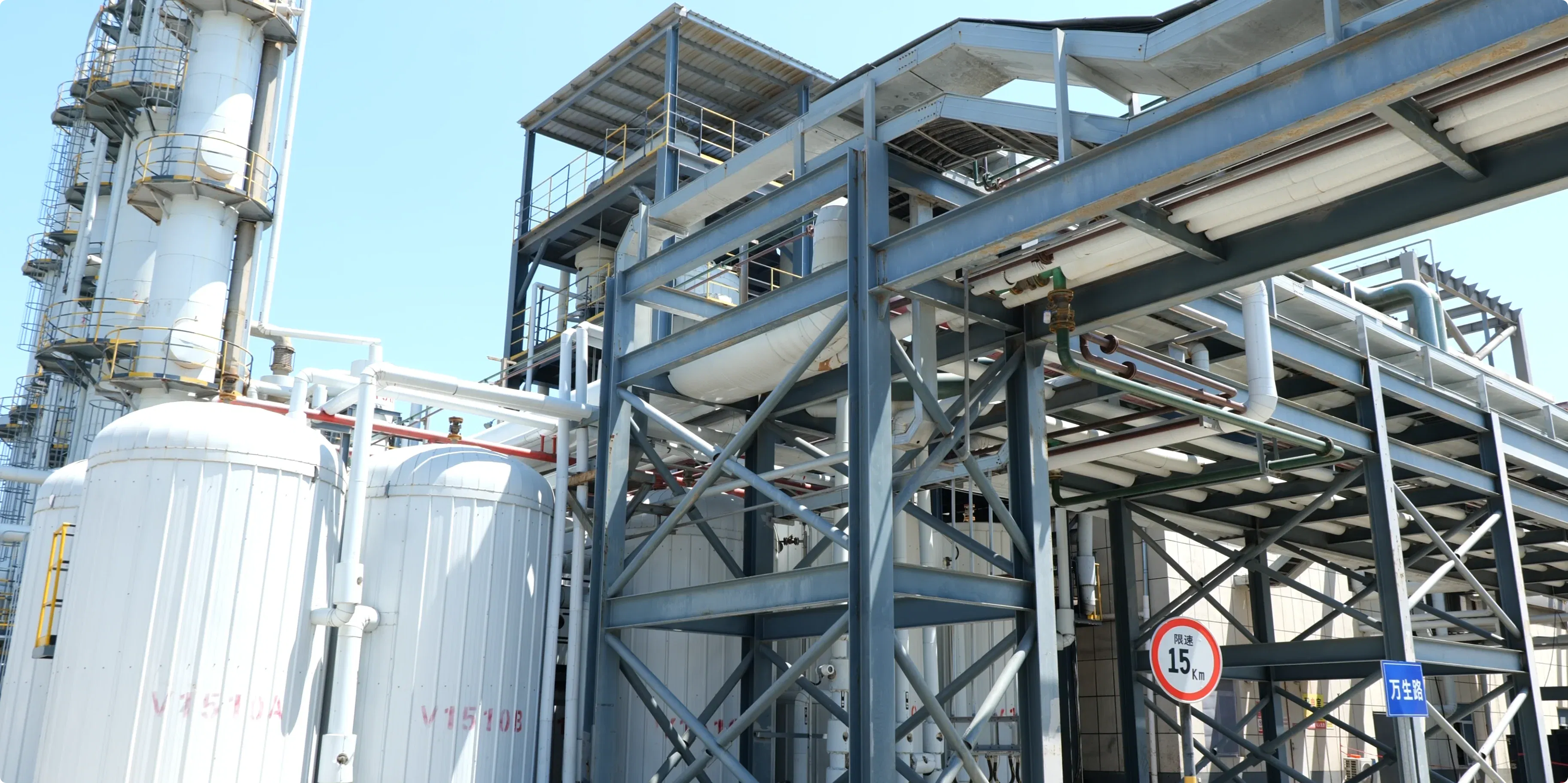
Our route is a catalytic alcoholysis–transesterification process, distinct from conventional PTA esterification. In simple terms, the polyester chain is depolymerized and then re-esterified with octanol to form dioctyl terephthalate. The main stages:
- Sorting & pre-treatment: incoming bales are inspected, sorted by polyester content, and freed of non-polyester hardware (zippers, buttons, hooks). Dyes and finishing agents are addressed in pre-treatment and purification stages.
- Depolymerization (alcoholysis): under controlled temperature and pressure with proprietary catalysts, the long PET chains are cleaved into monomers and oligomers.
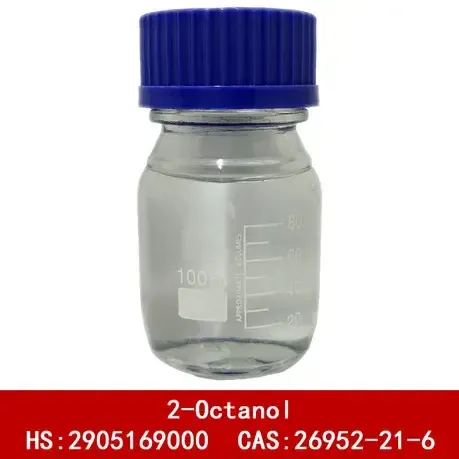
- Transesterification with octanol: the intermediates react with 2-octanol / octanol to build the DOTP ester structure.
- Purification & finishing: multi-stage refining delivers a colorless, high-purity eco-friendly DOTP that matches virgin-grade specifications.
- Byproduct recovery: co-produced ethylene glycol is refined and returned to industry use instead of being discarded.
The environmental case is backed by independent research. A 2026 process assessment published in Industrial & Engineering Chemistry Research, combining kinetics, process simulation, life-cycle assessment, and techno-economic analysis of PET chemical recycling into plasticizer, found that a catalytic route can cut the carbon footprint of processing to roughly 0.50 t CO₂-eq per ton of PET, about 40% lower than a non-catalytic baseline, while remaining economically viable [5]. That is the class of chemistry our plant is built on.
The result is a true molecule-for-molecule replacement for petrochemical DOTP. Readers interested in the broader chemistry can compare our earlier deep dive on closing the loop with recycled PET.
Green by Design: Environmental Benefits of Recycled-Polyester DOTP
Choosing eco-friendly DOTP made from waste polyester delivers measurable sustainability gains across the product lifecycle:
Lower Carbon Footprint
Reusing the terephthalate already locked in textiles displaces virgin petroleum feedstock. Peer-reviewed process modeling shows catalytic PET-to-plasticizer recycling can cut processing emissions by roughly 40% versus a non-catalytic baseline [5].
Waste Diversion at Scale
Our 150,000-ton recycled-feedstock facility diverts tens of thousands of tons of polyester textiles from landfill and incineration every year, a direct answer to the 20M+ tons China discards annually [4].
Byproduct Valorization
Co-produced ethylene glycol is refined to high purity and reused by downstream industry. Nothing in the loop is designed to be wasted.
Non-Phthalate Safety
DOTP is a non-phthalate plasticizer suitable for sensitive applications, from toys and household gloves to wire & cable and food-contact-related formulations.
The Policy Push: Regulation Is Turning Recycling Into a Requirement
Recycled-feedstock plasticizers are moving from a nice-to-have to a compliance asset. In the EU, the Waste Framework Directive requires member states to run separate collection of used textiles from 2025, and the European Commission has proposed harmonized Extended Producer Responsibility (EPR) rules for textiles, with mandatory schemes already operating in France, Hungary, and the Netherlands [3]. The EU's Strategy for Sustainable and Circular Textiles sets a 2030 vision in which textile products are designed for durability and recyclability.
China is moving in the same direction, with national targets to lift waste-textile recycling to 25% by 2025 and 30% by 2030 [4]. For PVC compounders and brand owners, this means recycled, traceable, non-phthalate plasticizers like our textile-derived DOTP are increasingly relevant to meeting downstream sustainability and reporting commitments.
Same Molecule, Same Performance
A common concern among procurement managers is whether recycled-feedstock DOTP performs identically. The answer lies in the chemistry: chemical recycling produces the same dioctyl terephthalate molecule, so properties are defined by the molecule, not by the feedstock's history. Batch testing confirms equivalent purity, color (Pt-Co), acid value, and plasticizing efficiency.
Quality is enforced by our ISO 9001-certified management system, and our environmental practice by ISO 14001. The technology behind our recycled DOTP has been recognized as internationally advanced, and the product group holds Shandong Province Single-Champion Product status. Backed by the Shandong Provincial Enterprise Technology Center and an Academician Workstation, our team has completed more than 60 R&D projects and holds 31 granted patents, expertise that stands behind every truckload of scrap cloth we convert.
"Knowing that the plasticizer in our PVC compounds started life as recovered textile waste strengthens our own sustainability story, without giving up an ounce of performance."
For the full technical picture, see our guide to the DOTP manufacturing process, or explore the premium DOTP plasticizer product page for specifications and packaging options.
Frequently Asked Questions
Can dyed polyester fabric really be recycled into DOTP?
Yes. Dyes, coatings, and finishing agents are removed during sorting and pre-treatment before depolymerization. Because chemical recycling breaks polyester down to its molecular building blocks and rebuilds them as dioctyl terephthalate, the finished DOTP is molecule-for-molecule identical to virgin-grade product: colorless, with equivalent purity, acid value, and plasticizing performance.
How is textile recycling different from recycling PET bottles?
Bottles are relatively clean and uniform, while polyester textiles carry dyes, buttons, zippers, coatings, and fiber blends that make mechanical recycling difficult and limit it to downcycling. Industry data shows recycled polyester from bottles supplies roughly 6.9% of total polyester output, while recycled fiber from textiles is well under 1% [2]. Chemical recycling (alcoholysis and transesterification) tolerates this complexity: the polymer chain is depolymerized and re-esterified with octanol, so mixed, dyed fabric scraps that cannot be re-spun can still become high-purity DOTP.
Is DOTP made from waste polyester truly eco-friendly?
Yes. It diverts textile waste from landfill and incineration, displaces virgin petroleum-derived feedstock, and lowers lifecycle carbon emissions. Peer-reviewed modeling puts the catalytic route at roughly 0.50 t CO₂-eq per ton of PET processed [5]. DOTP is a non-phthalate plasticizer with a strong safety profile, and the co-produced ethylene glycol is refined and reused rather than discarded, making this a genuinely circular process.
What supply capacity can you guarantee?
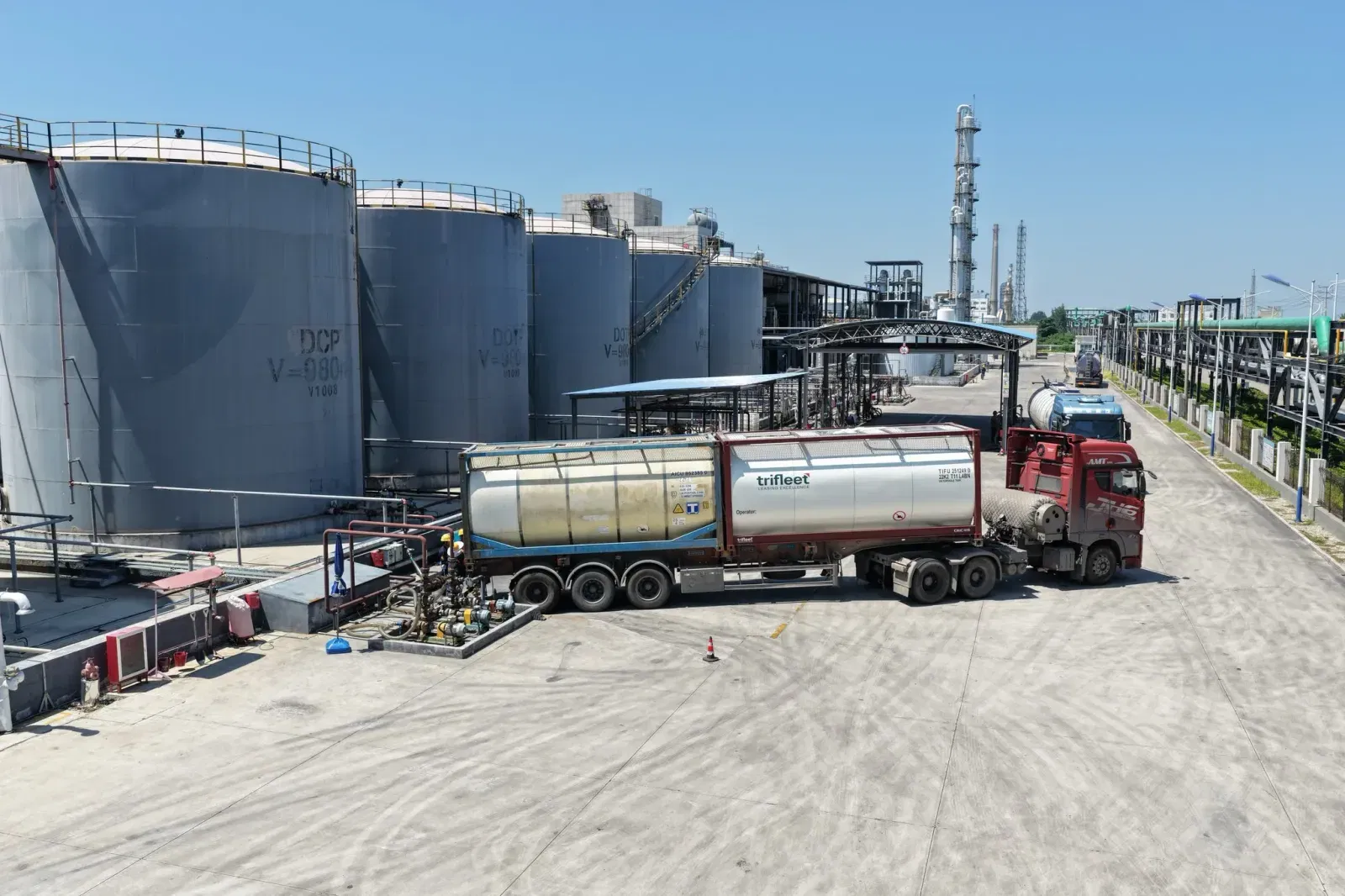
Our group has a total annual capacity of 300,000 tons of DOTP, including a 150,000-ton recycled-feedstock facility. This scale supports stable long-term contracts for distributors and manufacturers worldwide, with consistent batch-to-batch quality under our ISO 9001-certified quality system.
Does recycled-polyester DOTP meet international regulations?
Yes. The product is REACH-compliant and suitable for applications requiring non-phthalate plasticizers, having passed migration, extraction, and toxicity testing. Our quality management is ISO 9001 certified, and our environmental management is ISO 14001 certified.
References & Data Sources
- [1] Ellen MacArthur Foundation, A New Textiles Economy: Redesigning Fashion's Future (2017): one truckload of textiles landfilled or burned every second; ~USD 500 billion of value lost annually.
- [2] Textile Exchange, Materials Market Report 2025: global fiber output ~132 Mt (2024); polyester ~78 Mt (~59% share, ~88% fossil-based); recycled polyester ~12%, bottle-based ~6.9% and textile-derived under 1% of total.
- [3] European Environment Agency, Management of Used and Waste Textiles in Europe's Circular Economy: EU textile waste ~6.95 Mt/yr (~16 kg per person), ~12% separately collected; WFD separate-collection mandate from 2025 and EPR status.
- [4] Xinhua / Economic Information Daily (2025), "回收率不足三成 我国废旧纺织品'焕新'卡在哪儿": China generates 20M+ tons of waste textiles annually, recycling rate below 30%, national targets of 25% (2025) and 30% (2030).
- [5] Industrial & Engineering Chemistry Research (2026), integrated kinetics–process simulation–LCA–techno-economic assessment of PET chemical recycling to plasticizer: catalytic route ~0.50 t CO₂-eq/t PET vs ~0.85 non-catalytic; minimum selling price ~USD 1.05/kg DOTP.
Figures are as published by the cited sources and are used here for context. They describe global or regional industry conditions and are not measurements of this facility's own performance, which is documented separately under our ISO 9001 quality system.
Ready to Source Premium Plasticizers?
Shandong Changxing Plastic Additives Co., Ltd. is an ISO 9001 certified manufacturer with 300,000 tons annual capacity. We supply DOTP, DCP, and 2-octanol to clients worldwide, including eco-friendly DOTP made from recycled polyester textiles.
Request a Free Quote- ✓Shandong Province Single-Champion Product (recycled DOTP)
- ✓Internationally advanced textile-to-DOTP recycling technology
- ✓ISO 9001 / ISO 14001 certified management systems
- ✓Group annual capacity: 300,000 tons (recycled facility: 150,000 tons)
- ✓Global delivery and formulation technical support