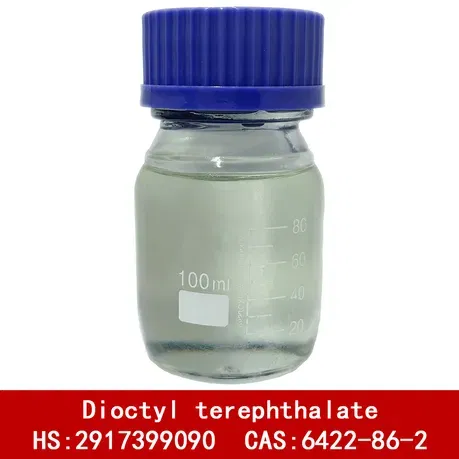

DOTP inflatable products rely on the right balance of flexibility, weldability, and outdoor durability. Whether the application is a backyard bounce house, a permanent swimming pool DOTP pool liner, or a civil-engineering DOTP waterproof membrane, the plasticizer determines how the finished PVC film performs under UV exposure, repeated flexing, and thermal cycling. This article explains why DOTP (bis(2-ethylhexyl) terephthalate, CAS 6422-86-2) has become the preferred non-phthalate plasticizer for these outdoor PVC film applications and how it compares to DINP, TOTM, and citrate alternatives.
Key Takeaways
- ✅ DOTP loadings of 60–90 phr deliver the flexibility and weld strength required for inflatable PVC films
- ✅ DOTP-plasticized pool liners pass accelerated UV (ASTM G154, 2000 h) with delta-E < 4
- ✅ DOTP is non-phthalate and supports EN 71-3 toy compliance for inflatable children's products
- ✅ Waterproofing membranes benefit from DOTP's low migration and high resistance to soil-borne chemicals
- ✅ Shandong Changxing supplies DOTP with REACH, RoHS, and EN 71-3 test support for outdoor film applications
Why Inflatable Products Need the Right Plasticizer
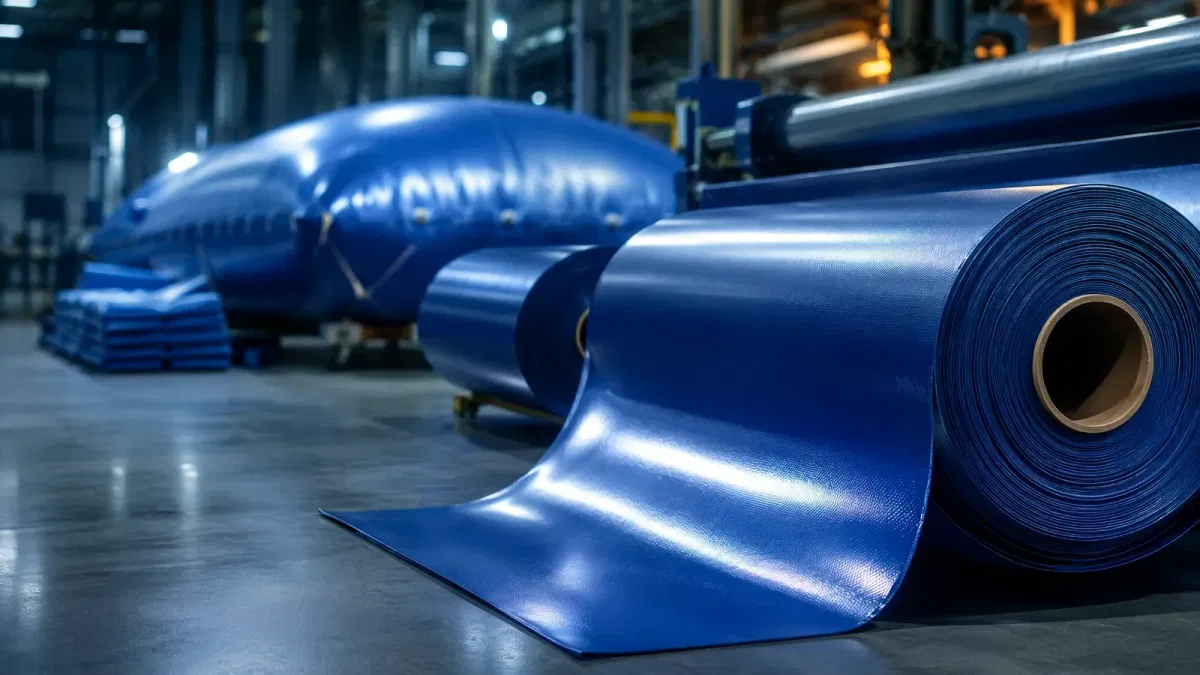
Inflatable PVC products - bounce houses, stand-up paddleboards, inflatable boats, rafts, and promotional air dancers - are produced by welding calendered or knife-coated PVC films, typically 0.3–1.0 mm thick. The plasticizer load sits at 60–90 phr to keep the film flexible enough for the welding process and soft enough for the end use. The wrong plasticizer causes two failure modes: (1) plasticizer migration during high-frequency welding, which weakens the seam and causes leaks, and (2) surface exudation under solar loading, which collects dirt and degrades appearance. DINP, the historical default, struggles with both issues at the upper end of the phr range.
DOTP addresses both issues. Its symmetric terephthalate structure reduces volatility and migration, producing cleaner welds and lower surface exudation. DOTP-plasticized inflatables retain seam peel strength above 80 N/5 cm after 1000 hours of UV exposure, while commodity DINP grades often drop below 50 N/5 cm under the same conditions. For children's inflatables, the non-phthalate status of DOTP also simplifies EN 71-3 migration testing - for related compliance, see our EN 71-3 compliance guide.
DOTP Pool Liner Formulations
A DOTP pool liner is typically a 0.5–1.5 mm calendered PVC film installed as the waterproof barrier in vinyl-liner swimming pools. The liner sits in continuous contact with chlorinated water at 25–32 °C for years, while the upper exposed edge faces UV. The plasticizer must resist chlorine extraction, maintain flexibility, and not promote algae growth. DOTP loadings of 70–80 phr are typical, with hindered amine light stabilizers and benzotriazole UV absorbers.
Accelerated UV testing per ASTM G154 (cycle 1: 8 h UV at 60 °C, 4 h condensation at 50 °C) shows DOTP-plasticized pool liner films retaining > 70% elongation after 2000 hours, with color shift delta-E < 4. Chlorine-extraction testing (5 ppm free chlorine, 30 °C, 28 days) shows plasticizer loss below 0.5 wt% - well below DINP's typical 1.5–2.0 wt% loss. The result is a longer service life: 12–15 years versus 8–10 years for legacy DINP liners.
DOTP Waterproof Membrane Applications
DOTP waterproof membrane use spans civil engineering and building construction: tunnels, basements, green roofs, geomembrane liners for reservoirs and landfills, and below-grade foundation waterproofing. These membranes are 1.0–3.0 mm thick, often reinforced with polyester scrim, and expected to perform for 25–50 years in continuously wet, chemically aggressive soil environments.
DOTP's key advantage in waterproofing membranes is its resistance to soil-borne chemicals - hydrocarbons, surfactants, and organic acids - that attack plasticizer bonds and cause stiffening or cracking. DOTP-plasticized membranes retain flexibility after 90-day immersion in diesel fuel and synthetic landfill leachate, while DINP membranes lose 15–25% elongation. Welding is also critical: thermally welded seams in DOTP membranes achieve peel strength > 90% of parent material, matching or exceeding DINP performance. For broader waterproofing chemistry, see our DOTP PVC film guide.
| Property (outdoor PVC film) | DOTP | DINP | TOTM |
|---|---|---|---|
| Typical phr range (inflatable/liner) | 60–90 | 60–90 | 50–70 |
| Seam peel strength after 1000 h UV (N/5 cm) | > 80 | 40–50 | 70–80 |
| Plasticizer loss in 5 ppm Cl water, 28 d (wt%) | < 0.5 | 1.5–2.0 | < 0.3 |
| Elongation retention after 90 d diesel immersion | > 85% | 60–75% | > 90% |
| Relative cost (DINP = 1.0) | 1.05–1.15 | 1.0 | 1.6–2.0 |
UV, Welding, and Long-Term Performance
Outdoor PVC films live and die by UV resistance and weld integrity. DOTP's saturated aromatic backbone resists photo-oxidation better than unsaturated alternatives (epoxidized soybean oil, citrates) and matches DINP for inherent UV stability. The advantage comes from low migration: DOTP does not bloom to the film surface, so stabilizers remain effective longer and dirt pickup is reduced. In welding, DOTP's lower volatility means cleaner seams with fewer pinholes - a critical factor for inflatables that must hold air pressure for weeks.
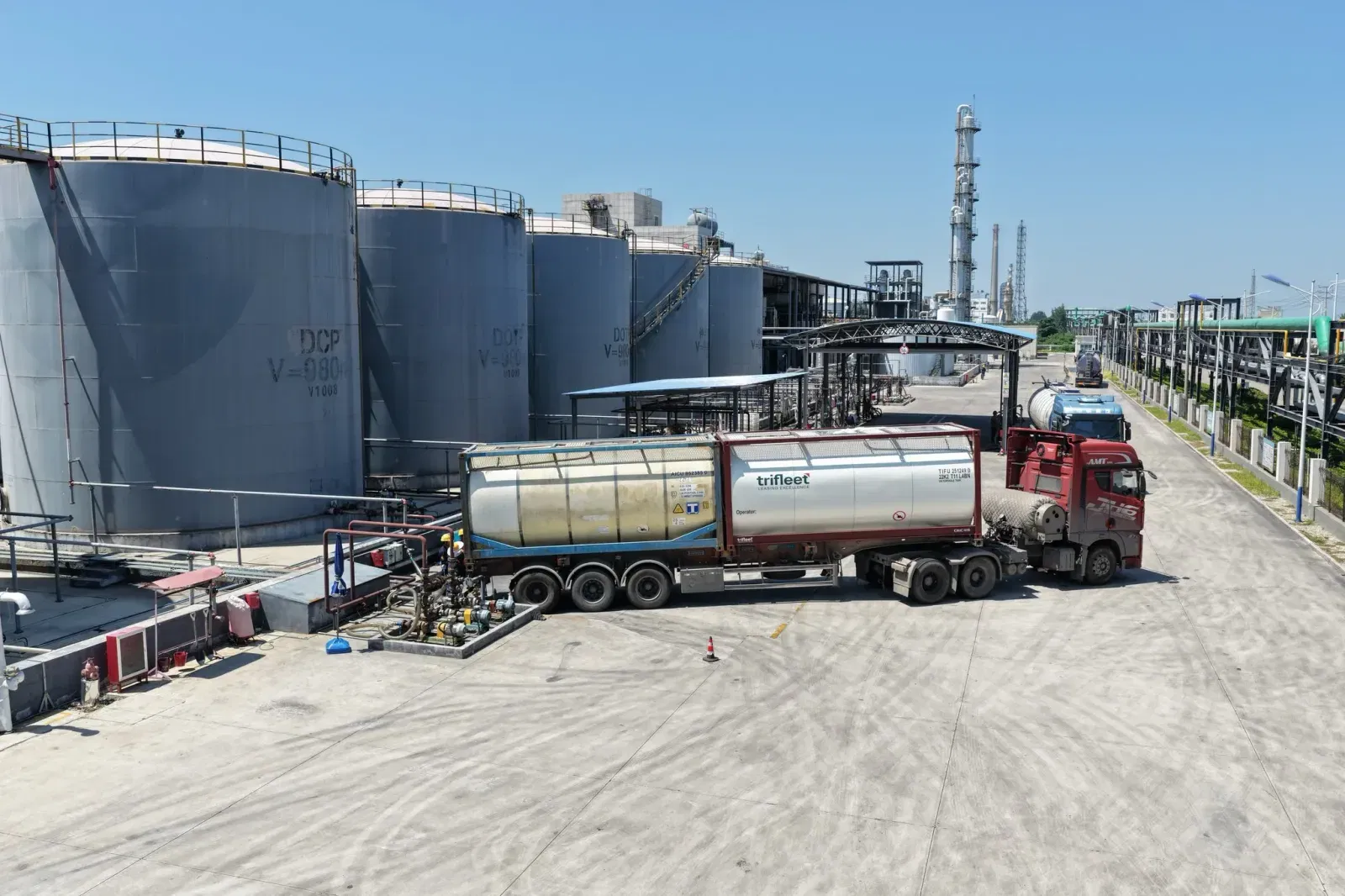
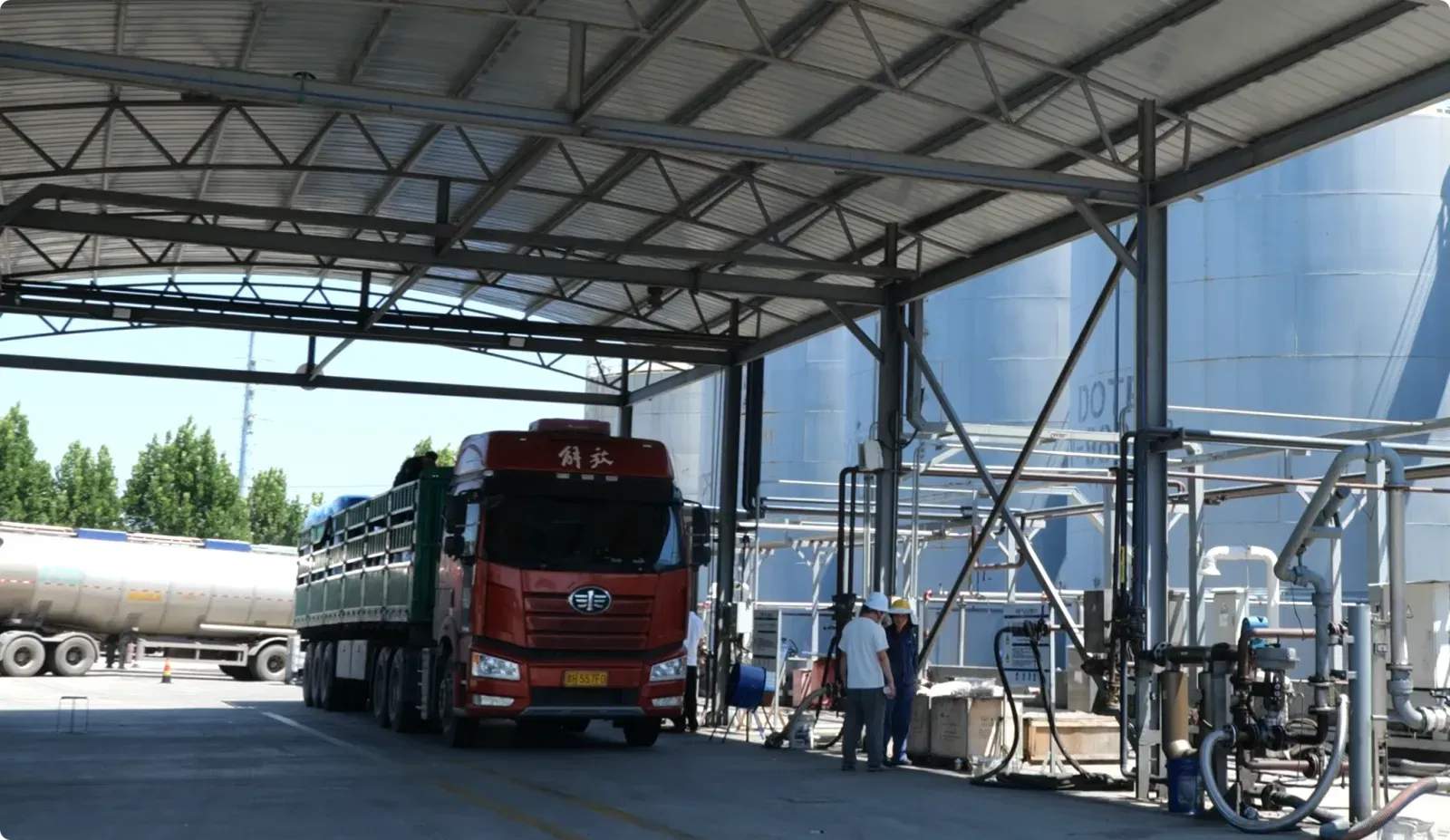
For long-term performance, DOTP-plasticized outdoor films typically achieve 12–20 year service life depending on formulation, UV package, and climate. Shandong Changxing supplies DOTP specifically for outdoor PVC film applications, with REACH, RoHS, and EN 71-3 testing support, and can tailor COA parameters (purity, color, acidity) to meet individual compounder requirements.
Frequently Asked Questions
Q1: What phr of DOTP is typical for inflatable PVC film?
Most inflatable films use 60–90 phr DOTP, with the lower end for stiffer applications like stand-up paddleboards and the upper end for soft bounce-house material. Adjusting within this range tunes hand-feel and weldability.
Q2: Is DOTP suitable for children's inflatable toys?
Yes. DOTP is a non-phthalate plasticizer and supports EN 71-3 migration limits for toy applications. Always confirm with migration testing on the finished article, as the colored PVC compound and printing inks also contribute to the test result.
Q3: How does DOTP compare to TOTM for waterproofing membranes?
TOTM offers marginally better chemical resistance (especially to fuels) but costs 50–80% more. DOTP delivers better cost-to-performance for most civil-engineering membranes and matches TOTM on welding and UV stability.
Conclusion
DOTP inflatable products, pool liners, and waterproof membranes benefit from a plasticizer that balances flexibility, weldability, UV stability, and chemical resistance at a competitive cost. DOTP matches DINP on processing and exceeds it on migration, seam durability, and outdoor service life - without the phthalate compliance burden. For compounders reformulating outdoor PVC films, DOTP is the lowest-risk path to longer-lasting inflatables, liners, and membranes.
Looking for DOTP for outdoor PVC films?
Shandong Changxing Plastic Additives is an ISO 9001/14001/45001/50001 certified manufacturer with 300,000 tons annual capacity. Contact us for DOTP with REACH, RoHS, and EN 71-3 documentation tailored to inflatable, pool liner, and waterproof membrane applications. Performance data cited is based on internal laboratory testing and published industry benchmarks.
Request a Quote