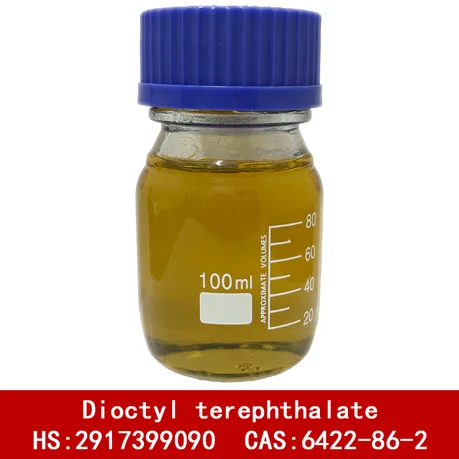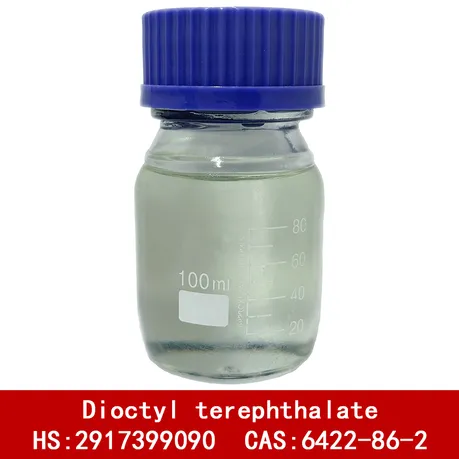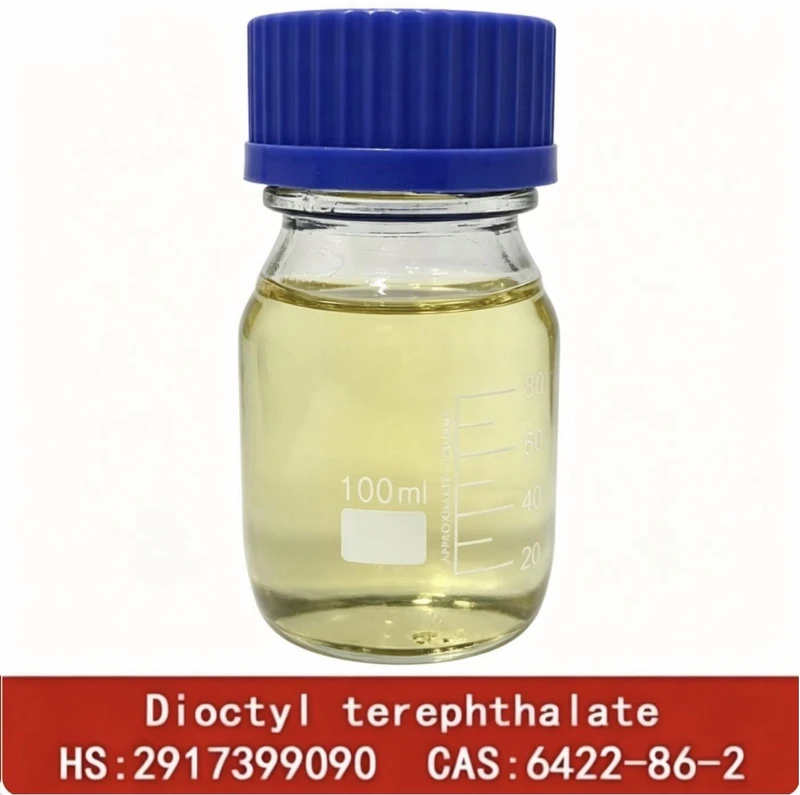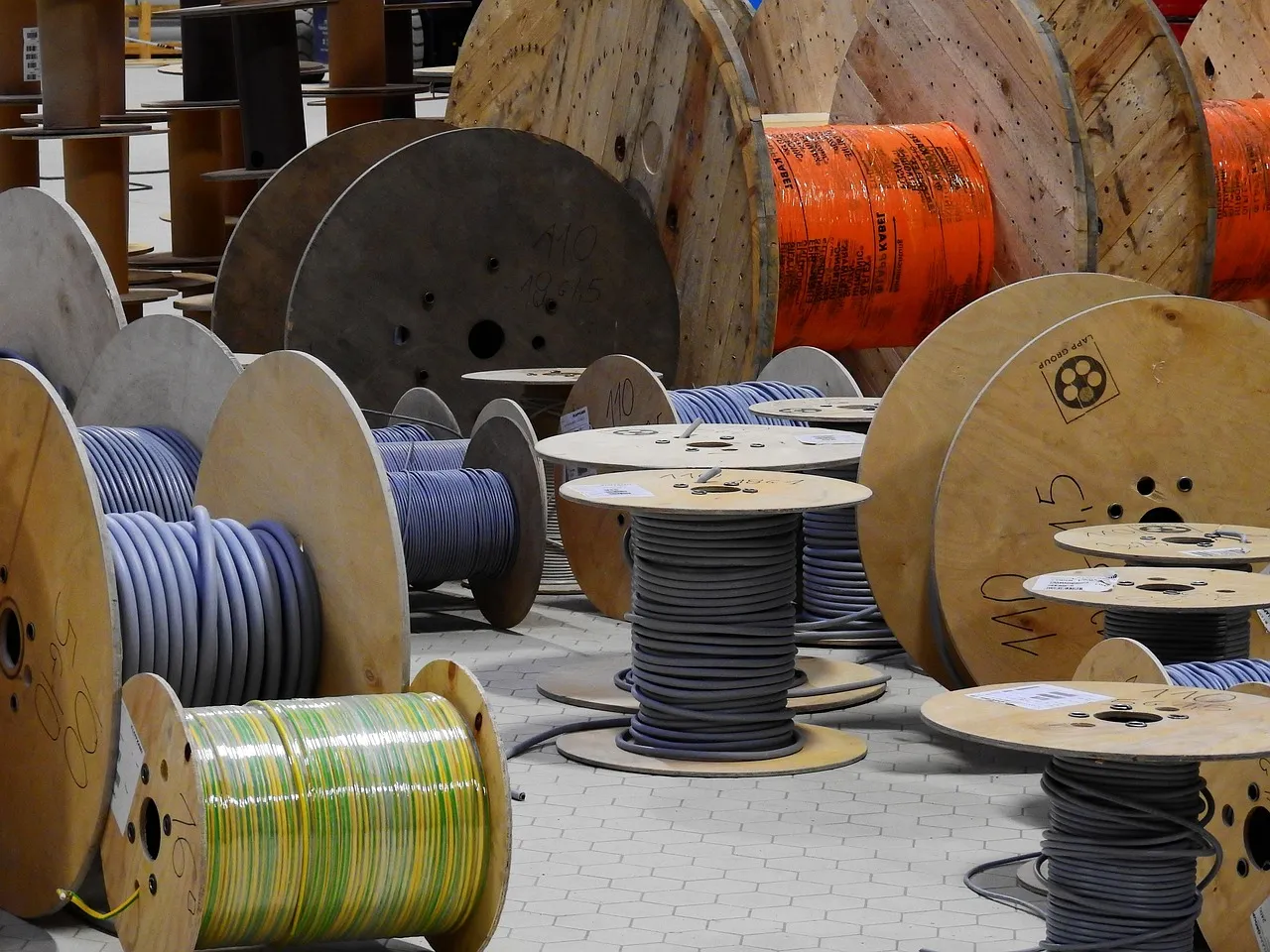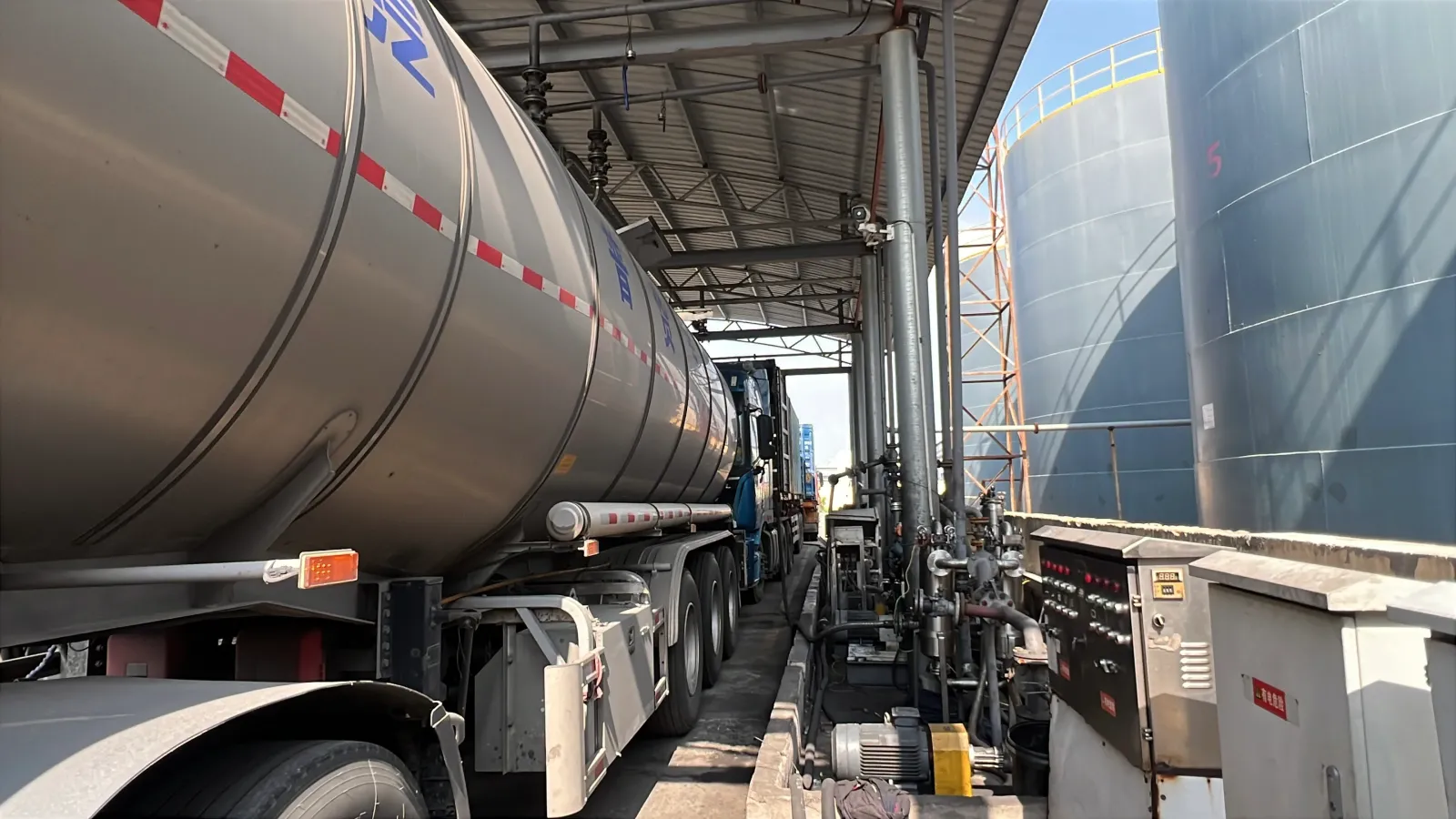


In the production of artificial leather, colored leather, flexible PVC products, and wire and cable, DOTP is a widely used, eco-friendly plasticizer within the PVC industry. Petroleum-grade DOTP, in particular, is frequently employed for products that demand high color standards. However, for many manufacturing enterprises and project-based orders, relying exclusively on petroleum-grade DOTP can lead to a significant increase in procurement costs.
Therefore, high-quality DOTP represents a product segment worthy of attention. In terms of quality, this grade of DOTP is comparable to colorless, transparent, petroleum-based DOTP; it features a light hue and minimal interference, making it well-suited for applications such as synthetic leather, colored leather, standard flexible PVC products, and wires and cables.
For light-colored and tinted products, DOTP offers a lower raw material cost—enabling savings of over 10% for customers—while maintaining excellent plasticization efficiency and color stability in the finished goods.
Positioning: qualified-grade DOTP, quality benchmarked against petrochemical DOTP

Main application areas:
Artificial leather production

Suitable for PVC artificial leather, coloured leather, light-coloured leather, upholstery leather, industrial leather and similar formulations.
Coloured leather and light-coloured products
The product features a light base color with controllable chromaticity, minimizing color interference in light-colored or tinted finished products and helping to reduce initial raw material costs.
Ordinary soft PVC goods

For flexible PVC sheet, film, hose, footwear and everyday soft-PVC formulations.
Wire and cable

For a range of PVC cable compounds, insulation and sheathing, helping improve flexibility, processability and cost performance.
The value of qualified-grade DOTP is not simple "cheap substitution". It is a more cost-effective plasticizer choice for light and coloured products and for large-volume orders, provided the colour, plasticising, processing and cost requirements are all met.
2. Why is qualified-grade DOTP the better fit for light and coloured products?
Artificial leather and coloured PVC production has its own colour requirements, and qualified-grade DOTP carries a slight colour of its own while its raw-material cost sits far below petrochemical DOTP, at comparable quality.
So for artificial leather, coloured leather, light-coloured soft PVC goods and wire and cable, the advantages are: lower raw-material cost, a base colour of its own, and good compatibility in light and coloured products.
3. What qualified-grade DOTP brings to a formulation
- Advantage 1: fits light and coloured artificial leather
Lower raw-material cost and a base colour of its own make it the easier match. - Advantage 2: stable plasticising, so replacing an existing formulation is simpler
Qualified-grade DOTP plasticises consistently and stays close to petrochemical DOTP, which suits formulations that need stable processing performance.
Because the plasticising behaviour is close, customers do not have to change their existing formulation much: easier to start with, lower trial risk. - Advantage 3: even colour in the finished product, little darkening
In light and coloured products qualified-grade DOTP interferes little, which helps keep colour even and the finished leather bright and stable.
Advantage 4: strong value for cost-controlled orders
Compared with petrochemical-grade DOTP, qualified-grade DOTP is friendlier on purchasing cost. On large-volume artificial leather, soft PVC and cable orders, raw-material cost is a decisive factor in formulation design.
Qualified-grade DOTP suits these customers:
- artificial leather producers working to a cost target;
- coloured leather and light-coloured product factories;
- ordinary soft PVC producers;
- cable compound producers;
- and buyers on large-volume, long-term stable orders who want lower formulation cost without visibly affecting appearance or processability.
One caution: qualified-grade DOTP is not the right full replacement for high-grade water-white DOTP in every case. For ultra-light, high-transparency, high-weathering or high-specification export products, run a trial batch against the customer's requirements.
4. Qualified-grade DOTP at a glance
| Item | Qualified-grade DOTP |
|---|---|
| Typical products | Light-coloured, coloured and ordinary soft goods |
| Plasticising efficiency | Stable, close to petrochemical DOTP |
| Colour interference | Little |
| Purchasing cost | More than 10% lower |
| Order type | Cost-controlled, large volume |
| Typical applications | Artificial leather, coloured leather, soft PVC, wire and cable |
Taken together, the saving with qualified-grade DOTP is not just a lower unit price: formulation economics improve across raw-material cost, rework cost and batch-to-batch consistency.
5. Summary
The colour of qualified-grade DOTP is not a disadvantage. It costs less, the quality is good, and it suits the majority of PVC and artificial leather production.
Qualified-grade DOTP is benchmarked against petrochemical-grade DOTP. Industry DOTP volume runs at about 2.6 million tonnes, and with advantages like these we expect more and more companies to recognise it.
6. Using it: trials, compliance and supply
1. Confirm plasticising and colour in a trial
PVC resin, filler, stabiliser, lubricant and pigment system all affect the final result. Run a trial first and watch:
- whether plasticising is even;
- whether the colour is stable;
- whether it darkens or turns yellow;
- whether softness meets the requirement;
- whether processing runs smoothly;
- whether batch-to-batch colour difference is under control.
3. Watch the environmental and compliance requirements
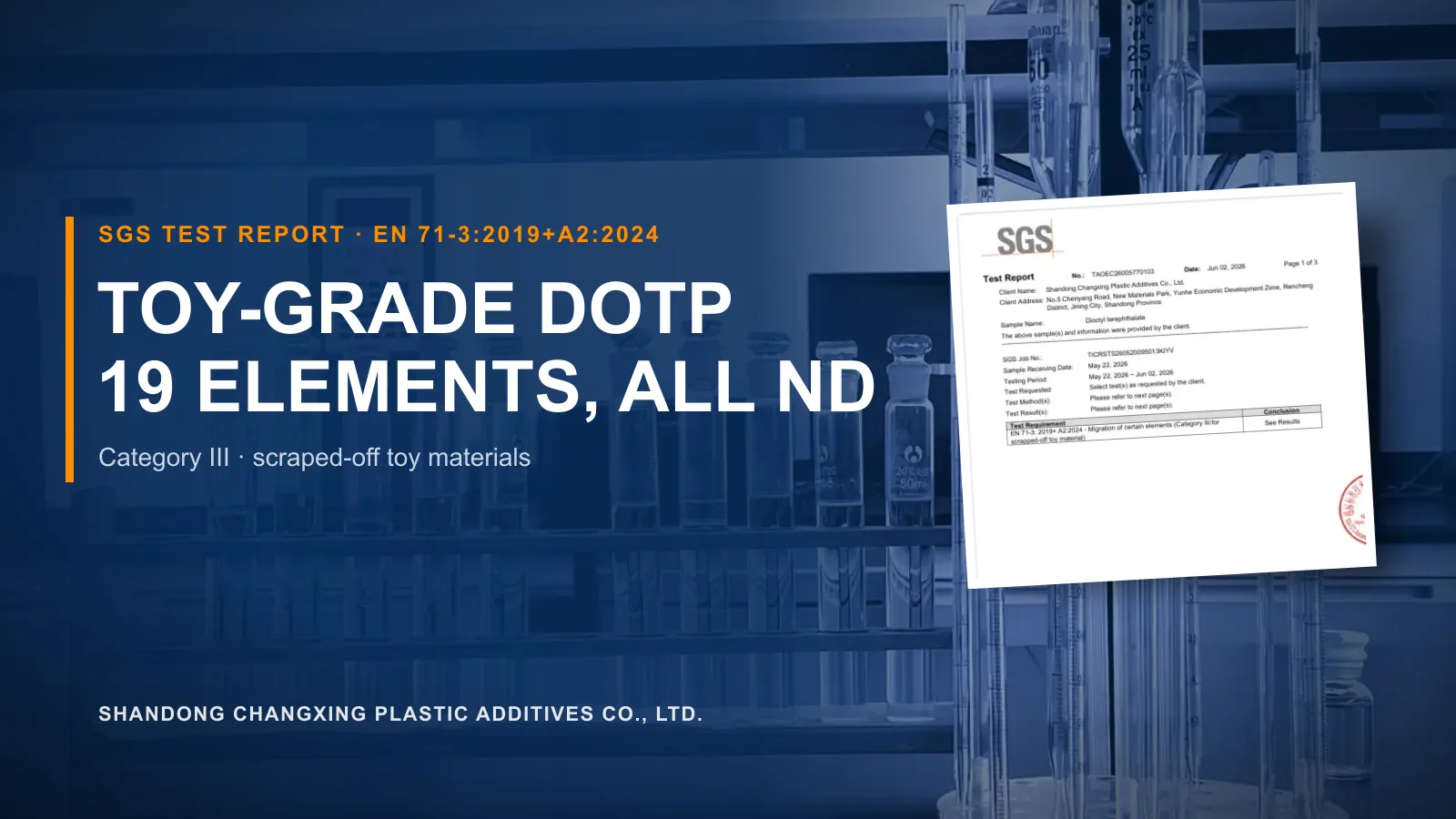
If the product is exported to the EU, the US or another market, confirm formulation compliance against that market's rules, including ortho-phthalate and heavy-metal restrictions. DOTP is generally treated as an environmentally friendly plasticizer direction, but compliance still has to be confirmed against test reports and the customer's standard.
4. It suits long-term stable purchasing
Qualified-grade DOTP benchmarks water-white high-grade DOTP in quality while being friendlier on purchasing cost, which makes it a good fit for bulk purchasing and formulation optimisation on long-term stable artificial leather, soft PVC and cable orders.
7. FAQ
Q1: How does qualified-grade DOTP differ from water-white DOTP?
In quality qualified-grade DOTP benchmarks water-white high-grade DOTP: pale base colour with controllable tint, suited to light and coloured products. Against first-grade and superior water-white DOTP its purchasing cost is friendlier, and it suits cost-controlled orders better.
Q2: Can qualified-grade DOTP reduce pigment addition?
Yes. In light and coloured products its controllable tint and pale base colour interfere less with the product colour, so pigment addition can be cut to some extent and colour-matching cost comes down with it.
Q3: What about the plasticising efficiency of qualified-grade DOTP?
Qualified-grade DOTP plasticises consistently and stays close to first-grade DOTP. Customers replacing an existing formulation usually do not need to change the process much, so trials are easier to run.
Need a sample and a current quote?
Send the product, the phr you use and the shade you need, and we come back with a sample, the batch COA and the grade comparison sheet.
Request a sampleDisclaimer: the "more than 10%" figure is our own comparison against petrochemical water-white DOTP; it moves with the market and is not a quotation. Colour, plasticising and compliance outcomes depend on your resin, filler, stabiliser and process, so confirm them with a trial batch before fixing a formulation.
Further reading: what DOTP is, grade selection by application, first grade against superior grade, dosage and phr reference, and the DOTP specification.